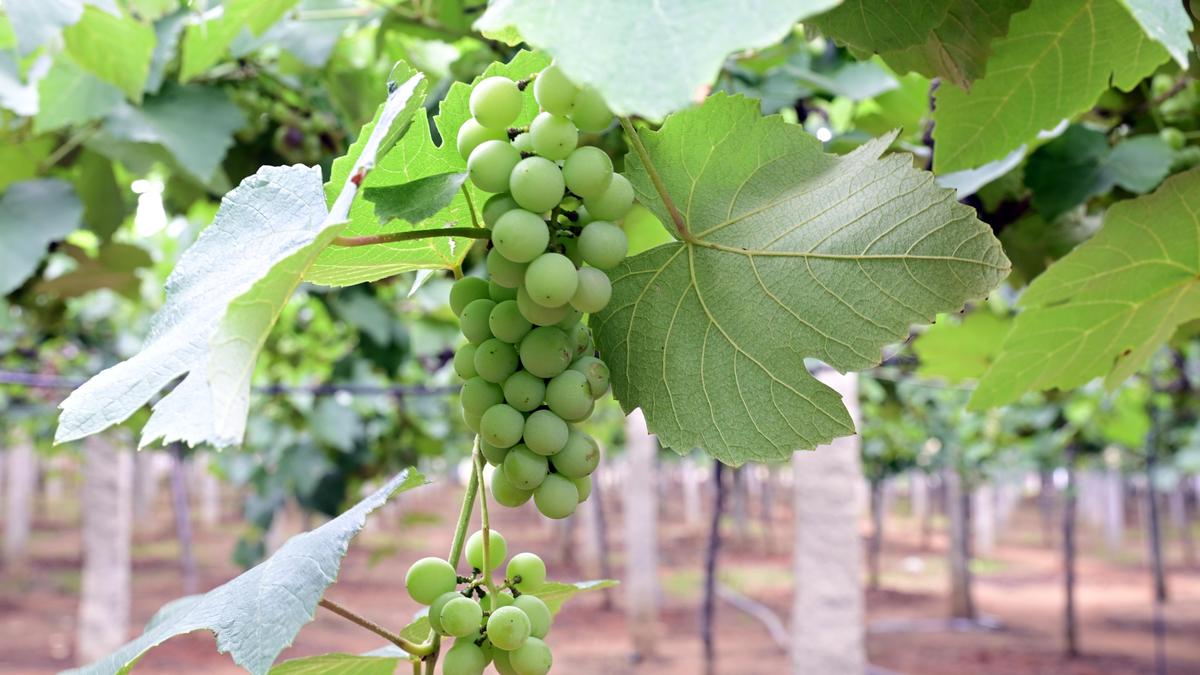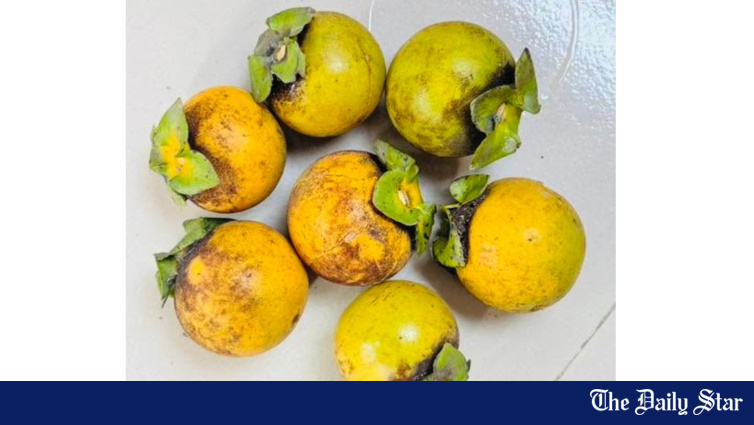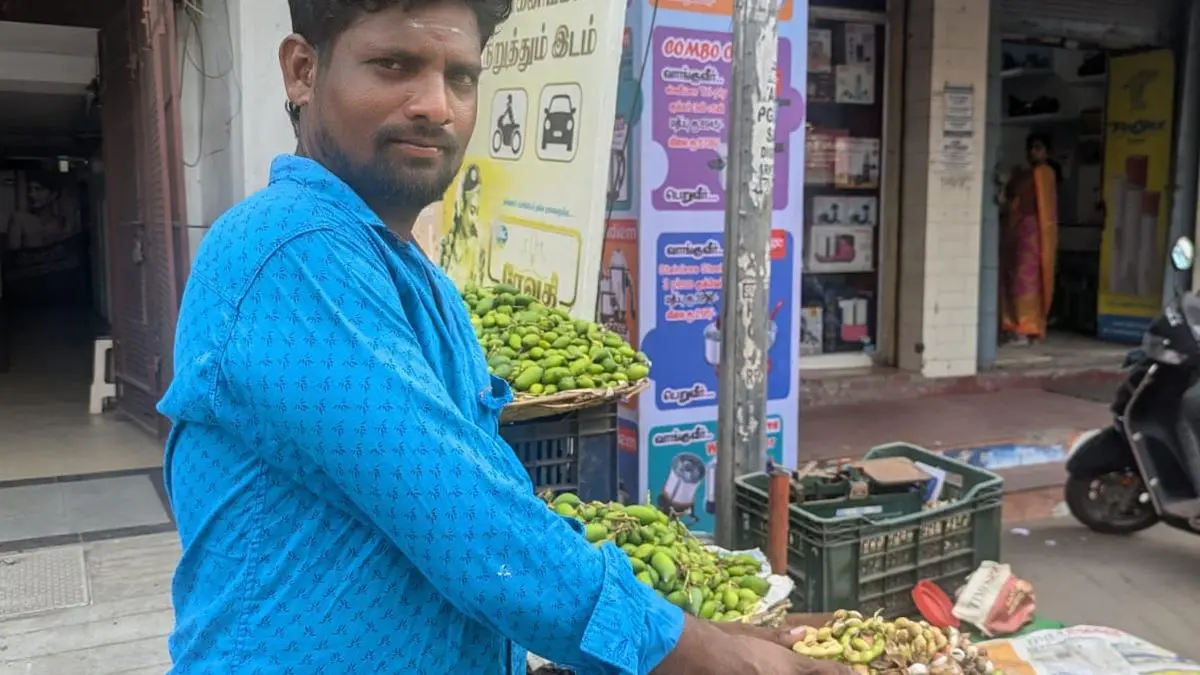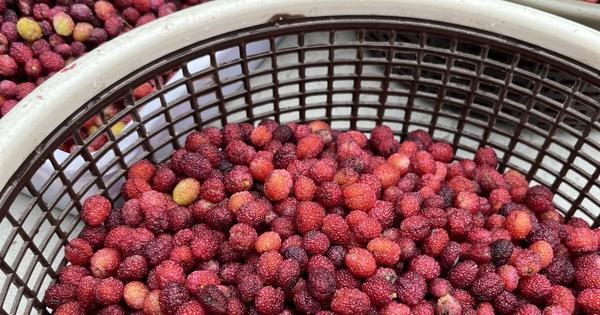
During my summer break in my hometown in northeast India’s Assam this year, I found myself craving a favourite summertime fruit from my childhood: Leteku, or Burmese grape. A quick run to the local fruit market offered fruits of different kinds, including imported kiwis and avocados, but not the one I was looking for. I finally found it at a weekly haat, a makeshift market where locals from nearby villages gather to sell their produce.“The availability of indigenous, local fruits has definitely decreased over time,” says Dharindra Nath Hazarika, head of the horticulture department at BN College of Agriculture under Assam Agriculture University. “There is a lack of research and documentation on this subject, so we don’t know the exact magnitude of the decline.”This loss is not restricted to just one region. In the neighbouring state of Meghalaya, for instance, local communities say they are observing that local fruits that once grew abundantly in people’s homesteads are now less commonly seen. Pius Ranee, executive director of North East Society for Agroecology Support, agrees. “Many traditional fruits, vegetables, and edible plants once commonly found in homesteads and villages are becoming less common. Older generations often recall a greater diversity of food plants around homes, fields and forests than what is seen today. While systematic data are limited, observations from communities across Meghalaya suggest that many indigenous and semi-wild food species are disappearing from everyday diets and local landscapes,” he shares.Poniol is another fruit found most notably in Assam and a few other northeastern states. It is not commonly seen now. Then there is Thekera. Dried Thekera adds sourness to many Assamese dishes and is said to cure indigestion. Sohthang and Sohlong are indigenous fruits that were once commonly seen in Meghalaya but have now become rarer.Poniol (Flacourtia jangomas) is a local fruit found in some parts of Northeast India. Both tangy and sweet, it is seasonal in the summer months. One must gently massage the fruit between the palms to soften it before consumption. Image by Azera Parveen Rahman.Local, indigenous fruits that are not commercially grown are often termed “underutilised” because of their untapped potential to enhance food security, provide health benefits, generate income, and support environmental sustainability, according to a paper published last year. Such fruits are regarded as “protective foods” across India because of their rich medicinal properties, abundance of phytochemicals and essential minerals, according to the study.An earlier paper elaborates on the availability of micronutrients in indigenous fruits of arid and semi-arid regions. Pilu (Salvadora oleoides) and chironji (Buchanania lanzan) are rich sources of iron, while karonda (Carissa carandas), mahua (Madhuca indica) and khirni (Manilkara hexandra) are rich sources of vitamin A.Alethea Kordor Lyngdoh, Deputy Executive Director of North East Society for Agroecology Support, says, “Indigenous crops often provide food during lean seasons and periods of scarcity, thus providing food security. They are also a rich source of antioxidants, minerals and vitamins.”Leteku, or Burmese grape, once grew commonly in people’s backyards and homesteads in Assam. Now it is becoming increasingly rare to find, even in local markets. Image by Azera Parveen Rahman.What is causing the decline?There are several reasons behind the slow disappearance of local fruits from diets. Urbanisation, land-use change and a lack of awareness about the significance of these fruits, especially in the face of large-scale cultivation of commercial crops, are some of them.“Farmers are encouraged to grow market-oriented and often non-native crops such as strawberries, kiwi and other exotic fruits, which can offer better economic returns. As a result, many traditional indigenous fruit trees and local varieties that were once maintained in homesteads and mixed farming systems are receiving less attention and are gradually disappearing from the landscape,” Pius Ranee says.Many local fruits are highly seasonal, have uneven shapes or ripening patterns, bruise easily, cannot withstand long-distance transport, or are available in volumes too small and unpredictable for conventional retail. Market structures, on the other hand, reward consistency.“This does not mean that commercial horticulture is the inherent enemy,” says chef Thomas Zacharias, founder of The Locavore, a platform that champions local food through storytelling, events, advocacy and partnerships. “Farmers need crops that give them reliable returns, and commercial cultivation can sometimes rescue an overlooked fruit by creating demand and improving propagation. The problem arises when incentives encourage landscapes to become less diverse, or when only a few profitable species and varieties receive research, nursery, extension, procurement and marketing support.”From his experience travelling across the country, tracing indigenous food and cooking, Zacharias says he feels that there is a knowledge gap when it comes to local produce. “If people no longer know a fruit’s name, season, taste or uses, demand naturally weakens. And heavily marketed foods acquire greater social value,” he says.This is both a challenge and a way out. In Meghalaya, Richard Ranee, a community member, points out that he grows local fruits and medicinal plants and tries to tell as many people in his family and village about their significance. “I am also a traditional healer, so I tell my people about the importance of conserving local biodiversity,” he says.Similarly, Hazarika has been planting seeds and saplings of local varieties of fruits and herbs from Assam in the botanical garden on his college campus. “Some of these minor fruits have medicinal value and are an inexpensive source of vitamins and minerals. But there is a lack of awareness. People are letting go of their homesteads and home gardens and cutting down these trees without realising their importance,” he says.Home gardens have also been found to maintain environmental equilibrium, sustaining not just rich biodiversity but also good soil carbon stocks.
India’s indigenous fruits are disappearing from diets and the landscape
Urbanisation, change in land-use, low awareness and commercial considerations are among the reasons why local produce is declining.
1,422 words~6 min read