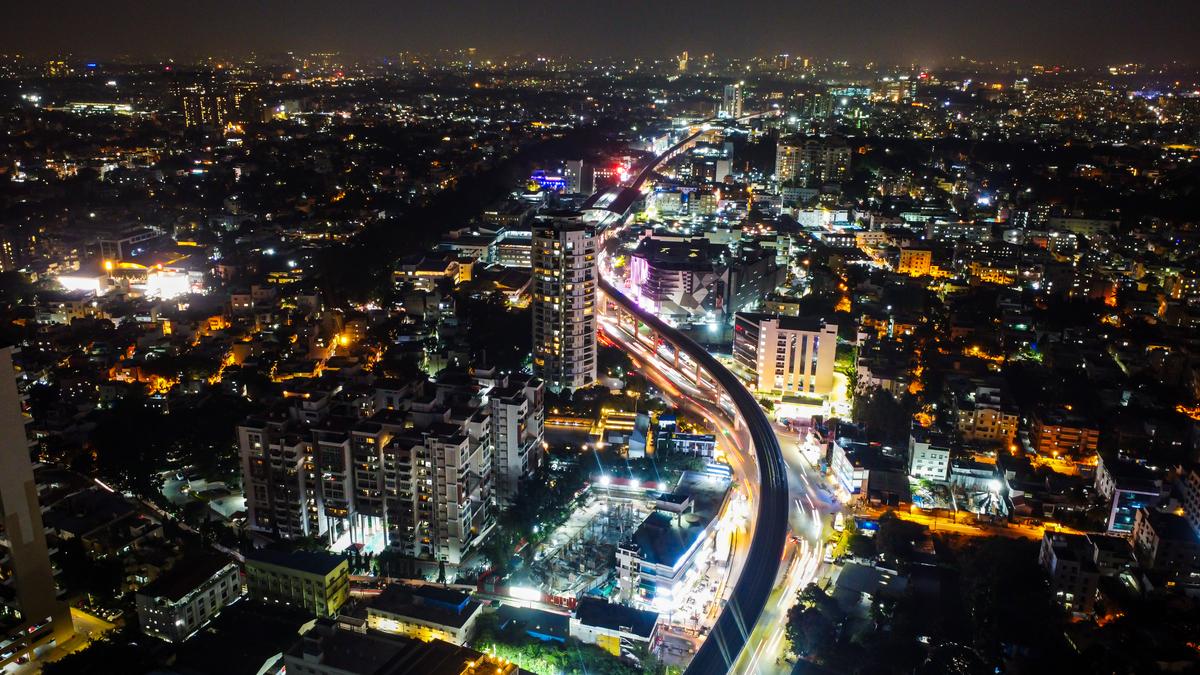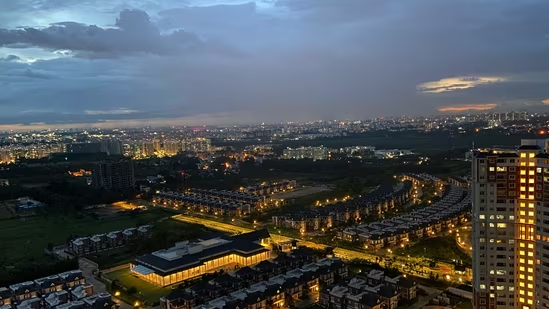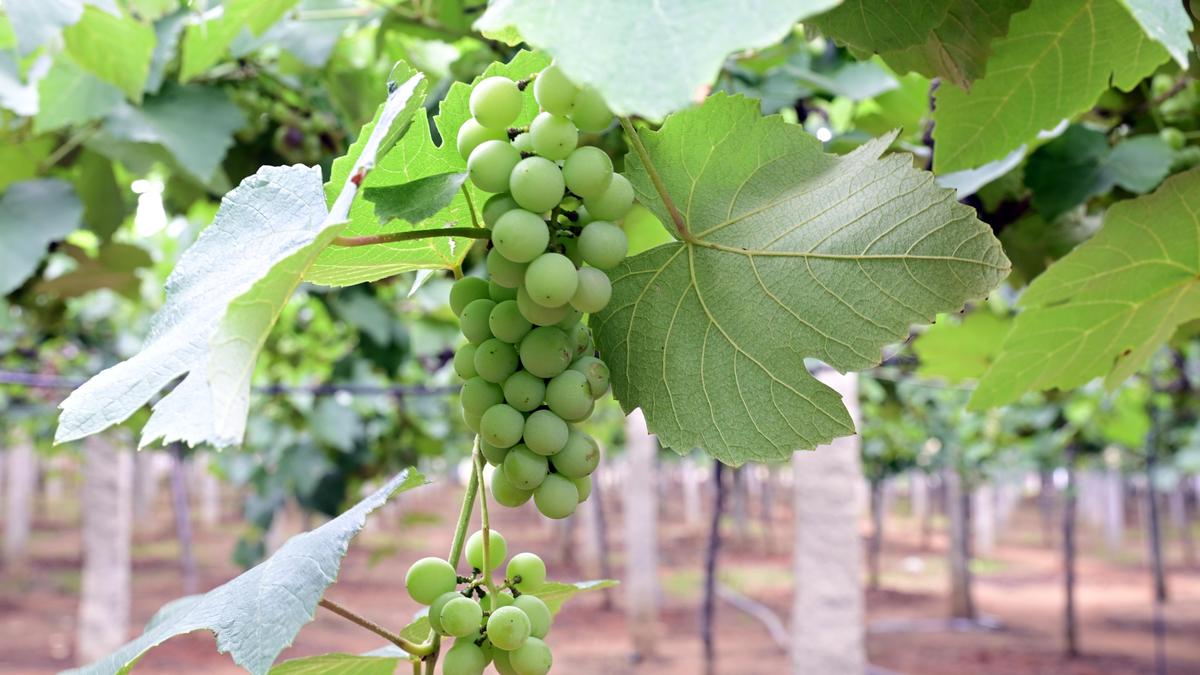
Ramachandra Gowda, 60, rides his moped every day from home to his two-acre vineyard in Bettahalasur, about 25 km north of Bengaluru. Once upon a time, Bettahalasur had acres of vineyards, besides fields yielding a variety of vegetables and betel leaves.The likes of Gowda are now few, as the city has expanded. Most farmers on the outskirts have moved away from farming and agricultural land has been replaced by thousands of multi-storey buildings.
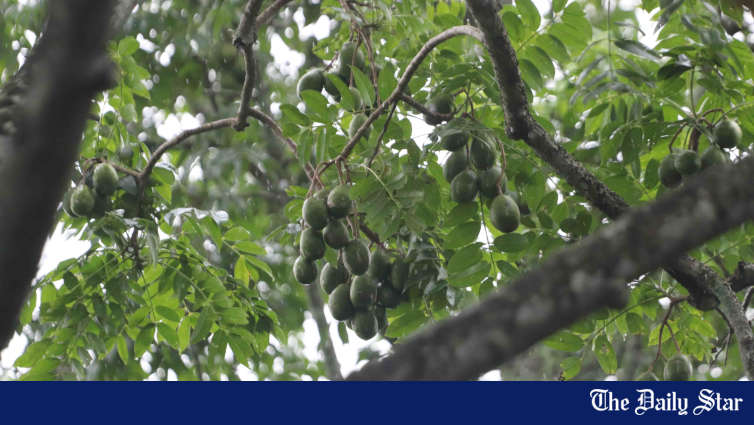
Farmers in and around Devanahalli have stopped cultivating traditional horticulture crops like guava, chakkota and Bangalore Blue grape.
| Photo Credit:
Chandrashekar, another farmer at Bettahalasur, said, “Around 100 acres of agricultural land have been converted into a residential area now. Farmers got the land converted and built multi-storey houses. This transformation happened some 10 years ago when there was a fear of government acquiring farmland to make plots. Anyway, there is not enough water, and rains are uncertain. There is no profit in agriculture.”Gowda continues to grow Bangalore Blue, an indigenous grape variety that earned a Geoprahical Indication (GI) tag in 2013. The bunch of grapes on the farm represent six months of hard work. It is a variety grown in cooler climates and in the red loamy soil found in Kolar, Chickballapur, Devanahalli, Anekal, and surrounding areas.He rued that only a few grow Bangalore Blue these days, partially owing to more demand for ‘crunchy and seedless’ varieties rather than this native variety and, more importantly, vagaries of weather. “Till about a decade ago, the weather was neither too hot nor too cold. We received good rains. Now, it is extremely hot or cold, or we receive heavy rains. In such instances, even before they turn blue, grapes are infected by diseases.”While the grapes on his field look good to the inexperienced eye, he says, pointing to one bunch, “See these. They are tiny, and the bunches are not of a good size. It is because of extremely hot summer. We did not receive good pre-monsoon showers. The quality will be second grade, which will fetch me ₹35 to ₹40 per kg. If it was first grade, the price would be ₹60 to 70 per kg.”