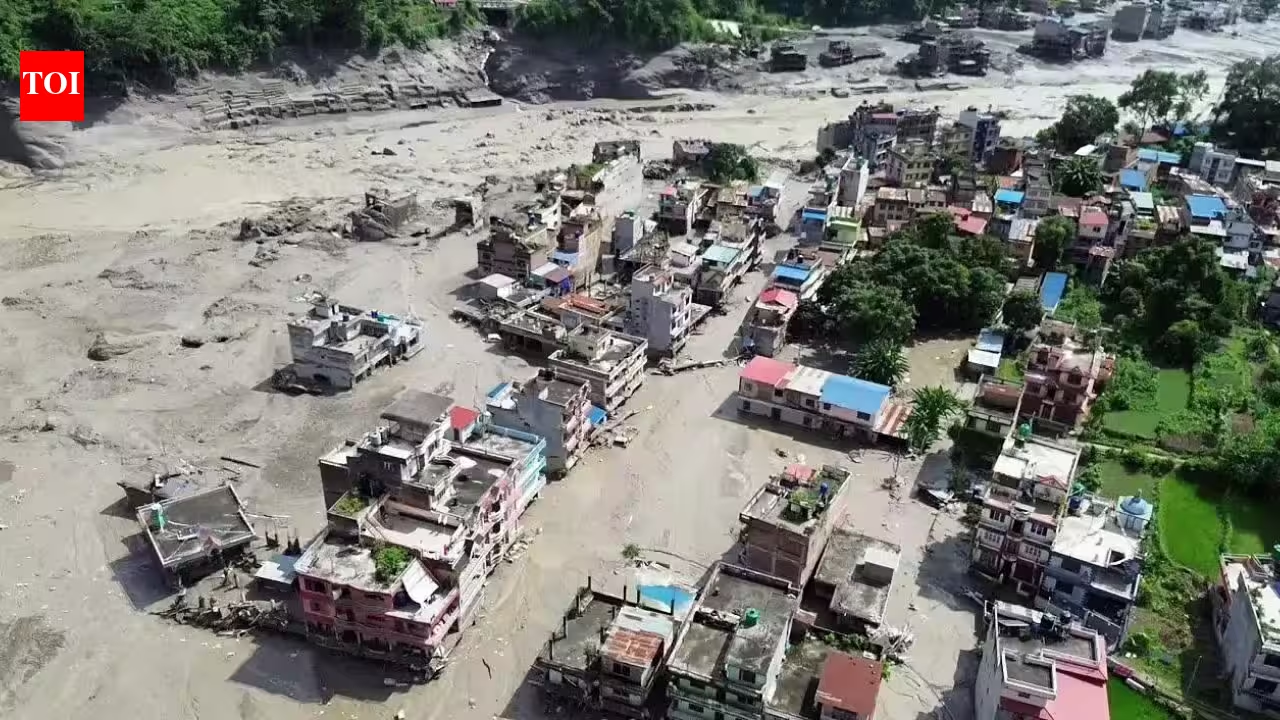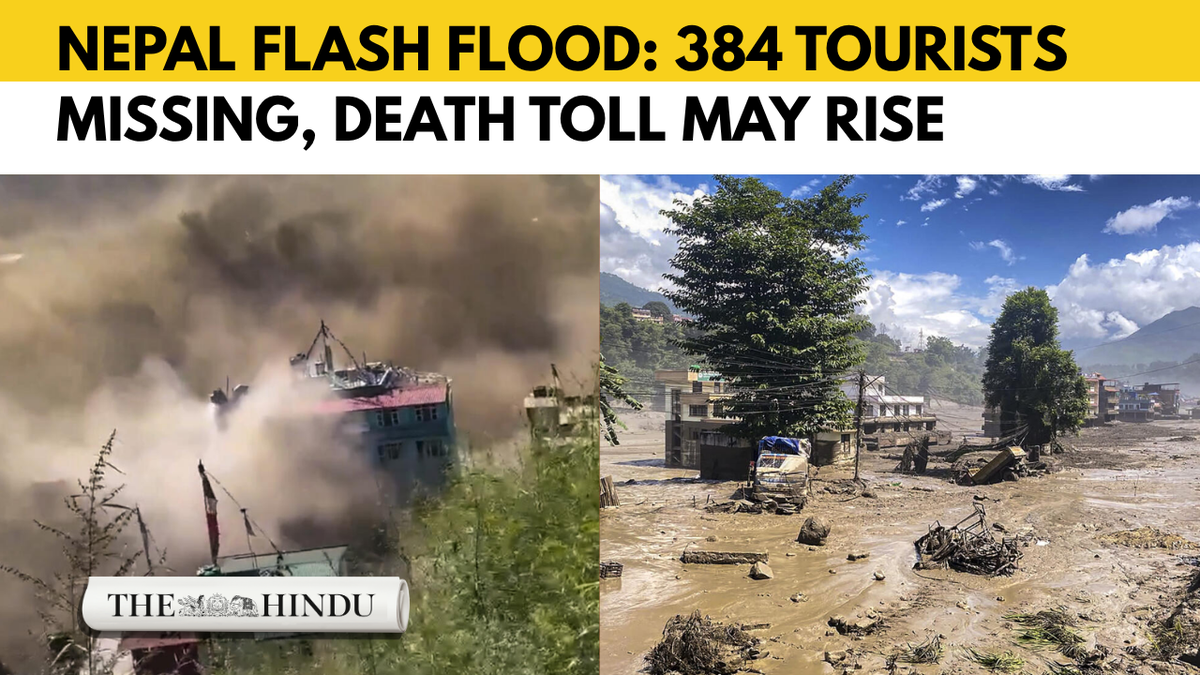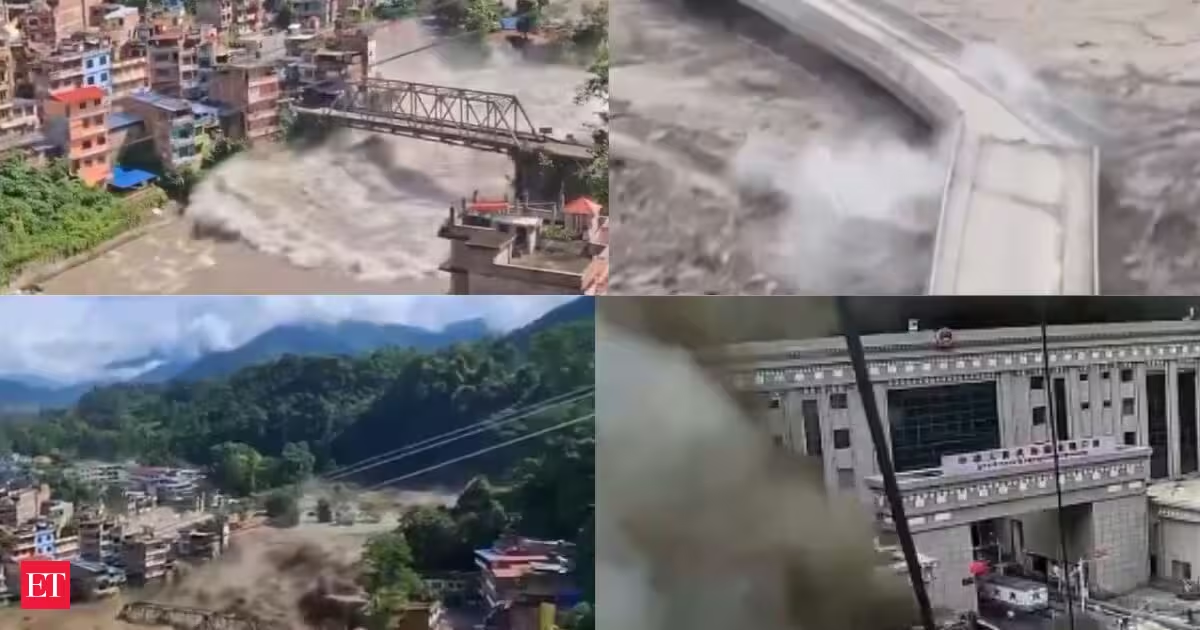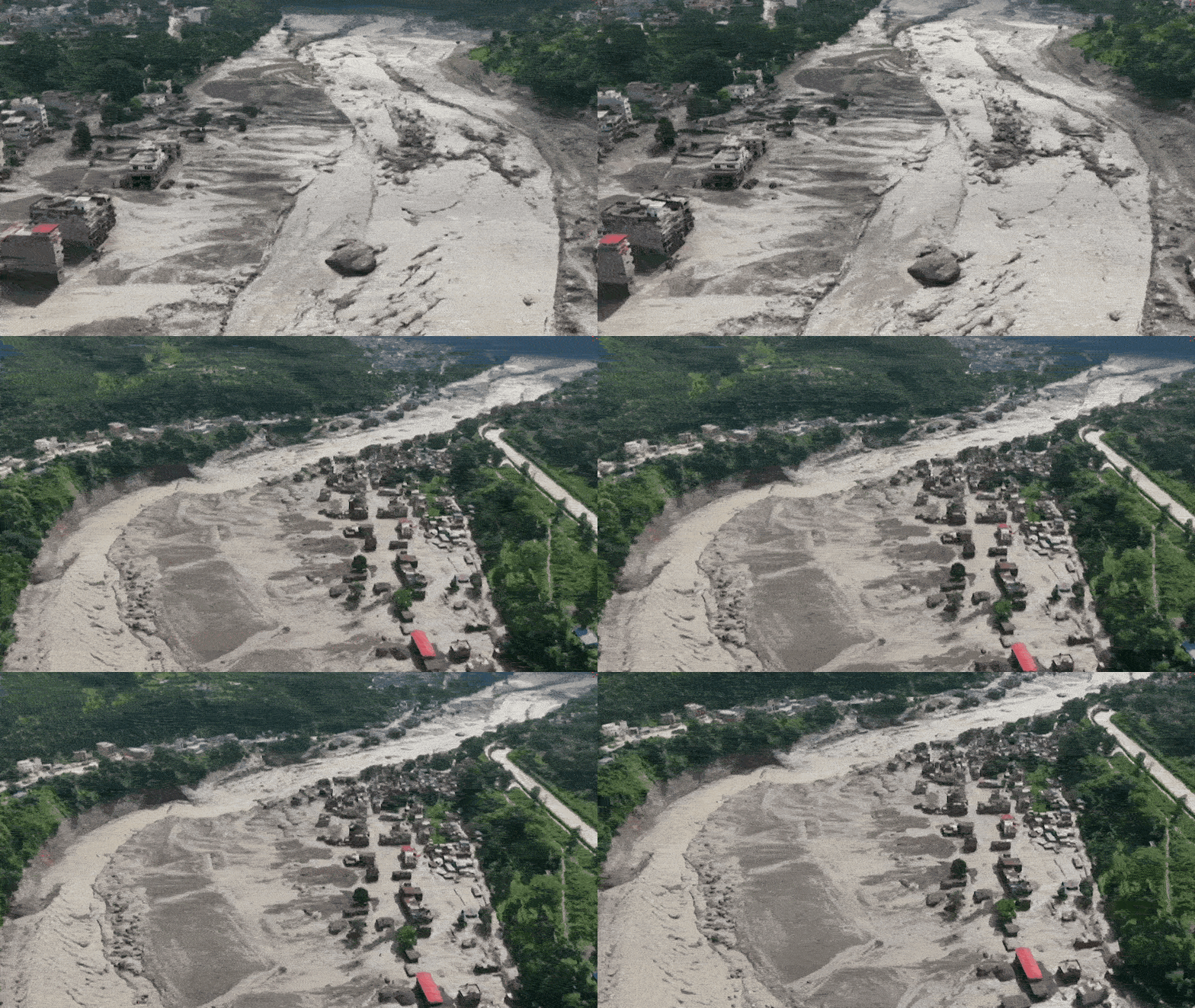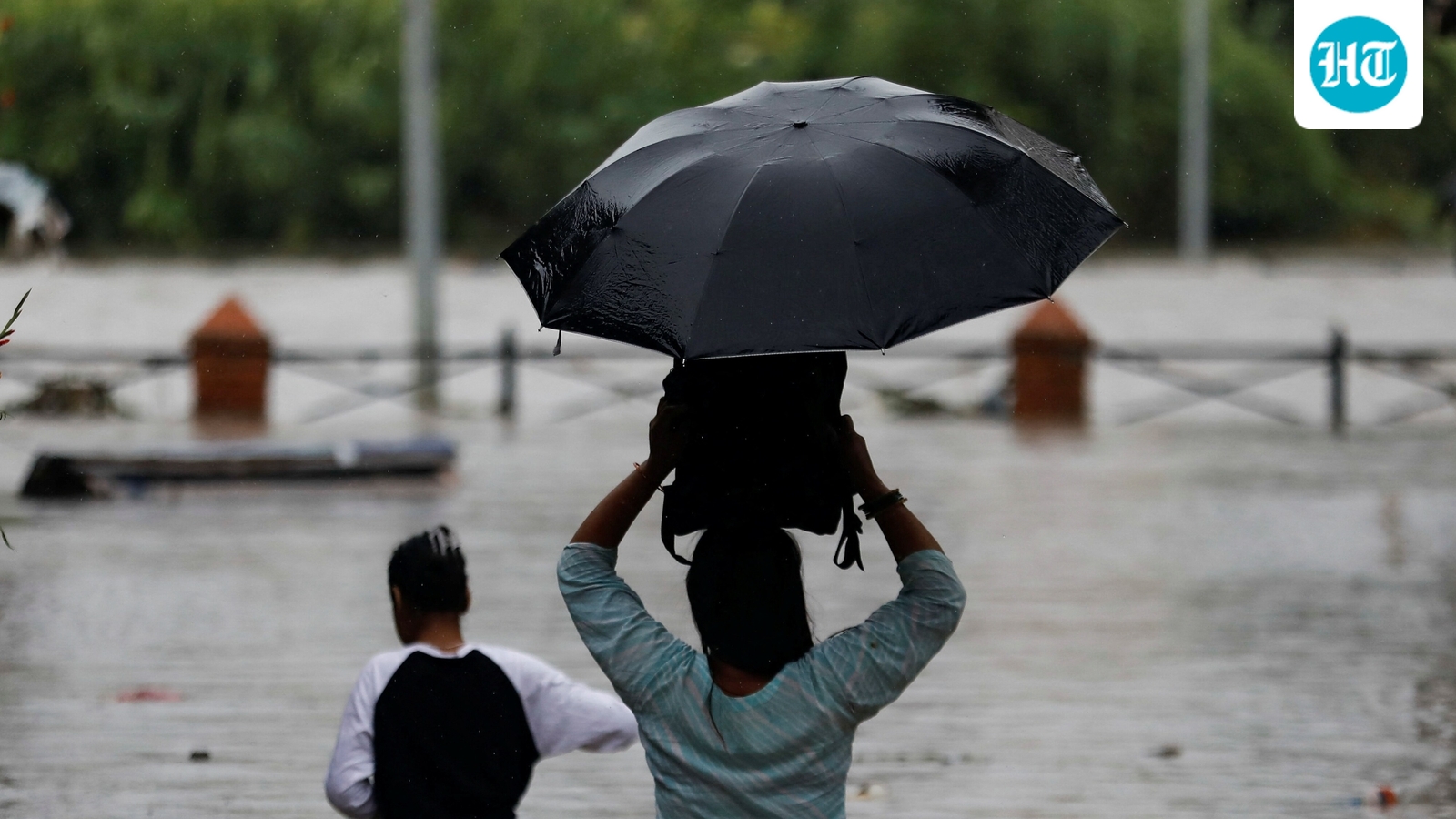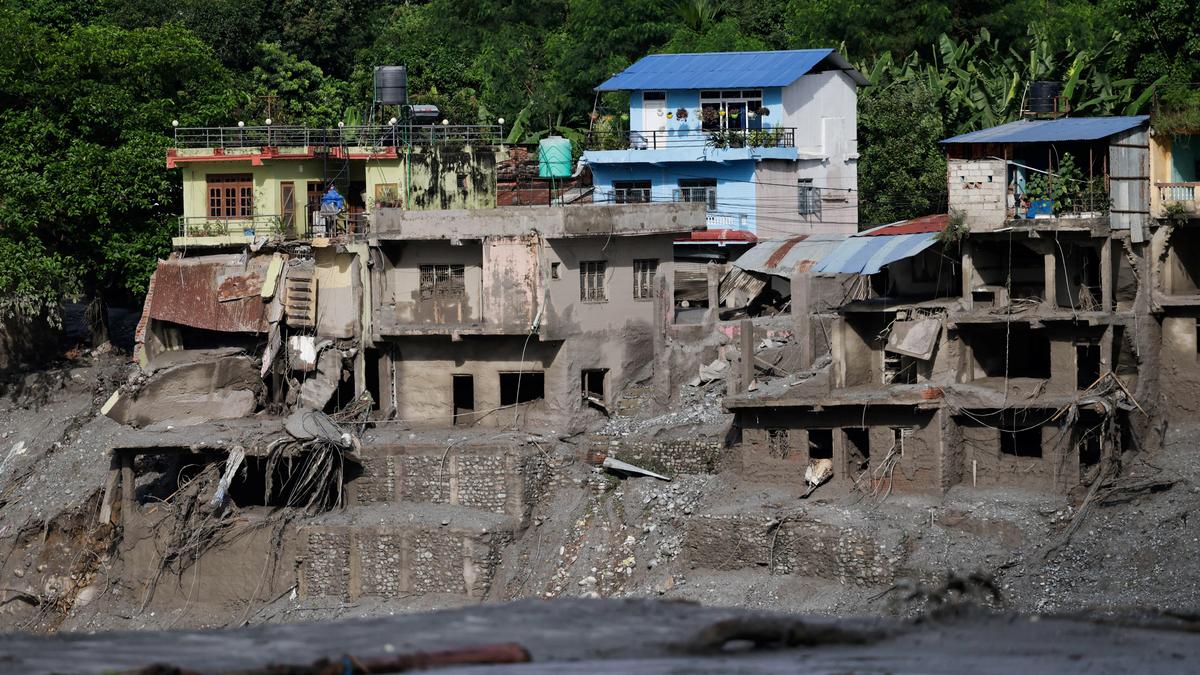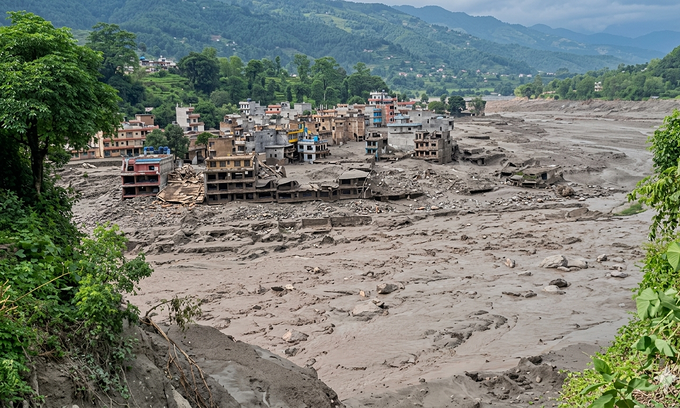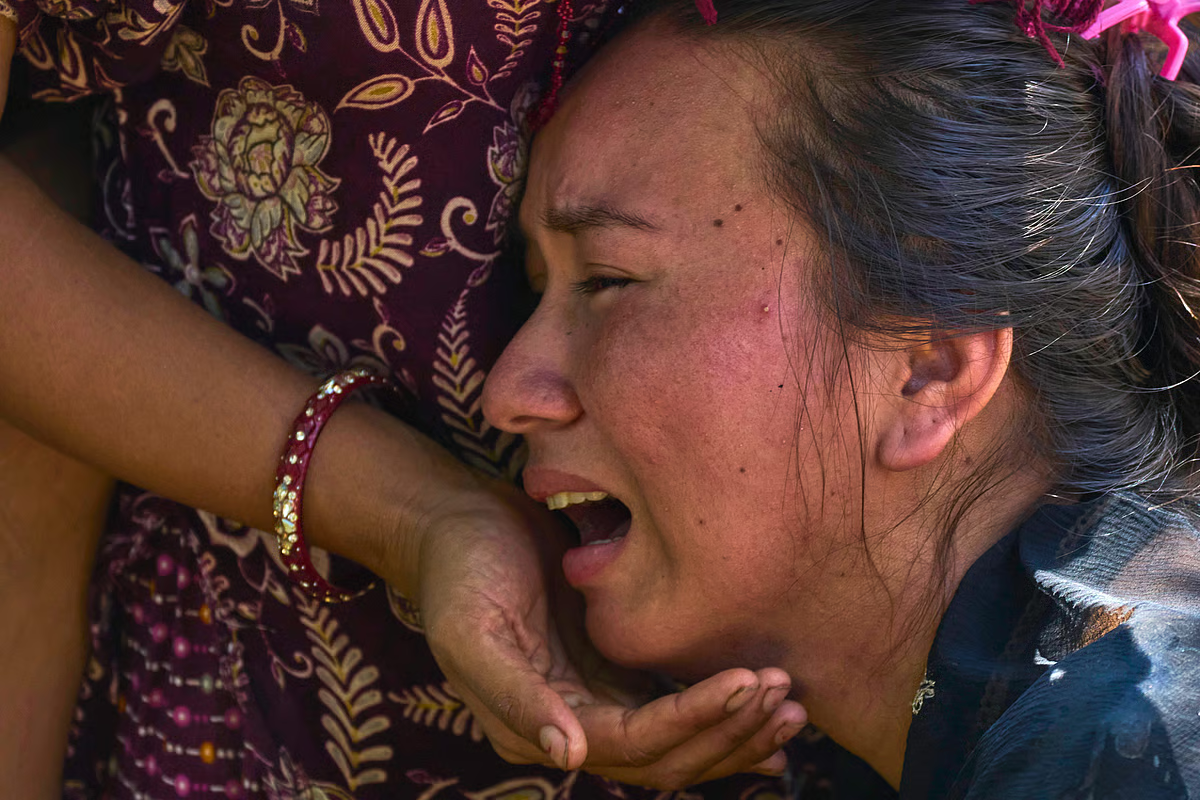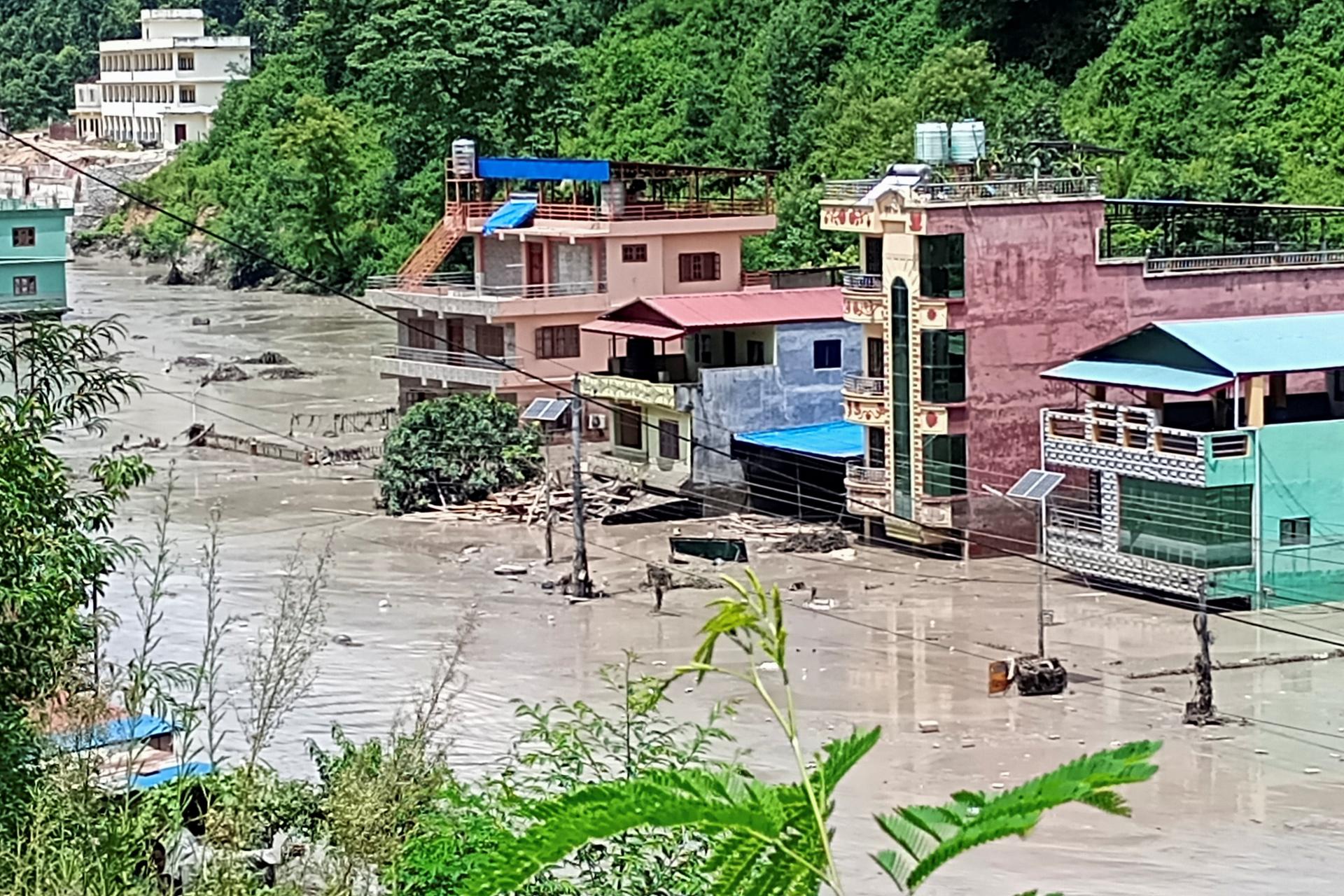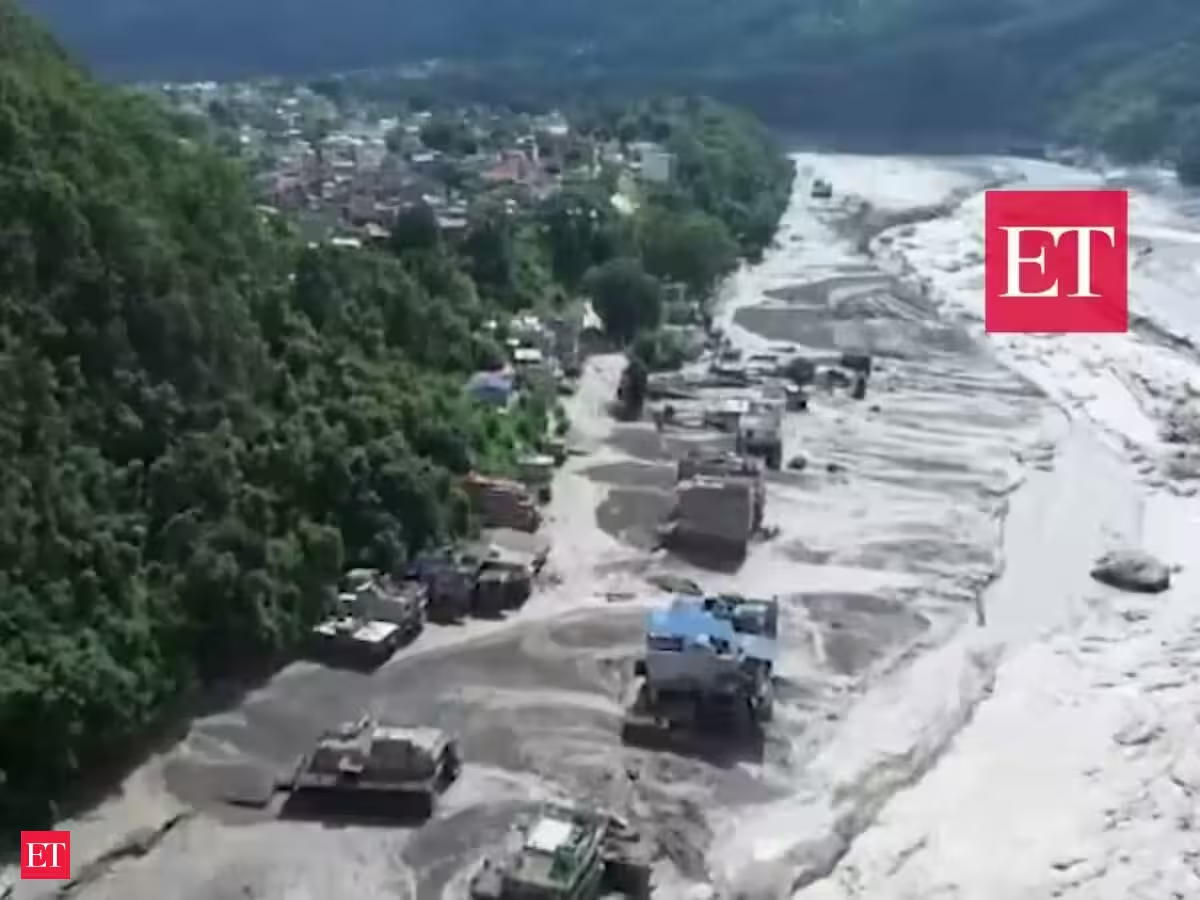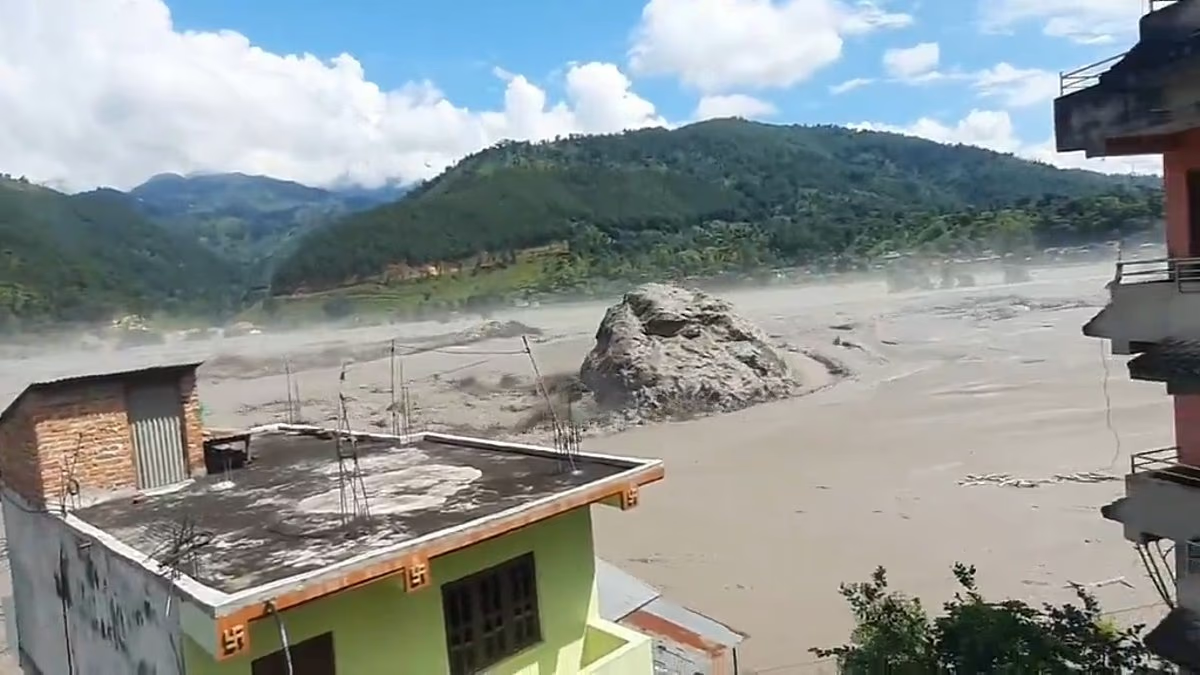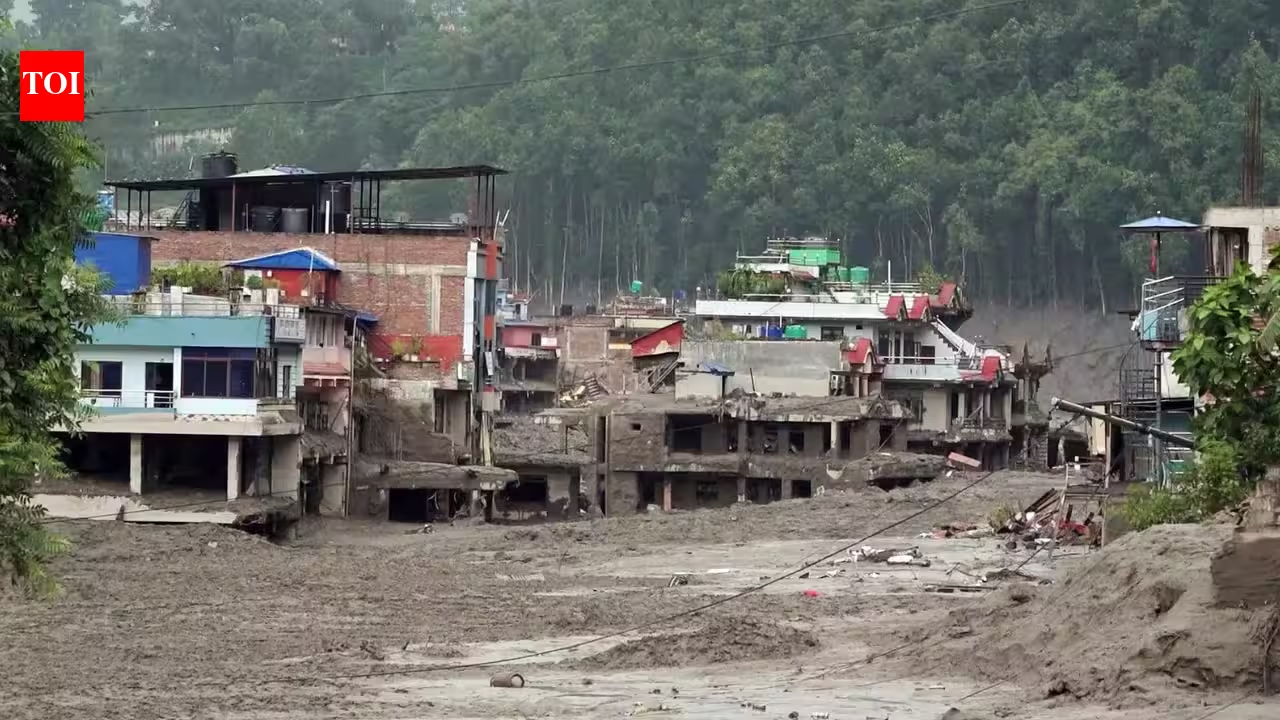
What triggered the disaster and could more danger follow?A catastrophic flood swept through Nepal’s Rasuwa district on Wednesday, killing and displacing hundreds of people and destroying bridges and other infrastructure along the Bhotekoshi river corridor.The death toll from the massive flash floods has risen to at least 353, police said.Bodies have since been recovered from Rasuwa and neighbouring districts, including Nuwakot, Dhading, Chitwan, Tanahun, Gorkha and Nawalparasi East, as scientists and climate experts investigate the cause of the sudden torrent.What caused the catastrophe?Scientists investigating the cause of the flash floods believe a glacier-related avalanche may have triggered the sudden surge of water.Analysis of satellite imagery indicates that a large mass of ice and rock may have fallen into a river, temporarily blocking its flow and creating a natural dam that later breached, sending floodwaters downstream, as cited by the Kathmandu Post.The US Geological Survey recorded a magnitude 4.4 earthquake in Tibet at 8.37 am Nepal time on Wednesday, around 47 kilometres north of Gosainkunda. Scientists have not yet determined whether the tremor triggered or contributed to the avalanche.The Nepali Times reported that an avalanche struck the northern face of Langtang Lirung, a 7,245-metre peak. The mountain was also involved in a major avalanche during the 2015 earthquake, when a slide on its southern face buried Langtang village and killed around 300 people.Experts from the Kathmandu-based International Centre for Integrated Mountain Development said water levels in the Trishuli river rose by as much as nine metres within 30 minutes.The Lhende Khola, a tributary of the Bhotekoshi, was the worst affected, they said, as reported by the Kathmandu Post.The area was already considered vulnerable to sudden flooding. On July 8 last year, the Bhotekoshi river recorded another abrupt surge, which Nepal’s Department of Hydrology and Meteorology attributed to a glacial lake outburst in the Lhende river near the Nepal-China border.Scientists have previously warned that the wider Himalayan region is home to numerous potentially dangerous glacial lakes.However, there had been no specific warning or forecast of an ice-and-rock avalanche at the location affected by Wednesday’s disaster.What happens nextScientists have not ruled out the possibility of further flooding or other hazards in the affected area.Home minister Sudan Gurung said on Wednesday afternoon that the Lhende river had not yet fully cleared.Rijan Bhakta Kayastha, a climate researcher and professor at Kathmandu University, said on Thursday that there had initially been concerns that another large body of water could have formed upstream.However, he said there was not yet enough evidence to confirm the existence of such a lake.
Nepal floods: What caused the catastrophe, and what could happen next
A catastrophic flood swept through Nepal’s Rasuwa district on Wednesday, killing and displacing hundreds of people and destroying bridges and other infrastructure along the Bhotekoshi river corridor.
422 words~2 min read