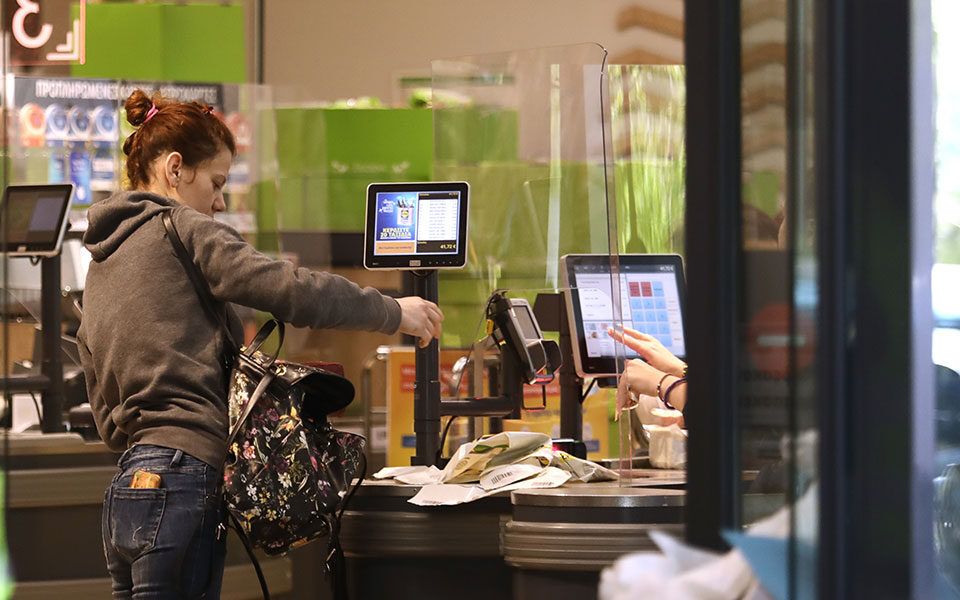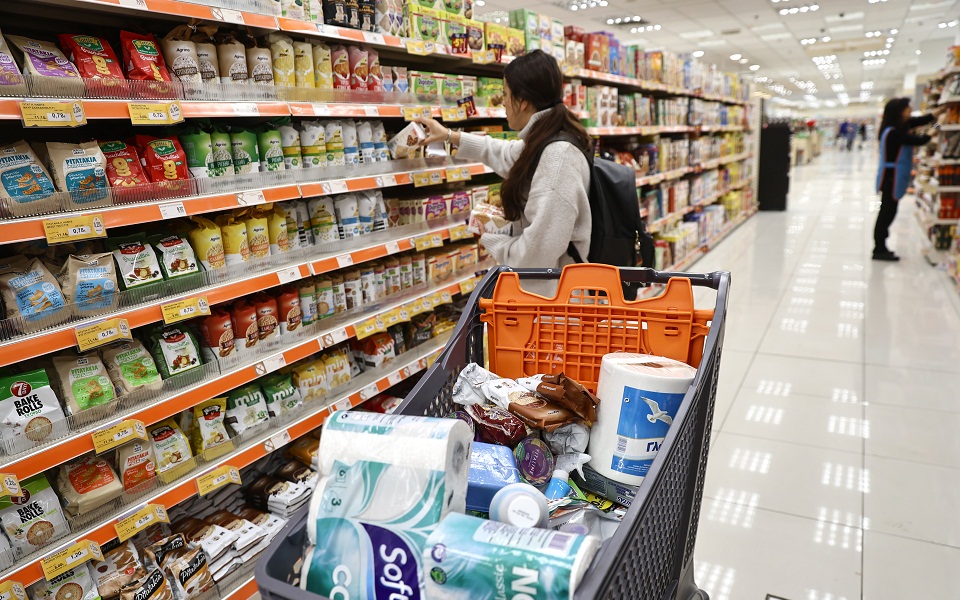
Persistent inflation may be the number one worry for households, but it is also one of the main boosters of state revenue.
In the first seven months of 2026, revenue from Value Added Tax reached €17.74 billion. Even if some one-off items are excluded, it still overshot the target set in the annual budget by €739 million. As the number of visitors – at least in the peak months – is stable relative to last year, the significant increase in revenue cannot be attributed to tourism this time, at least not volume.
Rising prices have contributed decisively to the higher VAT revenue. The more expensive the goods consumers buy, the more tax revenue ends up in public coffers. But this is also a reflection of the pressure households are under: The high prices in foods, energy, services and basic everyday spending impact the cost of living and limit disposable income. Nonetheless, households continue to consume at about the same pace: they just pay more to cover basic needs.
According to data published by the State General Accounting Office, the primary surplus – which excludes servicing the country’s debt – reached €5.77 billion on a modified cash basis in the first seven months of 2026, against a target of €4.41 billion. This overshooting of the target by €1.35 billion is significant, but the overall primary surplus still trails the €7.93 billion recorded in the first seven months of 2025.