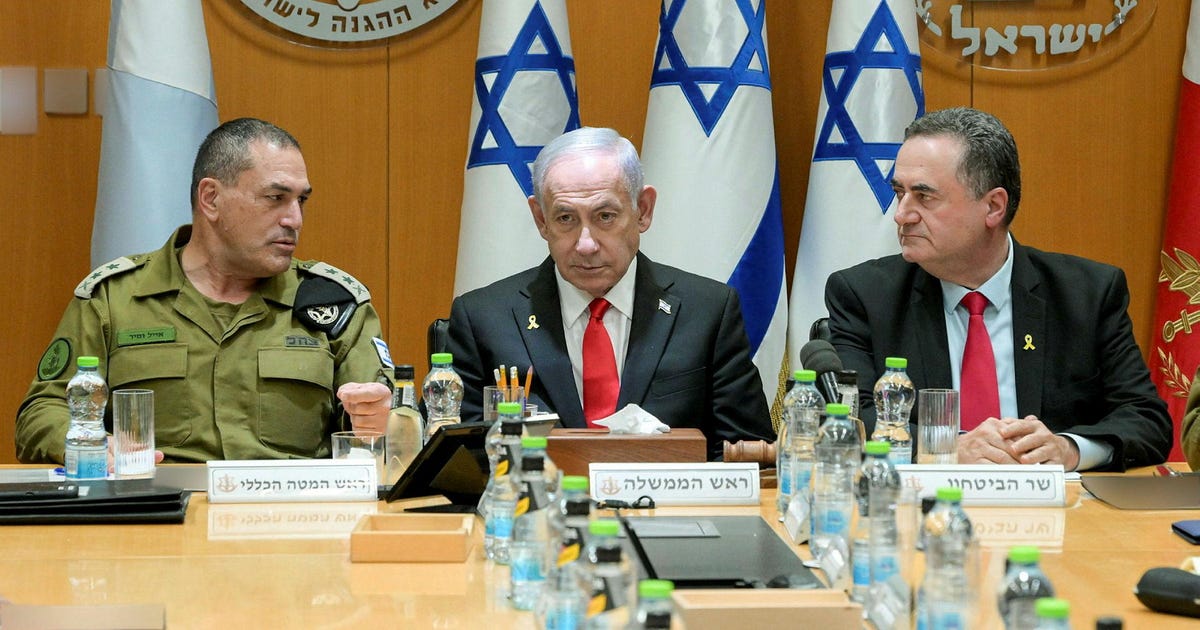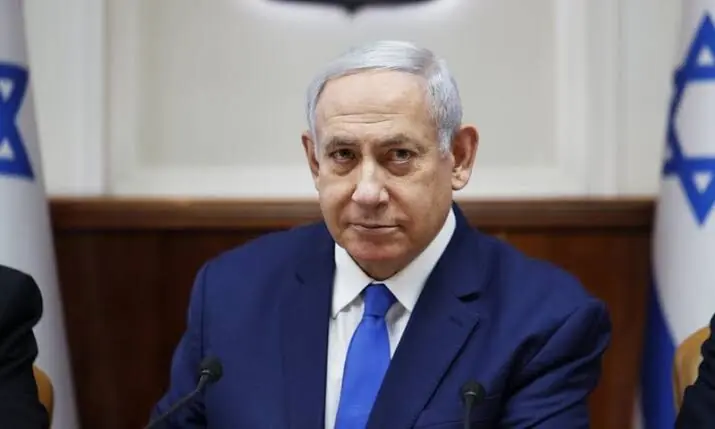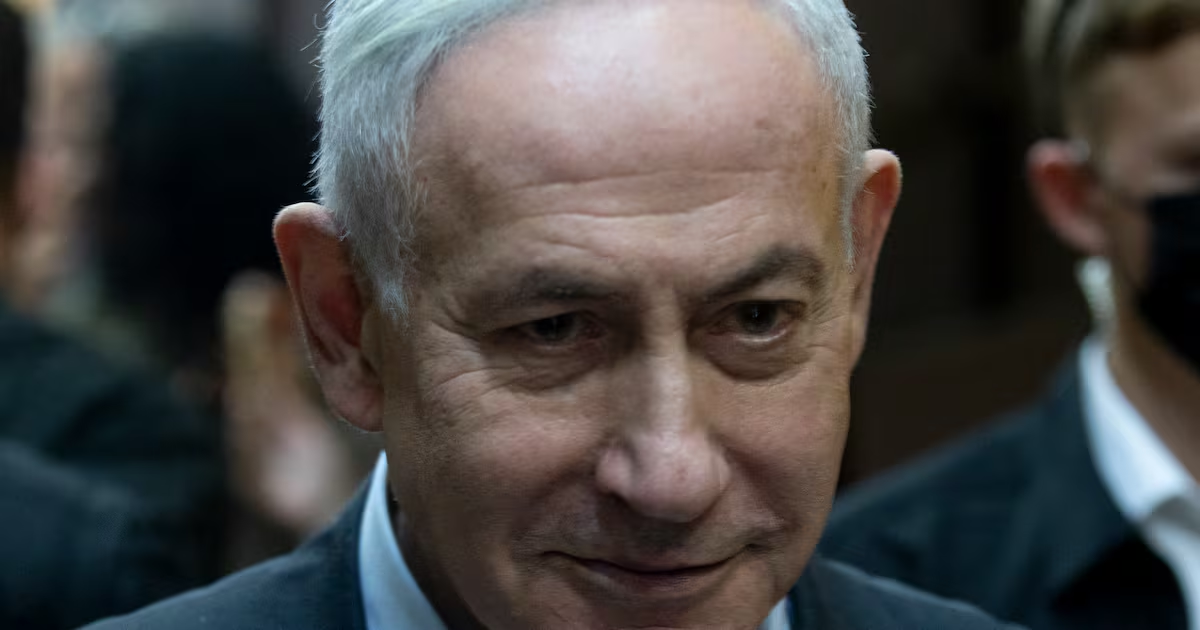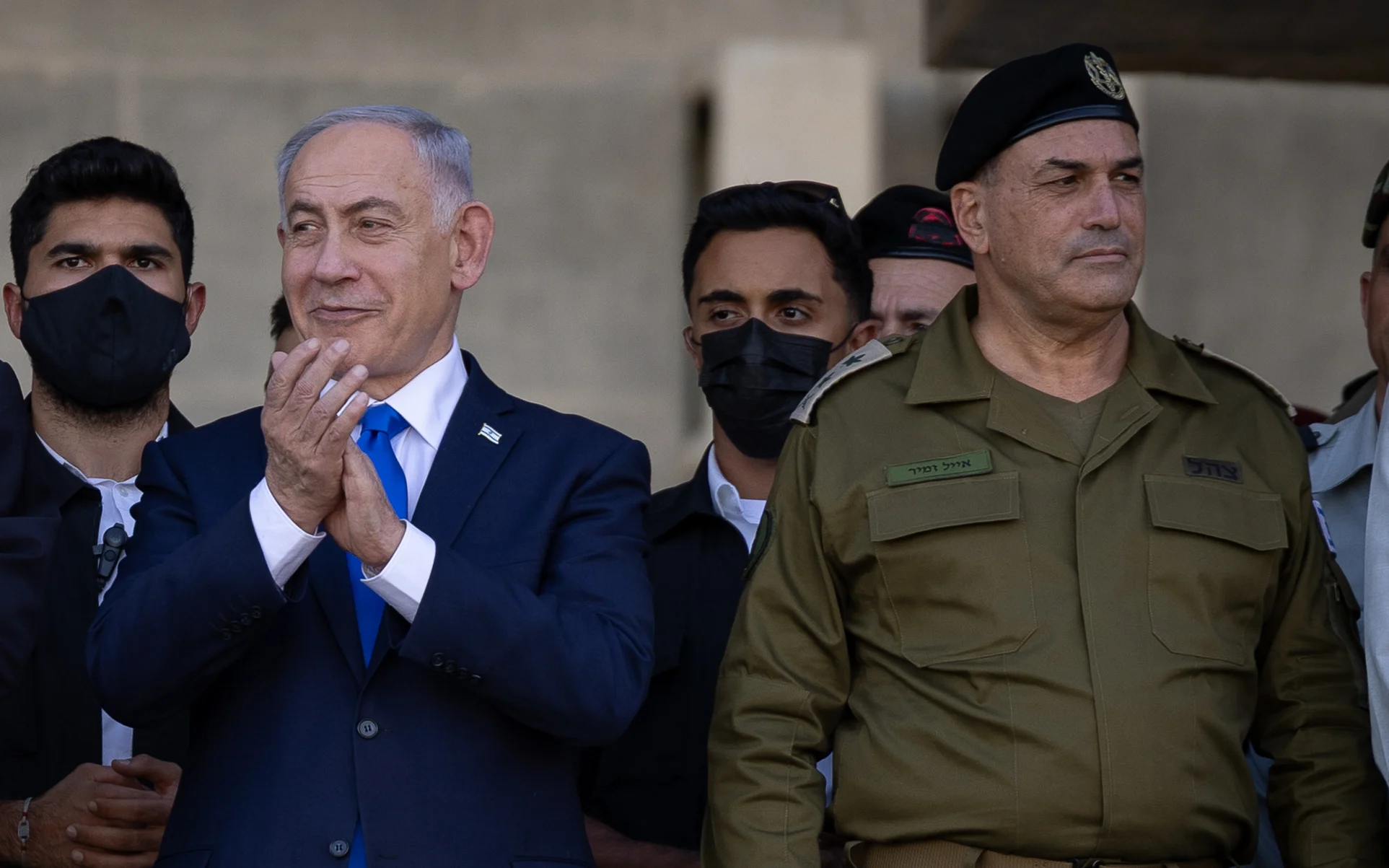
Benjamin Netanyahu has served as prime minister for a total of nearly 20 years across three decades. He knows Israel’s diplomatic and security schedule inside out: cabinet meetings take place on Sunday mornings, the IDF chief of staff regularly attends the army’s General Staff Forum on Mondays, and on Thursdays, the prime minister makes time for his weekly situation assessment with the military chief and the defense minister.
That weekly situation assessment includes a regular briefing known as the “intelligence and sorties” discussion. This is essentially a code name for approving military operations for the coming week, some of which require the prime minister’s direct authorization.
Why is it important to outline the weekly schedule of Israel’s political and security leadership? Because it explains the ambush the prime minister laid for the chief of staff this past Monday.
That morning, IDF Chief of Staff Eyal Zamir was preparing for the weekly General Staff meeting in his Tel Aviv office. At 10 a.m., Zamir’s office received sudden word that the prime minister would arrive at noon for a situation assessment at Central Command, the military headquarters in northern Jerusalem responsible for the West Bank. It was a meeting called with zero notice and under no operational urgency whatsoever.