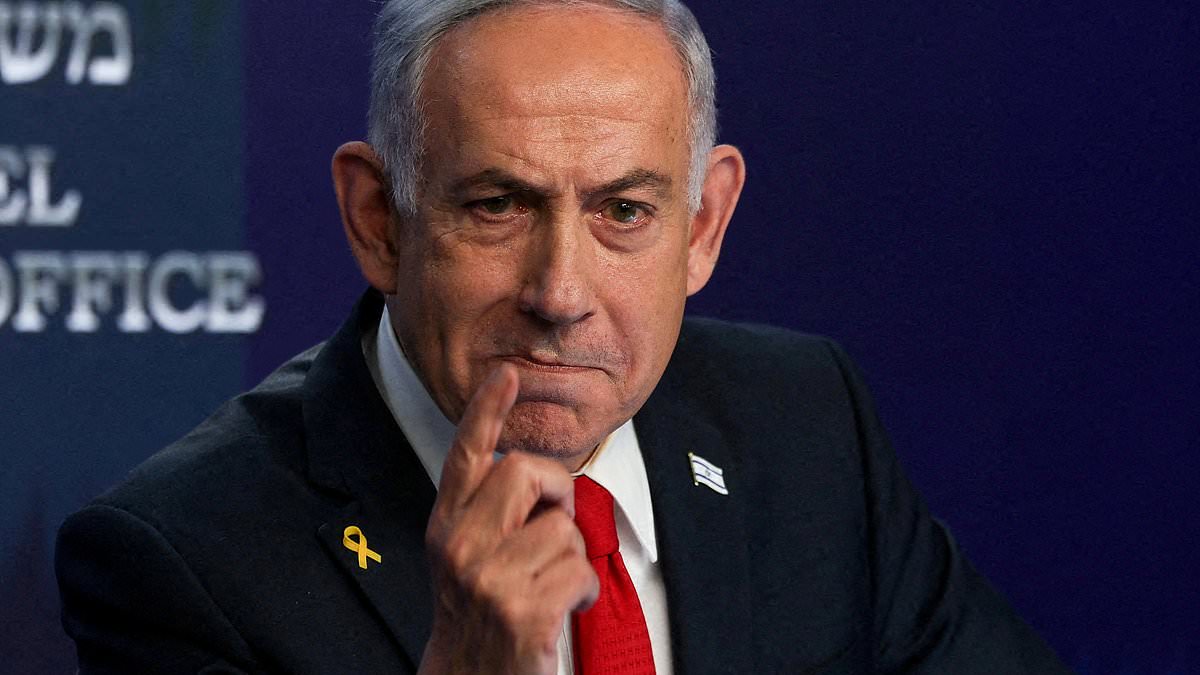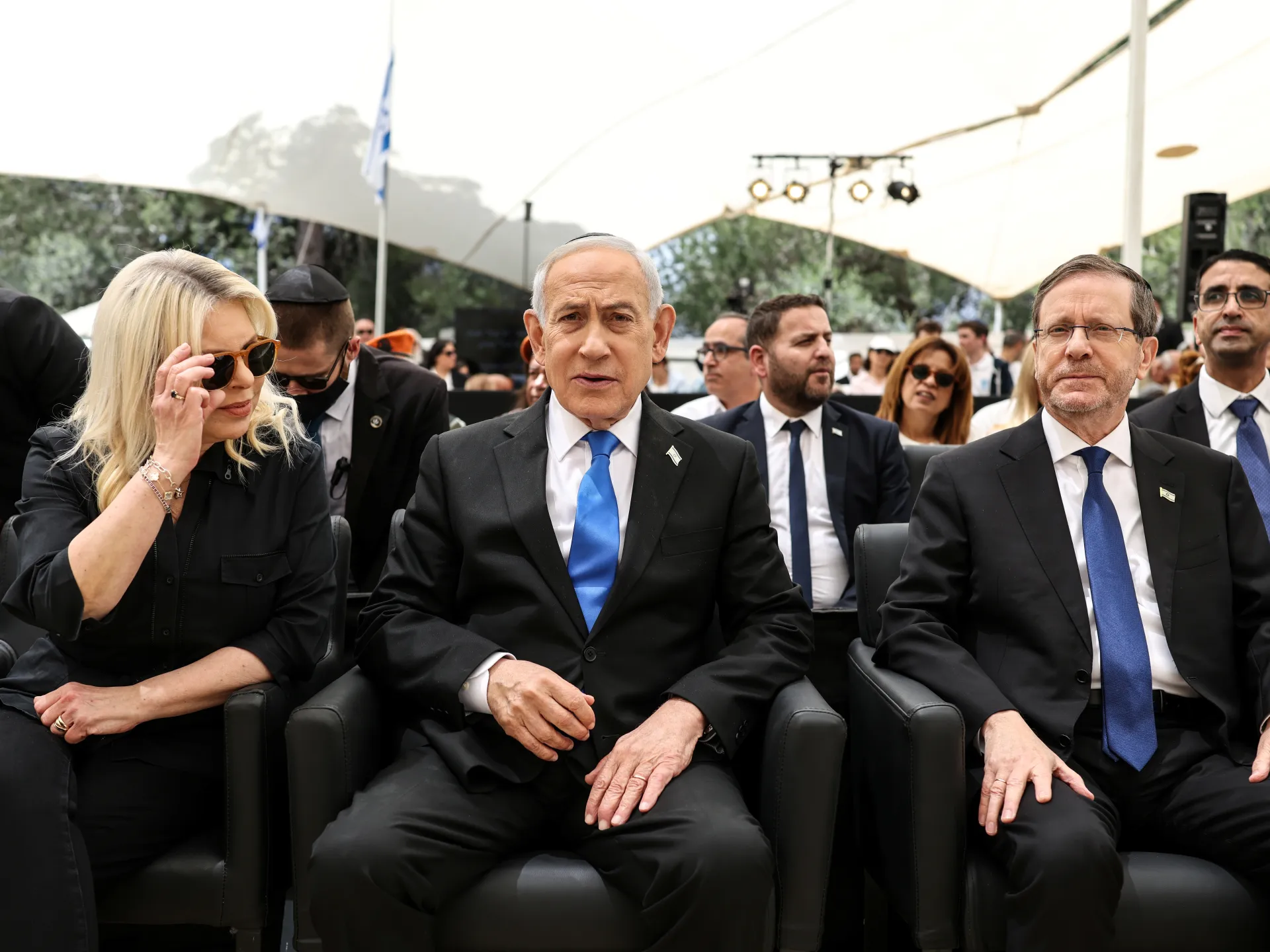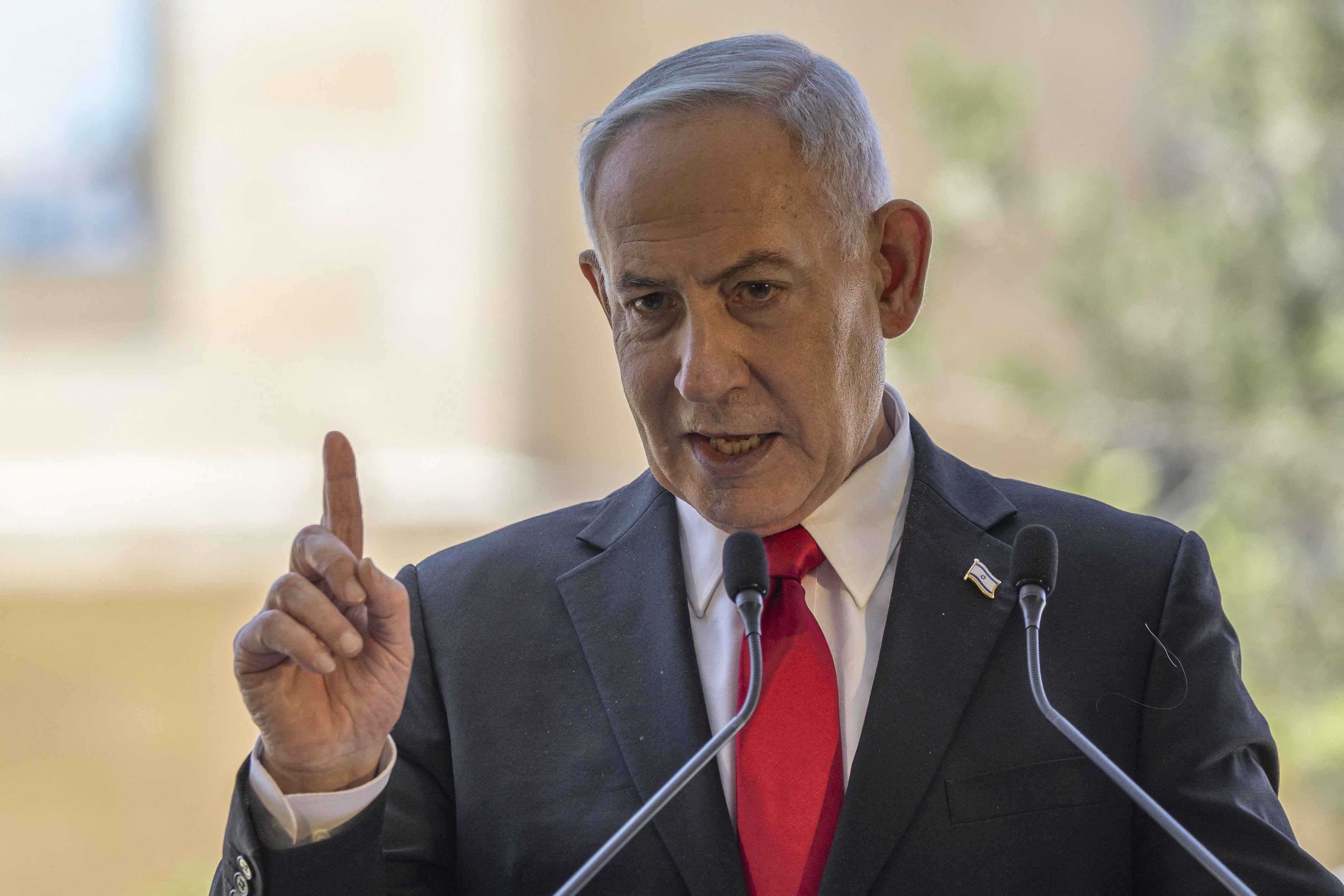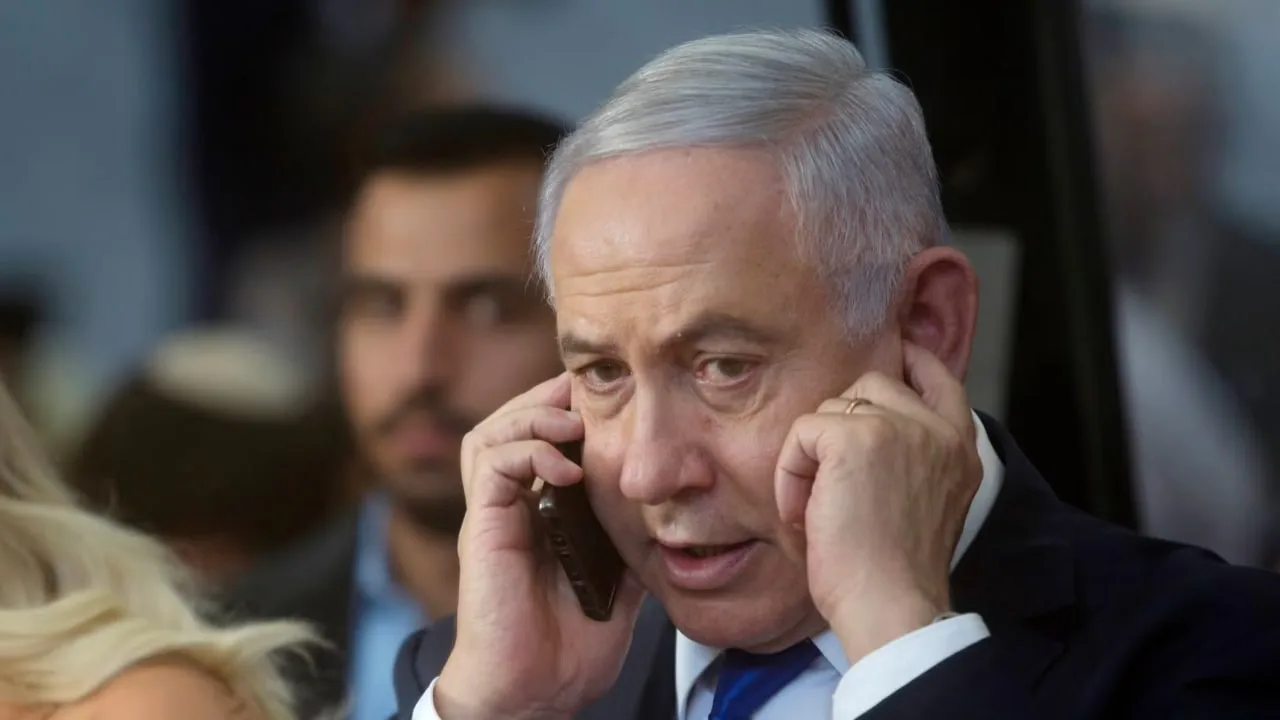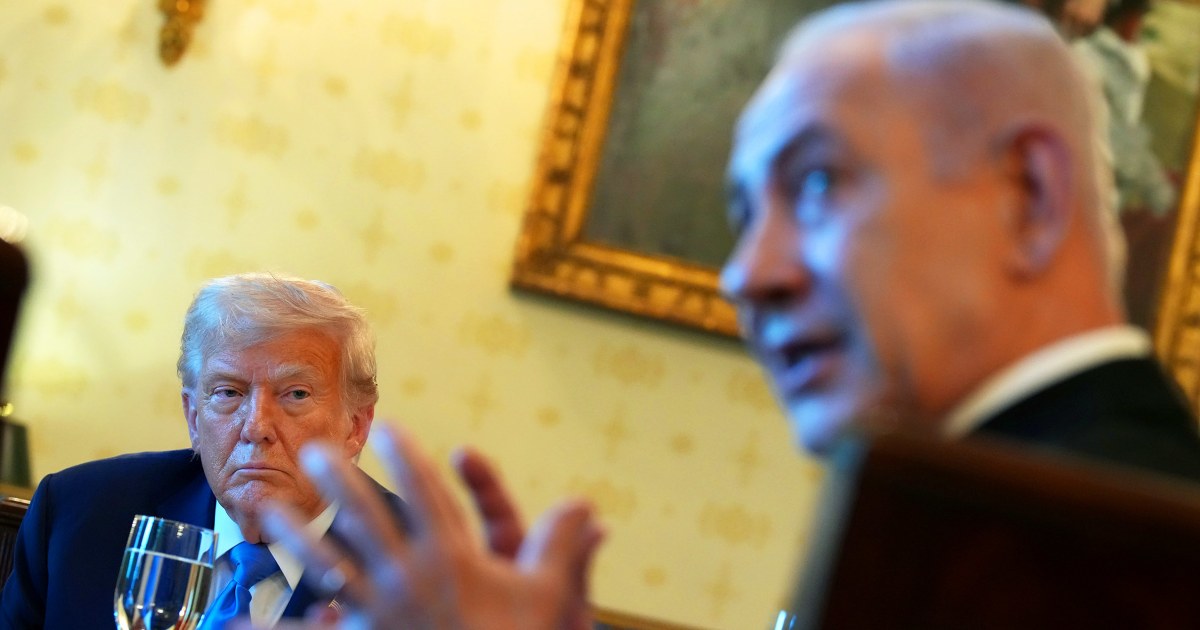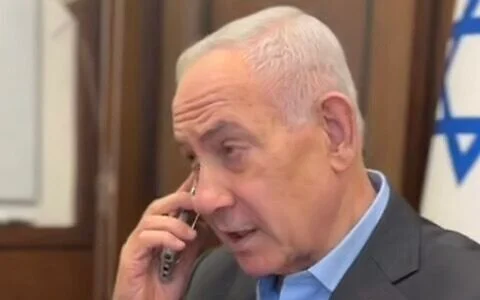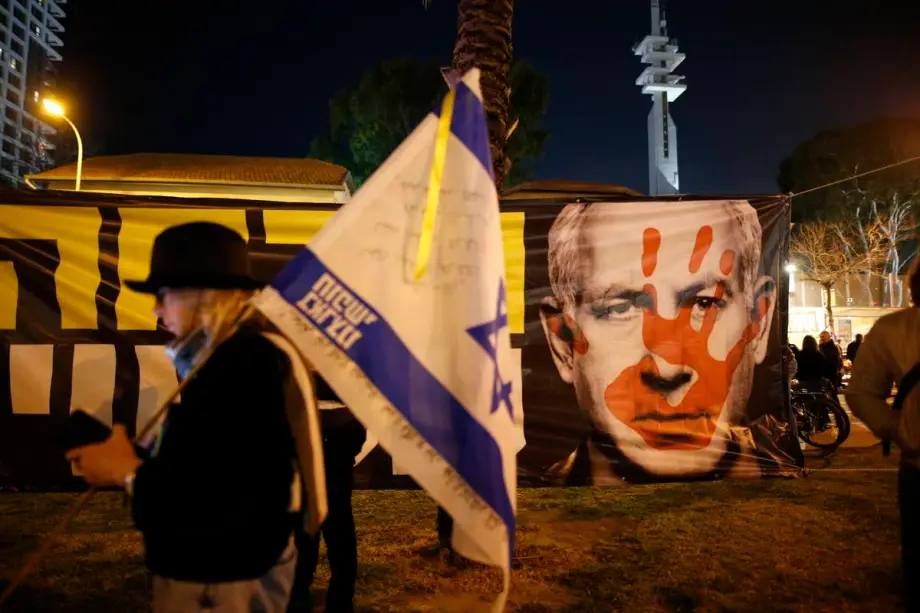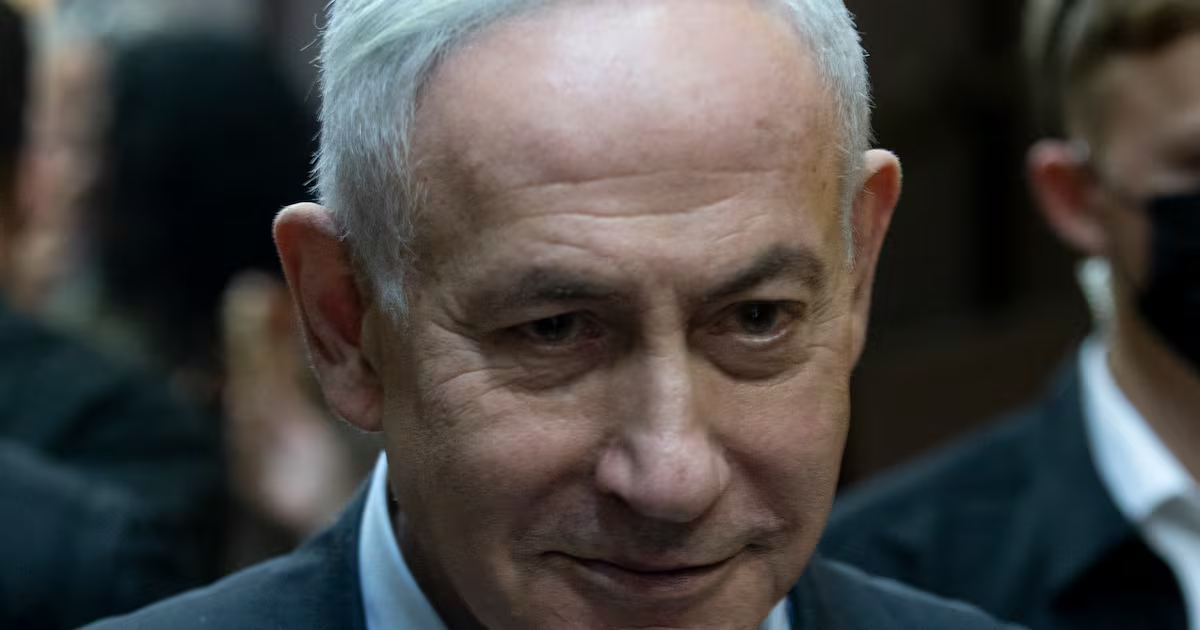
Good morning. This is the London Correspondent, Mark Paul, standing in for Denis Staunton while he is away.It seems as if almost every time Israel’s prime minister, Binyamin Netanyahu, has contested an election since his 2019 bribery indictment, it was said that he was in the fight of his political life. As Israel heads to the polls on October 27th, that is truer than ever. Netanyahu’s Likud is well behind in the polls, even Donald Trump’s US is tiring of his antics and a change of government could herald a commission of inquiry into the glaring Israeli security failures that were exploited by Hamas for the October 7th attacks. As his country’s leader then and now, Netanyahu may have much to fear from such an inquiry: for his reputation as a hardline protector of his country’s security, for his political legacy and potentially more. Also, the bribery allegations may dog him again.Yet he has been counted out many times before and still survived. As he fights a desperate rearguard battle to salvage his position in October’s election, Netanyahu is, to use the words of former Trump adviser Steve Bannon, “flooding the zone”.Recently, Netanyahu was roundly criticised for posting on social media an AI-generated video of his main rival for the prime minister role, a former Israel Defense Forces chief of staff and retired four-star general, the seemingly more moderate Gadi Eisenkot.Eisenkot’s Yashar party may also struggle to win a majority. Netanyahu is busy stoking fears among Jewish voters that if Eisenkot’s bloc ends up the biggest, it may need support from Israel’s Arab parties to govern.The video showed Eisenkot, whose son was killed during the war in Gaza, running with a gormless smile through a verdant flower meadow. His arms outstretched, he seems set to run into the embrace of a man wearing a T-shirt that says “Israeli unity”. Instead, he pivots to hug Mansour Abbas, leader of the Ra’am party of Arabs.The dreamlike video sequence was controversial because critics of Netanyahu said the spurned young man in the T-shirt very closely resembled Eisenkot’s son. David Horowitz, former editor of the right-leaning Jerusalem Post, wrote that Netanyahu had “plumbed new depths” by suggesting Eisenkot would somehow politically betray his dead son.In recent days, Netanyahu’s latest gimmick has been to publish on social media what he insists is his personal phone number. “I want to hear what’s troubling you,” he tells Israeli voters, although he concedes he “can’t promise I’ll answer everyone”.Last week, Israel bombed targets in Syria, leading even Trump’s envoy to the country, Tom Barrack (who is also the US ambassador to Turkey), to suggest the attack was an electioneering stunt by Netanyahu.Israel’s prime minister has suggested in recent days that Eisenkot would usher in a “fascist regime”, while at the same time, Netanyahu’s coalition partner, Israeli security minister Itamar Ben-Gvir, grabbed headlines by proclaiming he would build viewing galleries for the Israeli public in hanging gallows for Palestinians.The magic number for a majority of Israel’s 120-seat Knesset is 61. An average of the latest polls published in recent days in the Economist suggests that Netanyahu’s coalition may only be able to muster about 53, while the opposition, including Arab-Israeli (or Palestinian citizens of Israel) parties, could win 67.However, strip out the Arab parties (some of the opposition have said they would not join a coalition with them), and a Yashar-led government with Eisenkot as prime minister might only win 56 or 57 seats.Some of the most consequential governments in Israeli history have governed with minority administrations. For example, assassinated former premier Yitzhak Rabin led the minority government that passed the Oslo peace accords with the Palestinians, as well as the peace deal with Jordan.October 27th and its aftermath could be yet another defining period for Israeli politics, and for Netanyahu.Please let me know what you think and send me your comments, thoughts or suggestions for topics you would like to see covered to denis.globalbriefing@irishtimes.com
Netanyahu fights for his political life
A desperate Israeli prime minister gives his personal phone number to Israelis ahead of October elections
656 words~3 min read