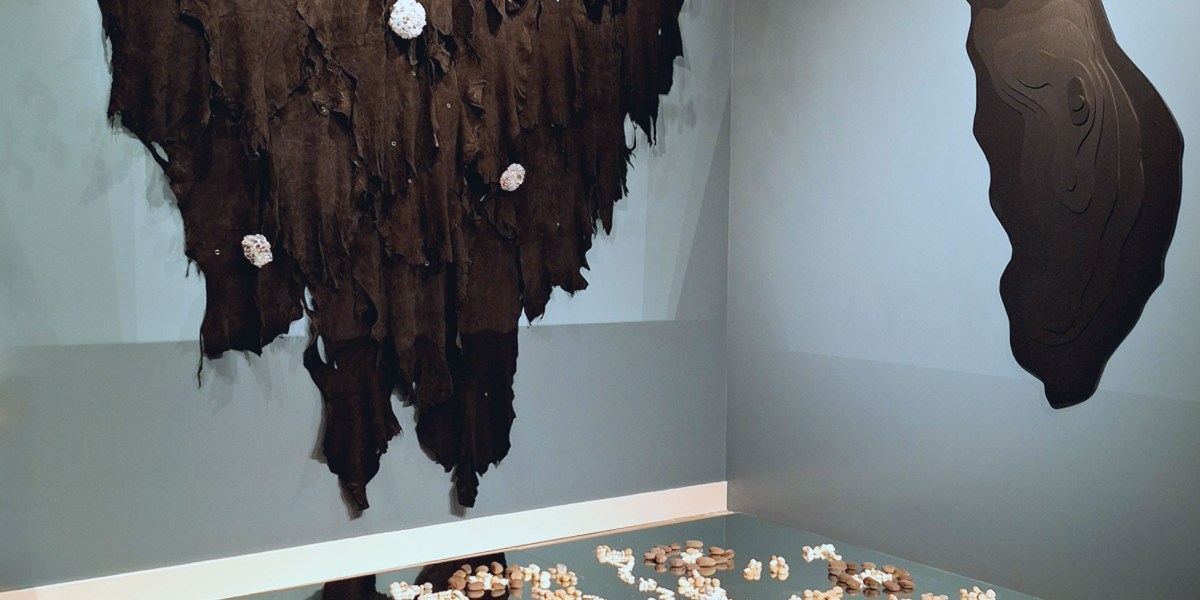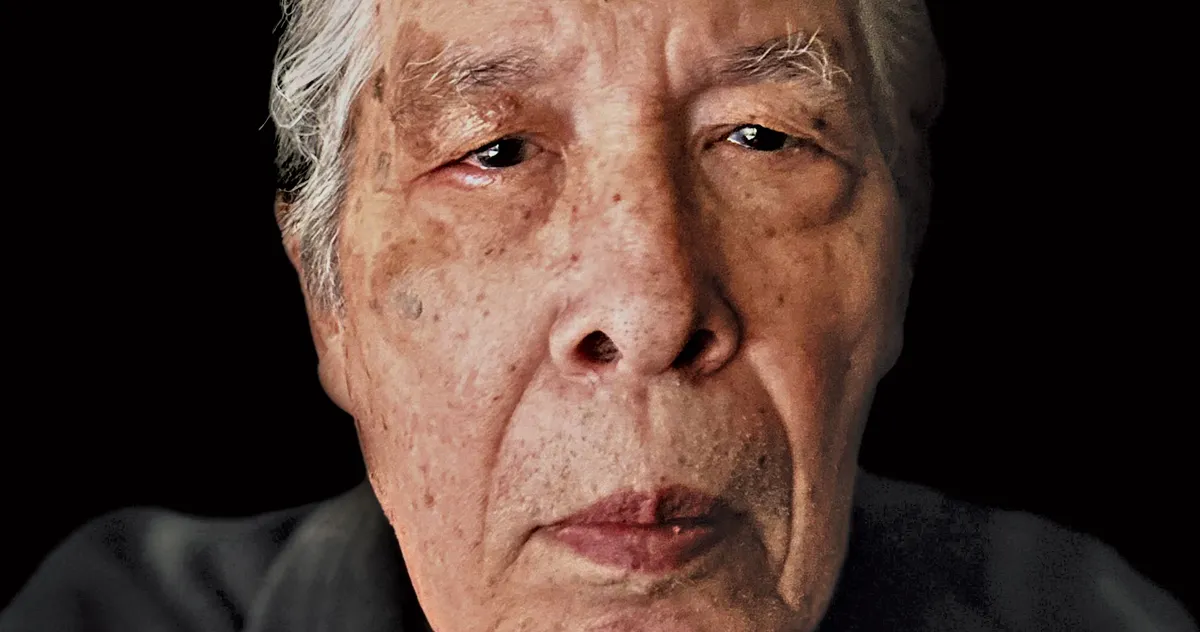
A self-portrait from 2025.
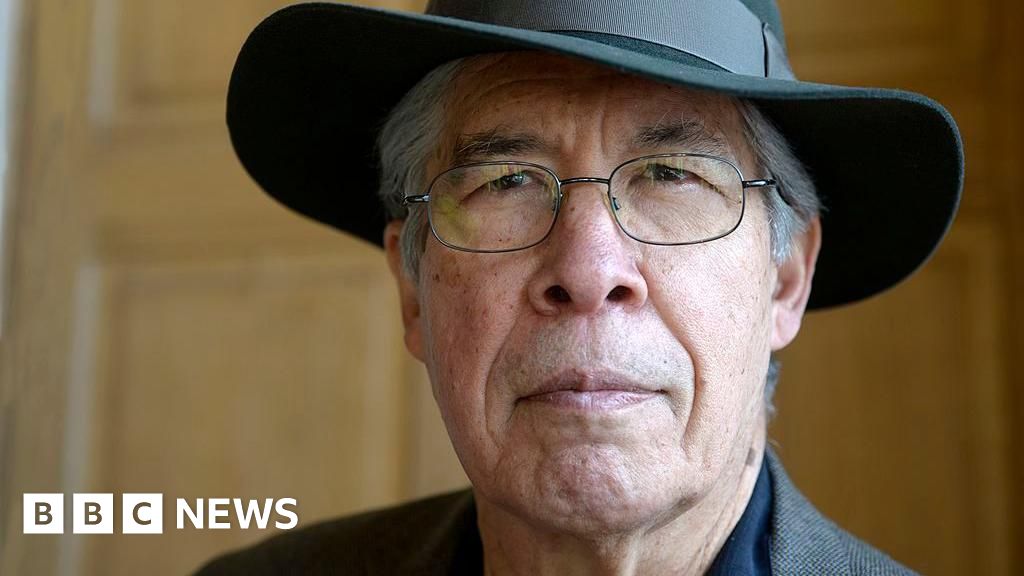
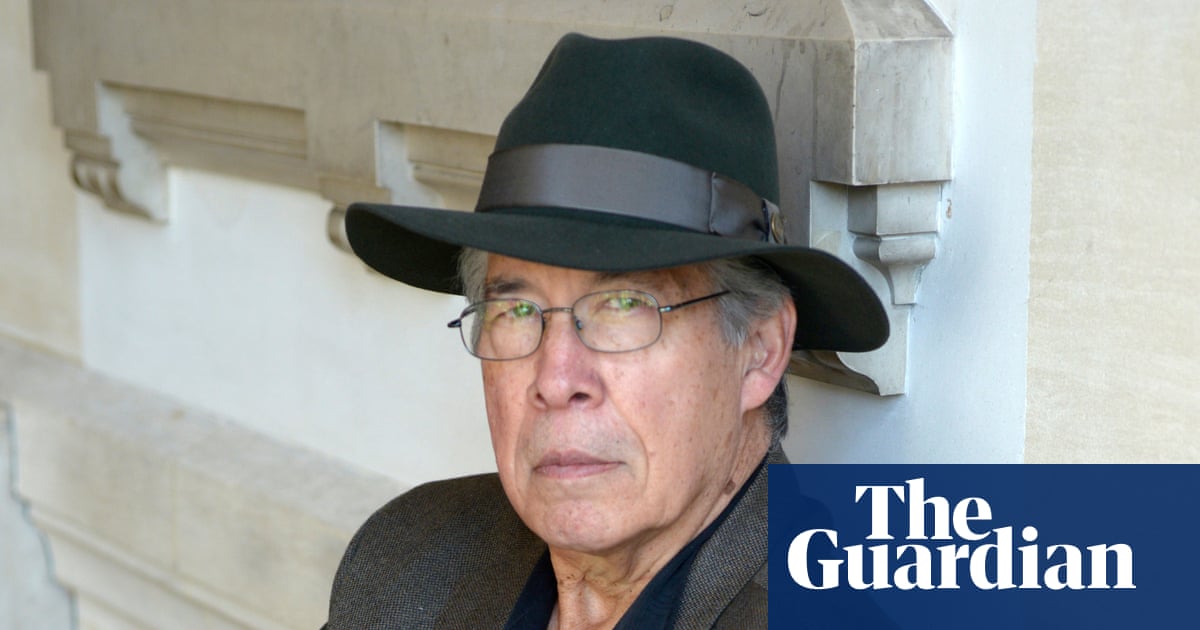
The writer Thomas King and I first met over Zoom in early February to talk about how he found out he is not a member of the Cherokee Nation in any way, shape, or form. He’s not an Indigenous person or a mixed-blood Native either, according to a genealogist from the organization Tribal Alliance Against Frauds (also known as TAAF, pronounced like the word gaffe, as in a blunder). TAAF’s revelation, which it planned to publicize, prompted King to write an op-ed this past November in The Globe and Mail, where he recounted learning that a story his mother had told about his absentee father being part Cherokee is not true. “I feel as though I’ve been ripped in half, a one-legged man in a two-legged story,” he wrote. “Not the Indian I had in mind. Not an Indian at all.”
He’s since taken three DNA tests, two of which show no Indigenous ancestry whatsoever. (The third was lost in customs, he said.) A genealogist King personally hired, whose last name — incredibly — is Hoax, also concluded King has no Native heritage.
King is 83 years old, which can mean a lot of different things, physically and cognitively, and through Zoom it can be hard to tell sometimes what’s going on with the person on the other side of the screen. In the Native world, if you make it to 83, you’ve more than defied the odds. The average life expectancy of a Native man in the U.S. is lower than that of men in any other racial group. A Native man is disproportionately more likely to experience health problems like heart disease, addiction, and countless other things people who have been put through it inherit from people who have been put through it before them. But King is not actually a Native man.