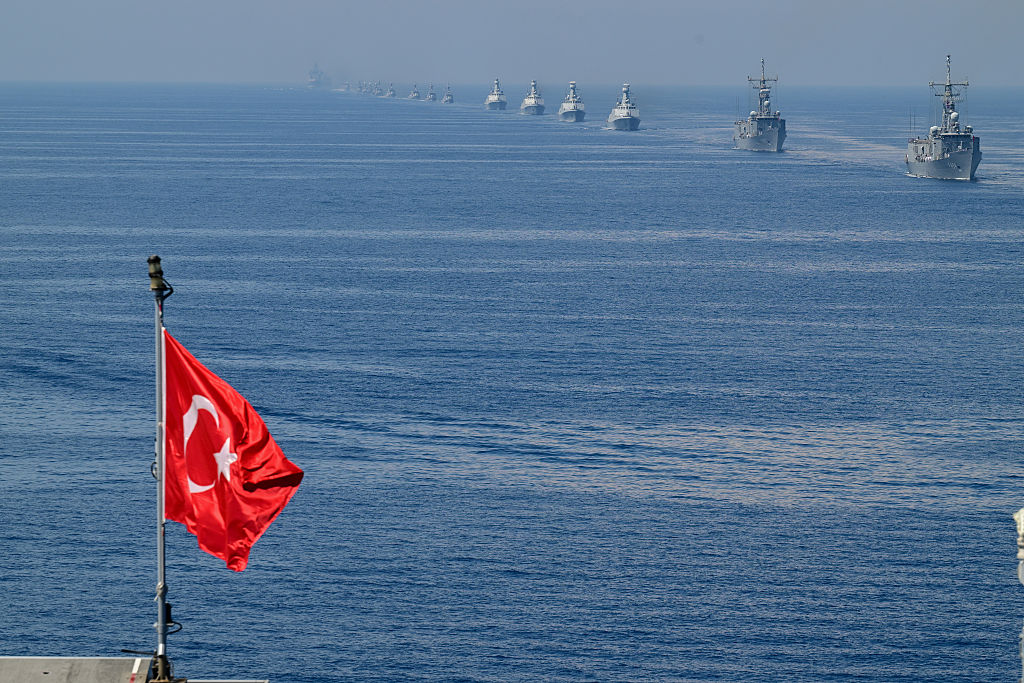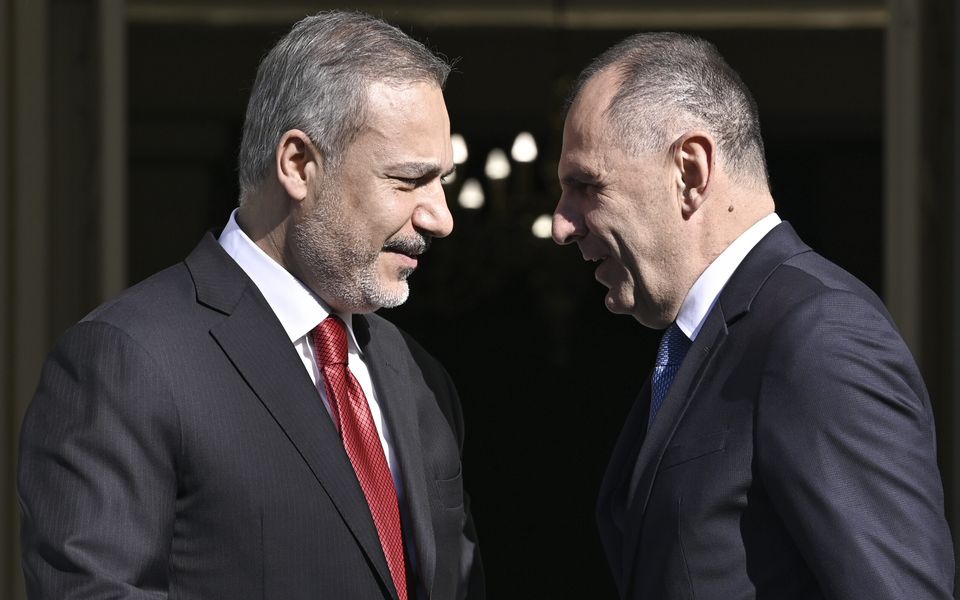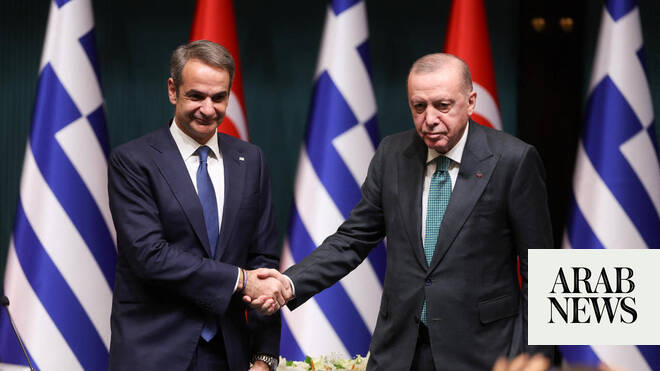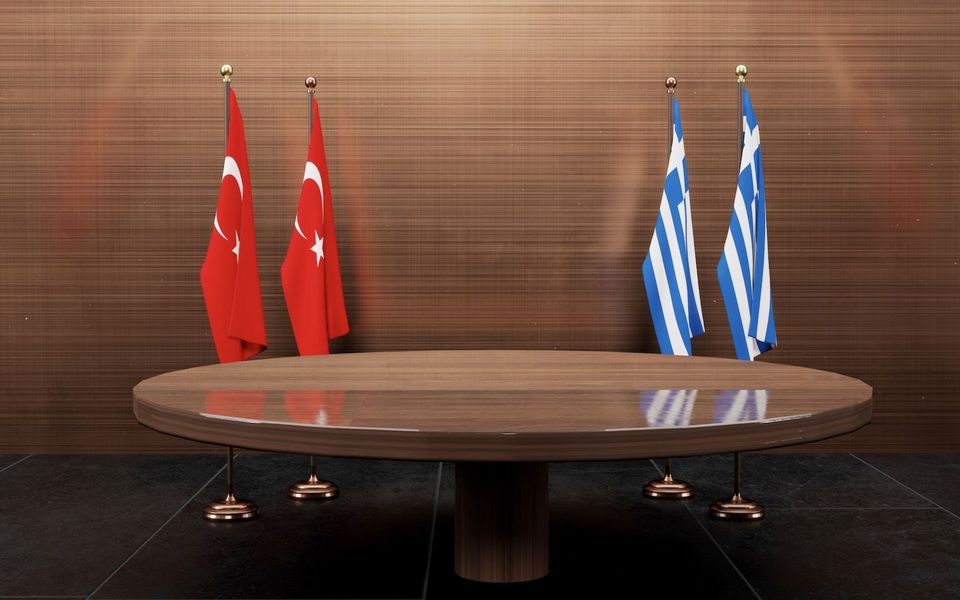
Greek-Turkish relations have entered a new phase, quite far from the spirit of the 2023 Athens Declaration. The underlying tension has been creeping for some time, as the period of “calm waters” was used by the two countries to boost their strength on various levels – to some extent also against each other – than to hold substantive discussions on a possible settlement of bilateral differences. The lack of progress and the inability or unwillingness to establish an institutionalized process for dialogue have contributed to mutual suspicion.
Consequently, the gap between the two sides began to widen from the moment Greece began to exercise its rights derived from the Law of the Sea, with Turkey considering that it had to respond to these moves to demonstrate, on the one hand, that the “gray zones” in the Aegean are defensible and, on the other hand, to keep the “Blue Homeland” doctrine active. It was therefore expected that Ankara would respond by establishing its own marine parks – but it hastily extended them beyond its territorial waters, which it shouldn’t have.
In addition, Turkey is concerned about the political convergence between Greece, Cyprus and Israel, which it considers to be at its expense, while it’s important to note that its confrontation with the latter has many dimensions, and is not only a matter of leadership, nor of the current electoral cycle in the two countries. What separates Tel Aviv and Ankara is deeper and, in fact, a significant part of Israel’s political and military elite sees Turkey as the new Iran – not only a competitive country, but also a threat to its security.