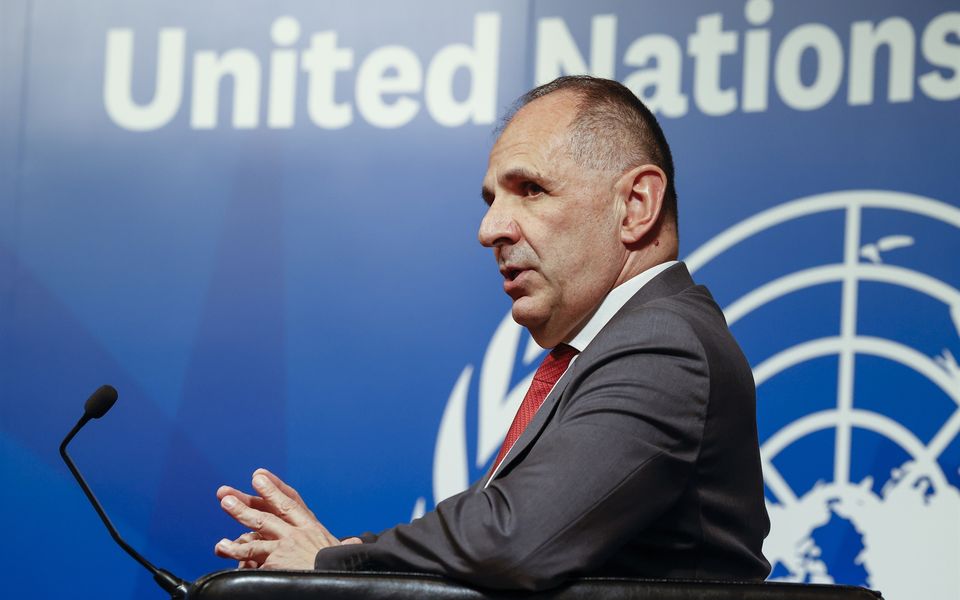
Greek Foreign Minister George Gerapetritis speaks during ‘The New Multipolar International Order’ conference at the United Nations University in Tokyo, on July 15. [Rodrigo Reyes Marin/EPA]
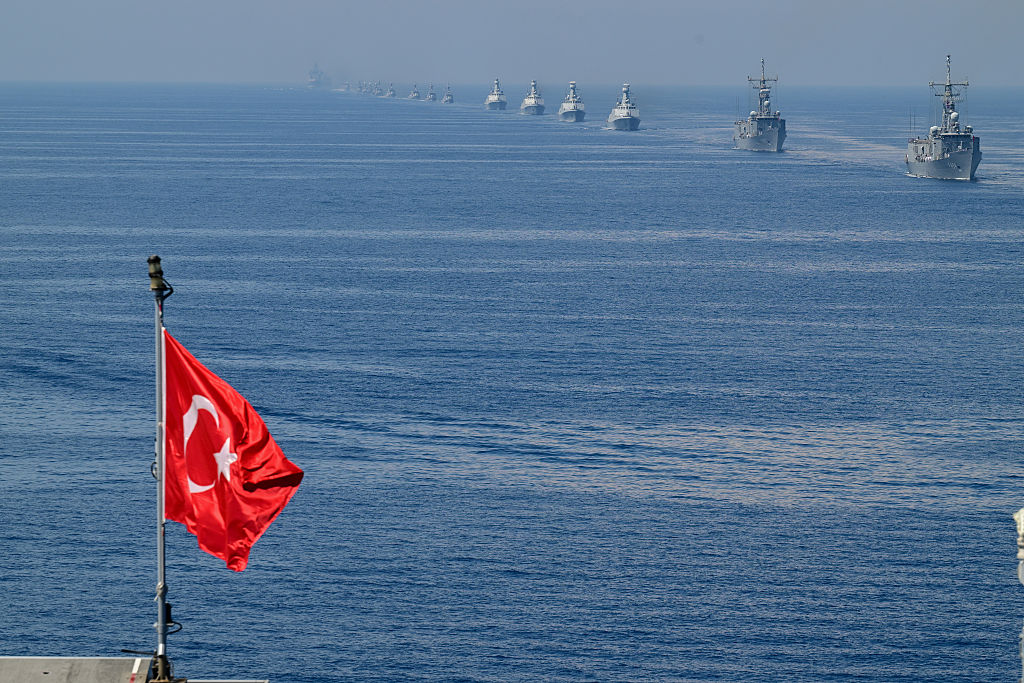
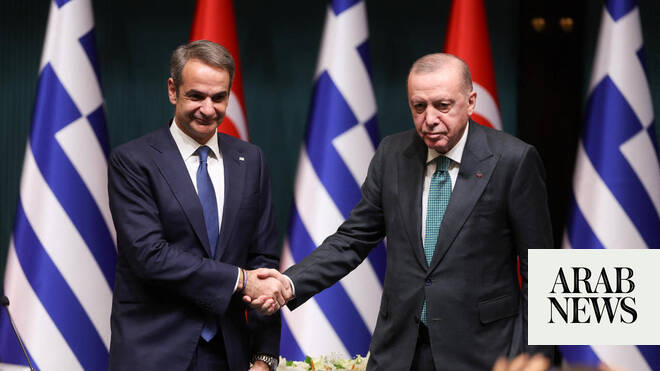
The end of the 2026 summer sees Greece dealing with old and new regional challenges. Greek-Turkish relations enter a phase where diachronic disagreements are not left aside but rather displayed in the field. The designation by Turkey of two marine parks in the North-East Aegean and the Eastern Mediterranean and preparations to allegedly codify the “Blue Homeland” doctrine in law require serious thinking about future repercussions.
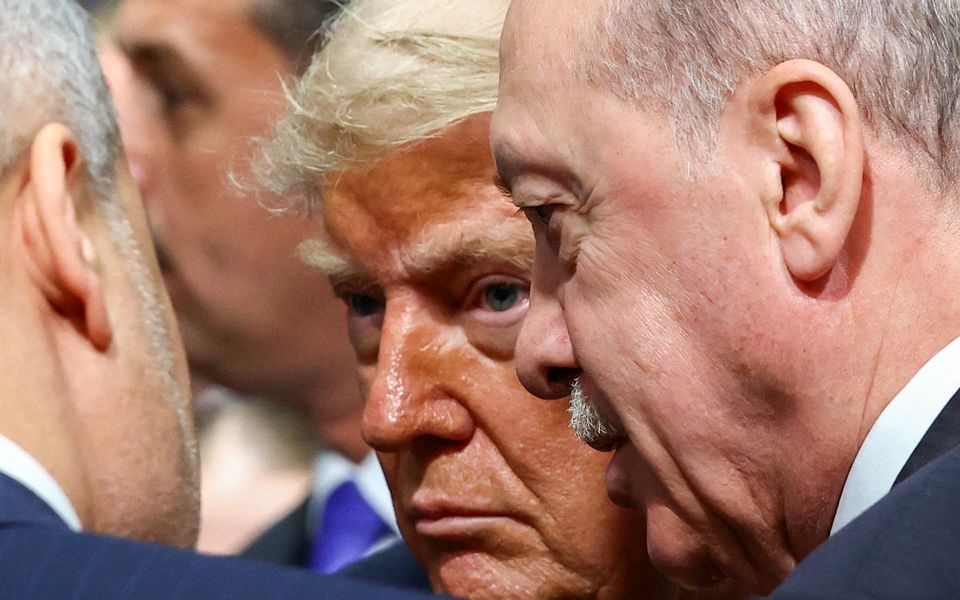
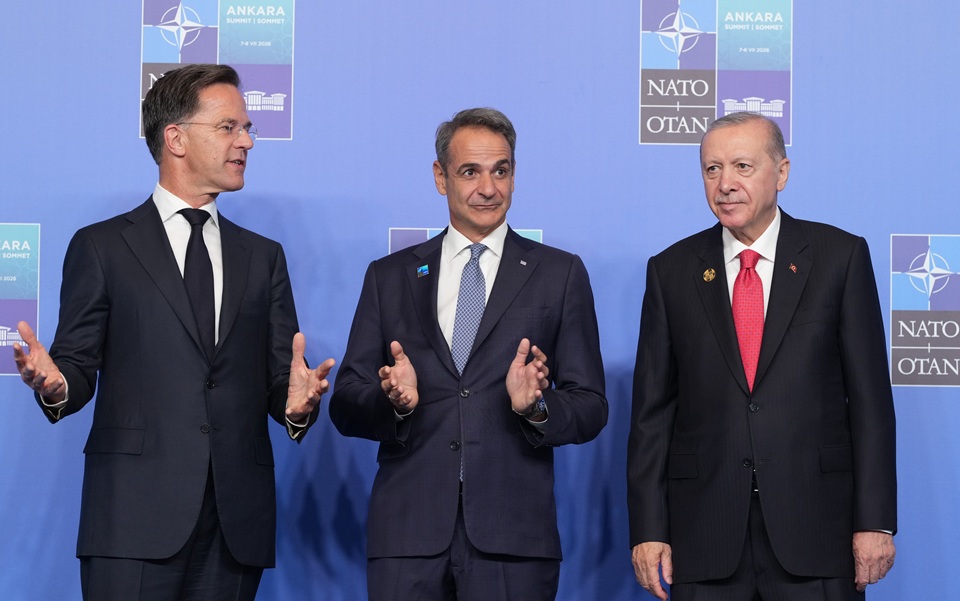
Turkey seems emboldened for three main reasons. The first is the lack of order at the regional and international level fueled primarily – but not exclusively – by President Trump’s leadership’s characteristics. The second is the result of the July Ankara NATO summit, which generates hope in the Turkish administration for closer military collaboration with the US, including on F-35 fighters. And the third is the prevailing perception among some EU member-states such as Germany, Italy and Spain that Turkey should be part of European defense initiatives despite Greek and Cypriot objections.