China’s semiconductor profits soar 18.5‑fold Jan‑July on AI‑driven computing demand, self‑reliance push: expert
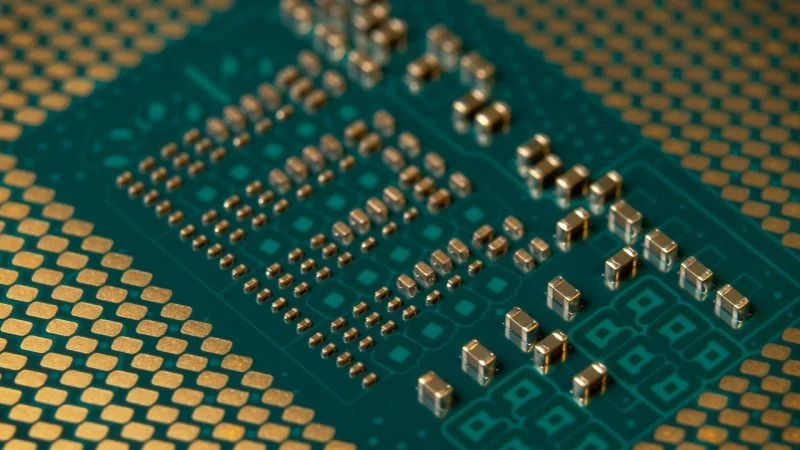
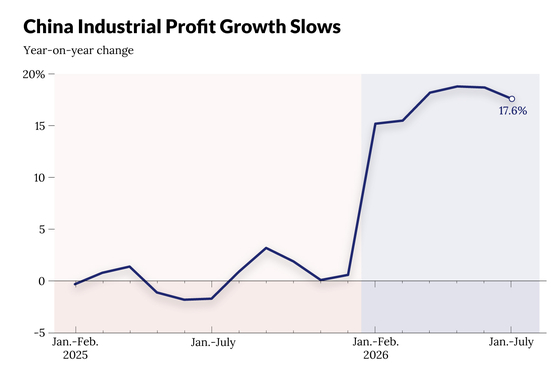
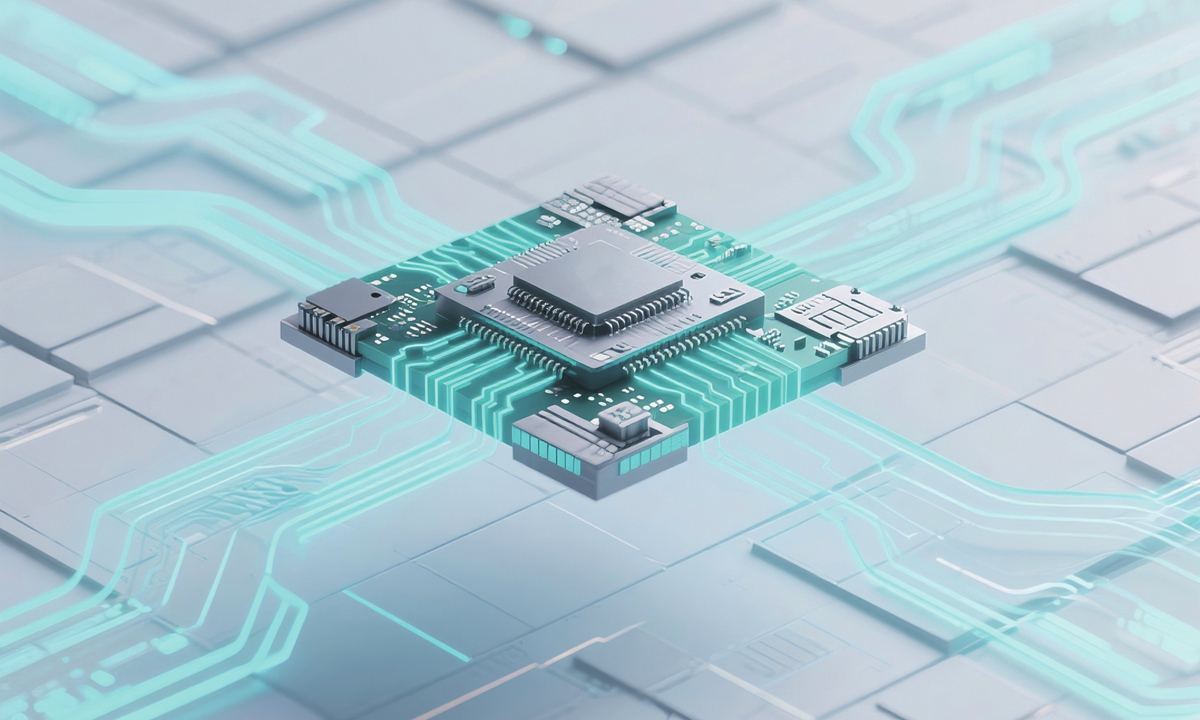
An AI-generated image of a chip Photo: VCGProfits made by China's integrated circuit or semiconductors industry, spanning computing and memory chips, skyrocketed 18.5 times year-on-year in the first seven months of 2026, propelled by explosive demand for artificial intelligence infrastructure and sustained construction of the computing capacity, official data from the National Bureau of Statistics (NBS) showed on Thursday.In the first seven months, the broader electronics sector as a whole saw profits more than double, rising 110 percent year‑on‑year and contributing 9.3 percentage points to total industrial profit growth. That made electronics the single largest driver of industrial profit growth, said Yu Weining, chief NBS statistician."With the accelerated roll-out of 'AI+' initiatives and continuous expansion in computing power demand, semiconductor prices have been pushed higher, driving a sharp profit surge in the electronics industry tied to AI production and applications," Yu said.Beyond chipmaking, computers and servers manufacturing profits soared 330 percent, related equipment makers' profits rose 250 percent, and profits of industrial control computer systems gained 160 percent year-on-year, the data showed.China's high-tech manufacturing sector recorded a 50.1 percent year-on-year profit increase in the first seven months, contributing 9.6 percentage points to overall industrial profit growth, as manufacturers pressed ahead toward high-end value chains, official data showed.The rapid expansion of China's AI‑related industrial ecosystem has fueled robust demand across upstream and downstream links. Advances in large‑model algorithms and robotics have lifted overall industrial output capacity, drawing heavy investment into chips, data‑center build‑out and memory products, and translating into fast‑rising revenue and profits for domestic enterprises, Ma Jihua, a telecom industry observer told the Global Times."Large‑model firms are generating robust revenue from token sales, while mass‑produced humanoid robots are gaining traction in overseas export markets. All told, China's AI industry is witnessing vibrant high‑growth momentum," Ma noted.Meanwhile, external pressures have also forced domestic industries to foster a strong awareness of supply‑chain self‑reliance and the market is tilting toward home‑grown solutions. This has unlocked sizable domestic market room and growth opportunities for Chinese enterprises across the full hardware‑software chain spanning chips, memory products and large‑model systems, driving prosperity across the entire industrial ecosystem, Ma added.Goldman Sachs on Monday forecast that China is set for another wave of semiconductor investment, driven by surging AI demand.It expects China's semiconductor capital spending to grow at double-digit annual rates through 2030, when it is projected to hit $82 billion — a 79 percent upward revision from its forecast a year ago.Goldman Sachs data also shows that measured by output volume, China's chip self‑sufficiency rate reached roughly 70 percent in June this year, compared with just 38 percent in January 2010.