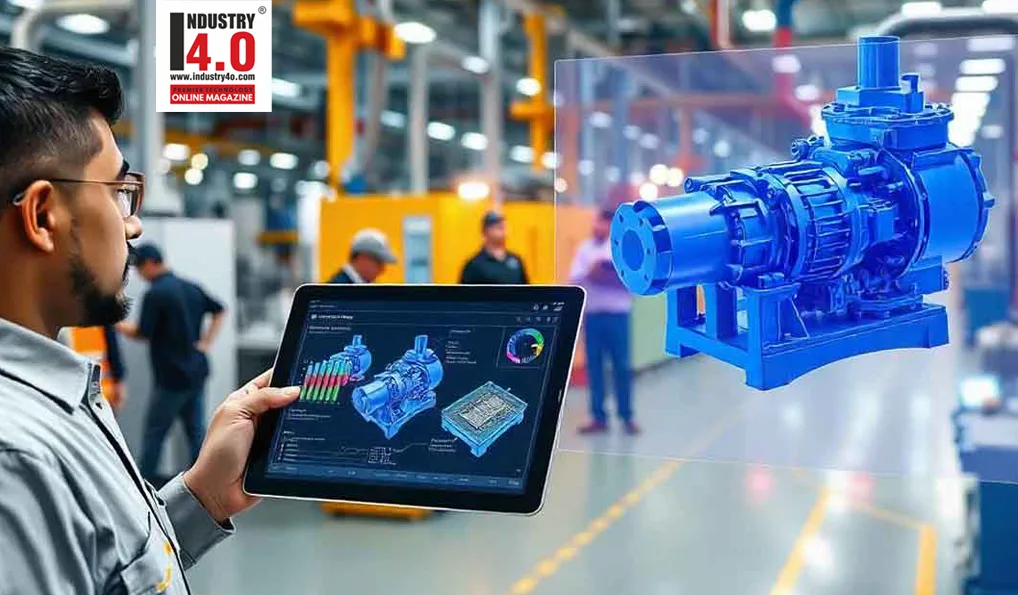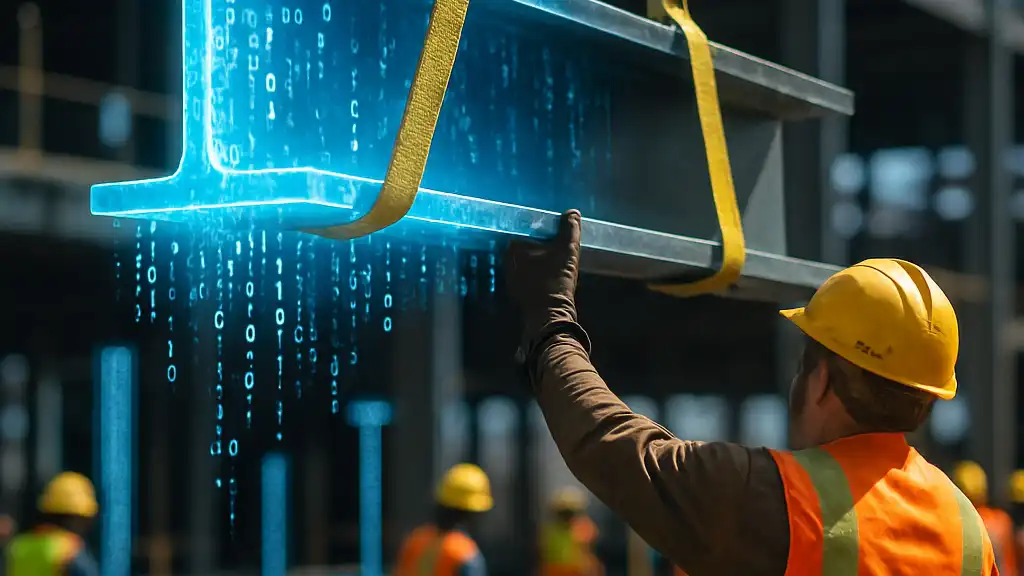
Digital twins began as virtual counterparts to physical systems. In aerospace, manufacturing, and other high-stakes environments, they gave engineers a safe way to observe behaviour, test scenarios, and reduce risk before making real-world changes. That framing now feels incomplete. Across supply chains, in energy networks and healthcare institutions, inside infrastructure, and in operations, digital twins are starting to look less like passive mirrors and more like decision environments.
To that point, a 2024 survey of C-suite executives by Hexagon found nearly two-thirds (62%) get immense value from digital twins. The bottleneck has shifted from whether to deploy them to how to make them trustworthy enough for autonomy. That shift matters because the moment a twin becomes a place where software makes recommendations, tests strategies, or guides action, the technical center of gravity changes. Visualization still matters. Simulation still matters. The harder problem sits underneath. A serious digital twin has to hold together current state, historical state, relationships, constraints, external inputs, and, increasingly, the context and reasoning that underpins all this. For developers and architects, that makes the data backbone far more consequential than it has ever been.