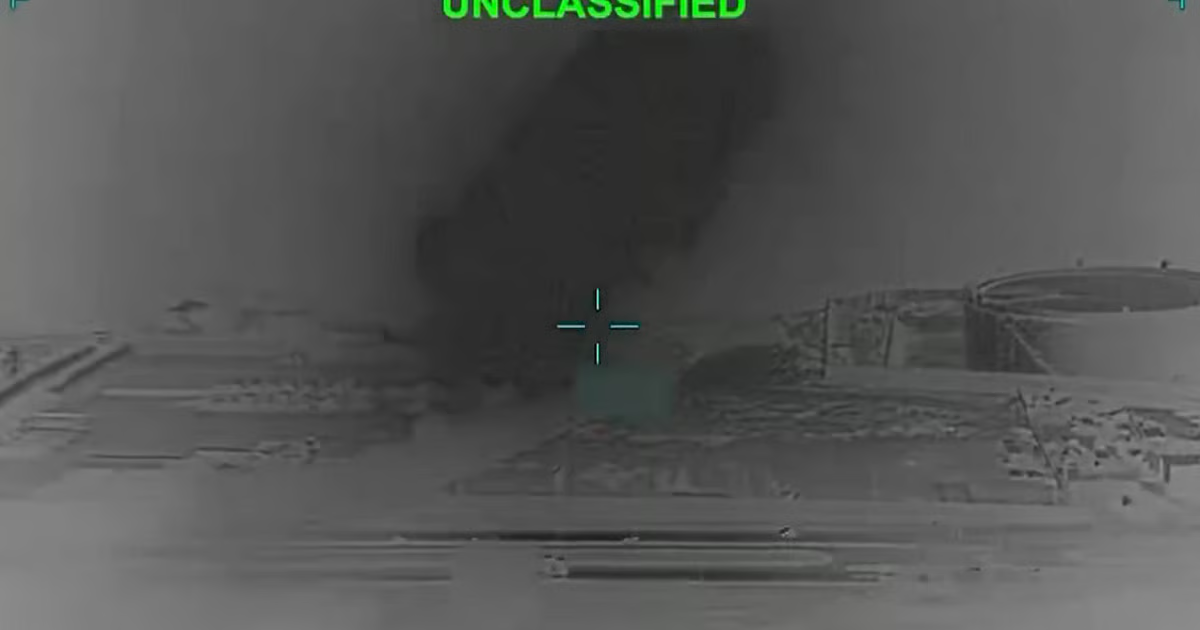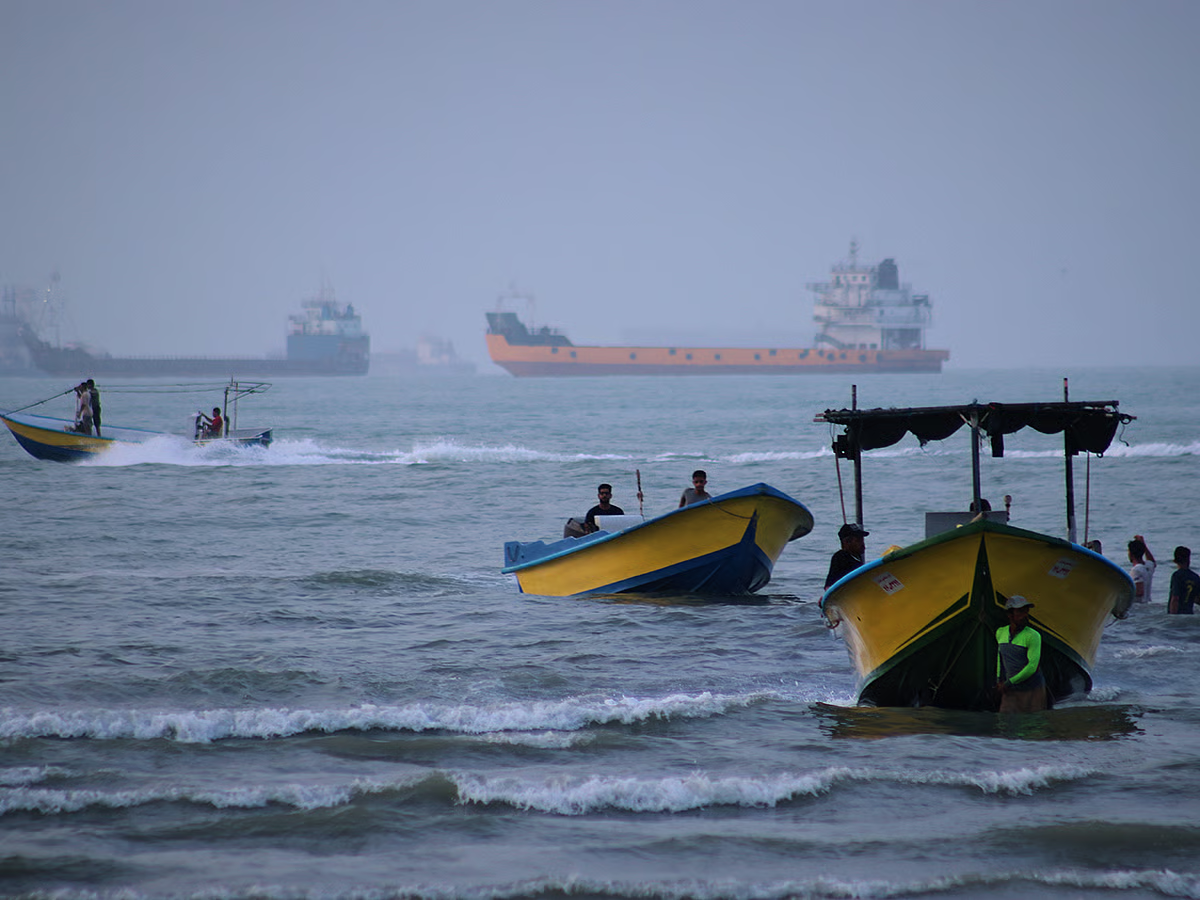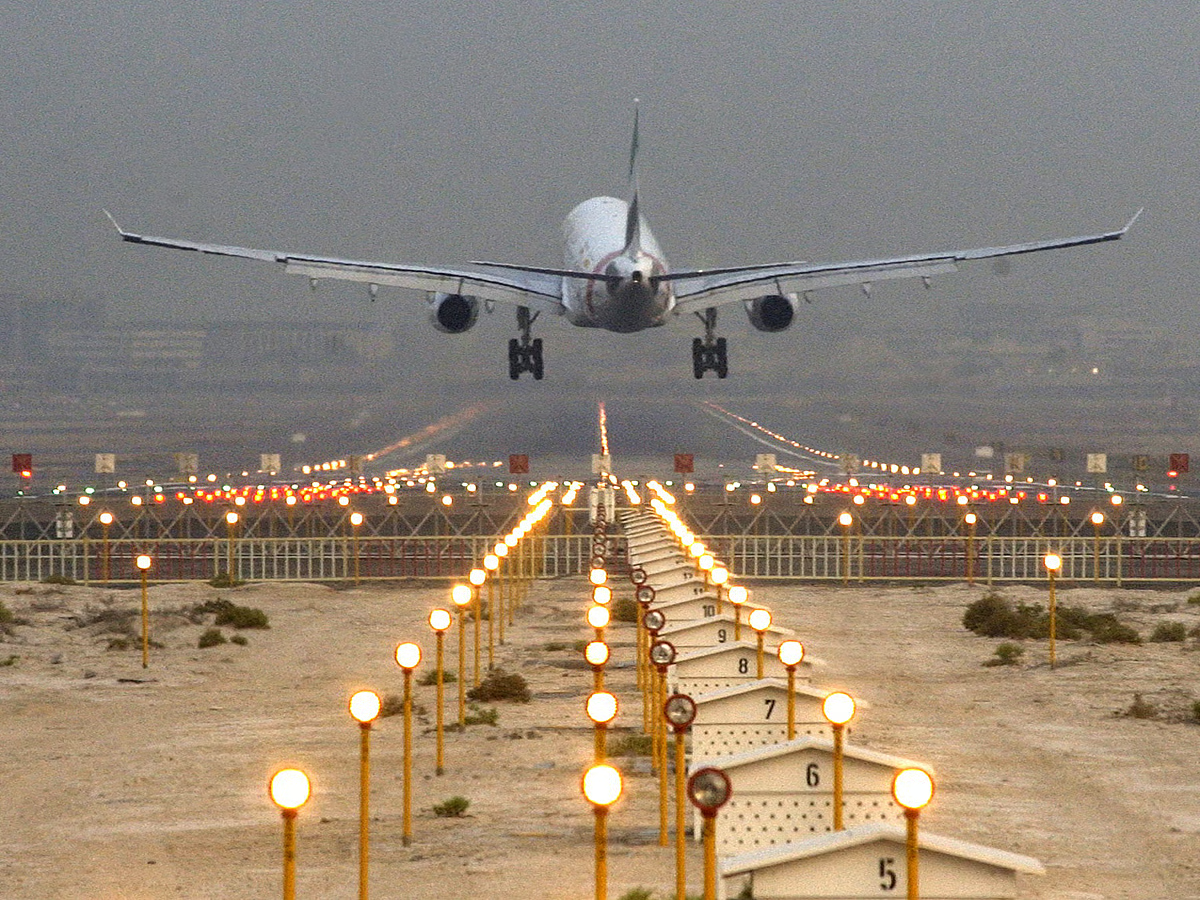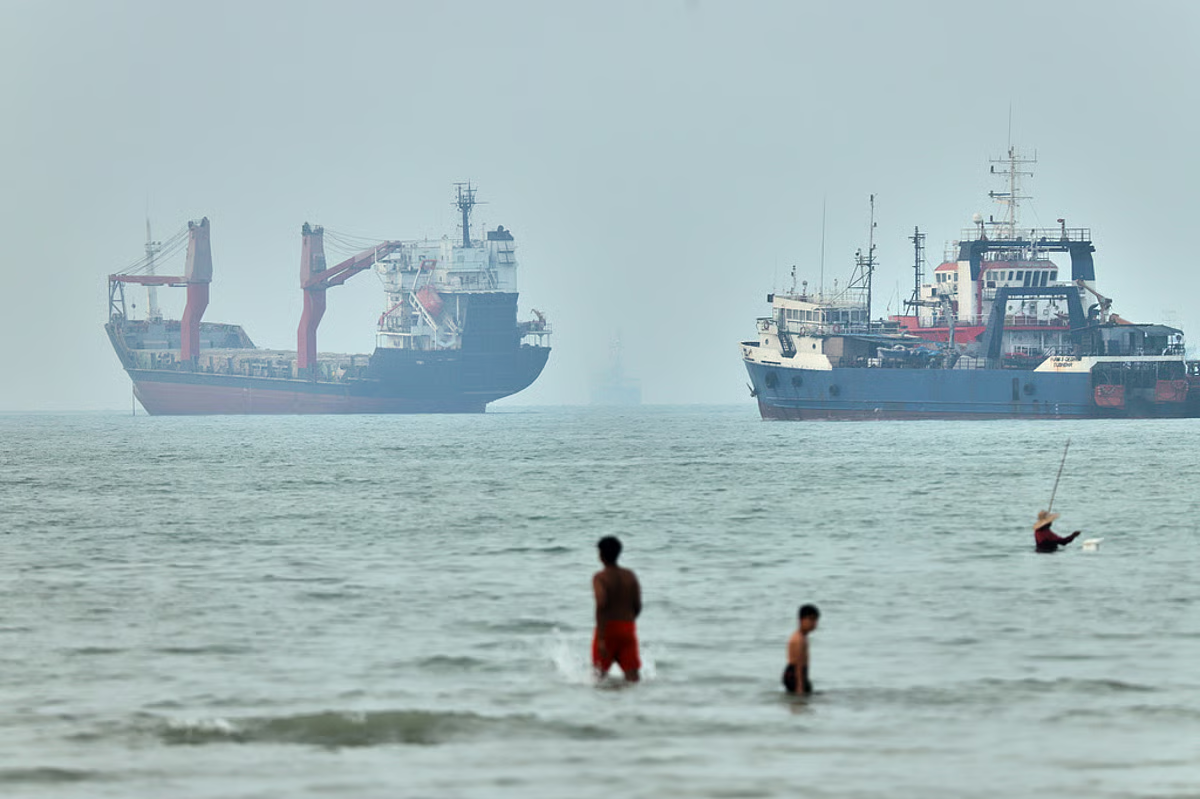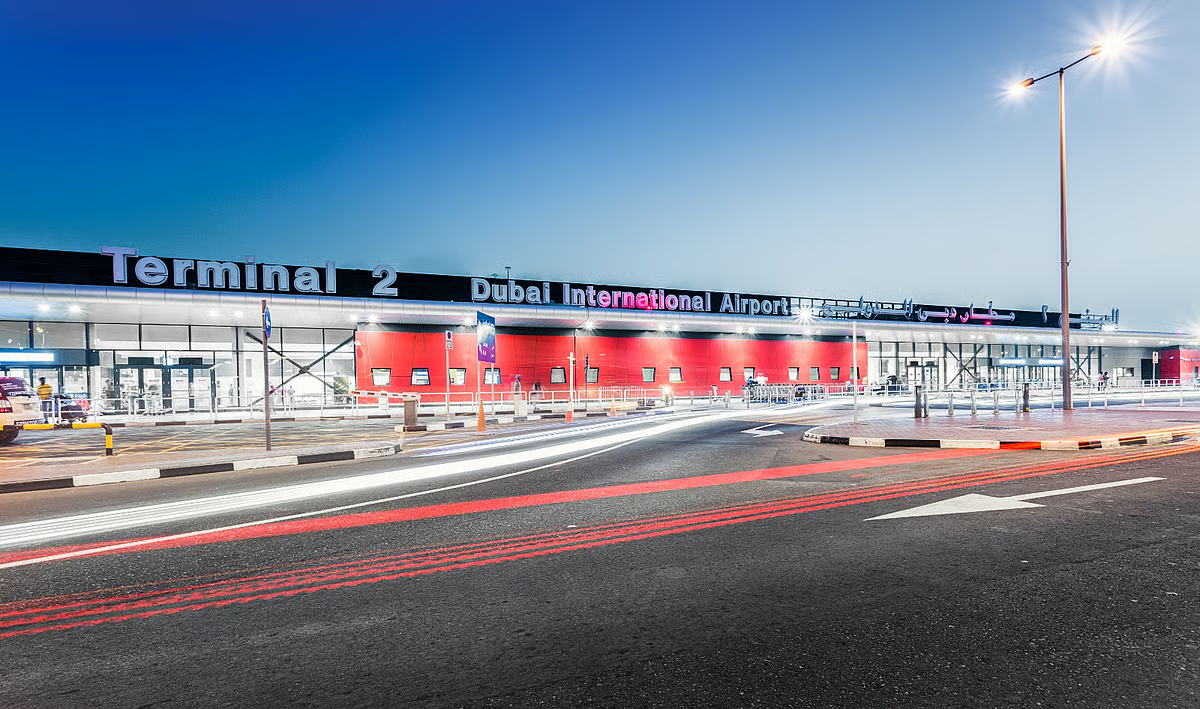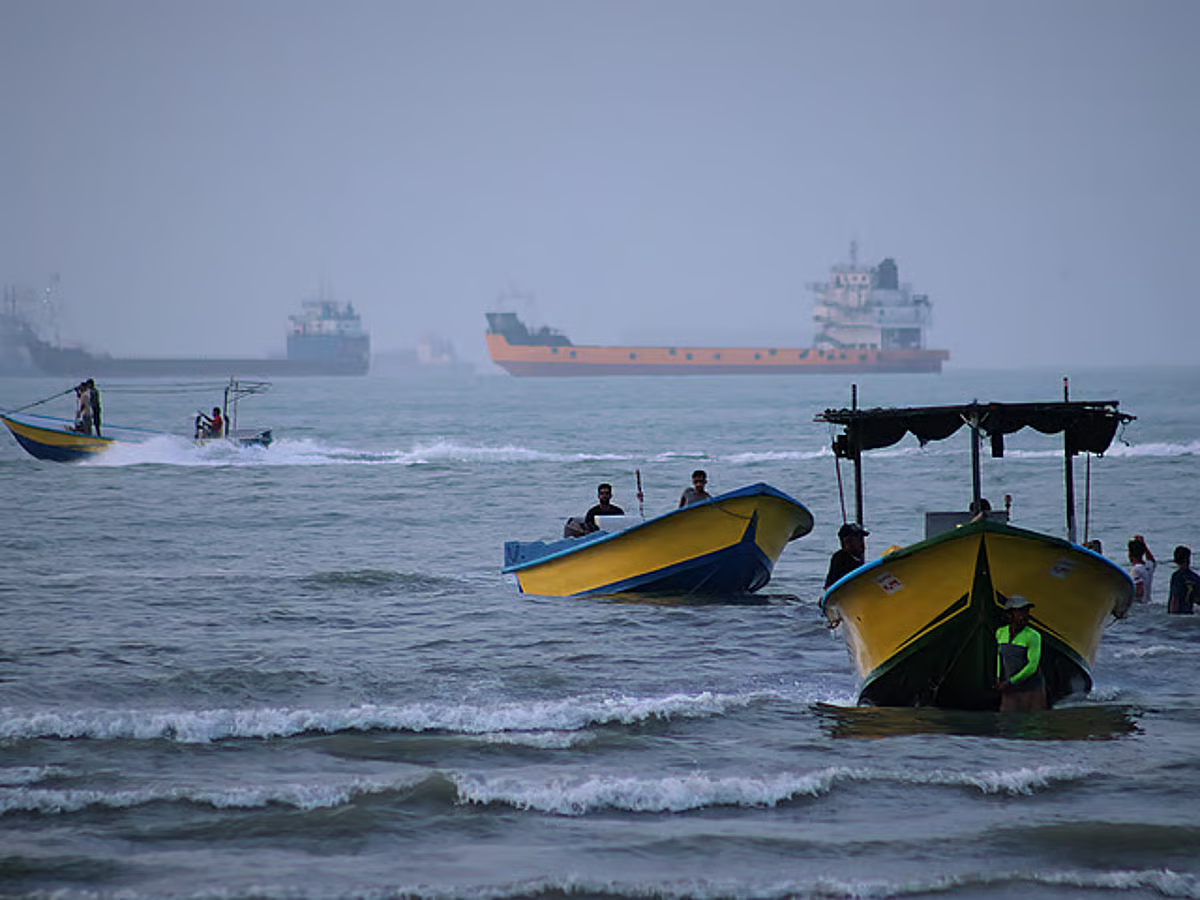
The US-Iran conflict remains a major security and economic concern for the UAE, as diplomatic efforts to revive talks gather pace while the Hormuz Strait remains heavily disrupted and Washington drives tougher economic pressure on Tehran.Here are the latest developments:Qatar's Prime Minister and Foreign Minister Sheikh Mohammed bin Abdulrahman Al Thani is due to travel to Tehran on Thursday in an effort to restart US-Iran negotiations.The visit comes after weeks of stalled diplomacy and escalating economic pressure from Washington. Qatar previously helped facilitate a ceasefire and is now attempting to bridge differences between Tehran and Washington.Trump ‘not in a hurry’ for a dealUS President Donald Trump has said he is not in a hurry to reach a deal, while Iran continues to demand concessions including an end to the US blockade and sanctions.Hormuz remains the biggest concernThe Strait of Hormuz remains at the centre of the crisis.Reuters reported Thursday that oil flows through Hormuz have fallen to roughly one-quarter of their pre-war level, with hopes of reopening the waterway helping push crude prices lower.Iran and Oman are negotiating a possible temporary maritime arrangement that could establish rules for commercial shipping. One proposal would reportedly exclude military vessels from the corridor.But Hormuz is not back to normal.For UAE consumers and businesses, prolonged disruption can affect:petrol and diesel prices;shipping and freight costs;imported goods;airline operating costs;insurance premiums;food and commodity prices.Any diplomatic breakthrough could have immediate consequences for shipping, oil prices, aviation and regional security.Oil prices are falling — for nowBrent crude fell to around $86.95 a barrel on Thursday (as of 3.43pm in Tokyo), down 1.01%, while US West Texas Intermediate dropped 1.08% to $81.34 as markets reacted to renewed diplomatic activity.That is welcome news for oil-importing economies and consumers. But the decline could reverse quickly. Any renewed attack on shipping, collapse of negotiations or escalation involving Gulf states could send energy prices sharply higher again.UAE suspends financial and economic dealings with IranThe UAE has taken a significantly tougher position toward Tehran. Abu Dhabi announced the suspension of financial and economic transactions with Iran until further notice, citing the military escalation and threats to UAE security.The move represents a major shift given the UAE's historically important commercial relationship with Iran.Reuters reported that Washington has praised UAE cooperation as the United States increases pressure on countries and companies that continue doing business with Tehran.What this means for residentsBusinesses and individuals with Iran-related transactions should expect:tighter banking scrutiny;greater sanctions compliance checks;delays involving Iran-linked payments;increased scrutiny of trade and shipping transactions;possible restrictions involving Iranian counterparties.The UAE's role as a major regional financial and trading hub makes sanctions compliance particularly important.UAE shipping has already been targetedThe threat is not theoretical. Abu Dhabi accused Iran's Islamic Revolutionary Guards Corps (IRGC) of targeting commercial shipping and described the attacks on ADNOC-linked vessels in Hormuz as acts of piracy and economic coercion. Iran did not immediately accept responsibility.The incidents have increased concerns over the safety of UAE-linked commercial shipping and the cost of maritime insurance.Flights: UAE aviation is operating, but don't assume normalityUAE airports remain operational, but passengers should continue checking their flights before leaving for the airport. The conflict has caused airspace restrictions, rerouting, cancellations and longer flight paths across the region.Dubai International Airport handled 31.5 million passengers in the first half of 2026, down 31.3% year-on-year, with the Iran war identified as a major cause of the disruption.Airlines are gradually restoring capacity, but international carriers remain cautious.Emirates maintains a live travel-updates page and advises passengers to check the status of individual flights before travelling.Etihad and Air Arabia also maintain live flight-status services.For passengers todayDo:Check your airline's app or website before leaving home.Allow extra time at the airport.Keep your phone charged.Expect possible last-minute changes.Check connecting flights separately if travelling through another Gulf hub.Don't:Assume that a flight operating yesterday will operate today.Rely solely on third-party flight trackers.Travel to the airport without confirming your flight.The security situation remains volatileThe UAE has strengthened its security posture following earlier Iranian missile and drone attacks during the war.The US State Department continues to advise Americans to reconsider travel to the UAE because of the threat of armed conflict and terrorism, while Australia's Smartraveller continues to advise travellers to reconsider their need to travel because of the unpredictable regional security situation.These advisories do not mean that normal life in Dubai or Abu Dhabi has stopped. They underline the continuing possibility of rapid changes in the security environment.Residents should follow instructions from UAE authorities and rely on official alerts rather than social-media rumours.The big diplomatic question: Can Hormuz reopen?This is the most important development to watch. Iran and Oman are discussing mechanisms for commercial navigation through Hormuz, while Qatar is attempting to restart broader US-Iran diplomacy.A successful arrangement could: restore shipping, reduce insurance costs, lower oil prices, ease aviation pressure and improve regional investor confidence.But negotiations remain fragile. Iran's nuclear programme, sanctions, the US blockade, control of Hormuz and the terms of the ceasefire remain major obstacles.Cautious optimism vs riskFor UAE residents, Aug. 27 brings a mixture of risk and cautious optimism. The security threat has not disappeared, Hormuz remains severely disrupted and sanctions are tightening. But Qatar's renewed mediation and the Oman-Iran discussions over commercial navigation offer the strongest diplomatic opening in weeks.For now, the most important message is simple:Stay informed, check flights before travelling, follow UAE government instructions and avoid relying on unverified social-media reports.The direction of the conflict may increasingly depend not on another major airstrike, but on what happens around a narrow strip of water between Iran and Oman: the Strait of Hormuz.
US-Iran war: Hormuz talks offer hope, what UAE residents need to know today (Aug. 27, 2026)
Strait of Hormuz crisis deepens, but Qatar-led talks offer cautious hope for UAE
921 words~4 min read