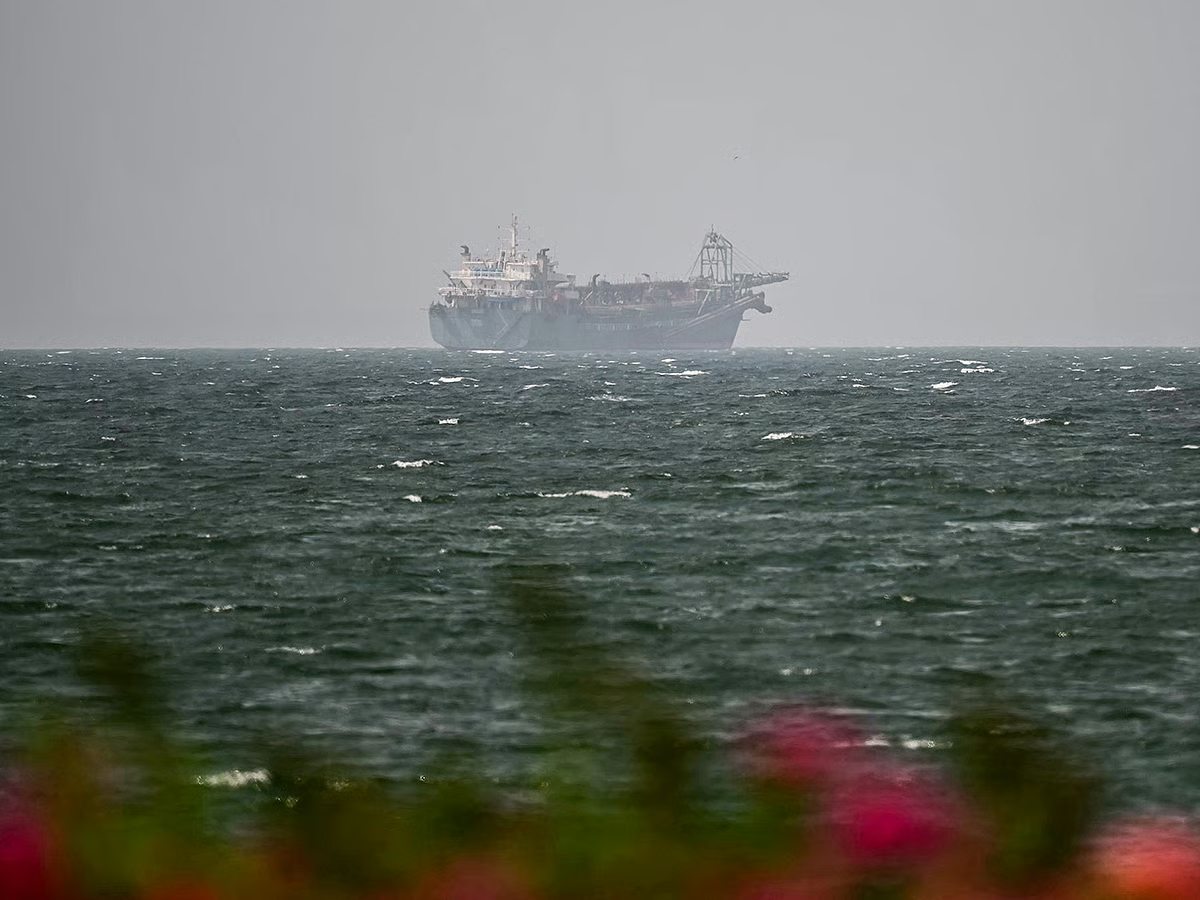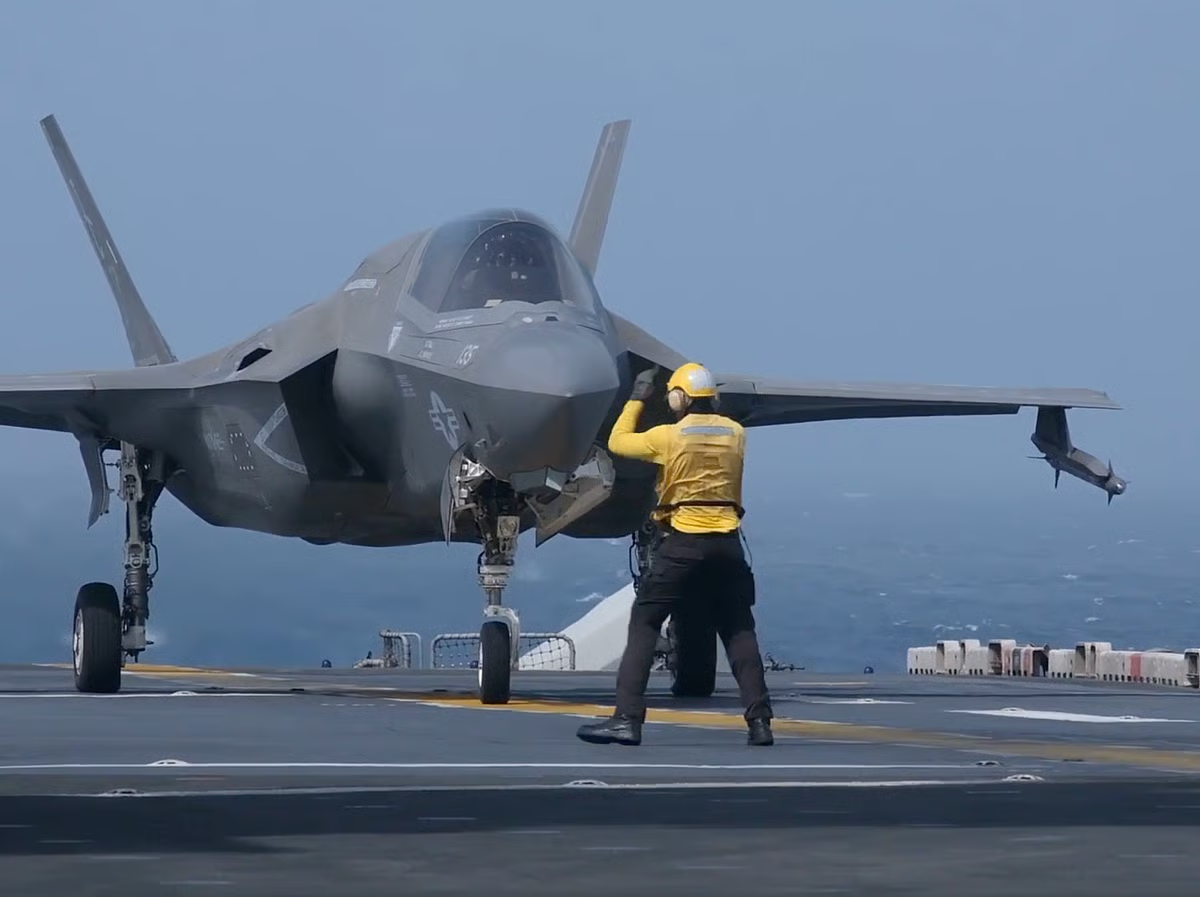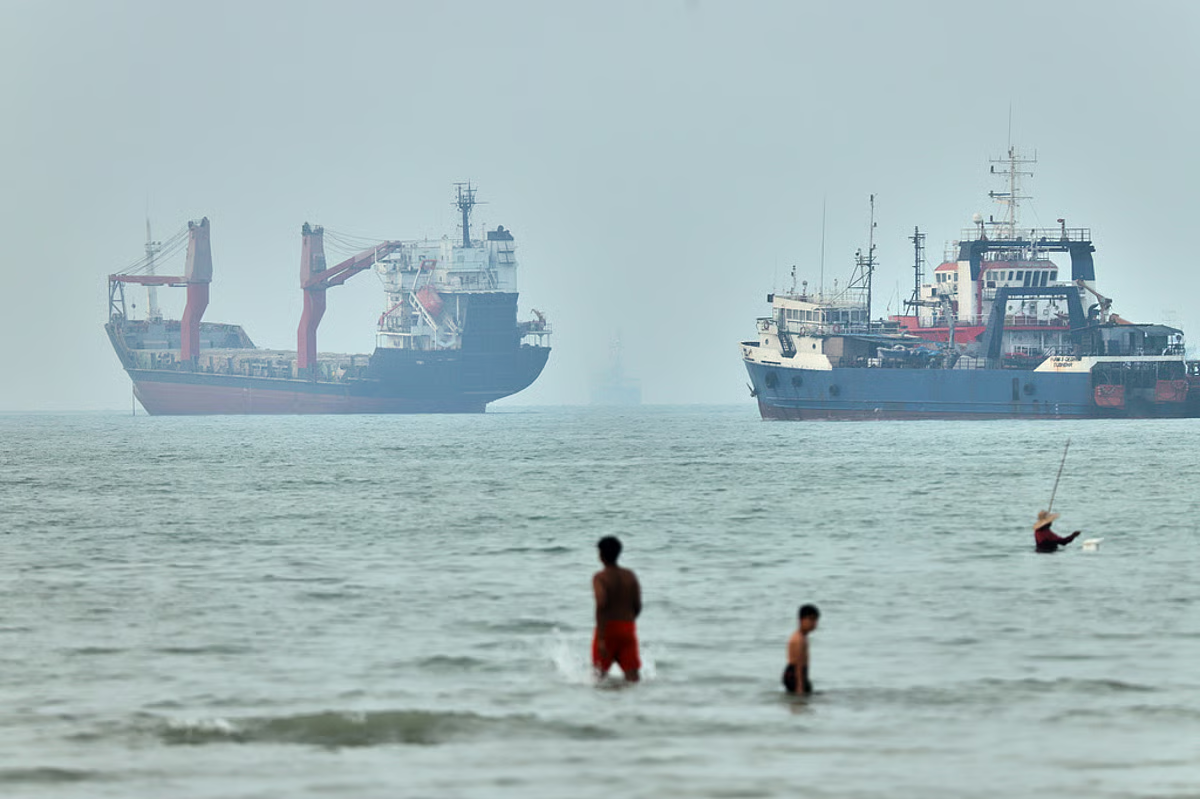
Dubai: Diplomatic efforts to ease tensions between the US and Iran gathered momentum on Wednesday, with mediators reporting progress towards reopening the Strait of Hormuz, one of the world's most important oil and shipping routes.The latest developments are being closely watched in the UAE, where the waterway is critical for energy exports, regional trade and commercial shipping. While negotiations appear to be moving forward, the security situation remains fragile, with fresh attacks reported in the Red Sea and airlines continuing to adjust flight schedules.US President Donald Trump said a breakthrough could come within days but warned Iran of serious consequences if negotiations fail.Hormuz talks move forwardIran and Oman said discussions on a temporary framework to manage shipping through the Strait of Hormuz were progressing positively. At the same time, Qatar confirmed that draft language for a wider US-Iran agreement was now being circulated among mediators.US Secretary of State Marco Rubio also said there had been "progress", describing the reopening of Hormuz as the immediate priority before broader negotiations on Iran's nuclear programme resume.According to mediators, discussions are taking place in stages:Reopening the Strait of Hormuz to normal commercial shipping.Reducing the risk of further military escalation.Restarting direct US-Iran negotiations.Working towards a broader agreement on Iran's nuclear programme.No final agreement has been reached, and officials have not announced a timeline for a deal.Trump issues warningSpeaking to reporters in California, Trump said negotiators had "a very good day" and suggested an agreement to reopen the Strait of Hormuz could come "tomorrow or the next day". However, he warned that Iran would be "hit very hard" if the talks collapsed.The Strait of Hormuz has become one of the biggest sticking points since fighting resumed after an April ceasefire. Iran has tightened its control over the waterway and is seeking greater authority over ships entering the Gulf, including proposals that would allow it to charge tolls and oversee vessel movements.Iran seeks greater role in shippingAccording to a senior Iranian source cited by Reuters, Tehran wants a stronger role in regulating vessels entering the Gulf through Hormuz.Under the proposal:Iran would oversee ships entering the Gulf.Vessels leaving the Gulf would still require notification to Iran.Oman would issue exit clearances after informing Tehran.Iran would retain the right to intervene if necessary.The proposal marks a softer position than Iran's earlier demand to control shipping in both directions. However, Tehran has reportedly rejected Oman's proposal for shared regional management of the waterway.Negotiators say this remains one of the biggest obstacles to restoring normal maritime traffic.Fresh security concerns in the Red SeaEven as diplomatic efforts continue, security threats in regional waters remain.Yemen's Iran-backed Houthis claimed responsibility for an attack on a Saudi oil tanker off Yanbu in the northern Red Sea. The group said it used ballistic missiles to target the vessel as part of its maritime blockade campaign.Separately, the United Kingdom Maritime Trade Operations (UKMTO) reported that a commercial vessel sank after being attacked by an uncrewed surface vessel about nine nautical miles southwest of Al Mukha, Yemen.The attack triggered a fire on board before the crew were safely rescued by local authorities. UKMTO has advised ships operating in the area to remain vigilant and report any suspicious activity while investigations continue.What UAE travellers should knowThe regional security situation is also affecting aviation across the Gulf.Although most flights from the UAE are operating as scheduled, some services by Emirates, Etihad Airways, flydubai and Air Arabia continue to face delays or cancellations as airlines adjust operations because of changing airspace restrictions.Several international carriers have also extended flight suspensions to parts of the Gulf while monitoring the security situation.Passengers travelling from UAE airports today are advised to:Check their flight status before leaving home.Arrive at least three hours before departure.Allow extra time for traffic, check-in, security and immigration.Use online check-in where possible.Keep contact details updated to receive airline notifications.Dubai International Airport has also urged passengers to plan for longer journey times as peak summer travel continues.Balaram brings more than two decades of experience in the media industry, combining sharp editorial judgment with a deep understanding of digital news dynamics.
US-Iran conflict: What UAE residents need to know this evening (August 5)
Strait of Hormuz negotiations advance as Red Sea attacks raise security fears. Key updates for UAE residents on oil routes, trade impact and changing flight schedules.
730 words~3 min read