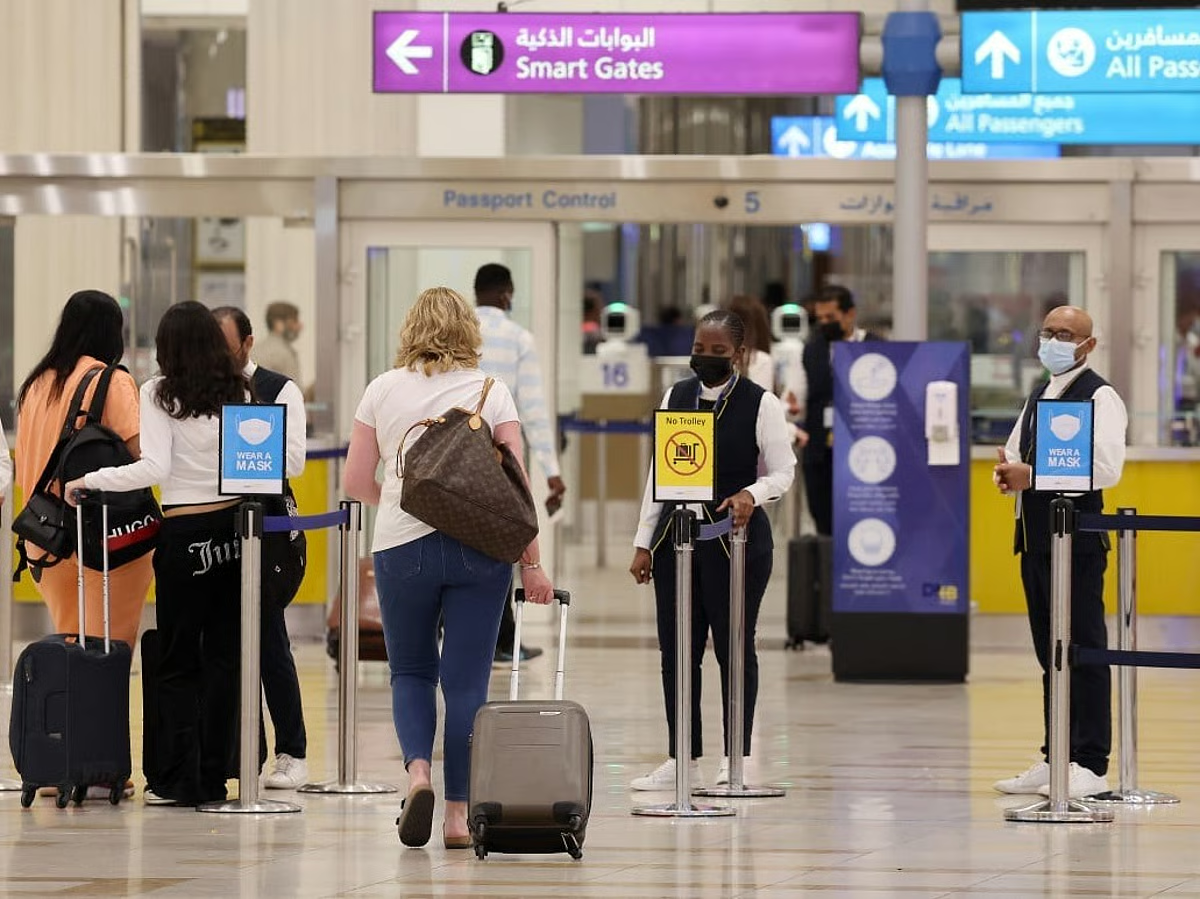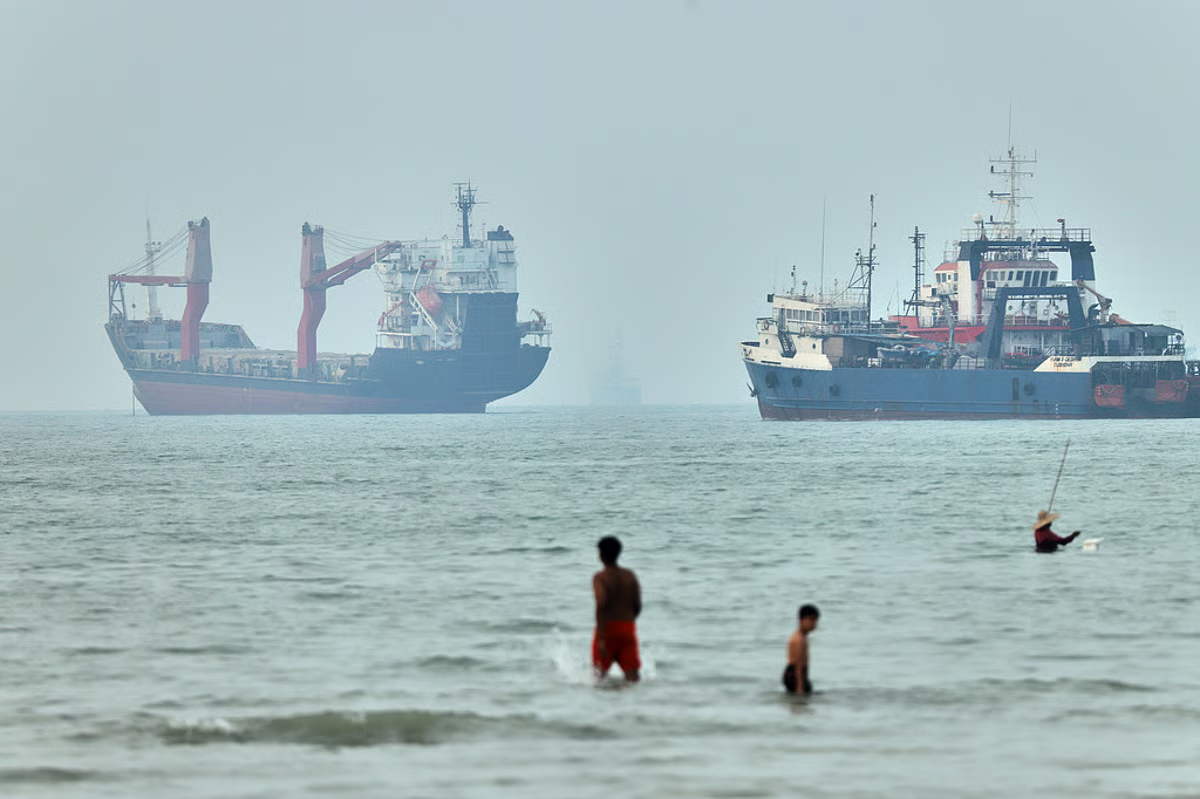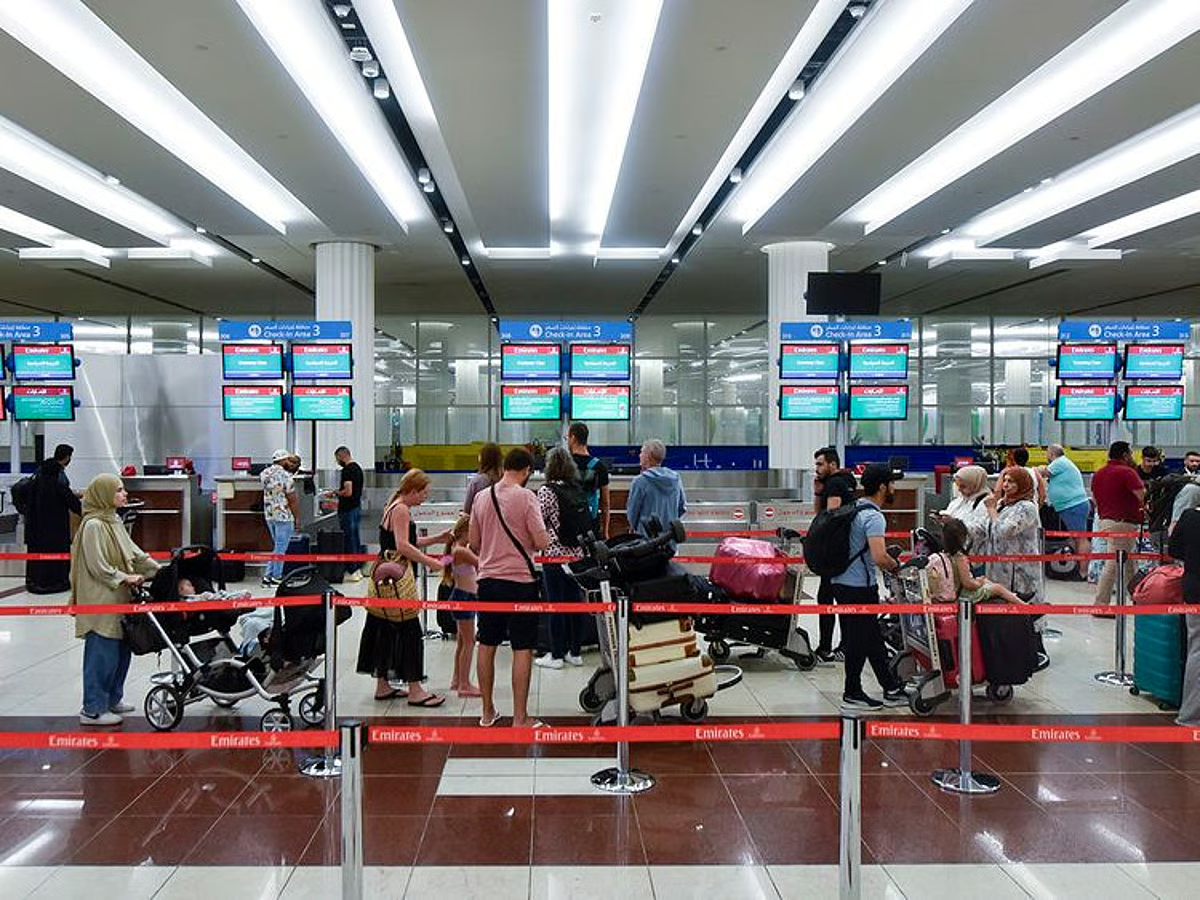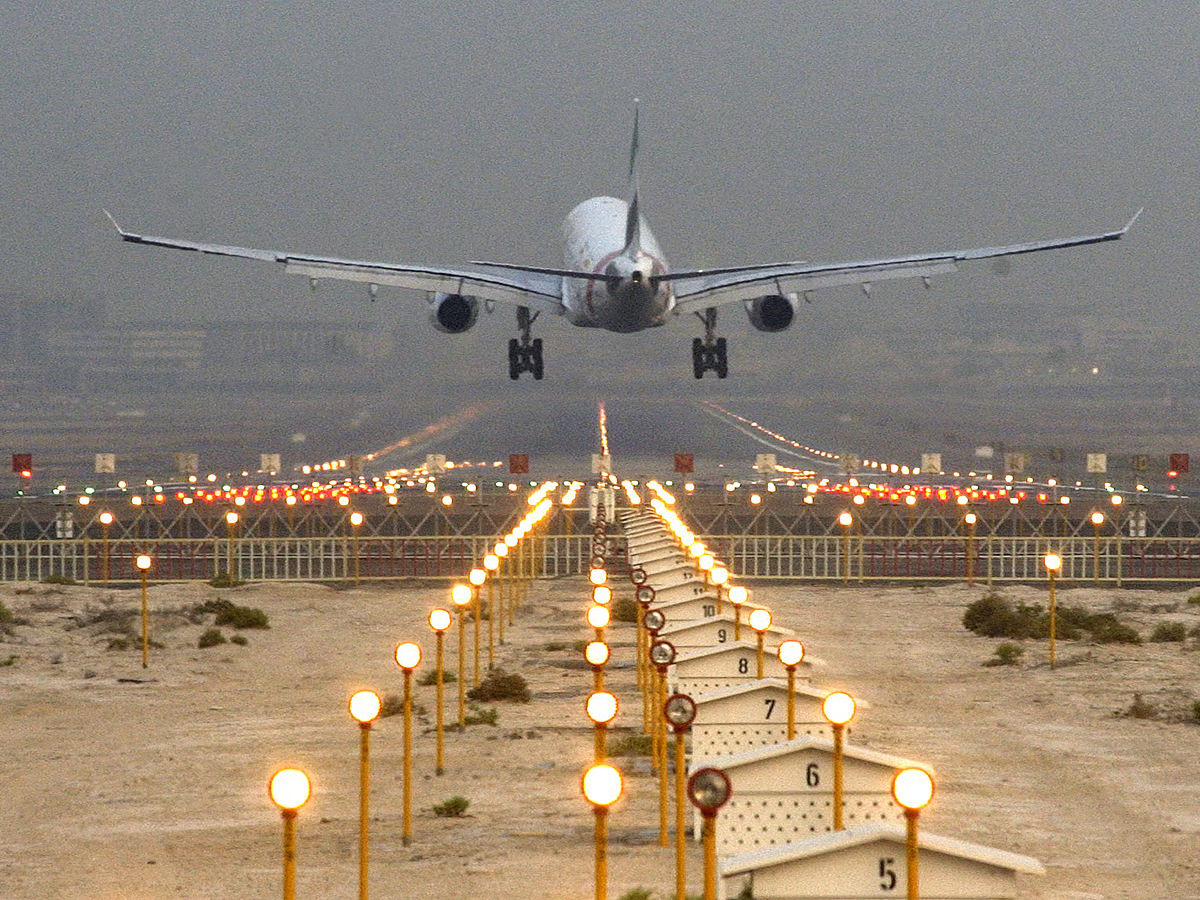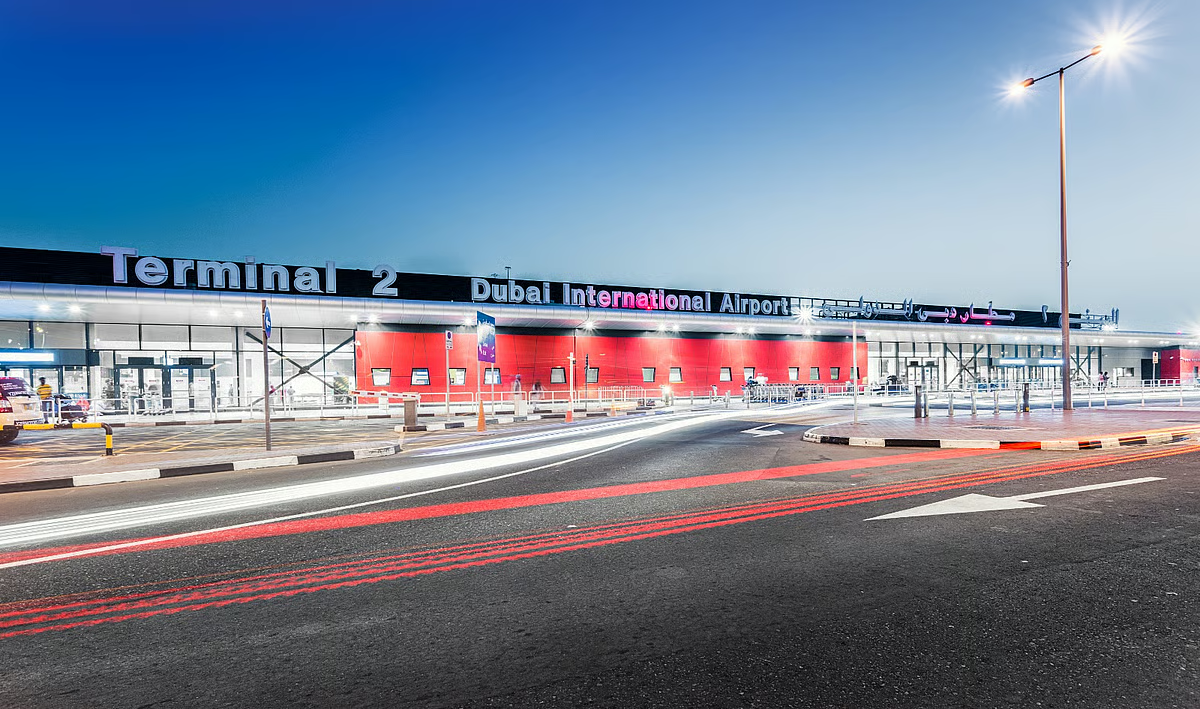
Talks gain traction as oil prices edge higher, some regional flights disrupted Last updated: August 05, 2026 | 08:462 MIN READA view of Dubai International Airport Terminal 2.Dubai Airports Diplomatic efforts to resolve the escalating crisis in the Strait of Hormuz showed signs of momentum Wednesday as officials reported progress on a draft peace agreement between the United States and Iran, even as regional transport and energy markets faced continued challenges.Officials from Iran, meanwhile, cited "positive" developments regarding maritime navigation talks with Oman.However, tension along key regional waterways remains high. The ongoing conflict continues to disrupt international aviation and global commodities. Latest updatesAviation & travel: UAE-based carriers face lingering disruptions and cancellations as airspace restrictions remain fluid.Diplomatic front: A draft US-Iran deal is circulating, according to Qatari mediators, with Iranian and Omani representatives reporting "positive" progress toward securing safe passage through Hormuz.Maritime safety: Search-and-rescue operations successfully evacuated 14 crew members from an Indian vessel that sank off the coast of Yemen.Energy markets: Brent crude crossed the $79 mark as investors evaluate the pace of peace talks against supply vulnerabilities; UAE residents await indications on when domestic fuel prices will normalise.Most flights continue to operate normally though several services by Emirates, Etihad Airways, flydubai and Air Arabia remain cancelled or delayed as airlines continue to adjust schedules amid ongoing airspace restrictions and operational challenges linked to the regional security situation.The disruptions come as diplomatic efforts to ease tensions around the Strait of Hormuz gather pace.Economic impact of Hormuz closureCrude rates elevated: Crude prices remain elevated as supply risks ripple through global markets. When crude oil prices remain high, the impact extends far beyond the energy sector. Oil is a fundamental input for transportation, manufacturing, electricity generation, chemicals, plastics, agriculture and logistics, so sustained price increases feeds into the wider economy. Maritime routes: The region relies on designated shipping routes and traffic separation schemes to manage heavy commercial vessel traffic passing between Iranian territorial waters and neighbouring Arabian Peninsula states. Economic impact: Disruptions to shipping routes and airspace in the Gulf immediately ripple through global markets, driving up crude oil benchmarks, altering aviation flight paths, and influencing retail fuel prices across the Middle East. Strategic importance: The Strait of Hormuz is the world's most critical oil transit chokepoint, connecting Gulf petroleum producers with major global consumption centers.Also In This PackageGet Updates on Topics You ChooseUp Next
US-Iran conflict: What UAE residents need to know today (Aug. 5, 2026)
Stay updated on the US-Iran crisis and what it means for UAE residents, from flight disruptions and fuel prices to maritime safety and peace talks in Hormuz.
394 words~2 min read