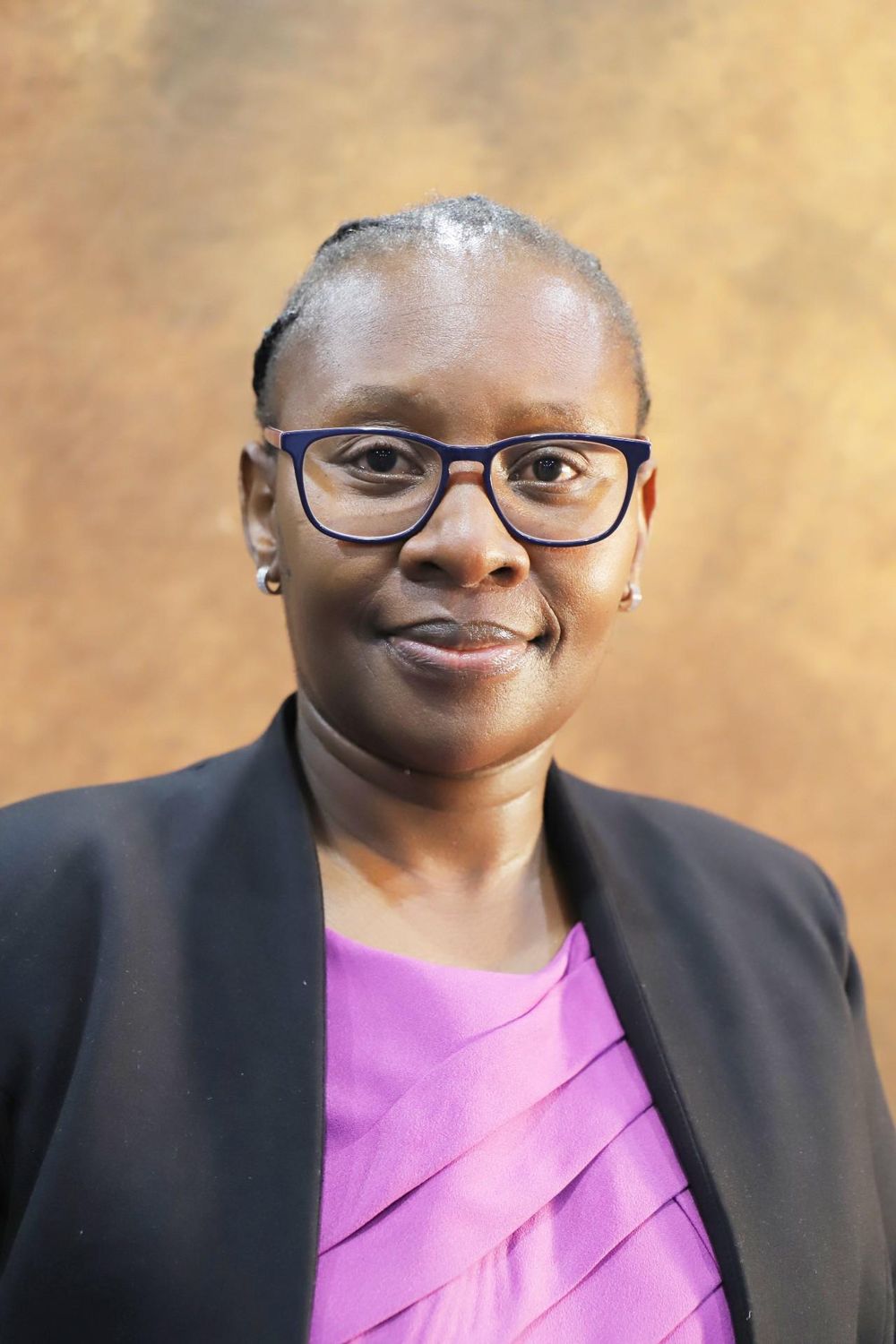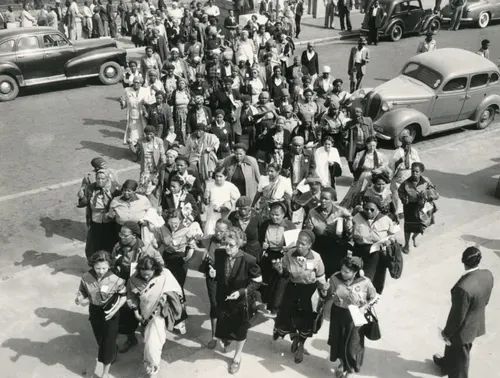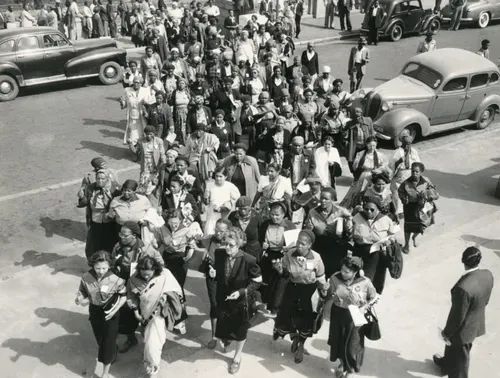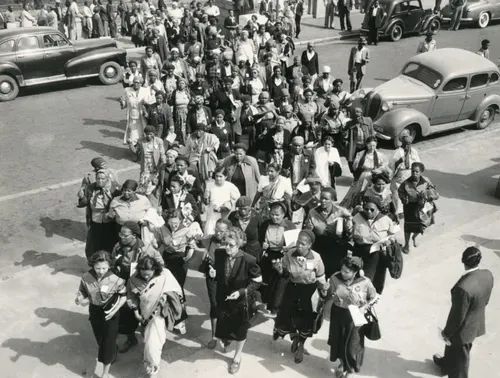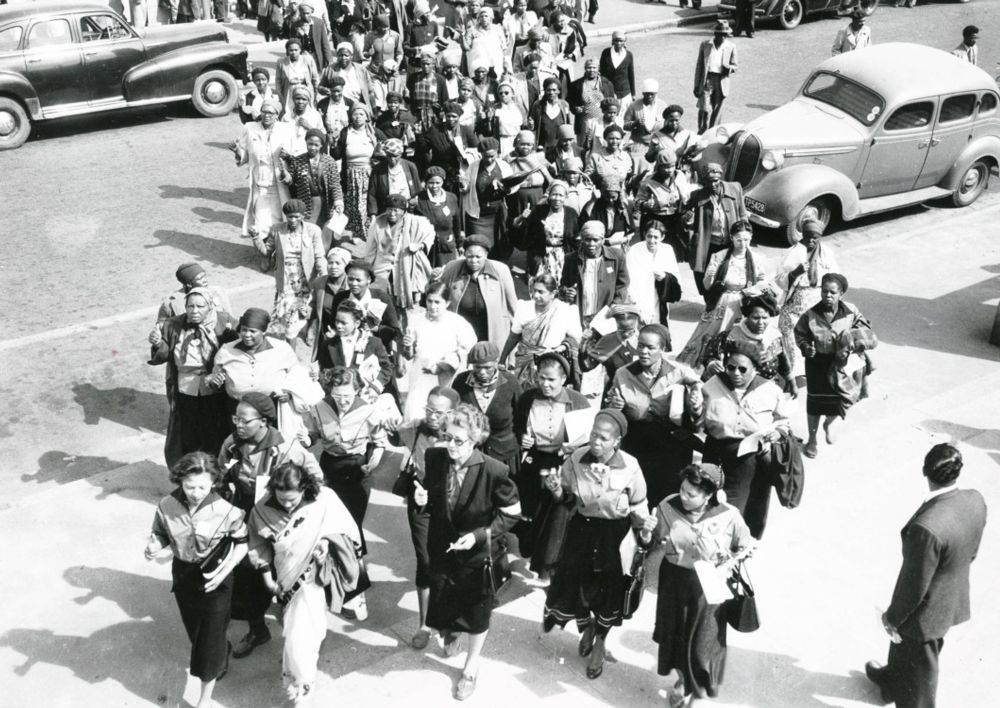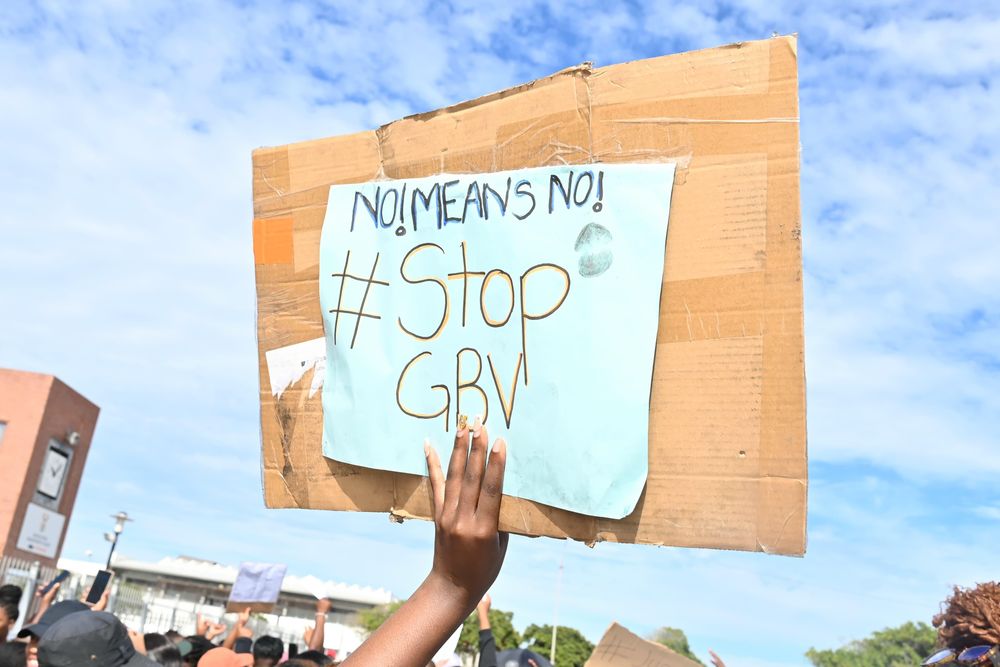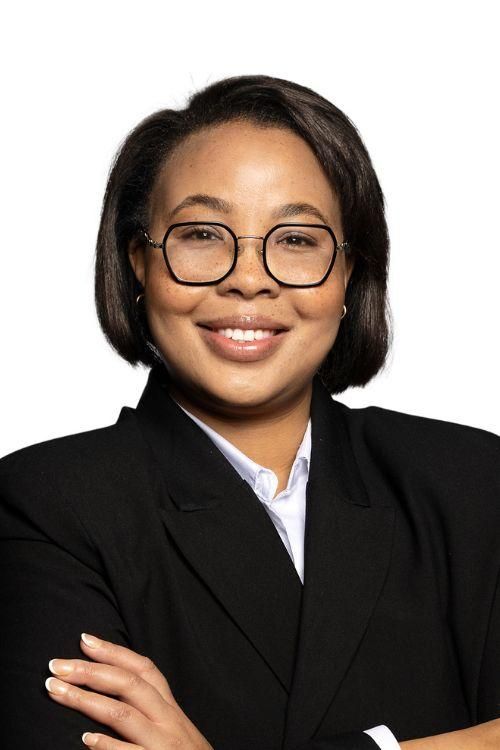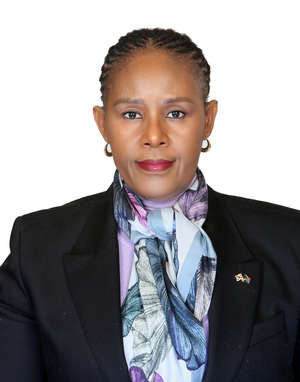
Sindiswa Ntombolimo Mququ, South African ambassador to Korea. (Embassy of South Africa in Seoul) Since 1994, August has been declared Women’s Month in South Africa, and Aug. 9 is Women’s Day. This was an acknowledgement of the role women played in the liberation of South Africa from apartheid to democracy.This date emanates from Aug. 9, 1956, when more than 20,000 women from all walks of life, regardless of race, colour or creed, marched to the Union Building — the seat of the South African Government — to protest the extension of the pass laws to Black women.Pass laws were a form of a domestic passport system that was designed to segregate the population (Black people away from white people) in South Africa. This was meant to restrict the movements of the Black African population group, therefore managing urbanization and apportioning migrant labor.Before 1952, only Black men were required to carry passes; this was their permission to be in an urban area. Through this piece of legislation, the apartheid government could control the influx of Black men into the cities. The pass law was one of the most hated of the apartheid laws.Then, in 1952, the government of the day passed the Native Laws Amendment Act aimed at tightening influx control, making it an offence for any African (including women) to be in any urban area for more than 72 hours unless in possession of the necessary documentation.The law dictated that Black women would also have to carry passes; women vehemently opposed this.At a meeting of the Federation of South African Women in 1955, a seed was planted: "Let us go to Pretoria ourselves and protest to the Government against laws that oppress us."This culminated in the events of Aug. 9, 1956; over 20 000 women of all races marched to the Union Buildings in Pretoria to hand over a petition to the then South African Prime Minister, Hans (JG) Strijdom.This was one of the many watershed moments in the history of resistance against apartheid and related laws, and was significant in women’s struggle for liberation. It became a defining moment in South Africa’s struggle against apartheid and for a non-racial and non-sexist society.Fast-forward to August 2026 — the 70th commemoration takes place under the theme, “Empowered Women, Empower Nations.”While this is true for South Africa, it is true for all women globally — and aligned with South Africa’s Foreign Policy objective for a better South Africa in a better Africa and a better world.That which we aspire to for South Africa, we aspire to for the rest of the world; in this case, empowered women who empower nations.South Korea and South Africa have experienced unpleasant moments in their political histories, and in such moments, women tend to suffer double compared to their male counterparts.After those unpleasant historical moments, both countries have consciously promulgated pieces of legislation aimed at gender equality.This is an important step, but it requires intentionality at the level of implementation and consistency thereof.The development of the “Basic Plan for Gender Equality Policies” every five years — aimed at realizing gender equality in South Korea — enables the country to take stock of progress, and thus keeps these matters “top of mind.”In South Africa, August offers a key moment to gauge the progress made and what is yet to be done.The South African Constitution acknowledges gender parity as a basic right; as such, the Employment Equity Act and the Women Empowerment and Gender Equality Bill are some of the enabling pieces of legislation.The latter seeks to enforce 50 percent female representation in decision-making positions. That stated, legislation alone does not remove general inequality.Women constitute just over half of the country’s population and are increasingly active in shaping its economy, governance and academic landscape. South African women have achieved significant progress in education, politics and the public sector.More women than men now graduate from university, and nearly half of government management roles are held by women. Currently, women occupy these positions, among others: chief justice, speakers of both houses of the national parliament, auditor-general, public protector, Johannesburg Stock Exchange chief executive, and nine South African universities are led by women vice-chancellors.Notwithstanding this progress, and South Africa faring above the global average on gender equality in many areas, women in the private sector, academia and rural economies continue to face significant hurdles.While representation is improving, genuine equity in power, pay and opportunity remains an incomplete journey.During 2026 Women’s Month, South Africa celebrates the milestones, but also renews its focus on the policies, partnerships and structural changes needed to move from equality on paper to equality in practice.We believe that, as Maya Angelou asserted, “each time a woman stands up for herself, she stands up for all women,” and I add, “empowered women, empower nations.”As we move towards 35 years of South Africa-South Korea diplomatic relations in 2027, women from the two countries will share their lived experiences and notes on how to consistently improve gender parity.Sindiswa Ntombolimo Mququ is the South African ambassador to Korea. The views expressed here are the writer's own. — Ed.
South Africa's Women’s Month: “Empowered Women, Empower Nations”
Since 1994, August has been declared Women’s Month in South Africa, and Aug. 9 is Women’s Day. This was an acknowledgement of the role women played in the liber
846 words~4 min read