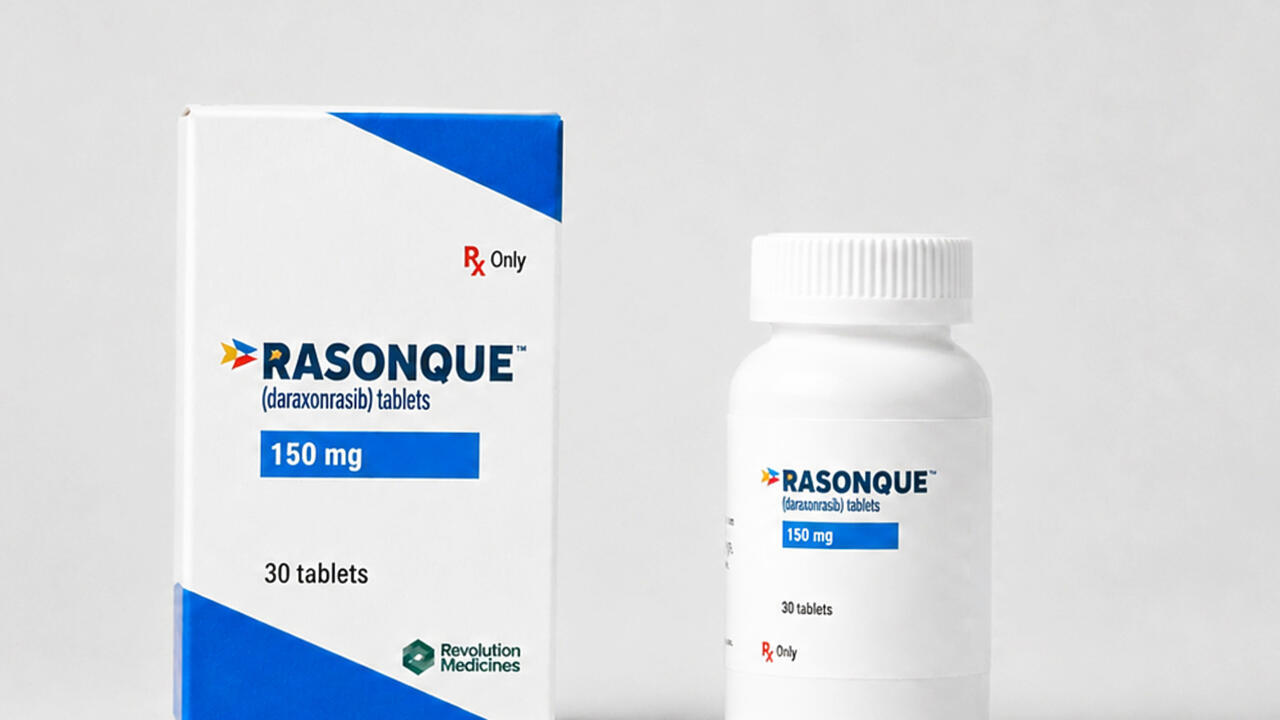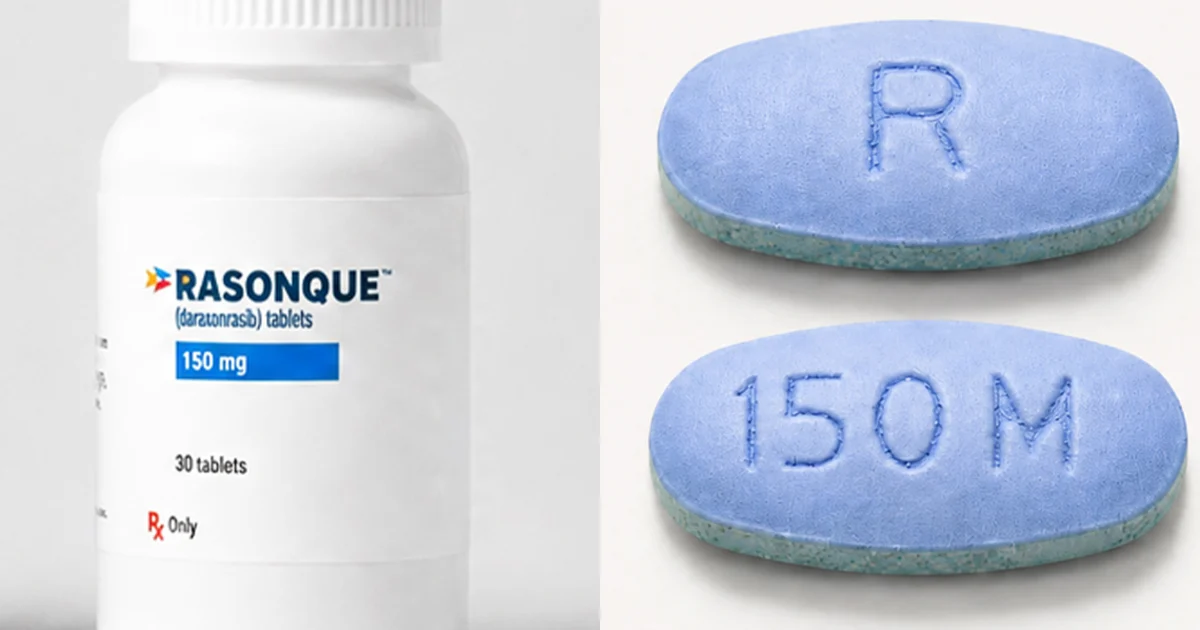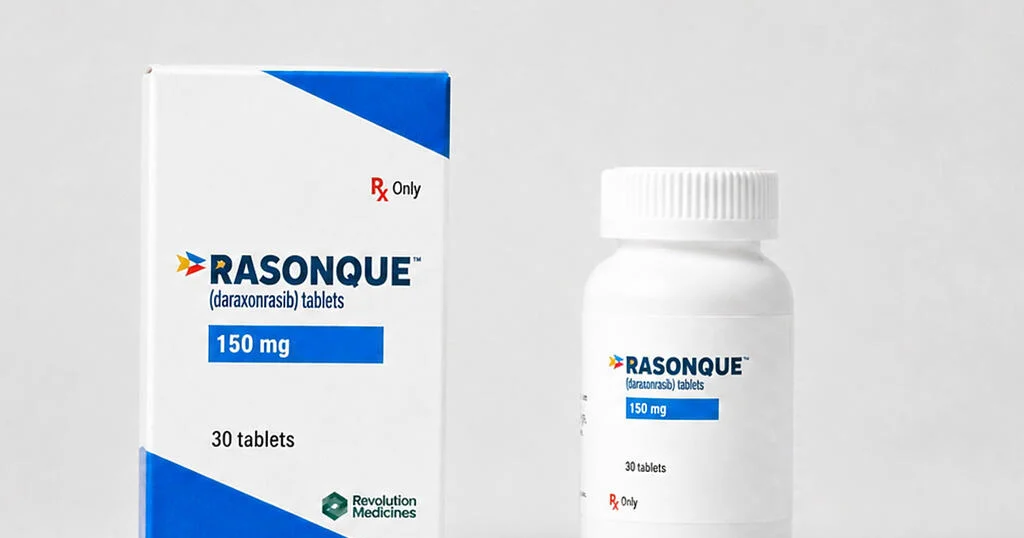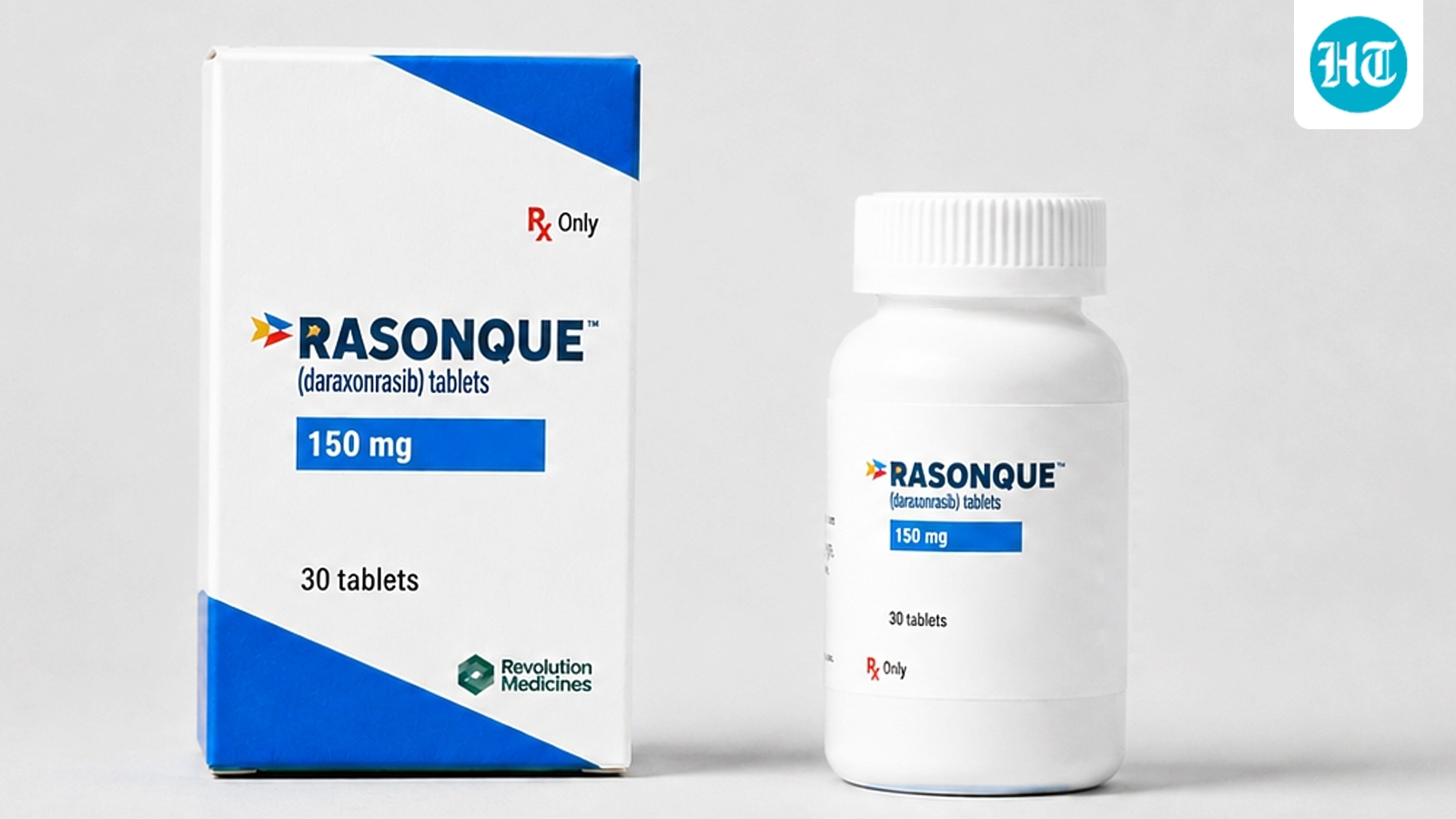
The US has approved the first drug to hit the molecular cause of most pancreatic cancers, a once-daily pill that in its pivotal trial extended survival to 13.2 months from 6.7 months on standard chemotherapy — close to a doubling in a disease whose median survival has scarcely moved in a generation.This photo provided by Revolution Medicines on Wednesday, Aug. 26, 2026 shows packaging for the new pancreatic cancer drug, daraxonrasib, under the brand name Rasonque. (Revolution Medicines via AP) (Revolution Medicines via AP)The drug is daraxonrasib, made by Revolution Medicines and to be marketed in the US as Rasonque. The US Food and Drug Administration cleared it on Wednesday for adults with metastatic pancreatic ductal adenocarcinoma who have received at least one prior systemic therapy, or who cannot tolerate chemotherapy.Pancreatic cancer has a five-year survival rate of about 13% in the US, one of the lowest of any major cancer, according to the American Cancer Society. In India, there are roughly 10,000 cases every year with a five-year survival rate of 7-10%.Rasonque is the first approved medicine to block RAS, a protein scientists spent four decades calling undruggable. Mutations in the RAS family drive more than nine in ten pancreatic ductal adenocarcinomas — the most common form of the disease — and are among the most frequent oncogenic changes across cancer as a whole. The protein sends growth signals inside a cell; a mutation locks it in the "on" position, and the cell divides without check.RAS resisted small-molecule drugs for decades because its surface offers no obvious portion for one to bind to. The first RAS-targeted drugs to reach the market, sotorasib in 2021 and adagrasib in 2022, worked on a single mutation, KRAS G12C, which accounts for only a small share of pancreatic cases.Daraxonrasib solves the binding problem by borrowing a binding site. The drug first attaches to cyclophilin A, a small protein present in every cell. The complex the two form then presents a new binding surface that clamps onto the active form of RAS and blocks it from passing its growth signal on.The mechanism, worked out at Revolution Medicines, defines a new drug class the company calls RAS(ON) multi-selective inhibitors — multi-selective because, unlike the G12C-only drugs, daraxonrasib inhibits several of the RAS mutations that dominate pancreatic cancer, including G12D, G12V and G12R, as well as unmutated RAS.Also Read: Pancreatic cancer drug Daraxonrasib gets approval from FDA: All you need to know60% lower risk of deathThe approval rests on RASolute 302, a Phase 3 randomised trial published in the New England Journal of Medicine in May by scientists from Memorial Sloan Kettering Cancer Center, Zev Wainberg of UCLA and presented that month by experts from the Cancer Institute at the plenary session of the American Society of Clinical Oncology's annual meeting in Chicago. The trial enrolled 500 adults with previously treated metastatic pancreatic ductal adenocarcinoma and randomised them to either daraxonrasib as a 300 mg once-daily pill or an investigator's choice of four standard chemotherapy regimens.Median overall survival was 13.2 months on daraxonrasib against 6.7 months on chemotherapy in the full trial population, with a hazard ratio of 0.40— a 60% reduction in the risk of death. Median progression-free survival was 7.2 months against 3.6 months. Time to worsening of pain was roughly halved (hazard ratio 0.51), and time to deterioration in global health and quality of life was similarly extended (hazard ratio 0.60) — endpoints that matter in a disease whose late course is defined by both. About 92% of patients in the trial carried a RAS G12 mutation, and the survival benefit held whether the mutation was present or not.Also Read: New 'smart cancer drug' designed to 'switch on' may replace chemotherapy, says govtThe pill is not a mild oneDaraxonrasib is a targeted therapy, and its side-effect profile is substantive. The FDA's approval identified the most common side effects as rash, diarrhoea, mouth inflammation, nausea, tiredness, vomiting, abdominal pain, swelling, reduced appetite and bleeding. The trial's tolerability compared favourably with chemotherapy on most measures, but gastrointestinal symptoms were frequent enough that they will shape the treatment experience.Wednesday's clearance covers second-line use and, in a widening the wire coverage did not initially emphasise, first-line use in patients who cannot take chemotherapy — the frail, the elderly, patients with contraindications. That group has until now had almost nothing between best supportive care and a regimen they could not tolerate.Also Read: The Evolving Role of Immunotherapy in Kidney Cancer TreatmentNor a cheap oneBut, the once-daily drug carries a list price of more than $475,000 a year, making it one of the most expensive cancer treatments in history, Bloomberg reported.Nonetheless, market analysts expect the drug to generate more than $9 billion in sales by 2032.Demand of the pill was high even before the approval. “This will be one of the most rapid drug launches ever,” TD Cowen analyst Tyler Van Buren said in a research note quoted by Bloomberg.In May, the FDA allowed RevMed to open a special expanded access programme so patients who didn’t qualify for ongoing clinical trials could get the drug. Till early August, the company had supplied the drug to 2,000 people.
Rasonque gets US nod: The pill that nearly doubles pancreatic cancer survival — and is set to $475,000 a year
US FDA cleared Rasonque, the first drug to block RAS, the mutation behind most pancreatic cancers. In trials it took median survival from 6.7 months to 13.2.
858 words~4 min read