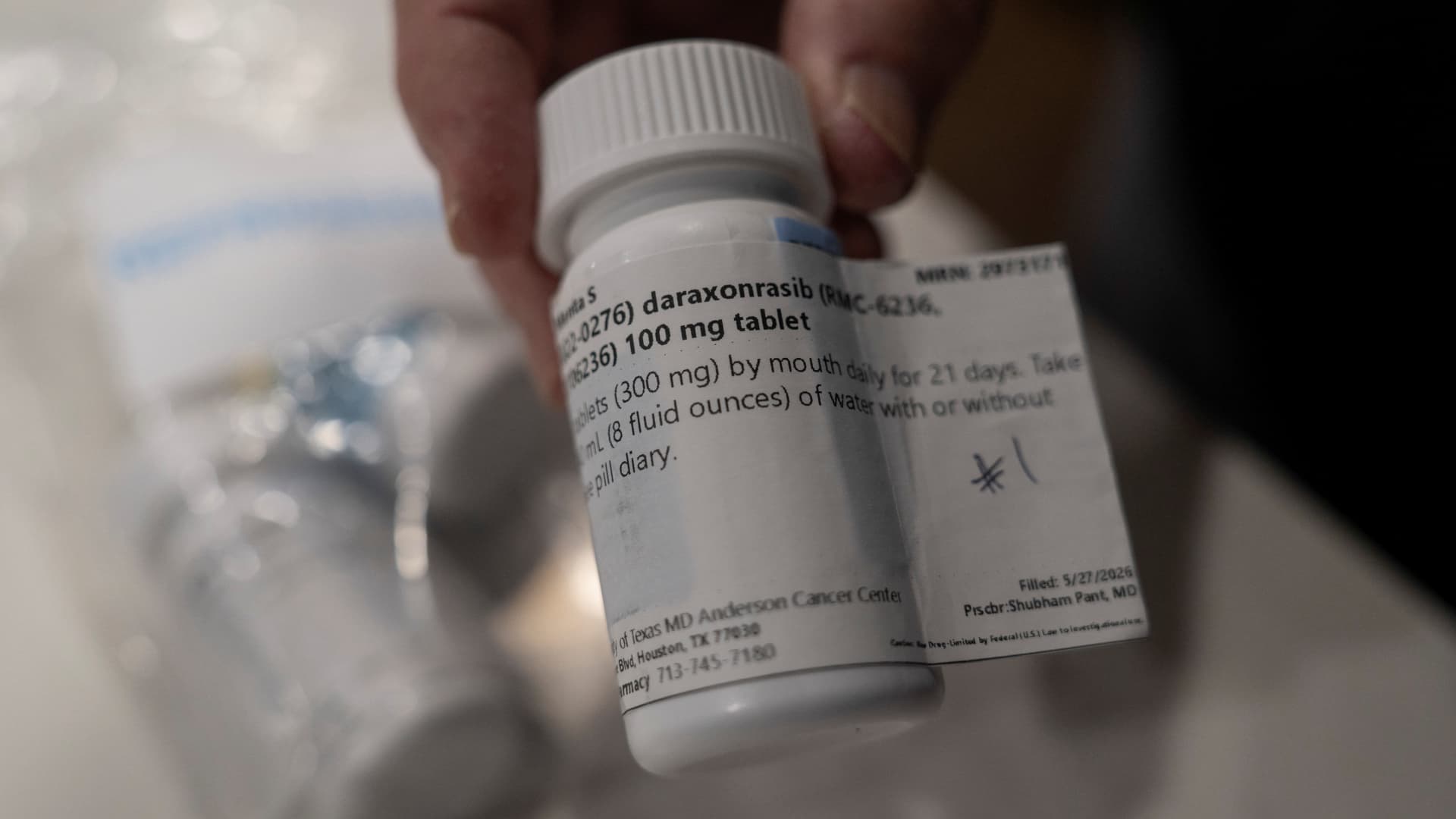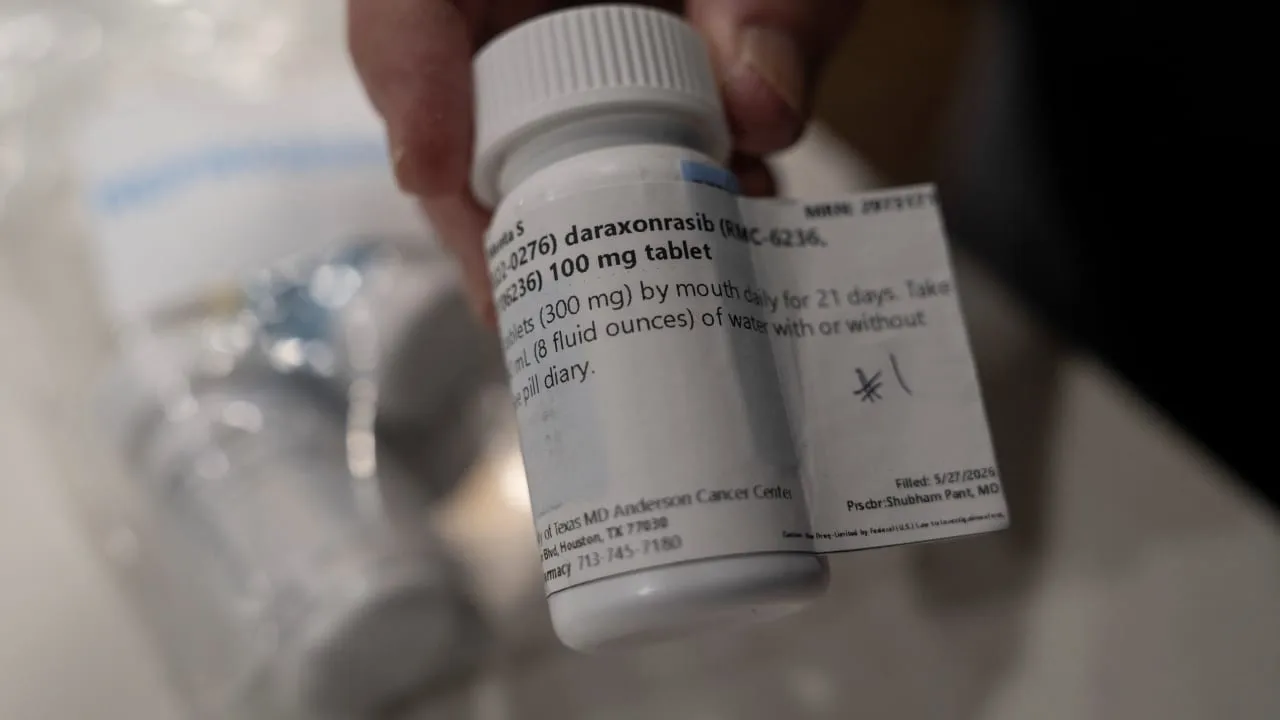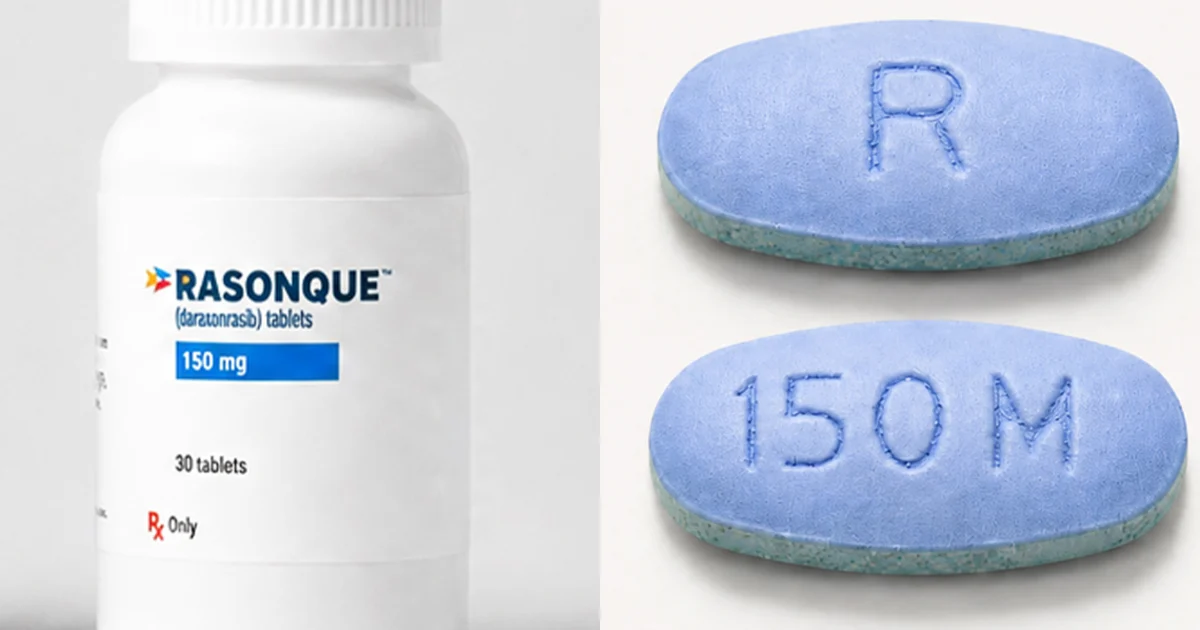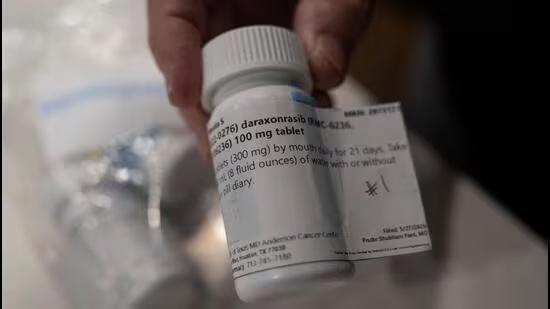
The Food and Drug Administration on Wednesday approved Rasonque, a once-daily pill developed by Revolution Medicines to block several forms of the RAS protein — the mutation that drives tumor growth in most pancreatic cancers, and in roughly a quarter of all human cancers overall. For investors like Dr. Danish Nagda, an early shareholder in Revolution, the approval matters less for what it does in pancreatic cancer than for what it proves: that a mechanism long considered “undruggable” finally works — and works in one of oncology’s hardest cases.
It’s approved for adults with metastatic pancreatic adenocarcinoma who have already tried one round of treatment or cannot receive combination chemotherapy, and doesn’t require a test to identify a specific RAS mutation first. (Adenocarcinoma is cancer that begins in glandular cells, the cells that line organs and produce substances like mucus, digestive enzymes or hormones. It’s one of the most common cancer types overall, and in the pancreas specifically, it accounts for 90% to 95% of all cases.)
Brian Wolpin, the trial’s principal investigator and director of the Hale Family Center for Pancreatic Cancer Research at Dana-Farber Cancer Institute, said the approval “gives physicians the confidence that directly inhibiting RAS can make a striking difference for patients.” Anna Berkenblit of the Pancreatic Cancer Action Network called it “the most significant advance we have seen in the fight against pancreatic cancer.