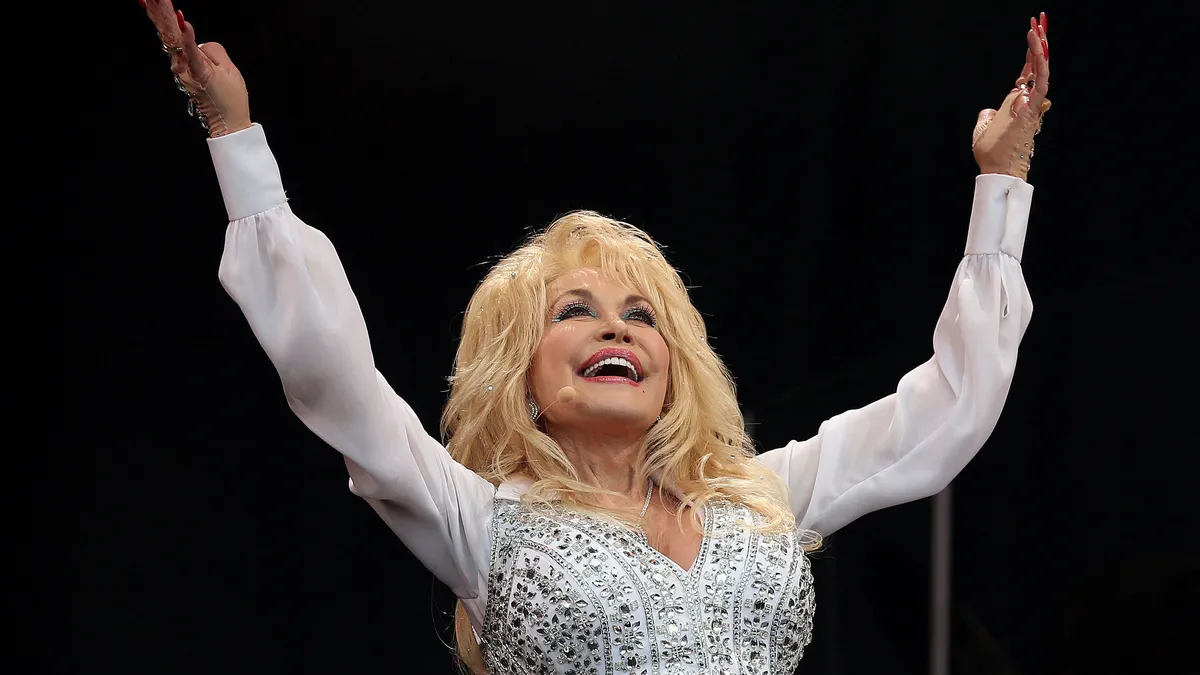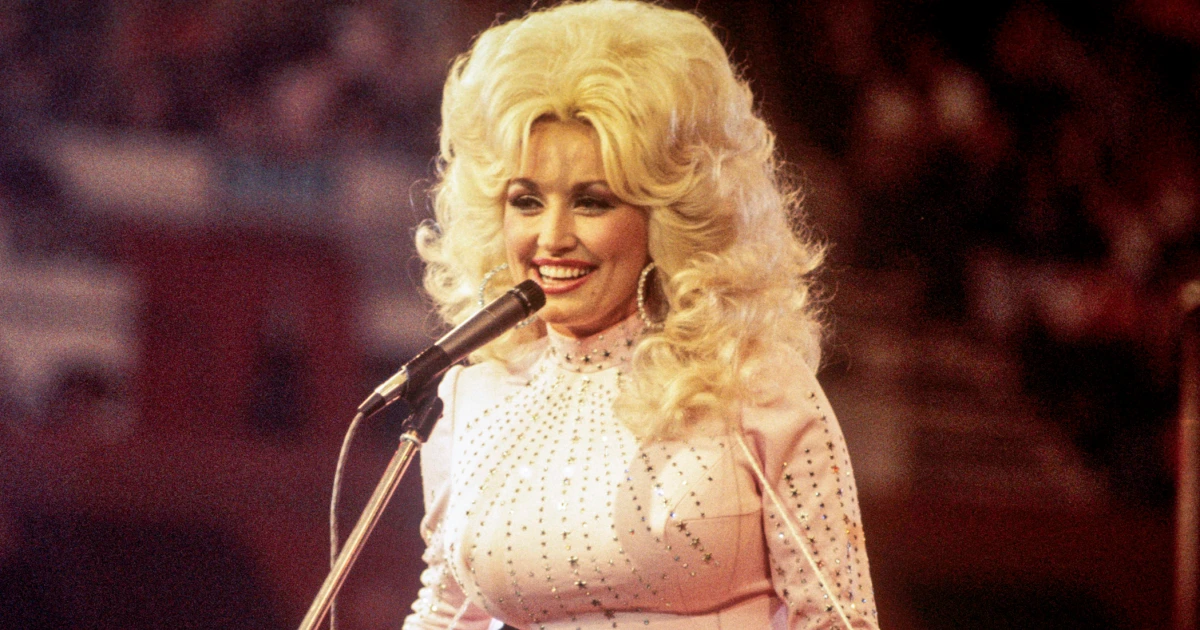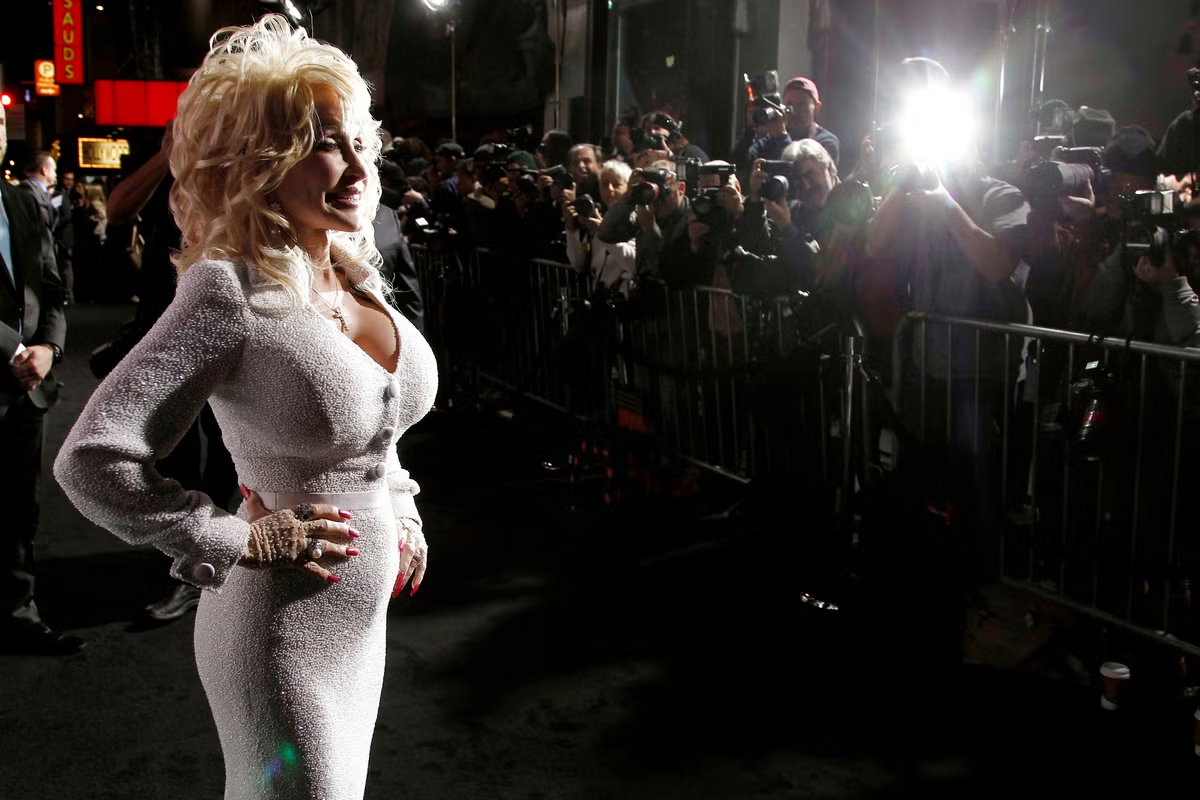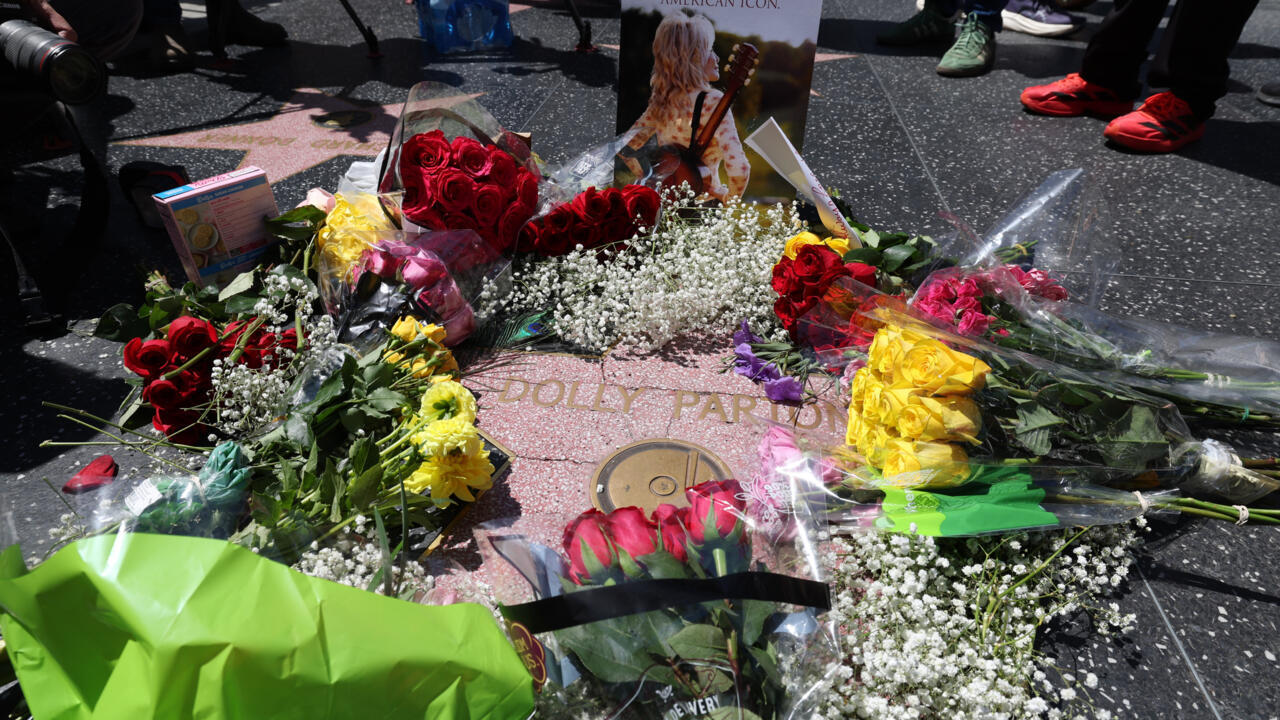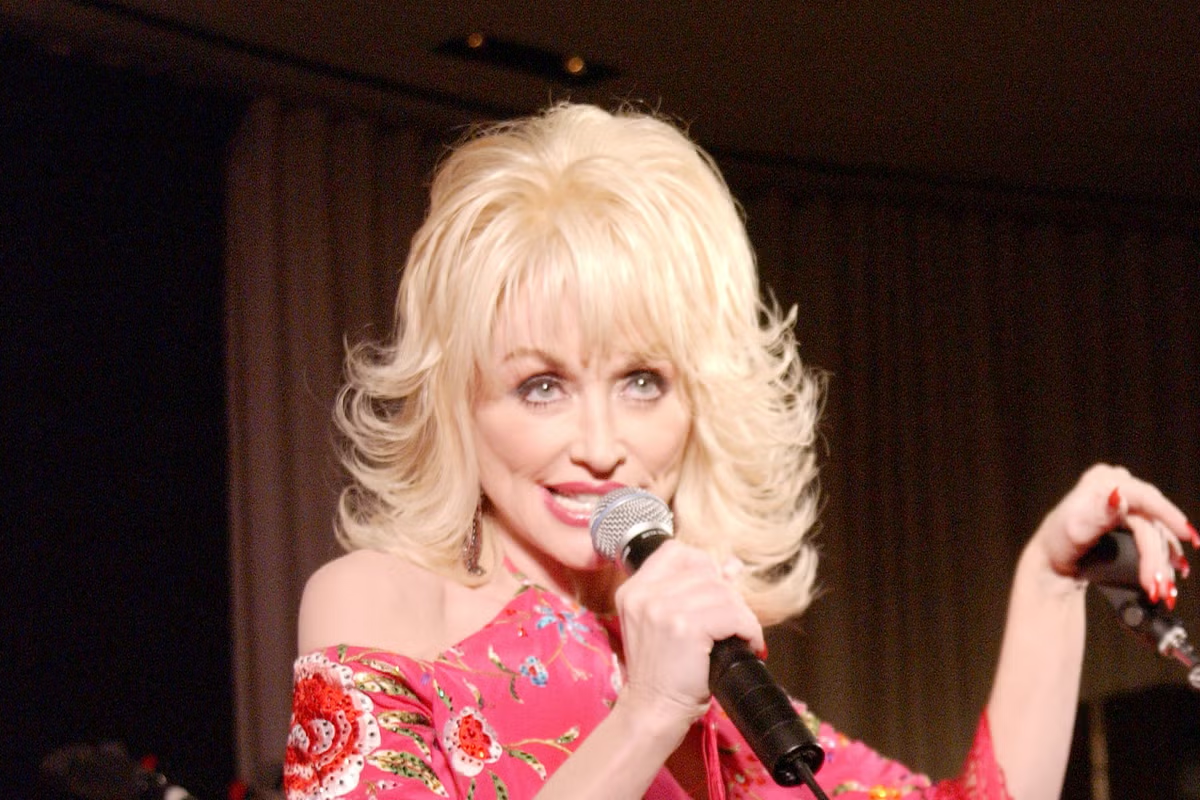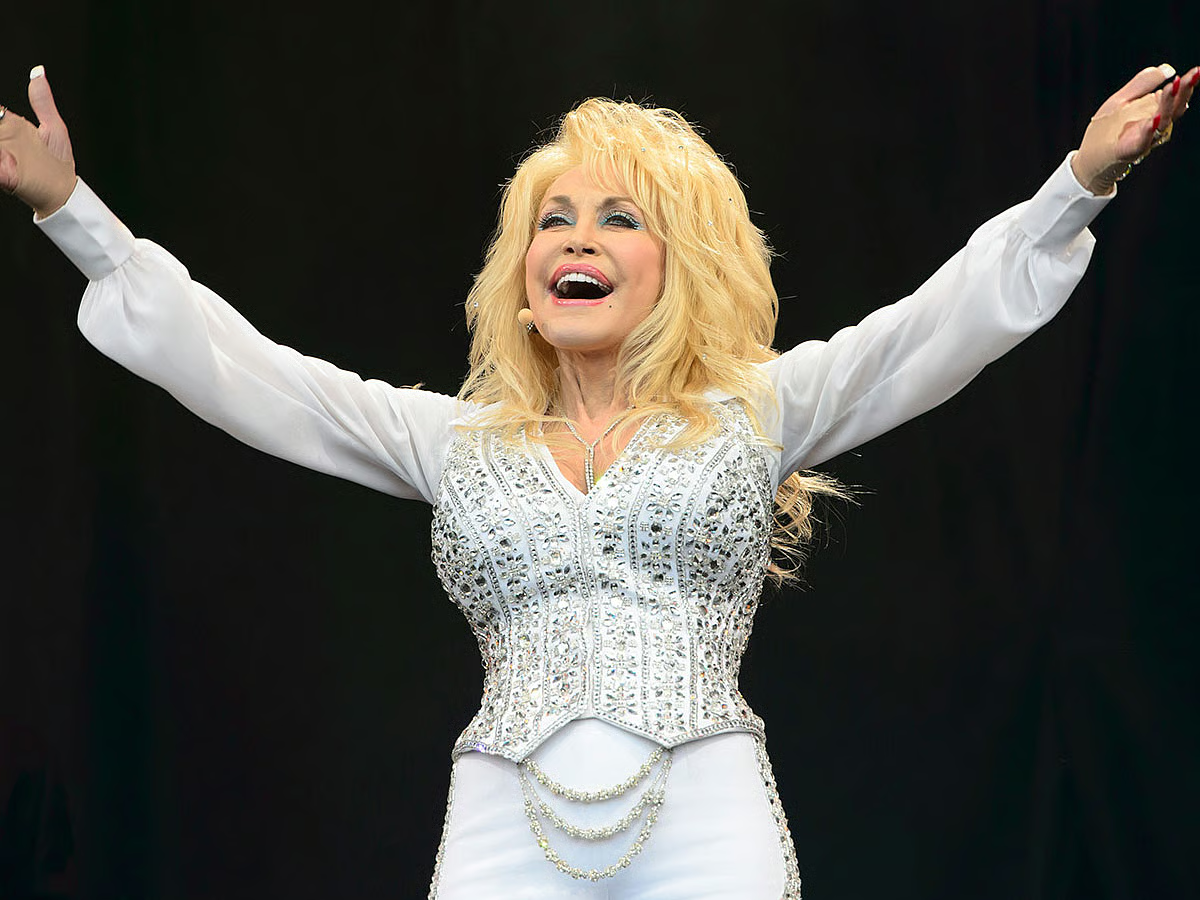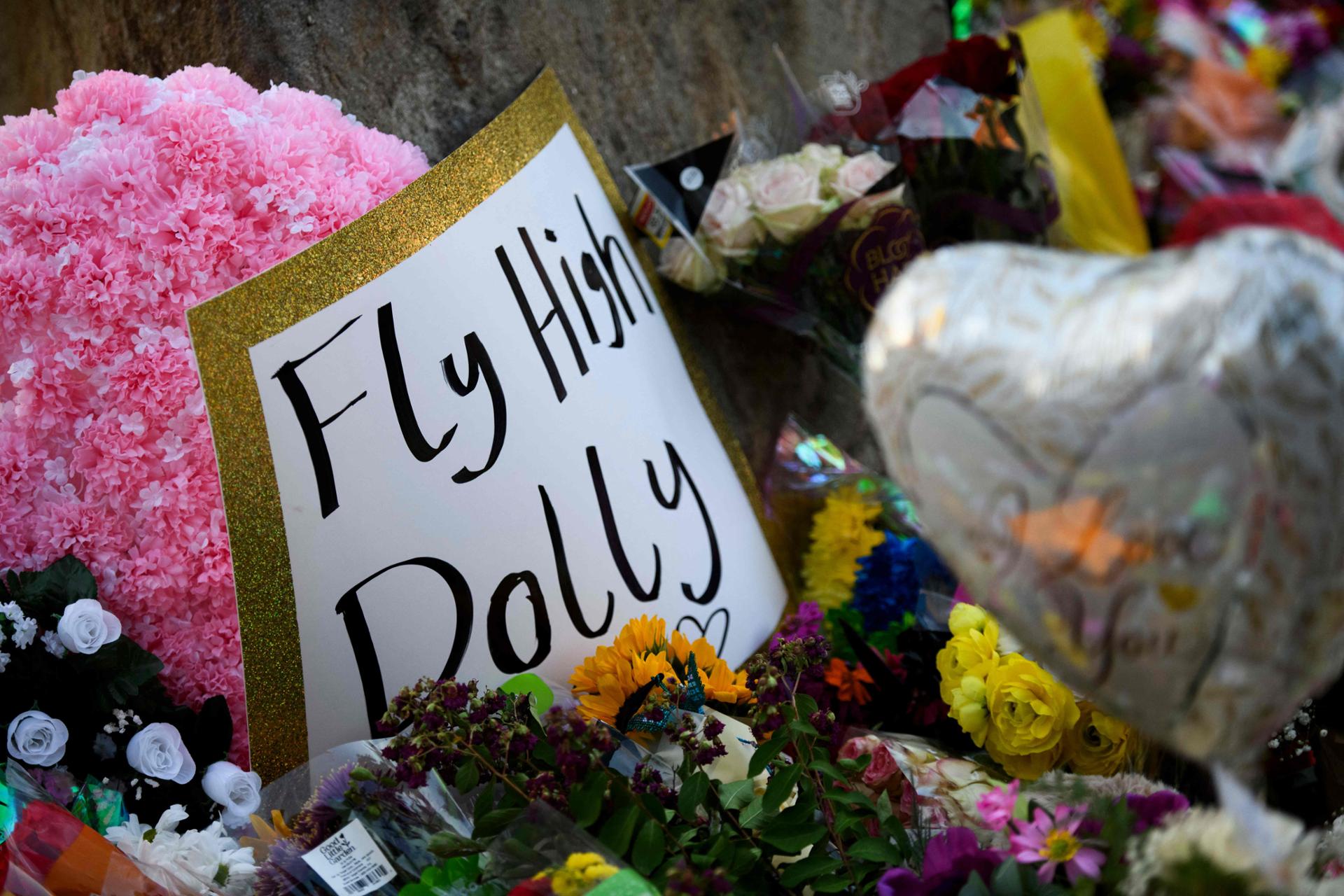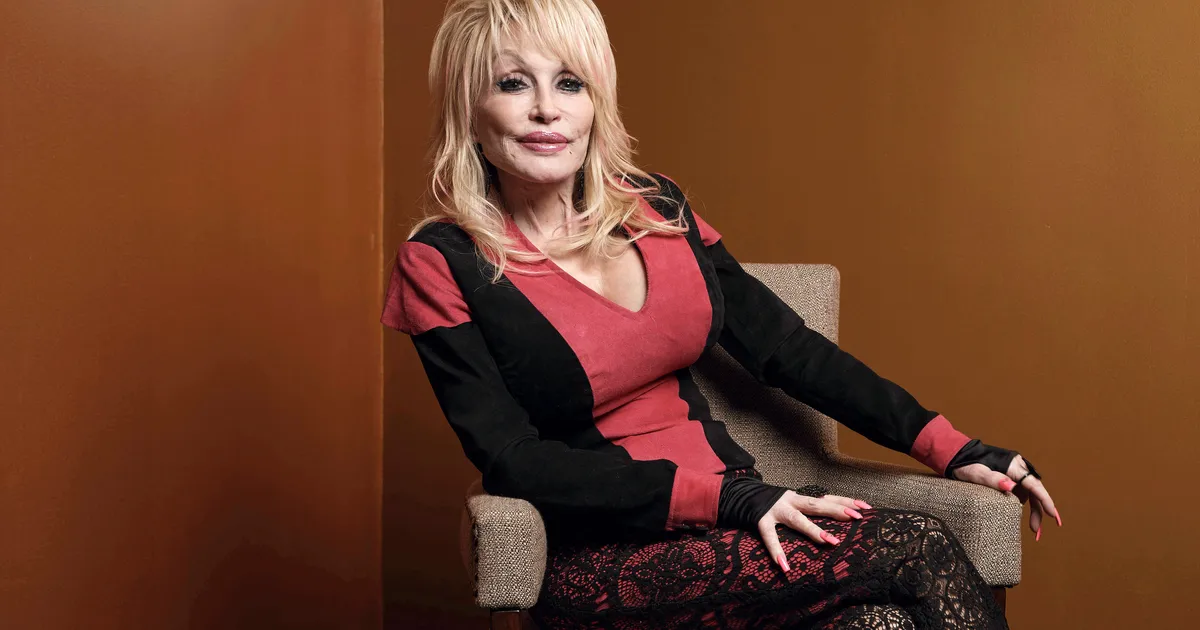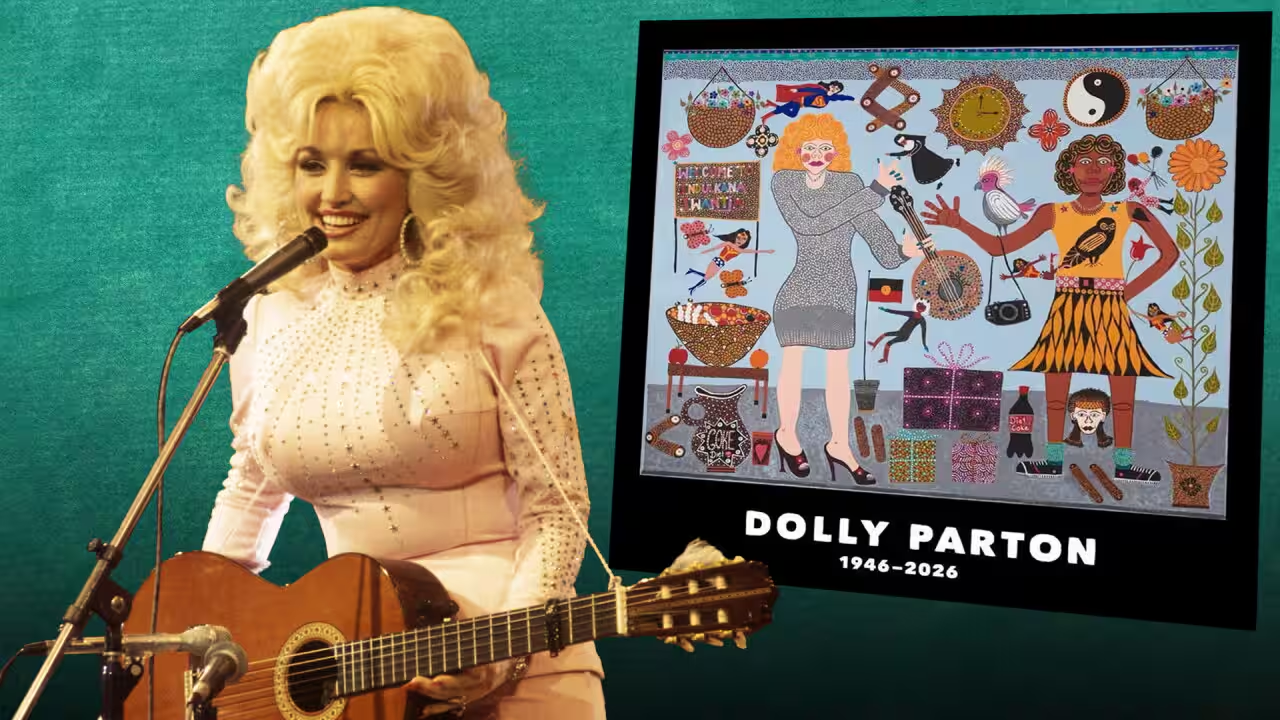
I was sad to learn of Dolly Parton’s death too. Just like, so it seems, every single person I have ever known. I spent 20 minutes on Instagram on Tuesday night – not technically great reportage but enough to collect some valuable “anecdata” – and was inundated with outpourings of grief, love, admiration and other such histrionic feelings for the US singer. Who knew everyone was harbouring this secret but passionate devotion to Parton? To country, bluegrass and pop? Fair enough, there is an awful lot to like. The young Appalachian kid born in a cabin in Tennessee takes on Nashville and then conquers the world, the chart list and the hearts and minds of the US. It is the stuff of Hollywood fantasy. And then there is the philanthropy with the Dollywood Foundation which gave out college scholarships and helped Tennessee teenagers complete high school, and now dispatches books – 40 million last year alone – to children in the US, Canada, Australia, the United Kingdom and Ireland. The songs are great and her look was totally sui generis. Most impressively, perhaps, Parton – a devoted Christian who spoke in the twangiest of Southern accents – managed to float above partisan politics. She was loved by traditional conservatives, progressive leftists and every constituency in between. And – if my jaunt through Instagram and X tells me anything – her appeal spanned generations. Millennials, Gen Z and Boomers are united in their valorisation of the most popular woman in the world. “The late singer was perhaps the only person in the United States who commanded nearly universal affection”, said the Atlantic, while the BBC suggested “Dolly Parton was the one thing most Americans could agree on”. In the Free Press, Dolly was declared “the last universally beloved figure in our scattered, splintered, angry age”. The overwhelming consensus is that Dolly Parton is the consensus, the monoculture – this apolitical US hero who could unify nations and unite enemies, remind us that there is more in common than what divides us and all that Kumbuyah stuff. [ Dolly Parton’s last act was to briefly silence America’s toxic political discourseOpens in new window ]It’s a little bit over the top. But I am not minded to complain. The au courant mode of cultural criticism these days is to suggest that the world is quite literally falling apart at the seams. Because of Netflix, no one watches the same TV shows; because of TikTok, kids don’t go outside to play; X has funnelled us into hyper-political silos; the nature of 21st century white-collar work means families don’t sit down for dinner together any more. In short, the monoculture is dead, and we killed it through negligence.If these critics are right, then this all sounds very bad indeed. What happens when we have no shared reference points? Nothing to talk about, to bond over, to speak to a common humanity? Or, as the Wall Street Journal put it earlier this year: “The monoculture was a unifying force when politics, race and geographic and generational divides kept threatening to tear us apart.” Now that the “glue” has gone, and “everything has splintered”, we must be destined for societal hell, no? Without Dolly Parton – apparently the only thing Americans could agree on – civil war must loom ...[ Artists pay tribute to Dolly Parton, with Donald Trump ordering flag to be lowered in USOpens in new window ]Well, I hope I do not sound like too much of a cynic when I suggest we might be overstating the powers of the monoculture, and indeed of Dolly Parton. I am sure that the secret to preventing race war is not to make sure that every citizen sits down to watch EastEnders on Friday nights, nor do I think Sinn Féin and the DUP would finally see eye to eye if they just went to the cinema together now and then. Shared cultural reference points do act as a social adhesive – Dolly Parton’s death is proof of that. But the monoculture did not hold society together – Beatlemania and the Cold War happened concurrently! But even more than that, are we not overstating the death of the monoculture in the first place? It is easy to look at all the misery wrought by phones and worry that society is totally and irredeemably splintered (fractured, atomised, whatever). But all I can think of is Sally Rooney, Taylor Swift’s Eras Tour, the ubiquity of the Odyssey this year and the summer of the Barbie movie. And then I also look to the generations that are supposed to be furious at each other over the broken social contract, all discovering that secret shared affection for a US country singer. No, the monoculture isn’t dead, and Dolly Parton was not the last scrap of evidence for its existence. It’s something far more troubling than that. The monoculture, in whatever form it takes now, will not save us, and it is naive of anyone to suggest it might. Going to the movies is just not the glue that holds unhappy countries together.
Finn McRedmond: Dolly Parton’s death proves shared cultural reference points do act as a social adhesive
Millennials, Gen Z and Boomers are united in their valorisation of the most popular woman in the world
851 words~4 min read