Show Caption
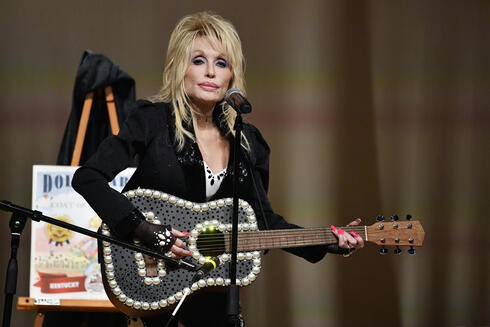
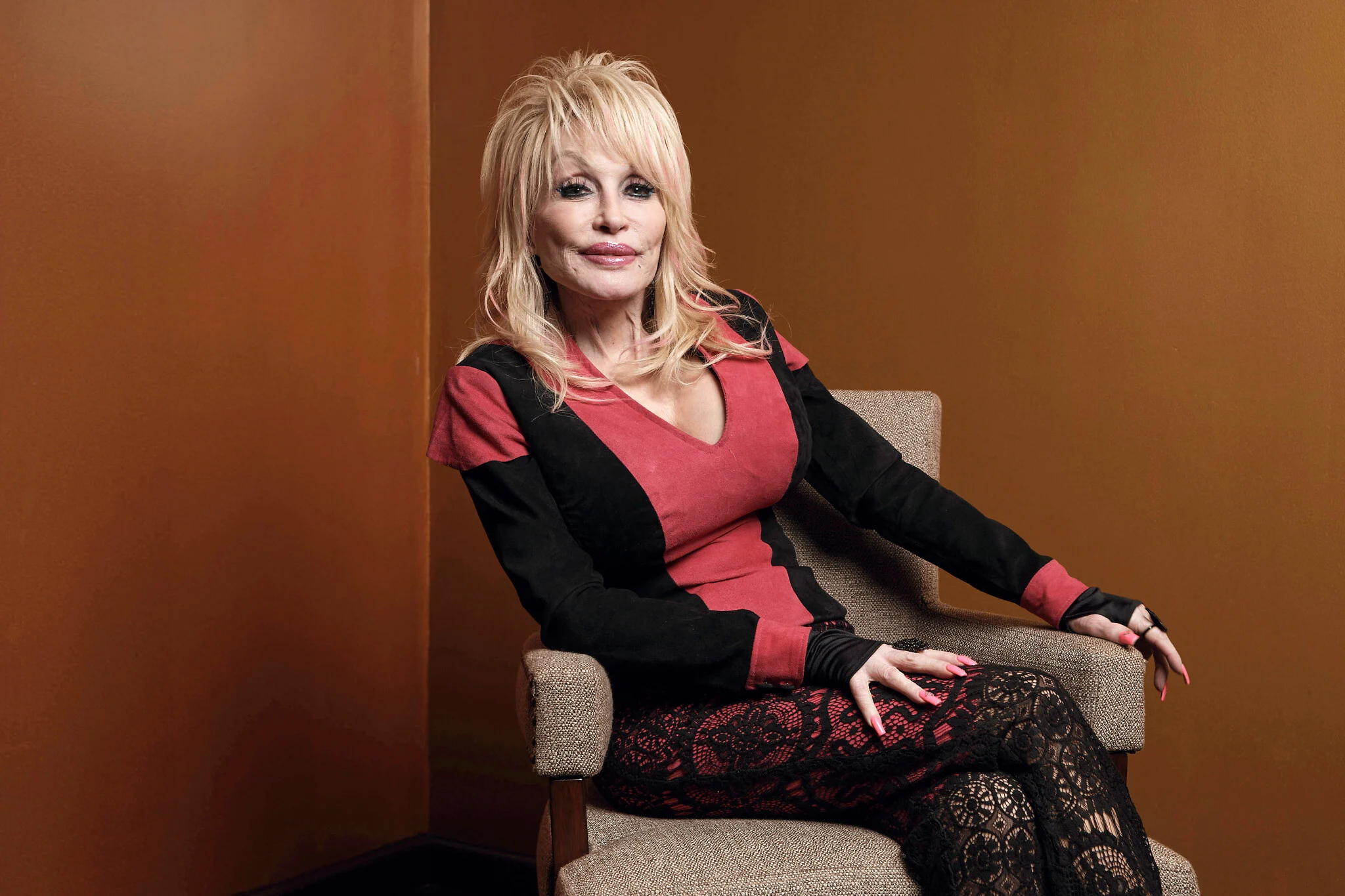
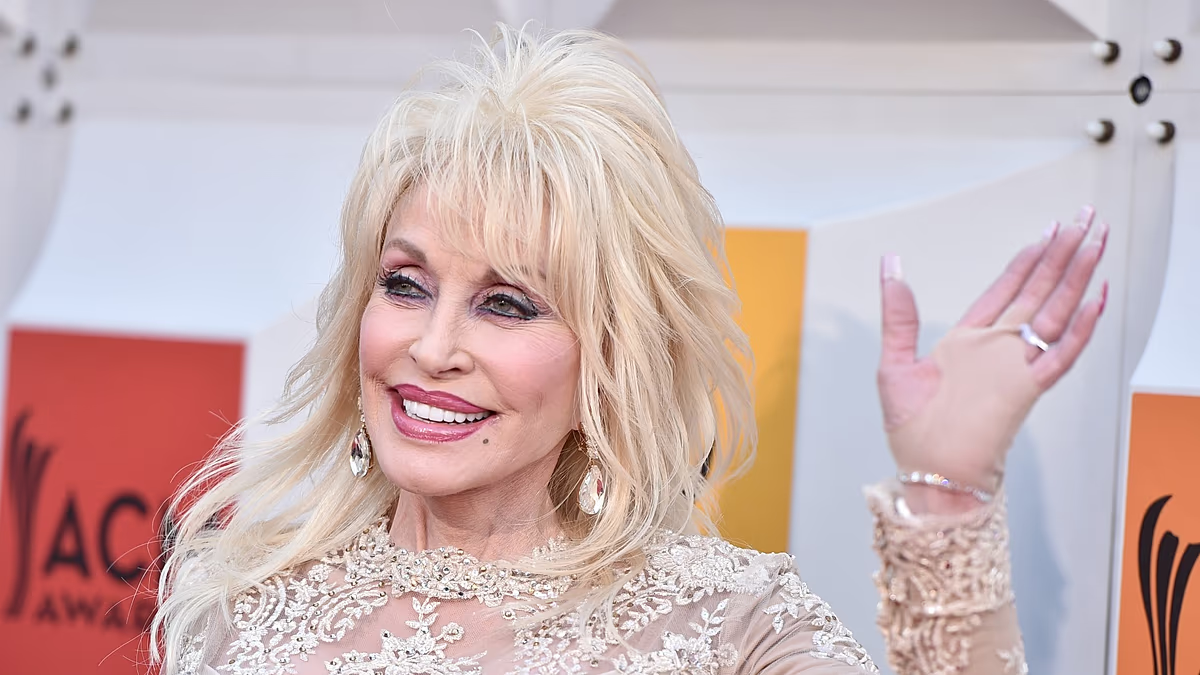
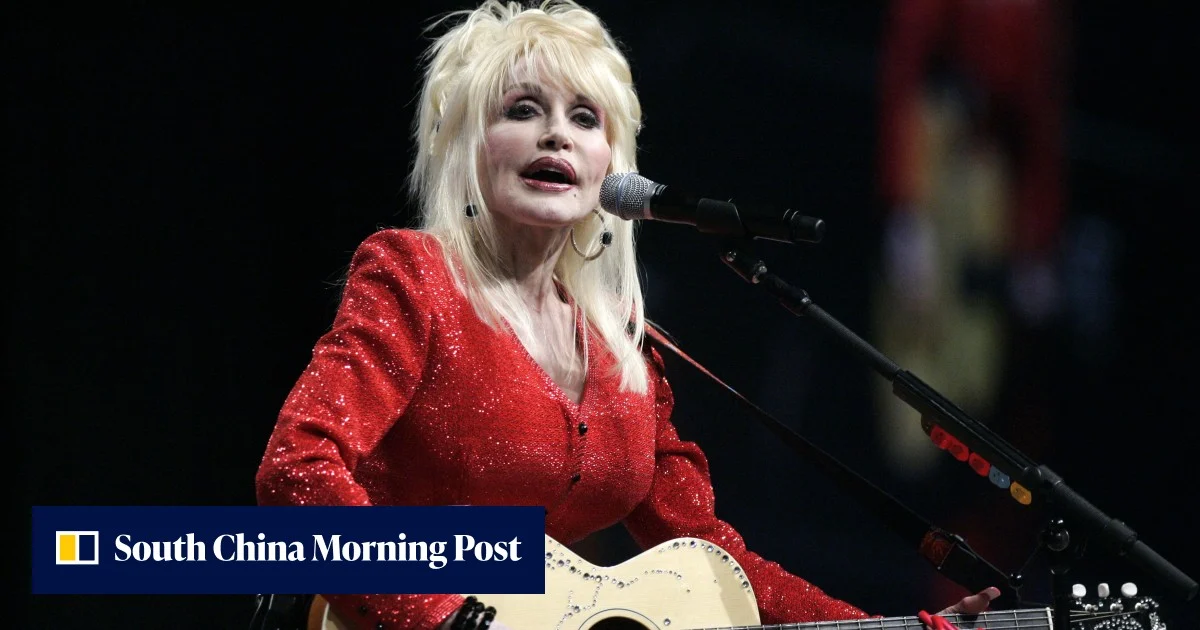
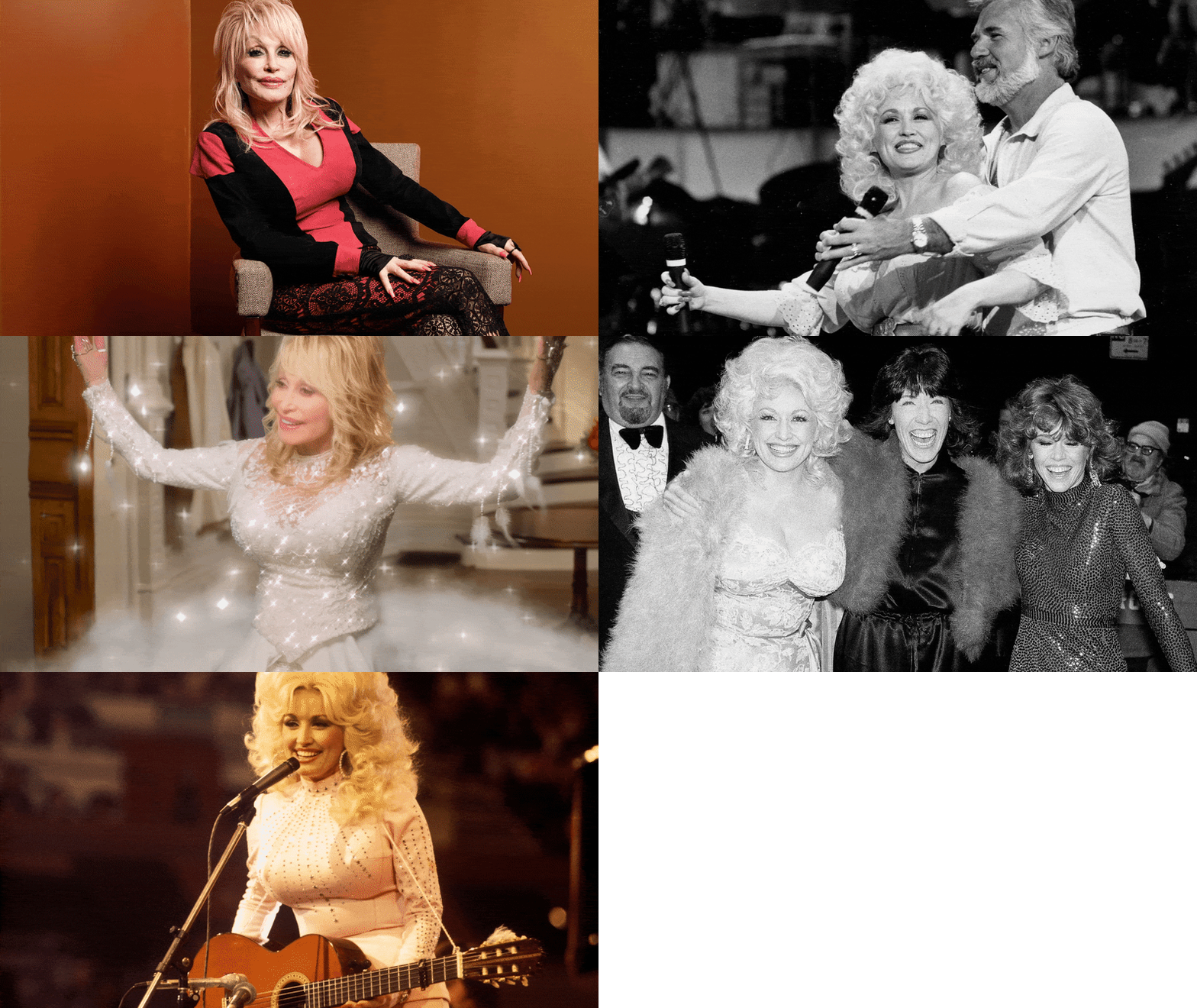
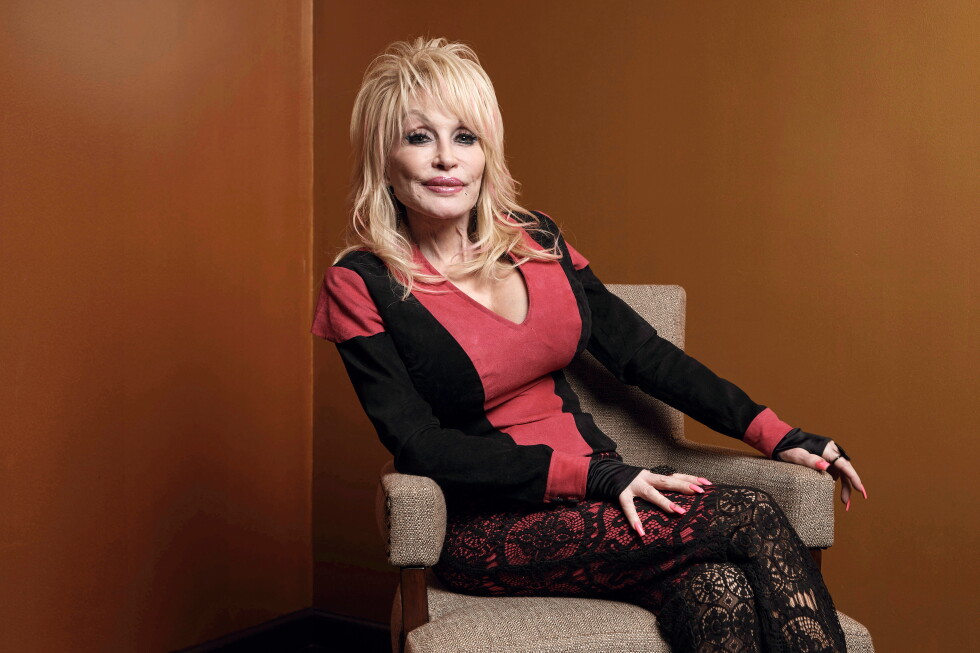
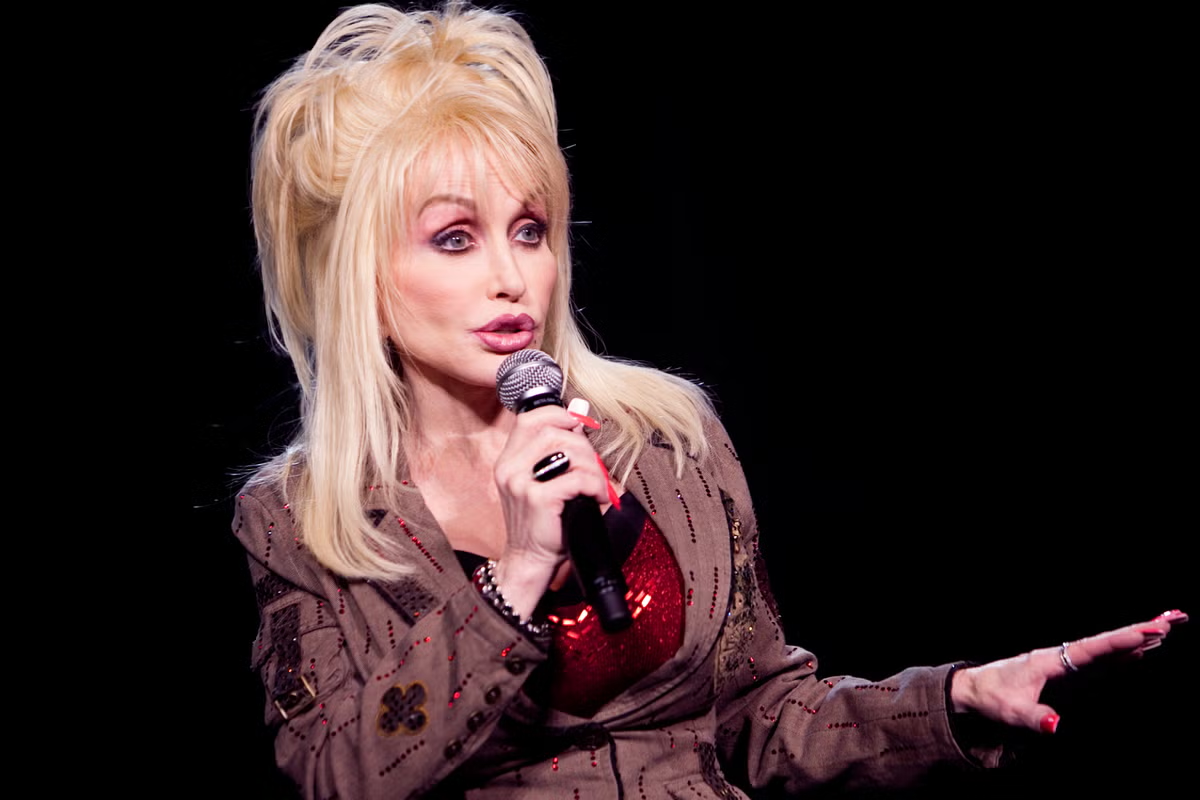
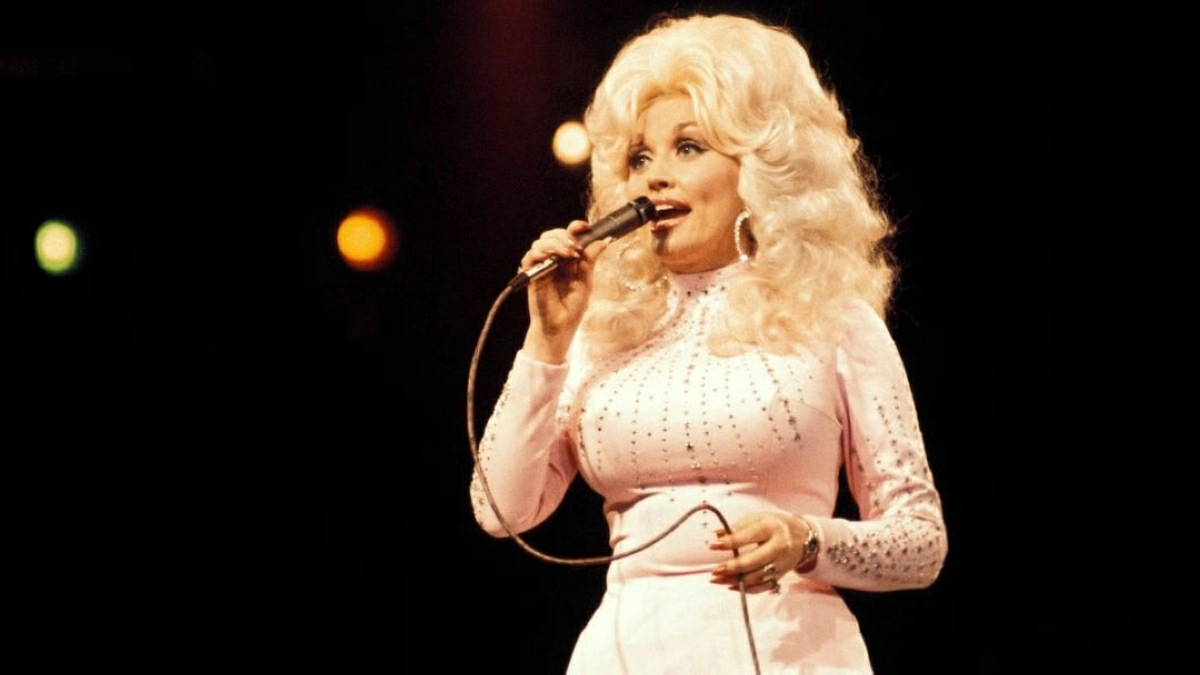
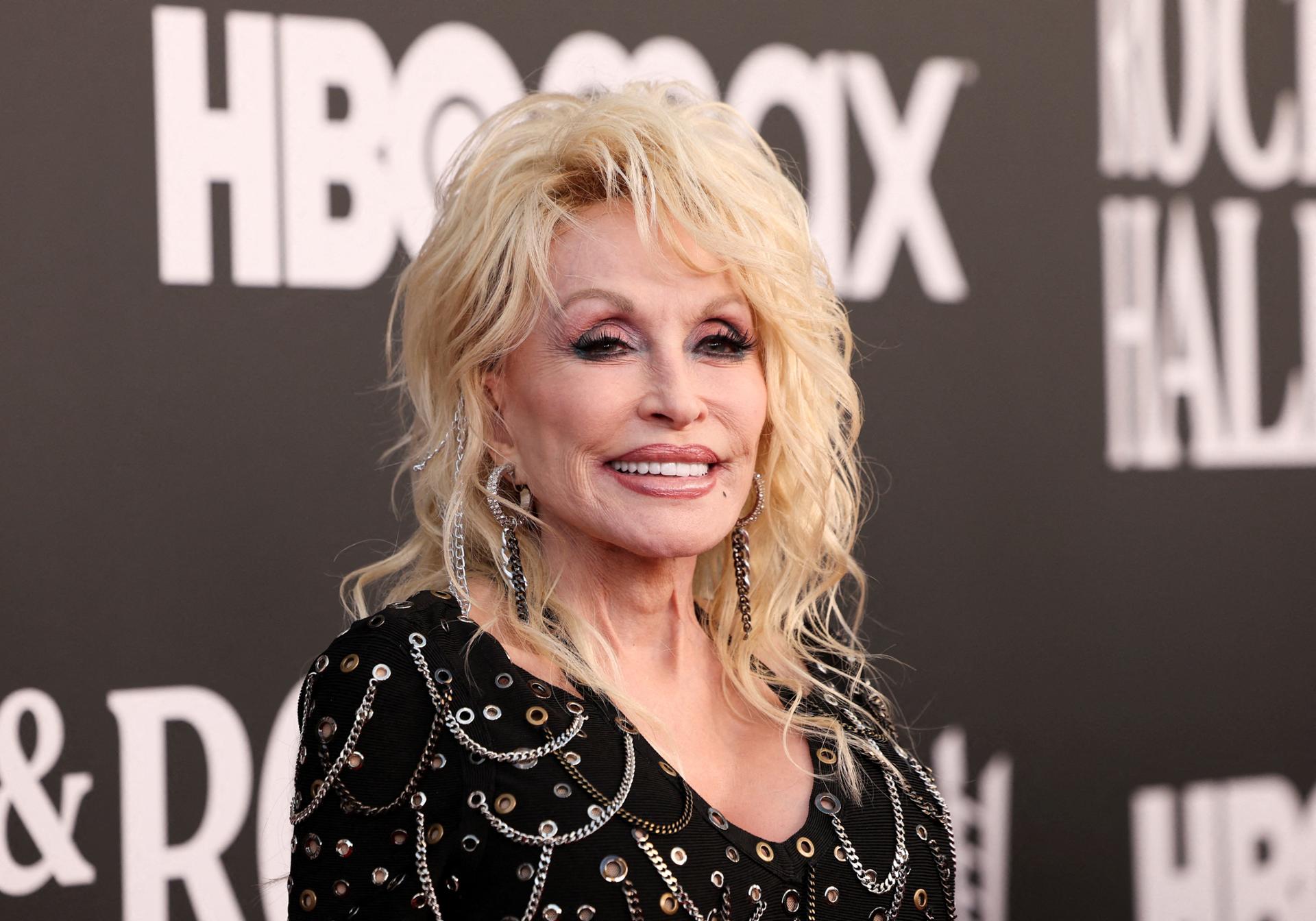
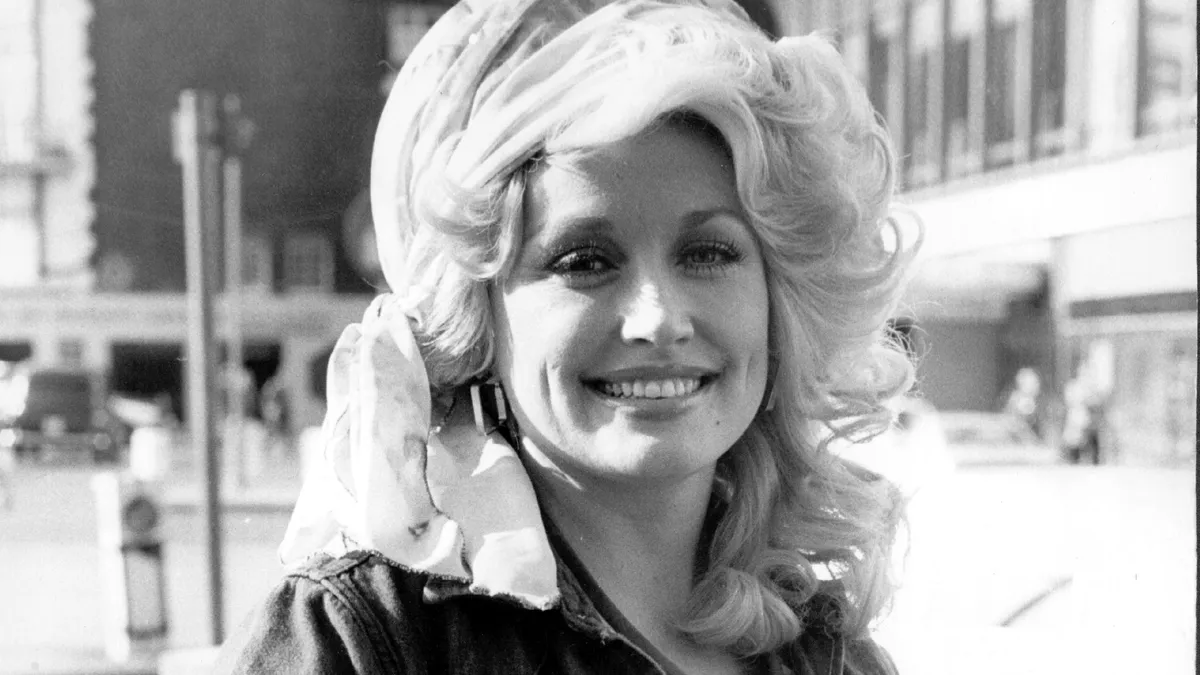
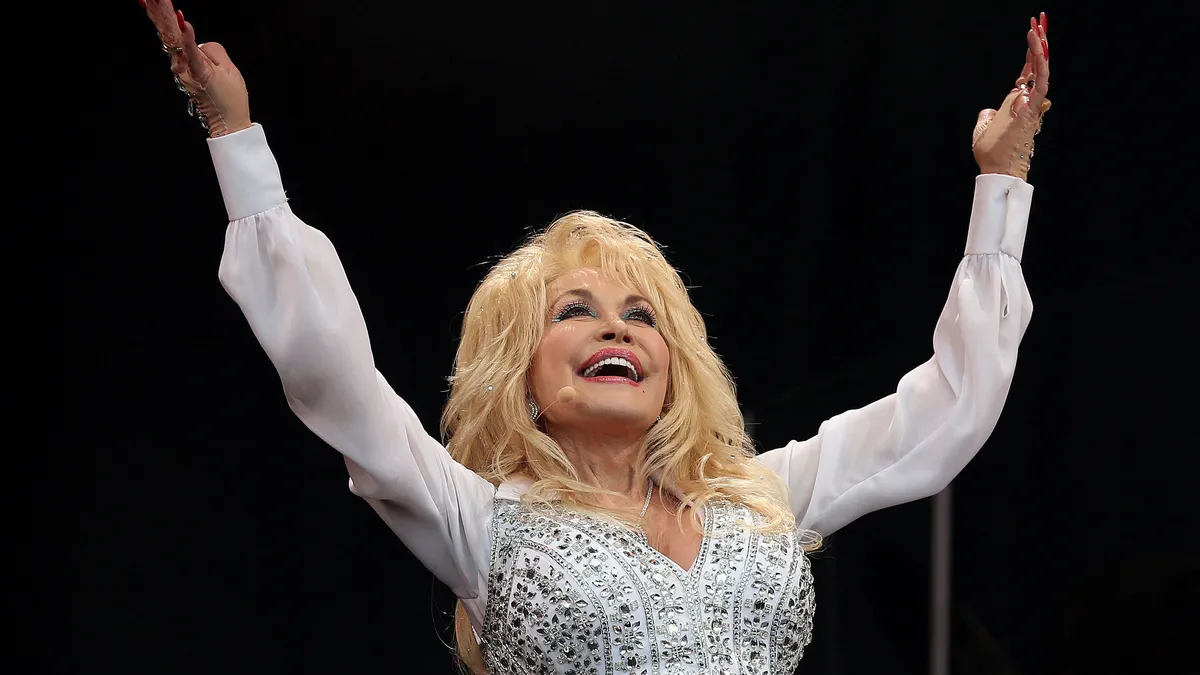
Dolly Parton, who died Aug. 25 at 80 years old, belonged to everyone.The singer behind hits like "Jolene," "I Will Always Love You" and "9 to 5" grew from a small-town act in the Great Smoky Mountains region of East Tennessee into an international superstar. She became a sensation among baby boomers who watched her meteoric rise, and their children grew up with her music, movies and larger-than-life persona. She gained a new fan base in millennials and Gen Zers as "Aunt Dolly," Miley Stewart’s happy-go-lucky godmother on "Hannah Montana."It’s rare for a celebrity to so deeply transcend generations and partisan politics, but Parton became part of the cultural fabric for everyone. Her death comes as a collective loss for all of America.People have flocked to social media to share their grief."Dolly Parton felt like one of those people who would always be with us. Just a larger than life figure whose influence transcended generations, musical tastes, and political lines. Everyone loved her," one fan wrote on X. "Honestly, an incalculable loss."Many praised Parton’s philanthropic efforts and advocacy for LGBTQ+ rights. Notably, her Imagination Library book gifting program has given nearly 200 million books to children worldwide since its launch in 1995."She was the closest thing to an angel we have ever had on earth," one fan wrote on X, praising her childhood literacy programs.Throughout her 60-year-career, Parton’s 49 studio albums earned 25 No. 1 hits on Billboard's Hot Country Songs chart, the most of any female country artist, and spanned every decade from "Joshua" in 1971 to "Tyrant" with Beyoncé in 2024.Others reflected on her community work in the South, where she never forgot her roots as the fourth of 12 children, born in a two-room home in Tennessee singing hymns, folk songs and traditional mountain music. Some fans reflected that Parton represented a different era of America, one that wasn’t defined by political divisions and partisanship. "Dolly Parton was a ray of light for Appalachia," one fan wrote. "I know this sounds corny and cringey and naive and whatever, but Dolly Parton felt like America when it was trying to be the place it promised to be," another said.What is 'collective grief'?It's not unusual that Parton’s death is affecting some fans so deeply. Celebrity deaths can feel personal, even if you never met the person. And while grief is different for everyone, experts say "collective" or "public grief" is a valid experience and can be exacerbated when the death of a public figure is learned unexpectedly in the news or on social media."When people experience sudden loss, they may feel shocked, disbelief, confused, and even in denial," Shavonne Moore-Lobban, licensed psychologist, previously told USA TODAY. "The suddenness of the loss may be too much to process and feel too unreal for a person to immediately grasp."Many people also experience parasocial relationships with celebrities, a phenomenon frequently associated with fan culture, which can make a public figure's death feel even more real. Though Parton rose to fame before social media, she grew a heavy following there as well, with 8.9 million followers on Instagram."It's a fascinating thing that people don't realize we really can grieve people we didn't know," David Kessler, grief expert and founder of Grief.com, previously told USA TODAY. "And it doesn't mean we're going to grieve them like our spouse or mother, father, or sister or child, but we will grieve them."How to navigate 'collective grief'See Dolly Parton fans mourn her death in emotional videosDolly Parton's family announced the legendary singer's death at age 80. Fans took to social media to share their sadness.Grief looks different for everyone, and there's not one right or wrong way to navigate it. It's OK to grieve a person you didn't know − but always remember, they have real families and people in their lives mourning them too who may need privacy during this time.Information on Parton’s death is still being revealed. If you find yourself doomscrolling, it's OK to step back and put the phone down.And, don't feel pressure to put a timeline on your grief."There is no limit to grief and because it is a cycle or process, it will continue as long as it needs to for the person who is experiencing it," Moore-Lobban previously told USA TODAY.Contributing: Devarrick Turner and Melissa RuggieriIf you are struggling with feelings of sadness, confusion or grief, help is available. Call or text 988 or contact the Crisis Text Line by texting HELLO to 741-741.Rachel Hale’s role covering Youth Mental Health at USA TODAY is supported by a partnership with Pivotal and Journalism Funding Partners. Funders do not provide editorial input.Reach her at rhale@usatoday.com and @rachelleighhale on X.