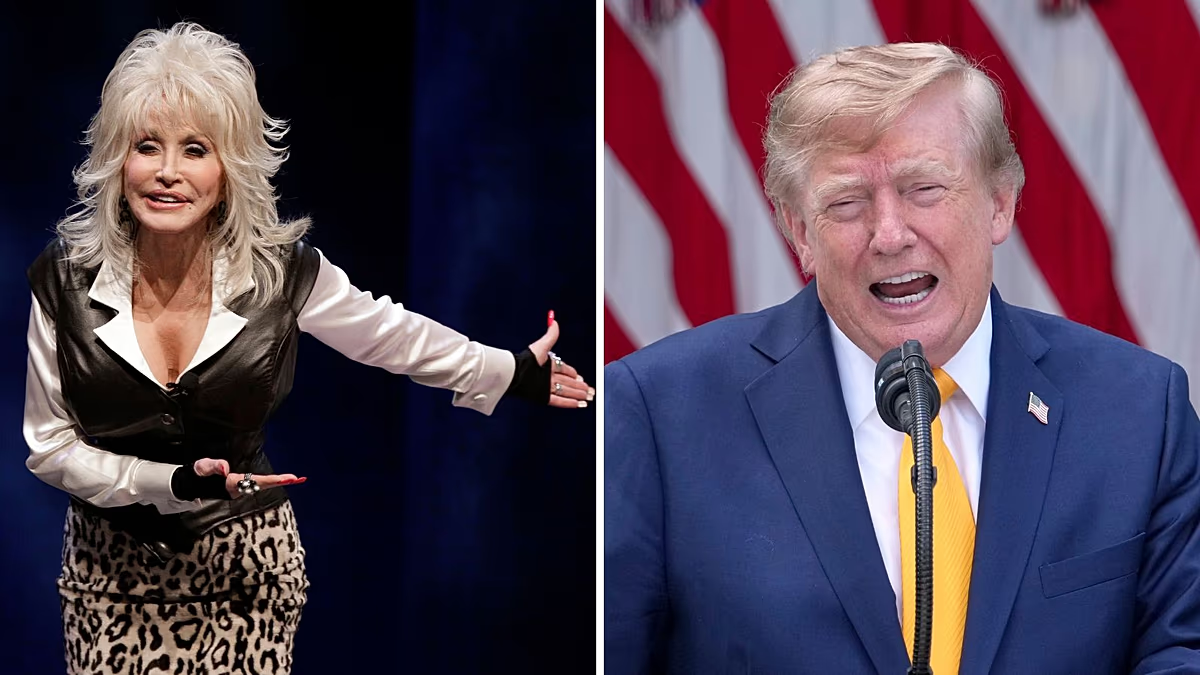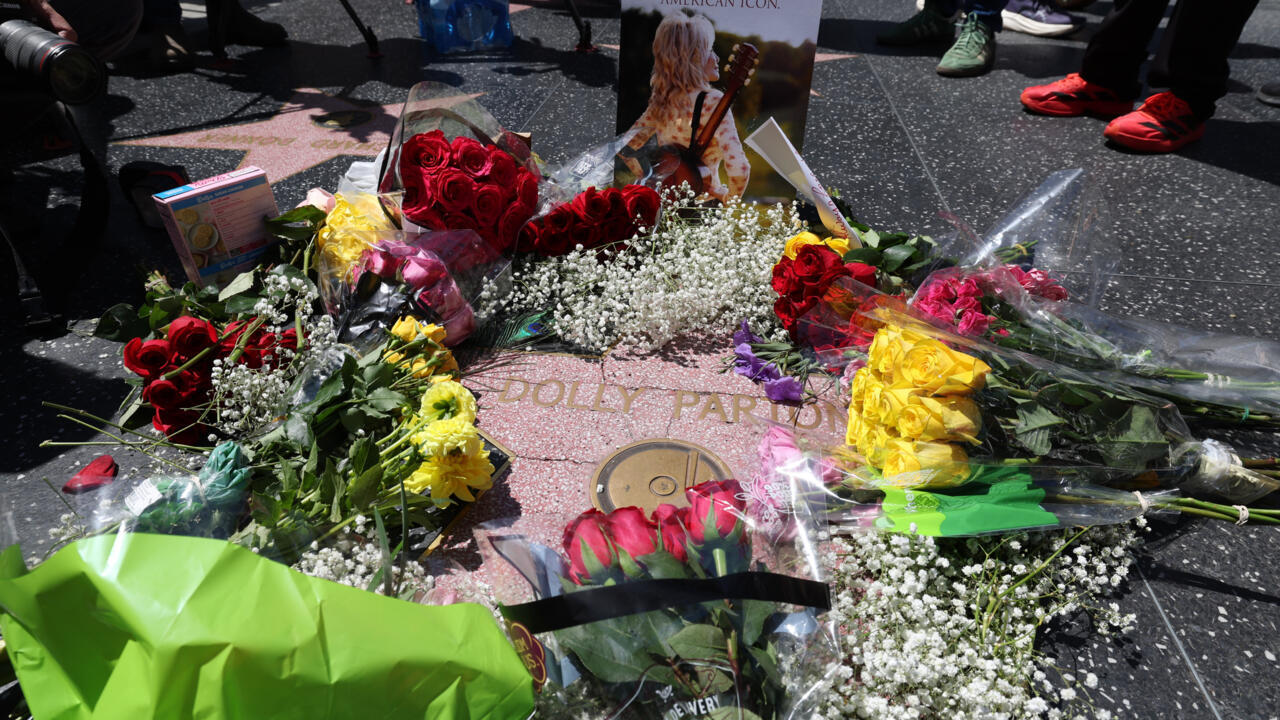
Following news of Dolly Parton’s death, my social media feeds have been filled with people of all backgrounds mourning the icon — President Donald Trump even announced that American flags would be lowered to half-staff for an entire week to honor her. At a time when we can’t seem to agree on almost anything, we can at least all agree that Parton was iconic. Trump is one example, though, of the type of fan who ironically miss the whole point of what the artist represented. Yes, Parton was great as a musician and entertainer but what also made her stand out among giants is that she used her art as a tool for storytelling, empathy, and to actually help marginalized communities. And she did it with stealth, never coming across as “too political.”Case in point: She invested millions of dollars’ worth of royalties that she earned from Whitney Houston’s cover of “I Will Always Love You” in a predominantly Black community in Nashville. For many women, queer people, and people of color, her death hits particularly deep at a time when we desperately need voices like hers. Creators online have been resurfacing her numerous acts of philanthropy and empathy, but there’s one specific tribute that resonates with me. In it, creator Tomás Mier talks about a song Parton covered, “Deportee (Plane Wreck at Los Gatos),” that was in her mega-successful 1980 album “9 to 5 and Odd Jobs.” If you don’t know the song — which admittedly, I didn’t either until this week — the lyrics were written by poet Woody Guthrie in 1948. It recounts the story of a plane, chartered by the U.S. Immigration and Naturalization Service, carrying 32 Mexican migrants on their way to be deported. Tragically, the plane crashed, killing everyone on board. At the time, news outlets named the American crew members and the guard who’d been on the plane, while simply referring to the 28 Mexicans as anonymous “deportees.” To add insult to injury, the 28 Mexican nationals were buried together in a mass grave in Fresno, California, according to The New York Times. Guthrie’s haunting poem was a powerful example of how nonwhite immigrants were systemically dehumanized in the U.S., and the poem was later turned into a song by musician Martin Hoffman. In her cover of that song, Parton’s signature vocal timbre adds a haunting gravity to the lyrics. “Goodbye to my Juan, goodbye Rosalita, adios mis amigos, Jesús and Maria,” she sings of the imagined names of the migrants, whose true identities were not known when the poem was written.To choose to cover this particular song and place it on an album that pays tribute to the American worker was not a coincidence. Parton was essentially saying that these Mexican migrants were just as essential as any other American worker and that they deserved dignity, especially when undocumented immigrants have long been portrayed as being at odds with the white American blue-collar worker. Nearly 80 years after that plane crash, undocumented immigrants, many of whom make up an important part of the American workforce, continue to be ostracized and treated as faceless foreigners. There are probably dozens of Jesúses and Rosalitas in immigration detention centers in the country right now — at least 52 migrants have died under Immigration and Customs Enforcement custody since Trump took office in 2025, per Human Rights Watch. To honor Parton in a meaningful way requires more than just lowering flags or celebrating her upbeat music. It also means recognizing the people her art stood for, including the immigrants who continue to be reduced to fearmongering statistics today. Parton represented a vision of an American for whom empathy for the “other” was not antithetical to their identity but actually one of the very things that made them American. For all of this and more, Parton has earned our loyalty. She was putting a name to the anonymous “other” even when it presented potential risks to her career and artistry. And so while, yes, we’ll also mourn her big personality and even bigger hair, we’ll truly miss someone whose art meant something. She might not have been one of us, but she was clearly with us. And it’s why we’ll always give her her flowers.
Reminder: Dolly Parton Humanized The Exact People Trump Hates
Creators have been resurfacing her numerous acts of philanthropy and empathy, but there’s one specific tribute that resonates with me.
708 words~3 min read