Explainer: UN peace operations work to create, preserve peace
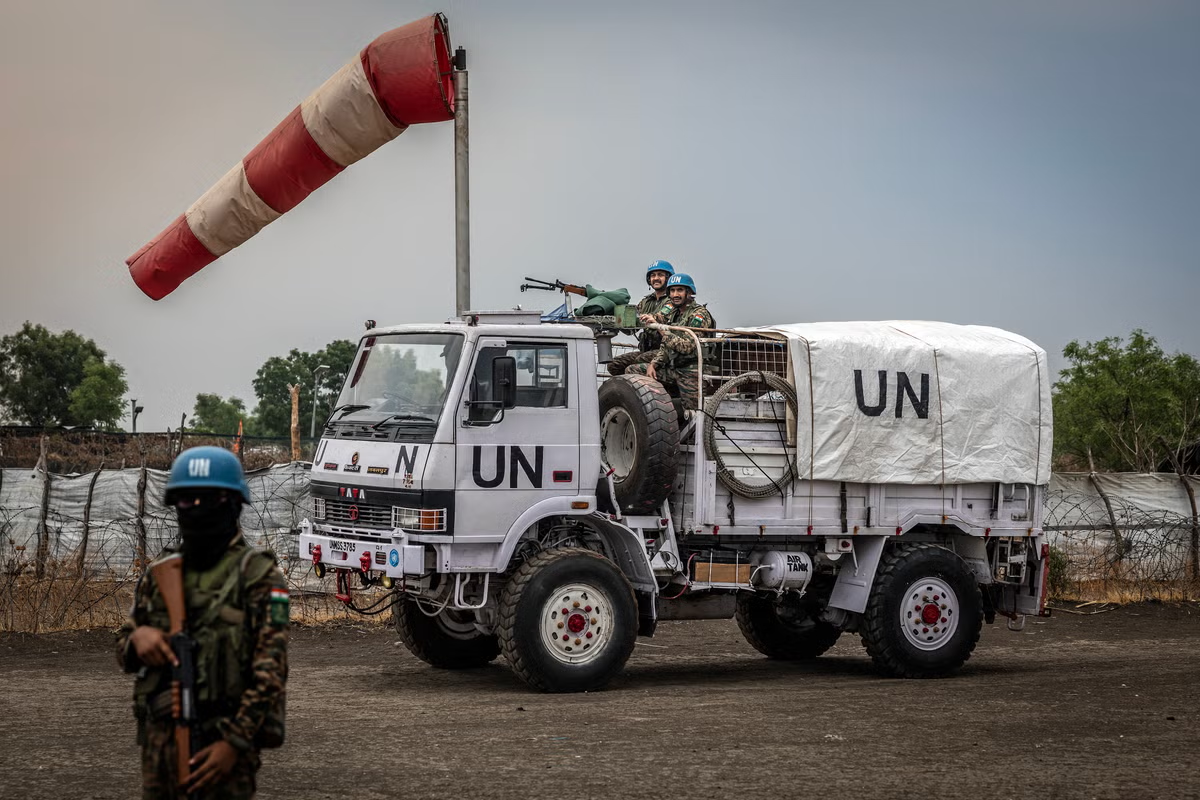
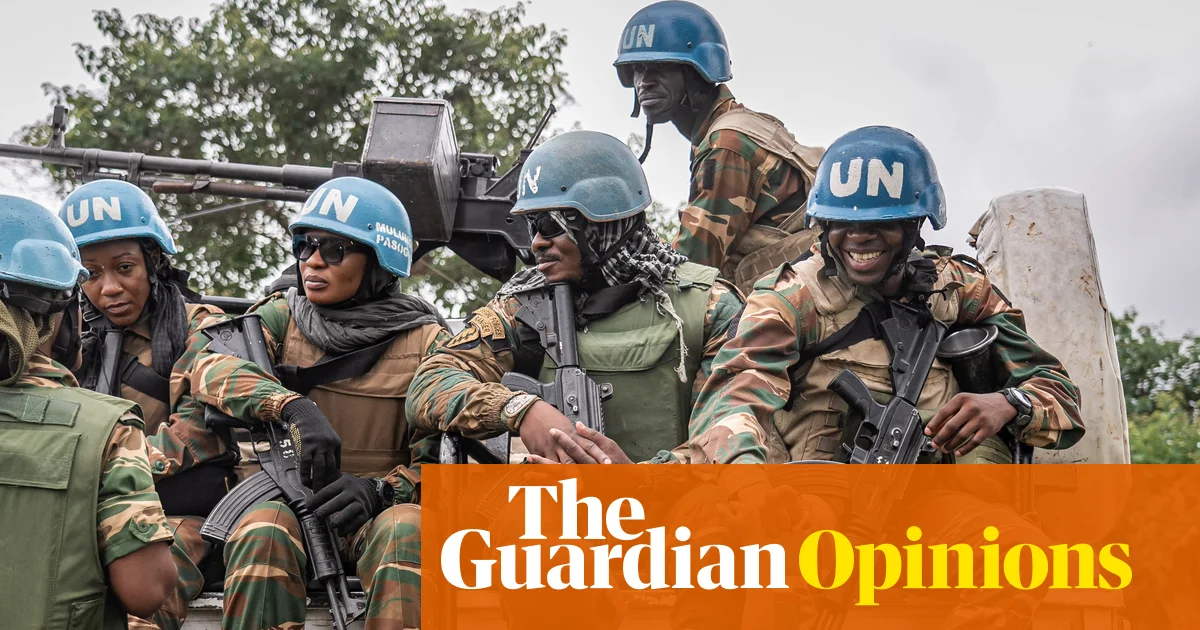
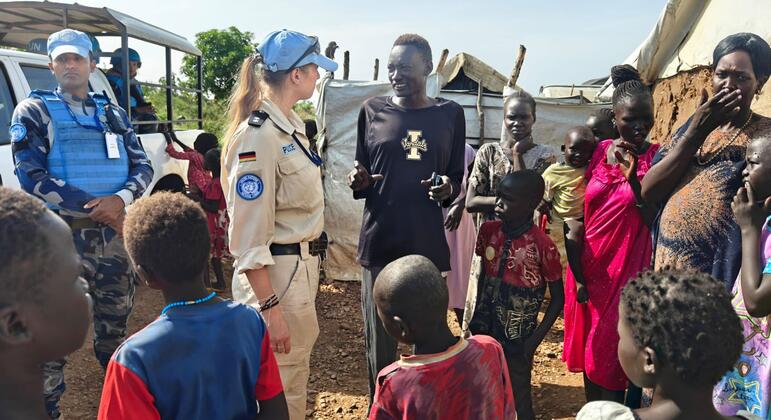
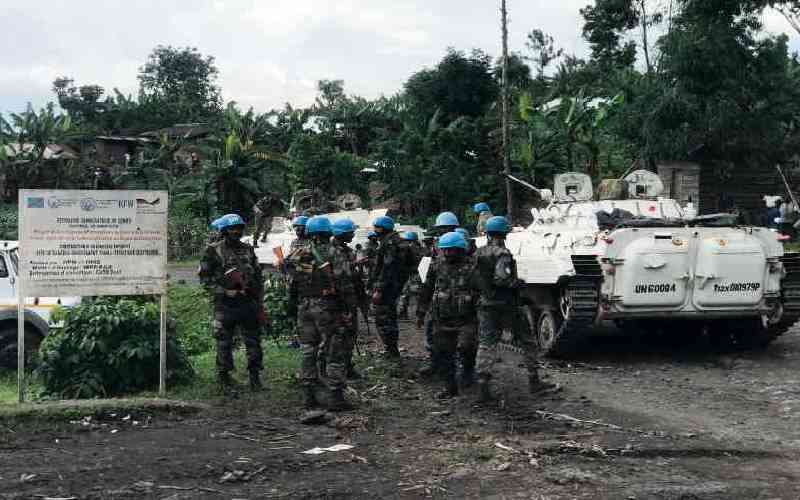
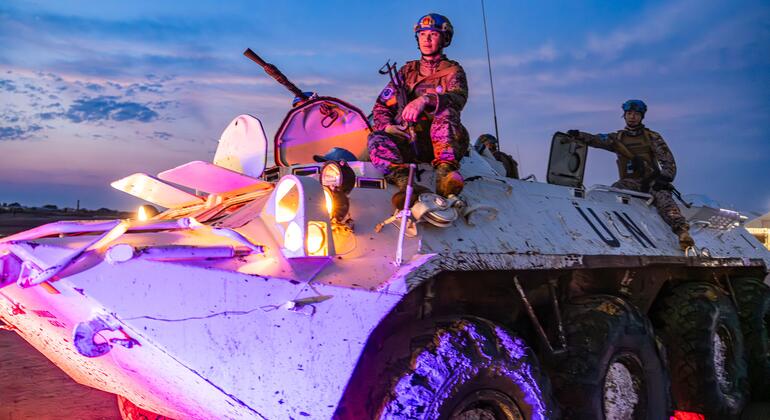
As the world faces the highest number of conflicts since 1945 and a rising death toll from war alongside peace operations increasingly deployed to contain violence rather than implement agreements, the UN and its Member States must adapt to ensure these missions remain relevant, Secretary-General António Guterres told the General Assembly on Wednesday.“UN peace operations are indispensable tools for maintaining international peace and security, but to be more effective, they must adapt to new realities,” Mr. Guterres said.At UN Headquarters in New York, the Secretary-General presented the first ever review on the future of all forms of UN peace operations at the request of the landmark Pact for the Future and offered recommendations for the consideration of Member States on how the UN toolbox can be adapted to meet evolving needs and future challenges.What are UN peace operations?The Secretary-General’s review covers the wide spectrum of UN peace operations. That includes civilian special political missions and peace enforcement operations authorised by the Security Council – from a two-person office supporting a Personal Envoy to large, multidimensional peacekeeping operations.“United Nations peace operations are a critical form of multilateral action,” Mr. Guterres said.“They help defuse crises, stop conflict, sustain ceasefires and protect civilians. In lands stained by bloodshed, they create space for dialogue and open pathways to peace.”‘Blue Helmet’ landscapeSince 1948, the Council has been authorising UN peacekeepers to help conflict parties reach political solutions, prevent disputes from devolving into conflicts and reduce armed violence while the search for a political solution continues, with 11 active missions.Known colloquially as “Blue Helmets” for their distinctive uniform, UN peacekeepers are guided by three main principles: there must be consent of the parties to the conflict, impartiality and non-use of force except in self-defence or defence of their mandate.Their work can be dangerous – more than 4,500 UN peacekeepers have died in missions around the world – and their efforts have been widely recognised, including when they collectively received the Nobel Peace Prize in 1988 “for preventing armed clashes and creating conditions for negotiations”.Special political missionsSpecial political missions comprise civilian personnel deployed based on mandates from the Security Council to prevent conflicts, mediate peace discussions and support political transitions.They do not rely on large military or armed forces, but instead work with governments, conflict parties, regional organizations and civil society.The UN has deployed 167 such missions since 1948, with about 40 active in 2024, according to a review by the UN’s Department of Political and Peacebuilding Affairs.