Audio By Vocalize
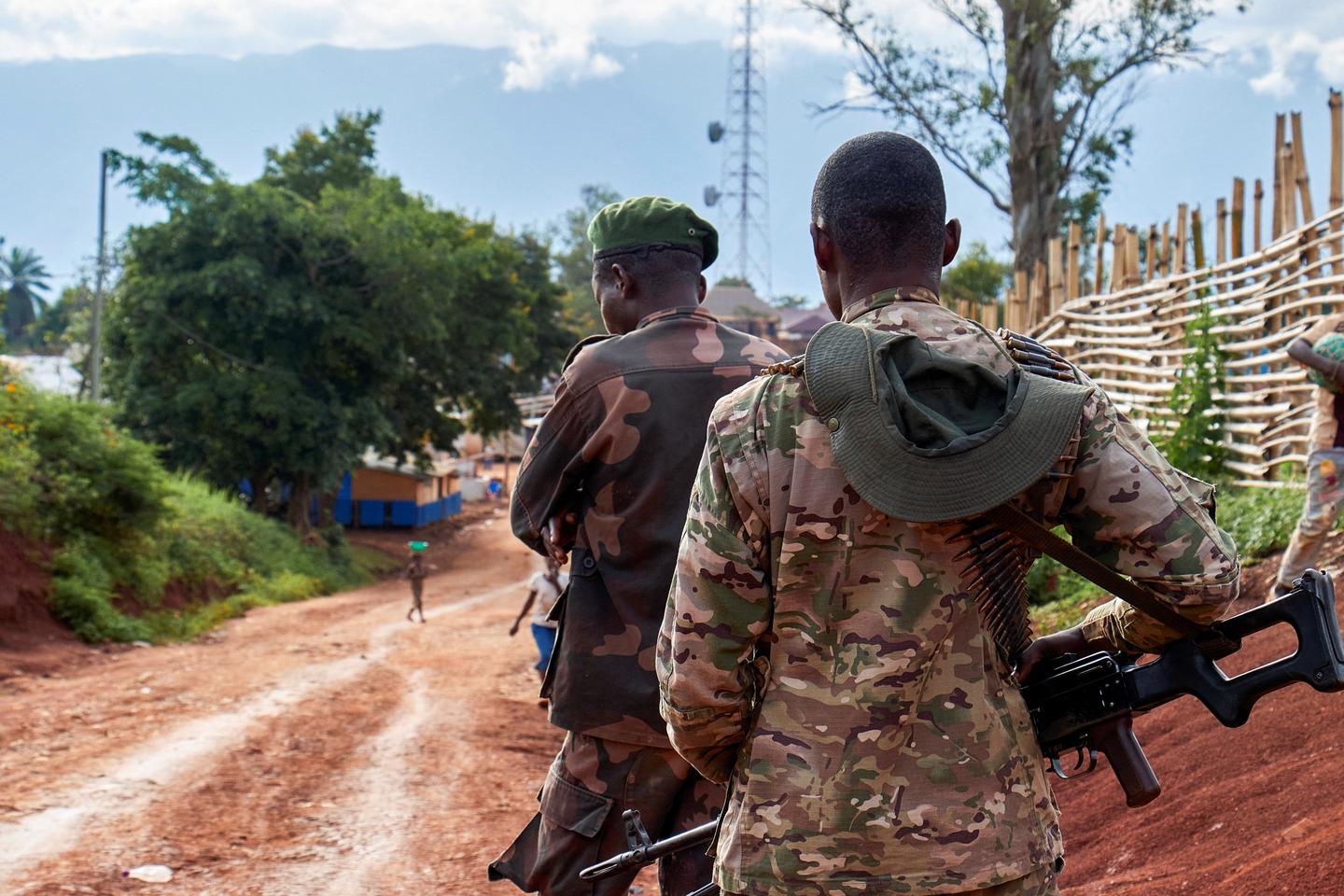
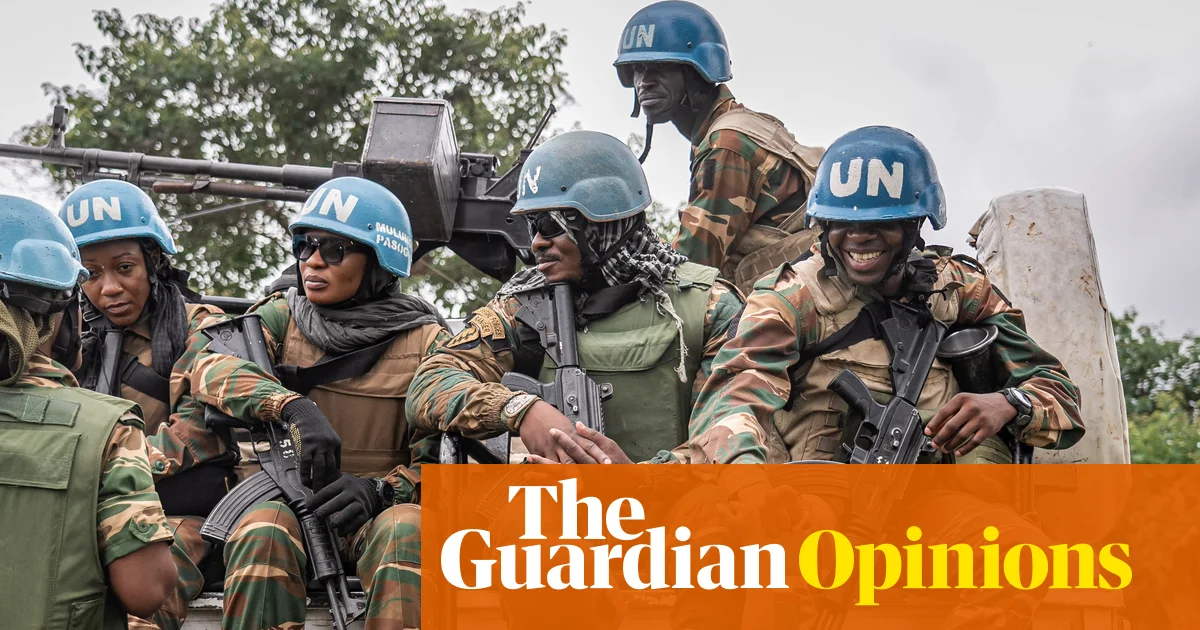
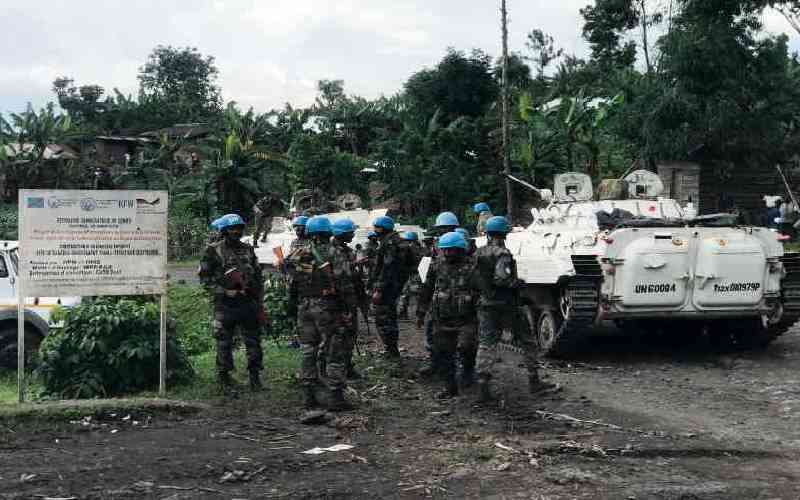
United Nations Organization Stabilization Mission in the Democratic Republic of the Congo (MONUSCO) peacekeepers in North Kivu, DRC. [Agencies]
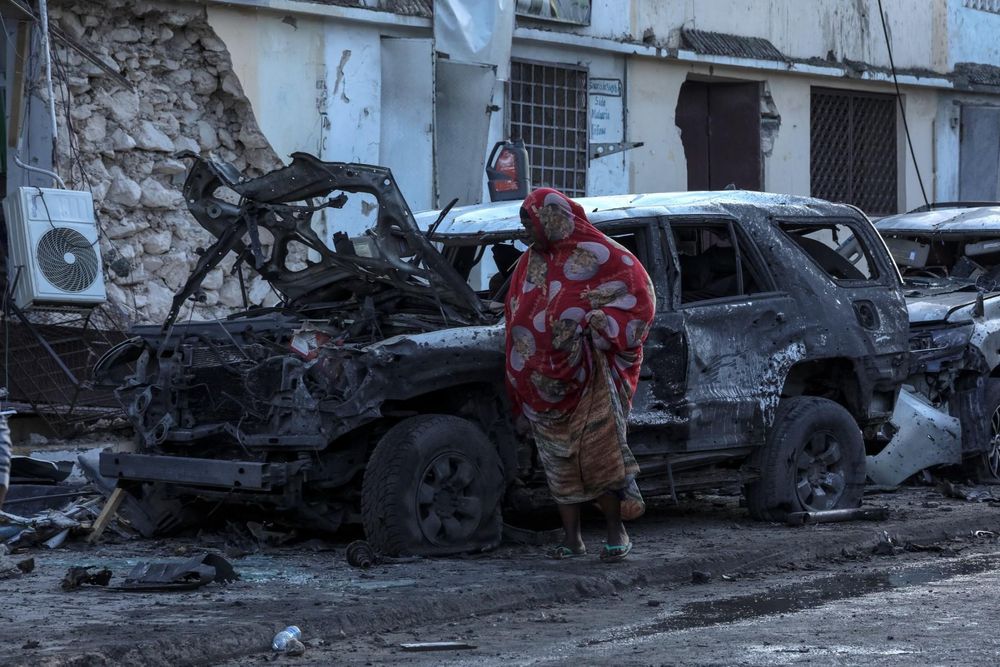
The latest attack on Am-Dafok in the Central African Republic should not be dismissed as another unfortunate security incident in a troubled region. It is the latest chapter in a troubling pattern that has forced Africans to ask an uncomfortable question: after decades of United Nations peacekeeping across the continent, why does peace remain so elusive?
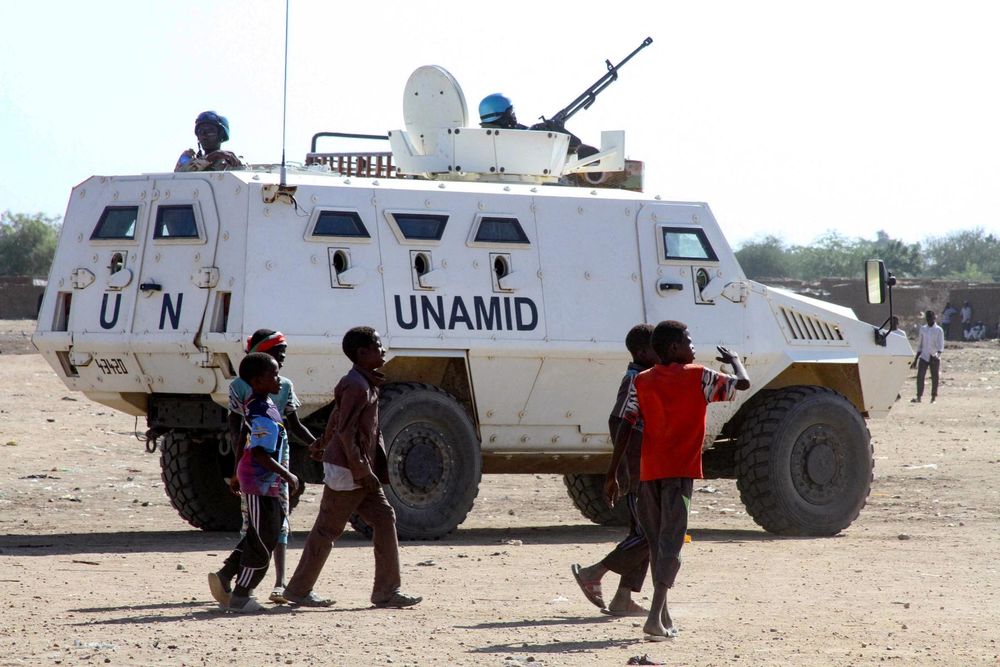
The question challenges one of the world’s most respected multilateral institutions. Yet Africa can no longer avoid it. The criticism did not come from an armchair commentator. It came from Denis Kodhe, former President of the African Union’s ECOSOCC — the continent’s principal civil society advisory organ — and Executive Director of IDEA, a leading pan-African policy think tank. His assessment was blunt: “If a UN peacekeeping mission with a deployed contingent, a Security Council mandate, and years of experience cannot defend a city from a premeditated attack, it calls into question the very reason for its existence.”
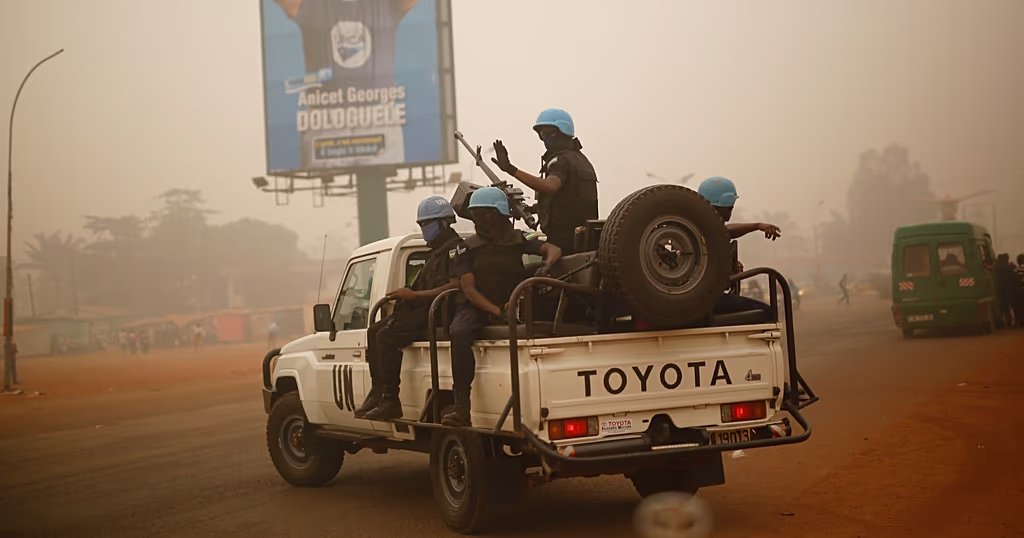
According to reports, the assault on Am-Dafok had been planned for weeks. Yet MINUSCA, the UN Multidimensional Integrated Stabilisation Mission in CAR, despite years of deployment, a robust mandate and considerable international support, neither prevented the attack nor mounted an effective response before the town was breached.