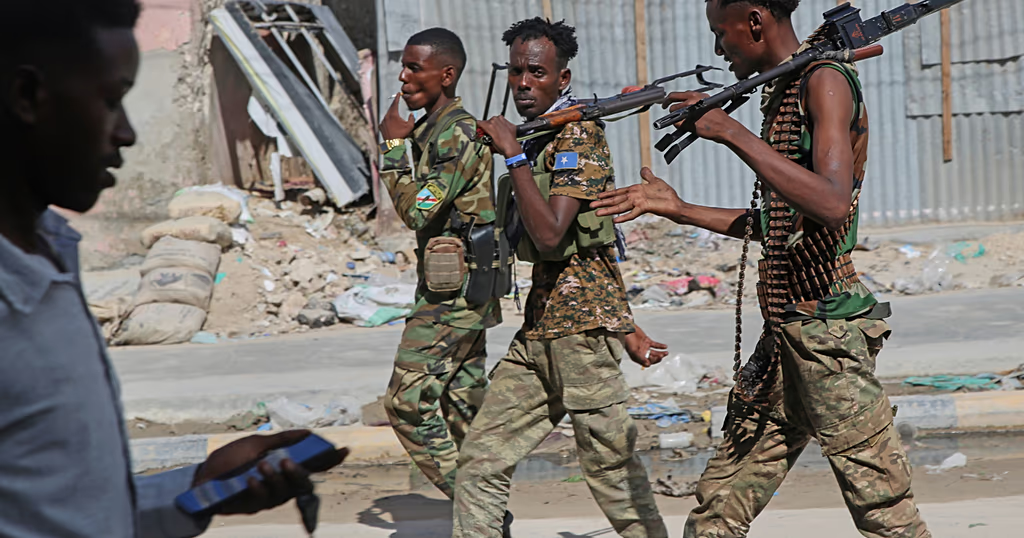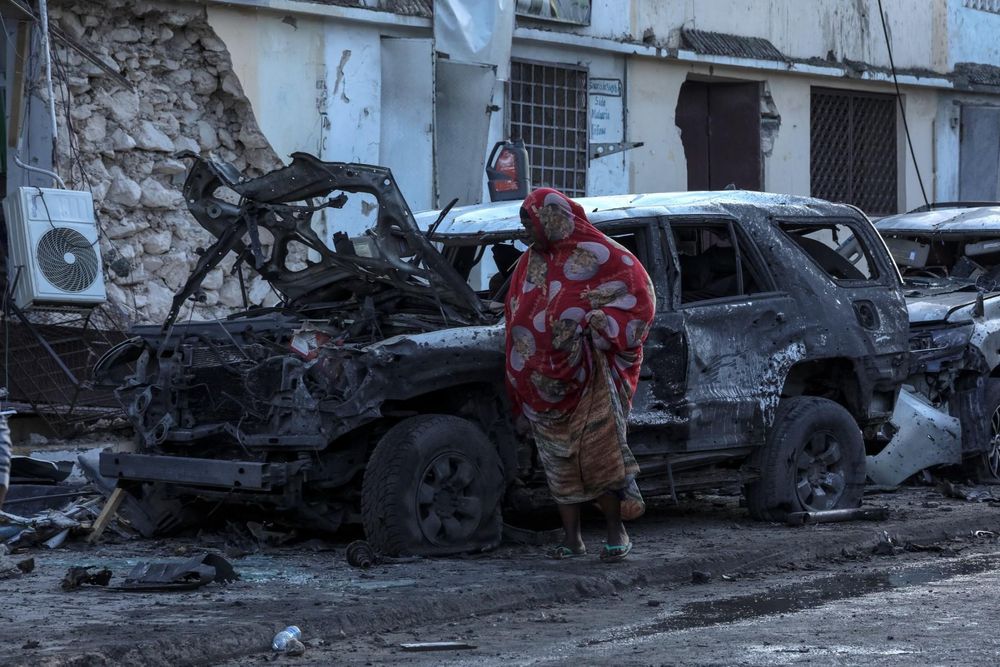
A woman walks past debris and destruction at a cafe in Mogadishu on July 15, 2024 following a car bomb blast. The Somali experience illustrates how security and stabilisation missions can arrest violence and insurgency in the short term but are no substitute for accountable, legitimate governance, says the writer.
Kim Heller
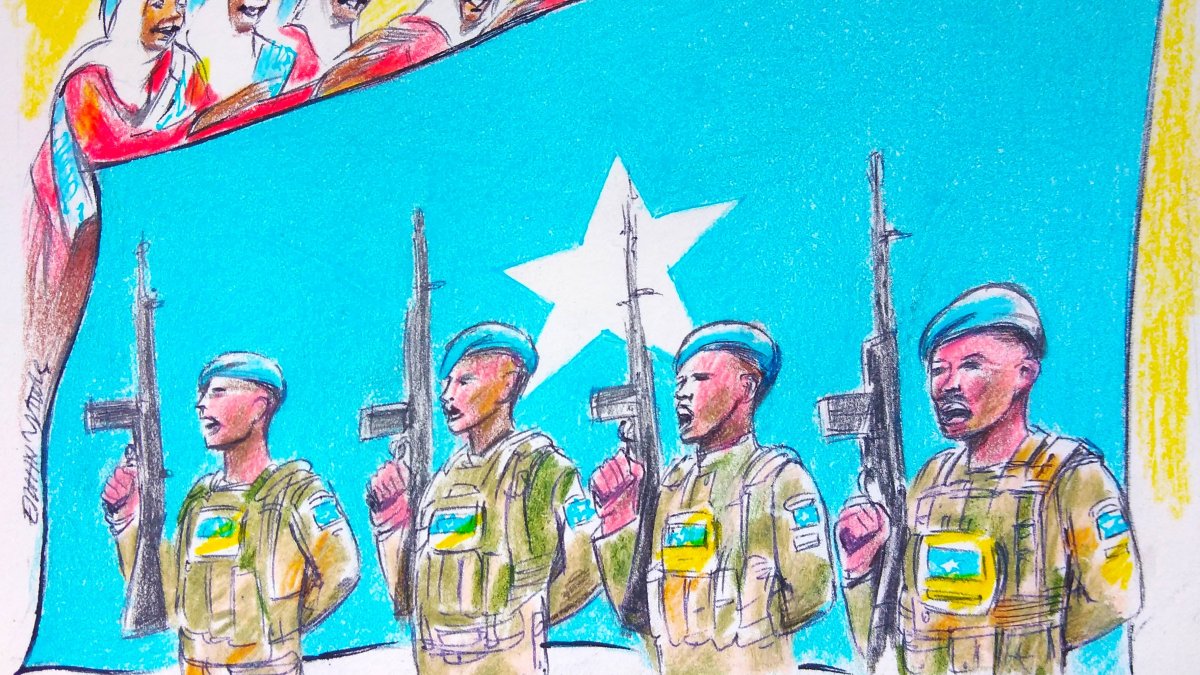
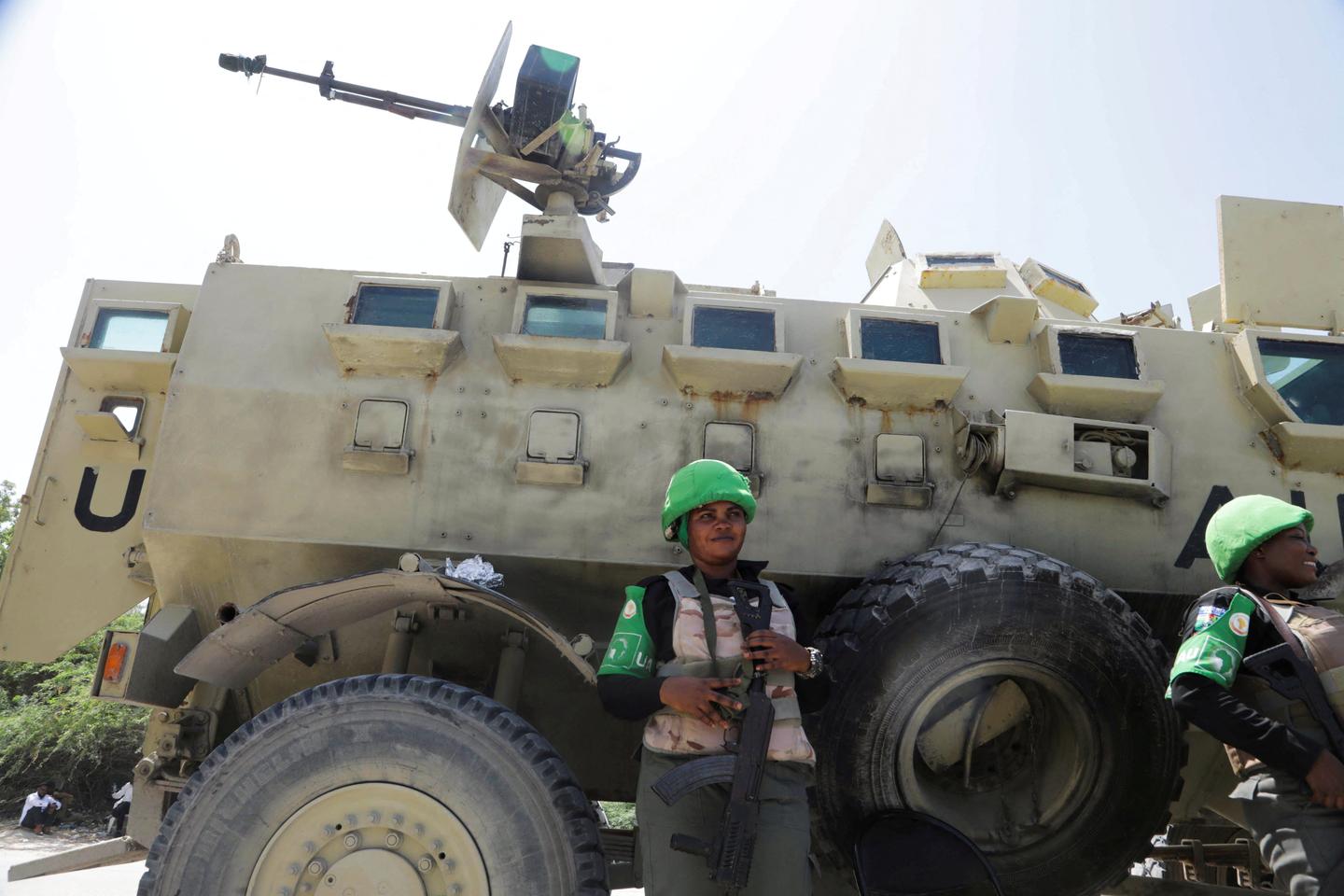
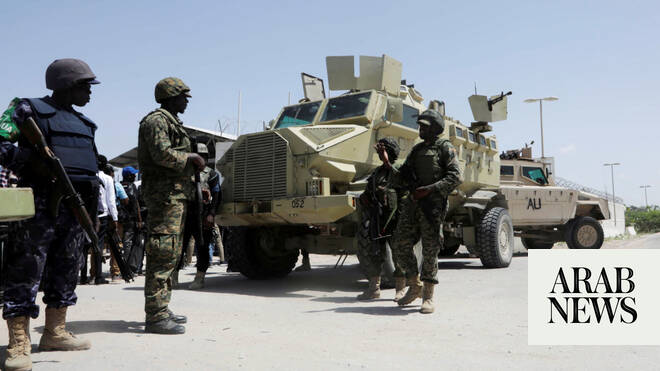
Washington's decision to end its logistical support for the African Union Support and Stabilisation Mission (AUSSOM) in Somalia highlights how the foundations of the Continent's security and peacekeeping remain precariously dependent on the whims and will of foreign nations.
Africa is less central than it once was to America's foreign policy and counterterrorism strategy. Washington is fully entitled to reshape its foreign policy priorities as it navigates global power plays, domestic economic pressures, and shifting security calculations.
Rather than being disappointed or despondent about this withdrawal, Africa and the African Union must concentrate on building a security architecture grounded on continental funding and self-sufficiency rather than on the shaky foundation of indefinite foreign assistance. Africa's sovereignty cannot be achieved while the security of African nations remains outsourced.