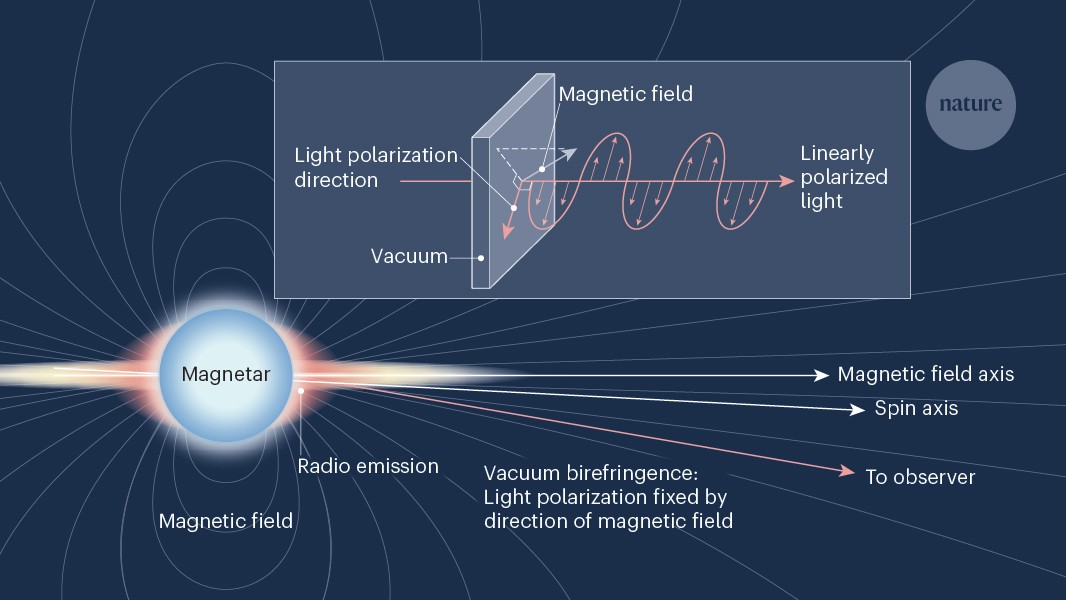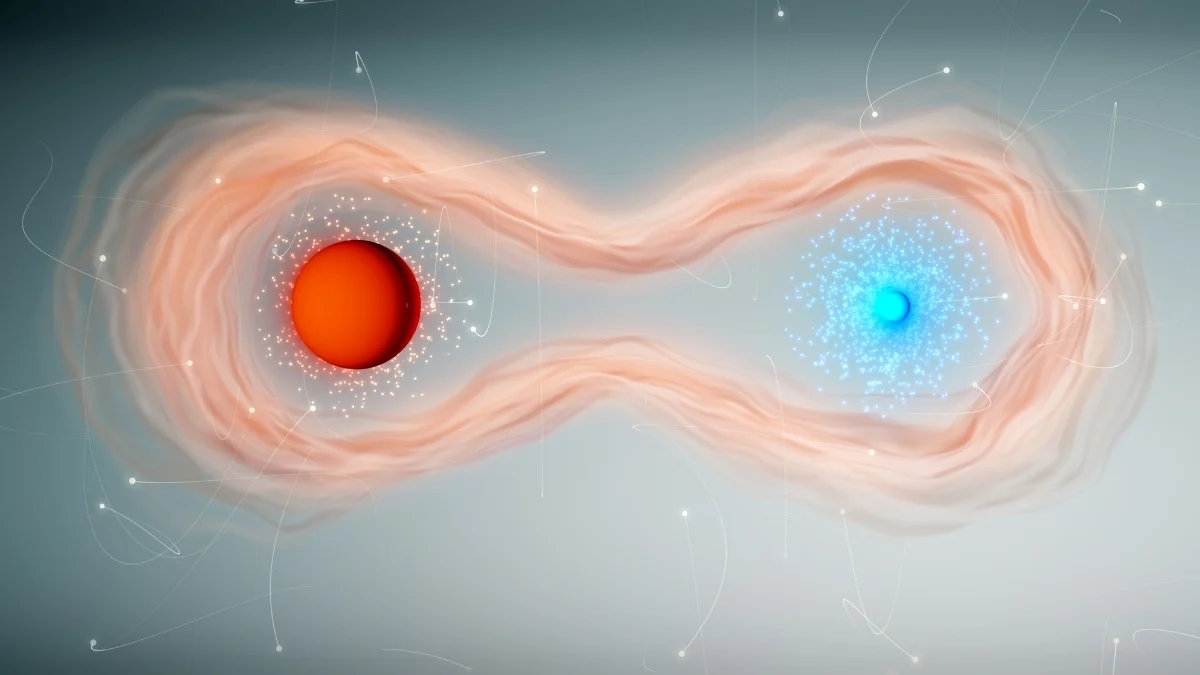
Nearly 90 years ago, Werner Heisenberg predicted a strange quantum effect known as vacuum birefringence, in which seemingly empty space can change the way light behaves. According to the idea, even a perfect vacuum is not truly empty. Instead, it should contain "virtual particles" that briefly appear and disappear.
Despite major advances in nuclear physics since the 1930s and decades of work with particle accelerators, scientists have not been able to conclusively confirm the effect. Now, observations of one of the most extreme objects in the Universe may provide the evidence researchers have been seeking.
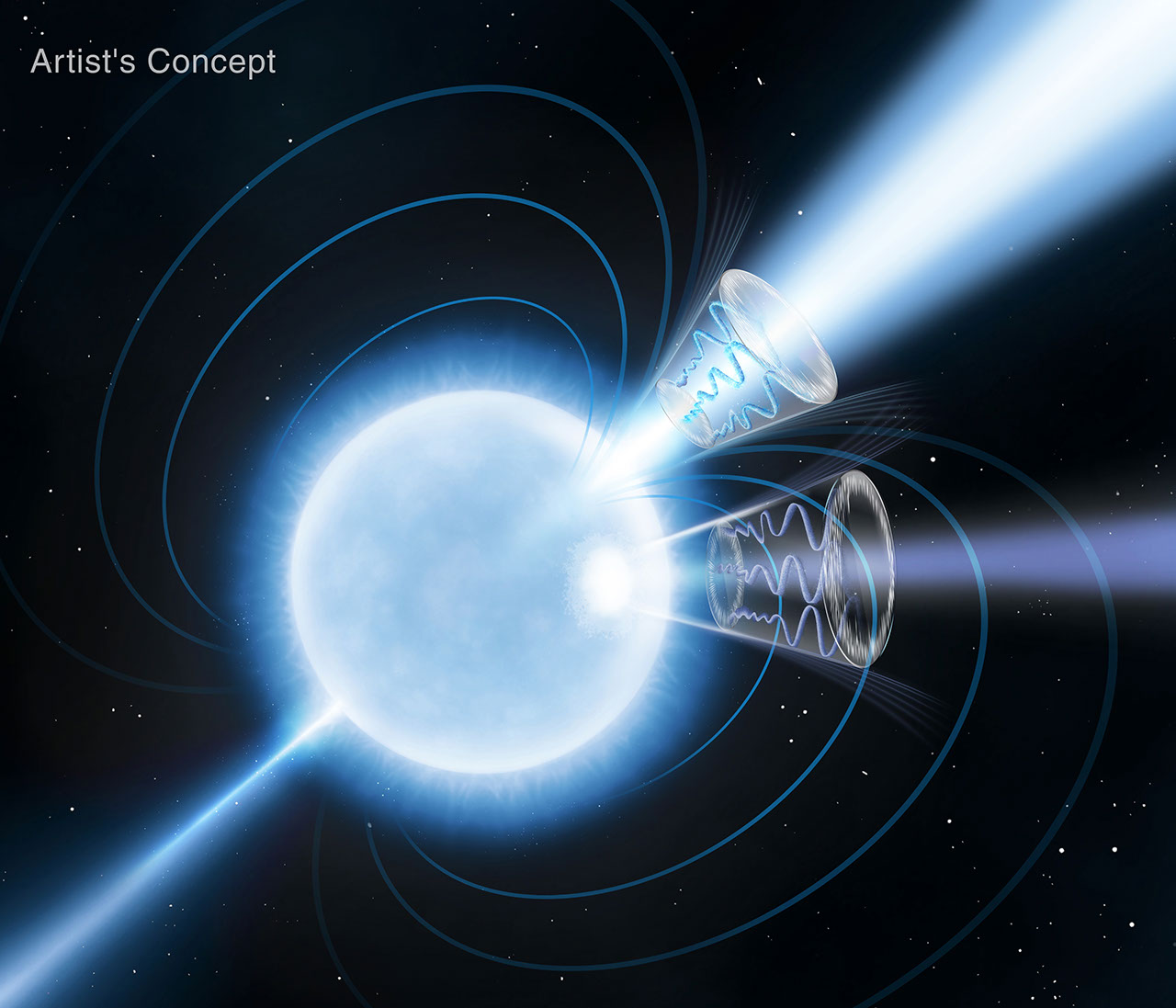
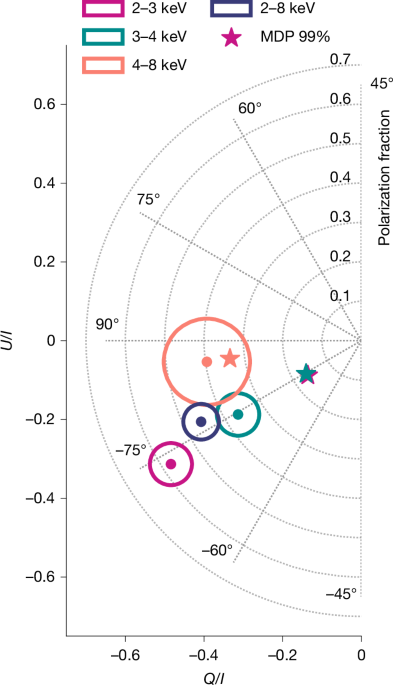
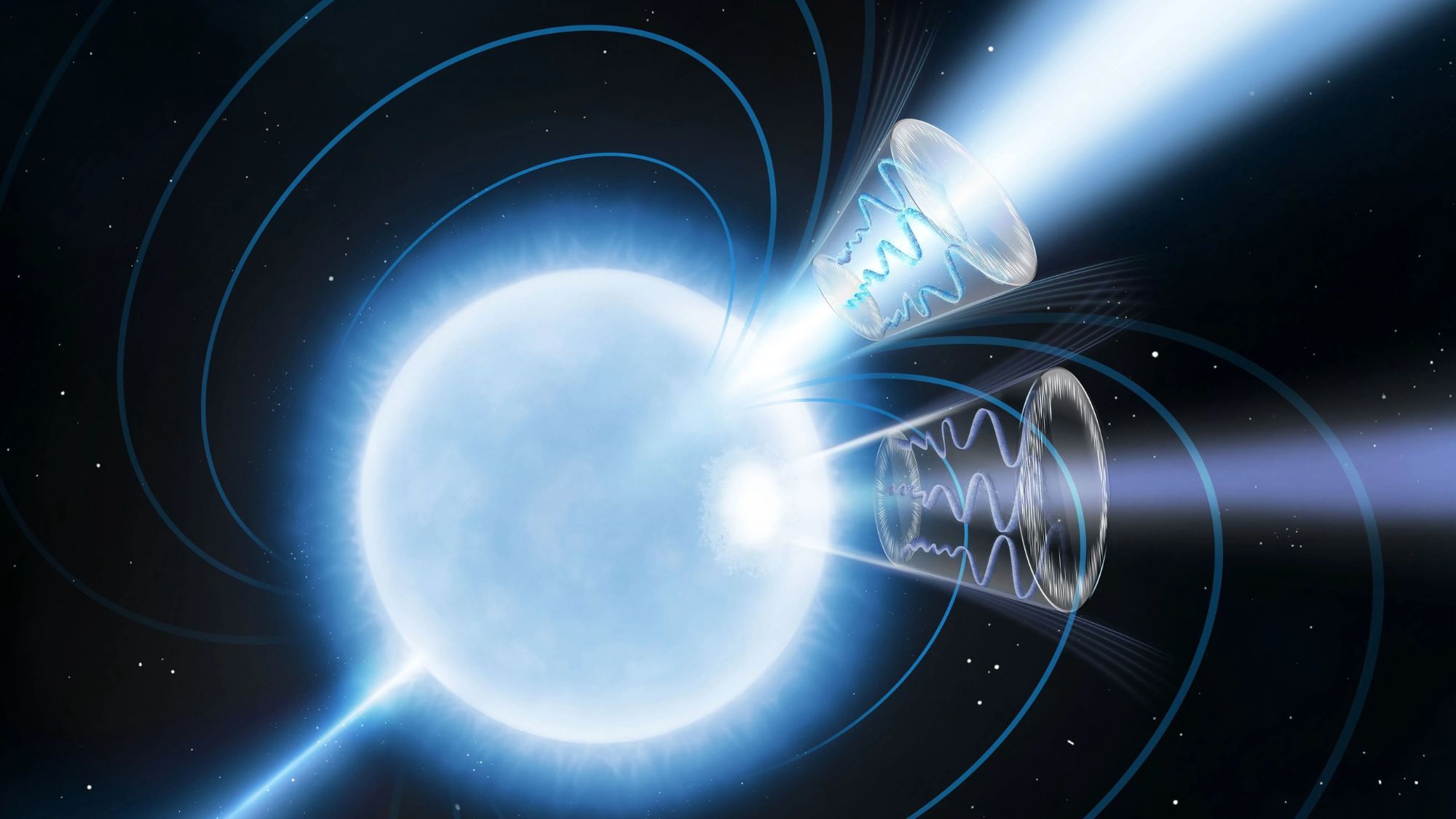
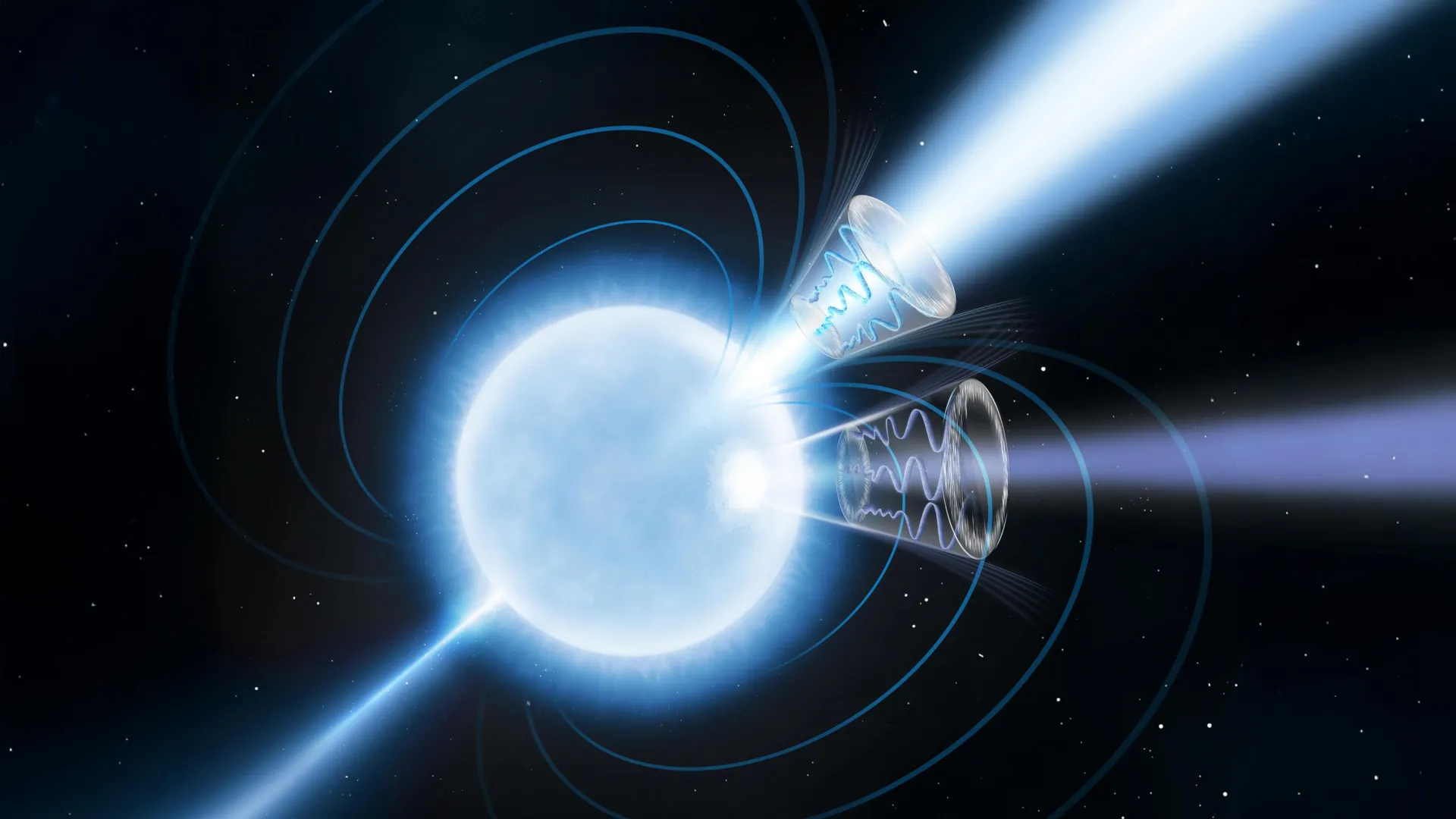
A team of scientists studied a magnetar, a rare kind of neutron star with some of the strongest magnetic fields known in the Universe. Their results may represent the first evidence of vacuum birefringence and could open new ways to investigate quantum physics under conditions that cannot be reproduced on Earth.
A Cosmic Test of Quantum Physics
The research involved scientists from the Center for Space Sciences and Technology, the South African Radio Astronomy Observatory (SARAO), the Los Alamos National Laboratory, NASA's Marshall Space Flight Center, the Center for Research and Exploration in Space Science & Technology (CRESST) and the Astrophysics Science Division at NASA's Goddard Space Flight Center, along with universities around the world. Rachael E. Stewart, a Graduate Student of Physics at George Washington University, led the study, which was recently published in Nature.