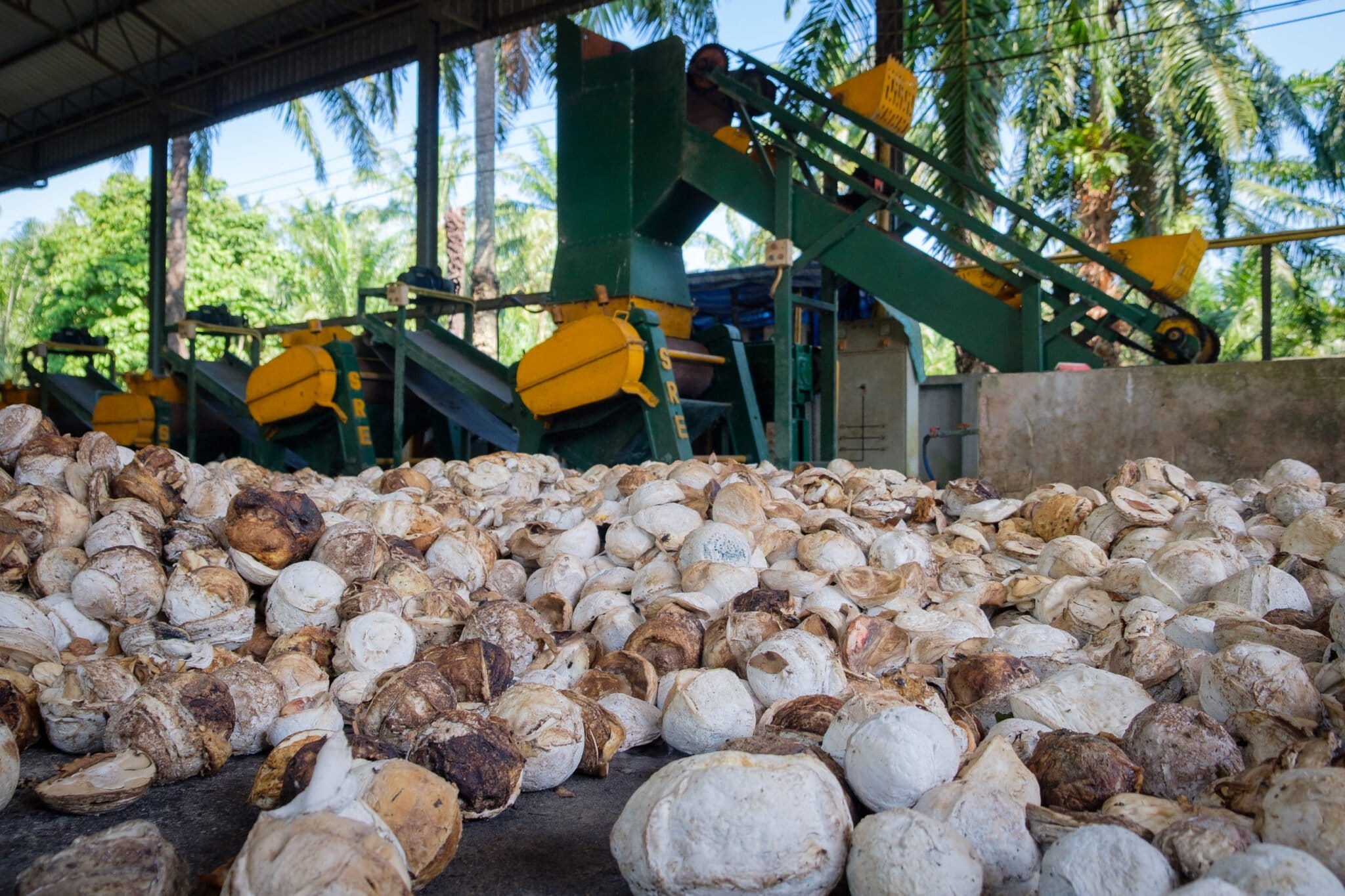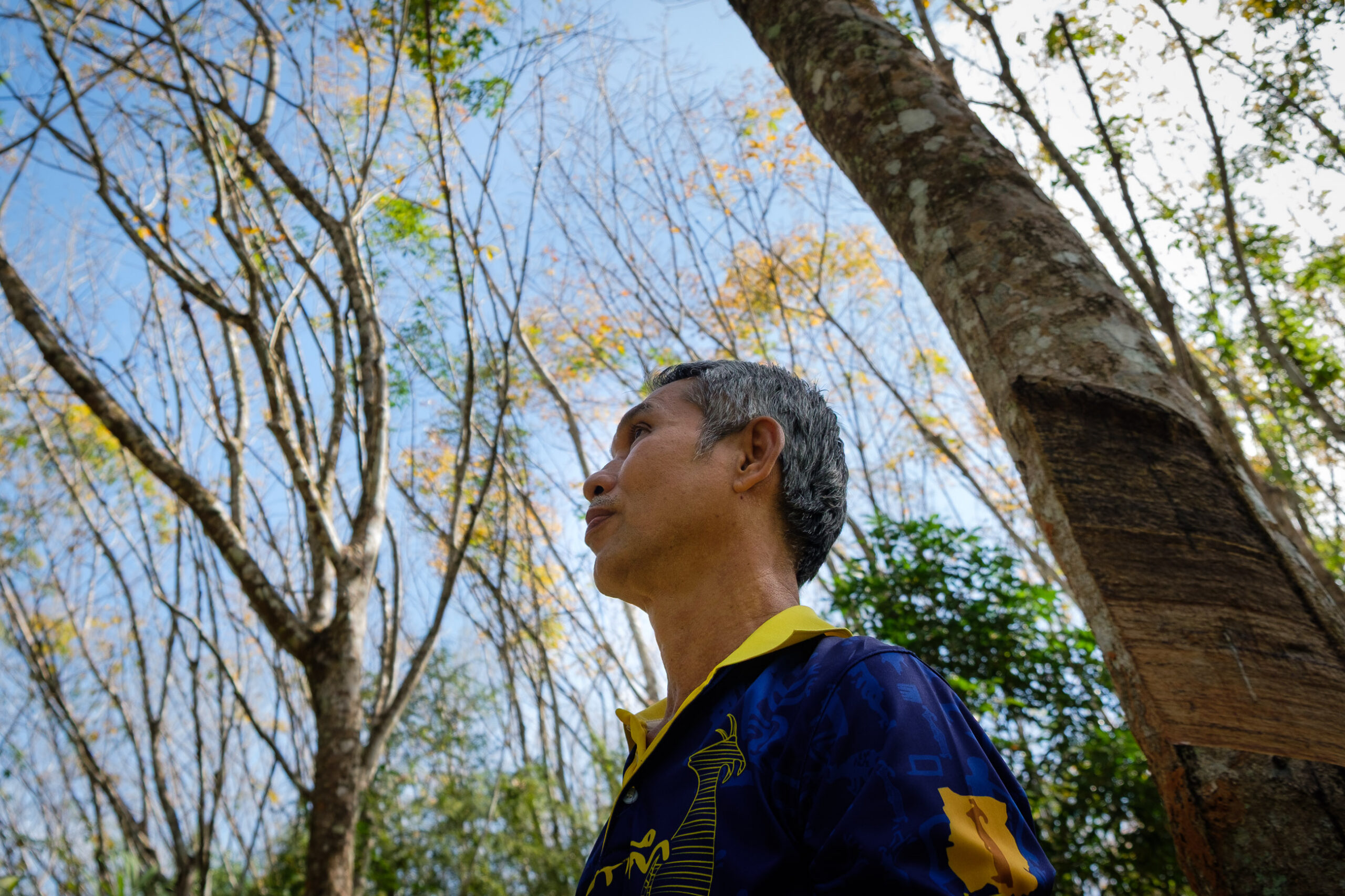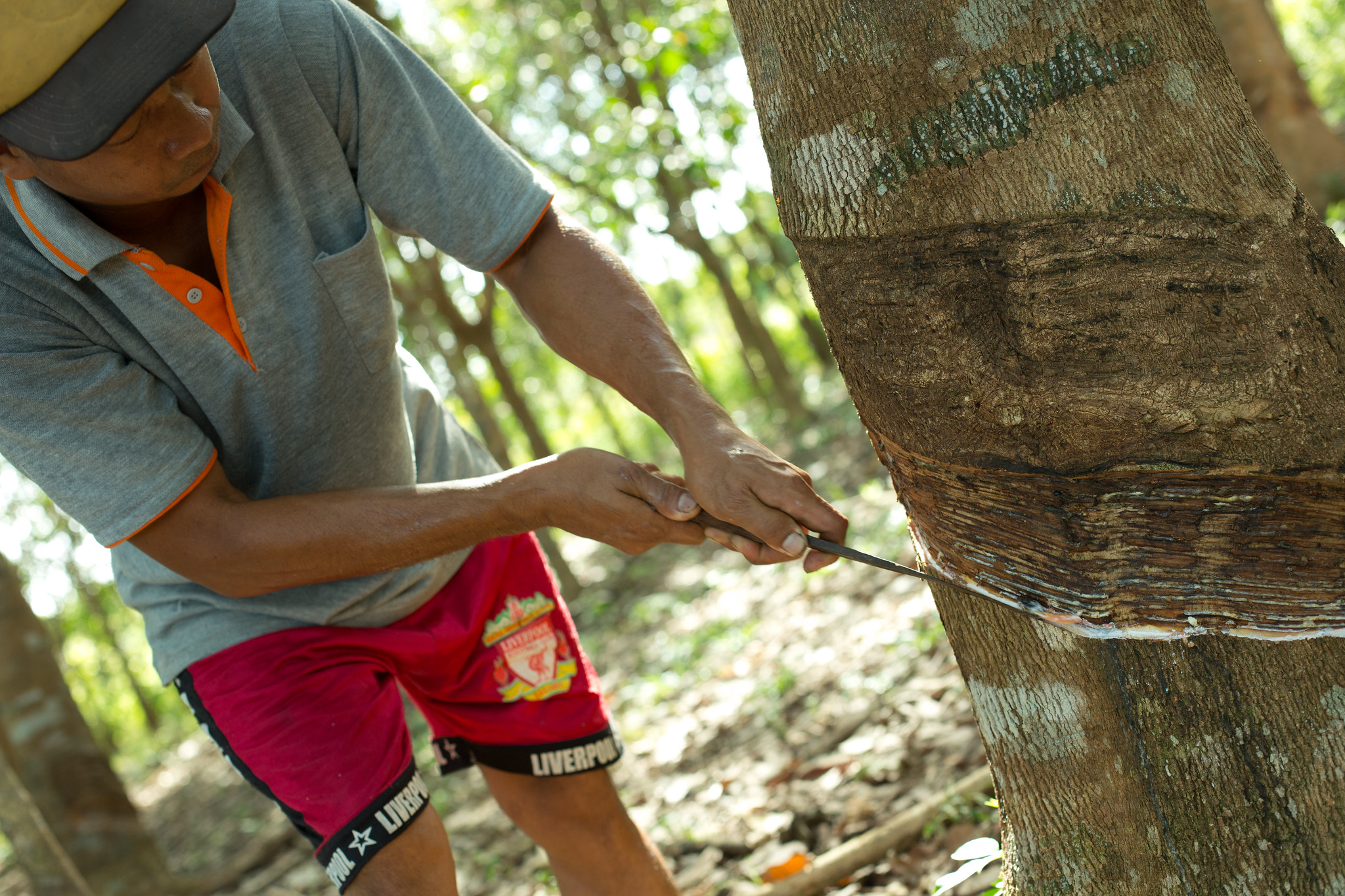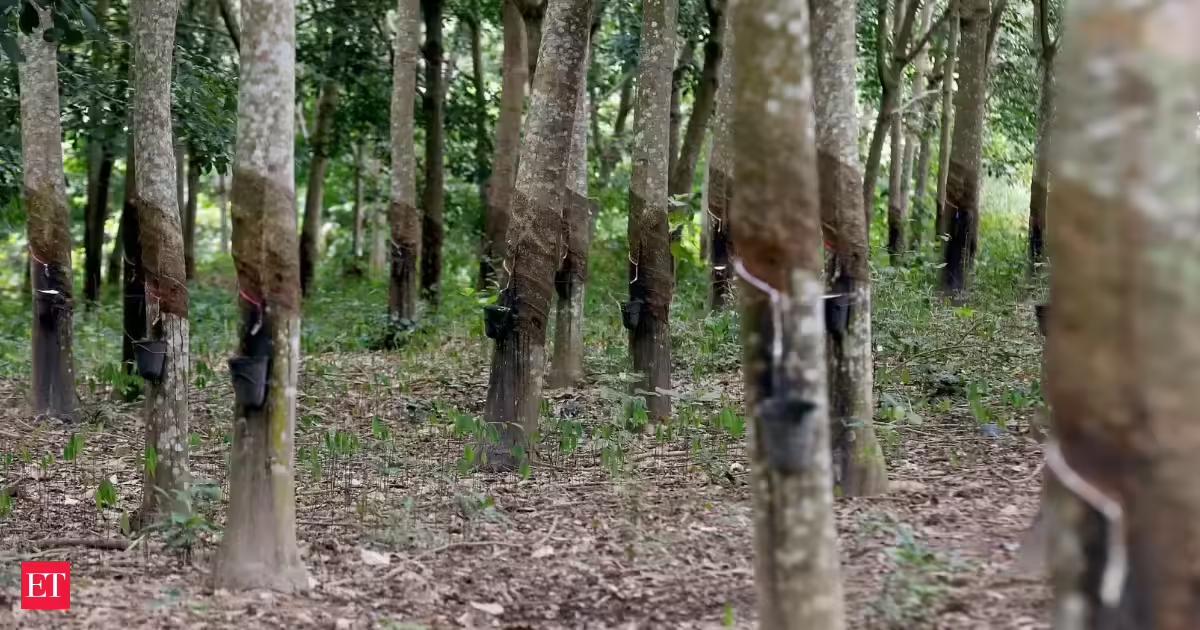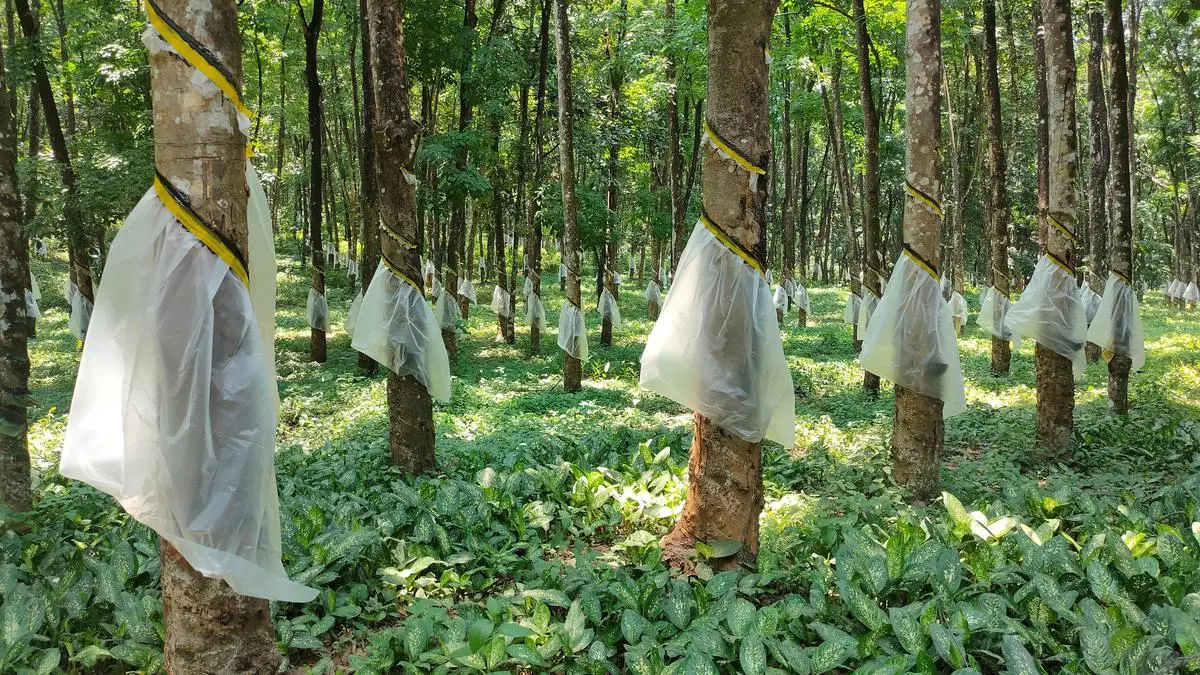
Asian rubber trees in Thailand
| Photo Credit:
tcareob72
The Sustainable Natural Rubber Forum 2026, convened by the Association of Natural Rubber Producing Countries (ANRPC) in Kochi, has outlined a vision for transforming the global natural rubber sector by 2030, with a digitally connected supply chain, improved smallholder livelihoods and industry-wide sustainability standards.The forum, hosted by the Rubber Board, brought together around 120 stakeholders from ANRPC member countries, industry, smallholder organisations and international partners from Cambodia, India, Malaysia, Thailand and Europe.Held under the theme “Aligning Priorities for Resilient Supply Chain,” the forum focused on the challenges posed by climate change, supply-chain traceability, regulatory requirements such as the EU Deforestation Regulation (EUDR), and growing demand for verified sustainable materials.An opportunityM. Vasanthagesan, Executive Director, Rubber Board, said the forum had demonstrated that sustainability should not be viewed merely as a compliance requirement but as an opportunity to modernise the sector, improve livelihoods and position natural rubber as one of the world’s most sustainable industrial raw materials.ANRPC Secretary-General Suttipong Angthong said no single stakeholder could build resilience in the sector alone. The way forward, he said, required shared investment, measurable outcomes and recognition that smallholders must remain at the centre of sustainability frameworks.ANRPC member countries showcased progress in sustainability and traceability systems. India presented the Bharat Sustainable Natural Rubber (BSNR) system, described as the country’s first Digital Public Infrastructure-grade platform. The system has mapped more than 56,000 hectares, with a target of covering 150,000 hectares by March 2027.Key themeSmallholder inclusion emerged as a key theme, with smallholders accounting for an estimated 85–90% of global natural rubber production. Speakers stressed that sustainability frameworks should empower farming communities rather than impose additional burdens on them.The INROAD project, a public-private partnership involving the Central government and four tyre companies, was highlighted as a model for smallholder-focused sustainability. With an investment of around ₹1,100 crore ($130 million), the project has distributed 83 million rubber plants to more than 200,000 tribal smallholders and established 300 new nurseries in northeast India.Case studies presented by Michelin, Harrisons Malayalam, the Malaysian Rubber Council and the Global Platform for Sustainable Natural Rubber (GPSNR) highlighted the role of shared investment and measurable outcomes in strengthening supply-chain resilience.The discussions also explored the potential of natural rubber to emerge as a climate-positive material, including opportunities for carbon credits and biodiversity conservation.Published on August 27, 2026