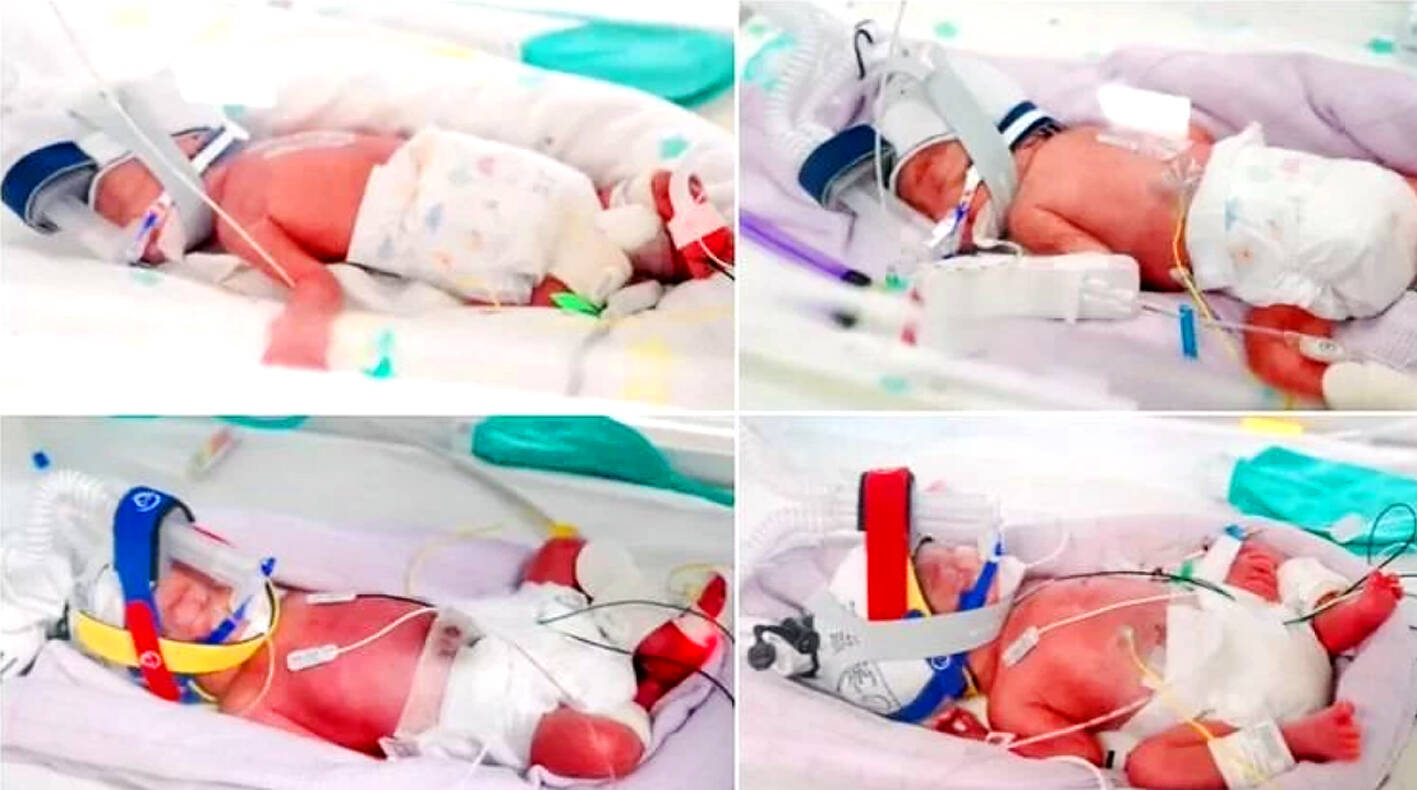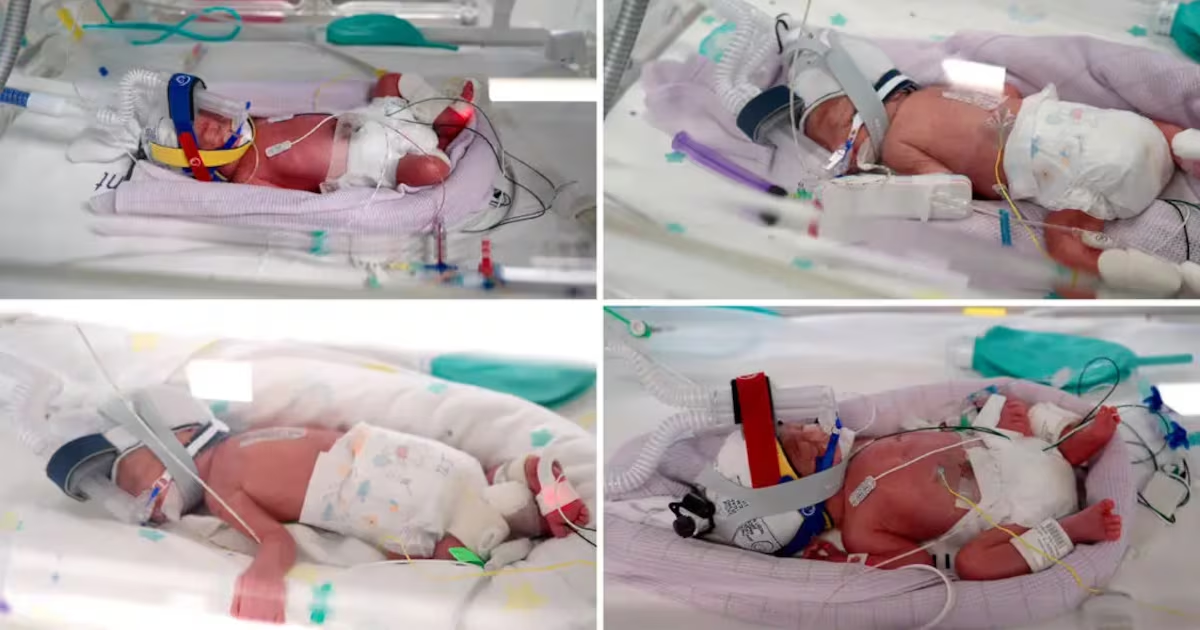
A Queensland woman gave birth to twin children with separate sets of biological parents last year, in what is believed to be an Australian first situation so rare it had not been contemplated by state surrogacy laws.The woman, anonymised in a court judgment, conceived an unplanned natural pregnancy about the same time as she received an IVF embryo transfer under a surrogacy arrangement with another couple.Both children were born on the same day in November 2025 via caesarean section. There has been no dispute about the children’s parentage – both have been raised separately during the past 10 months by their respective biological parents.But the situation has required a complex case in the Queensland children’s court because surrogacy rules were written to ban situations where “birth siblings” born from surrogate pregnancies were separated.The court ultimately ruled that while the children were “gestational twins”, they were not birth siblings for the purpose of surrogacy laws, and made an order that formalised the parentage of the biological parents.Sign up for the Breaking News Australia emailAccording to the judgment, the couples involved entered into an “altruistic” surrogacy arrangement after being connected by mutual friends.One couple, anonymised as BNJ and DRJ in the court judgment, had been unable to conceive a natural child because BNJ has a medical condition where she was born without a uterus.They met DZ and FZ, who already had five children. DZ agreed to become a surrogate, and an embryo was inserted via IVF in April 2025.About two weeks later, an ultrasound identified that DZ was carrying two foetuses. Subsequent testing revealed that one child, a girl, was the biological child of BNJ and DRJ, and that the other, a boy, was the biological child of DZ and FZ.The boy was “conceived separately to the … embryo implantation process, and without medical assistance”.
Queensland woman gave birth to twins with different parents after surrogacy coincides with natural pregnancy
Both children were born on same day in November 2025 in situation so rare it had not been contemplated by state surrogacy laws
593 words~3 min read