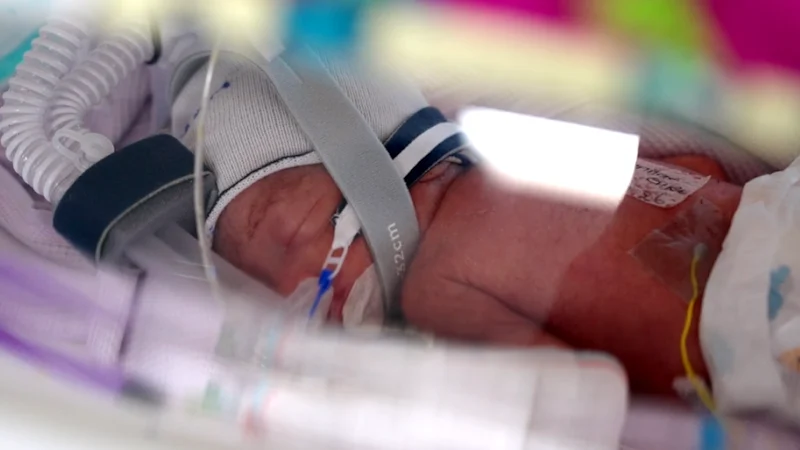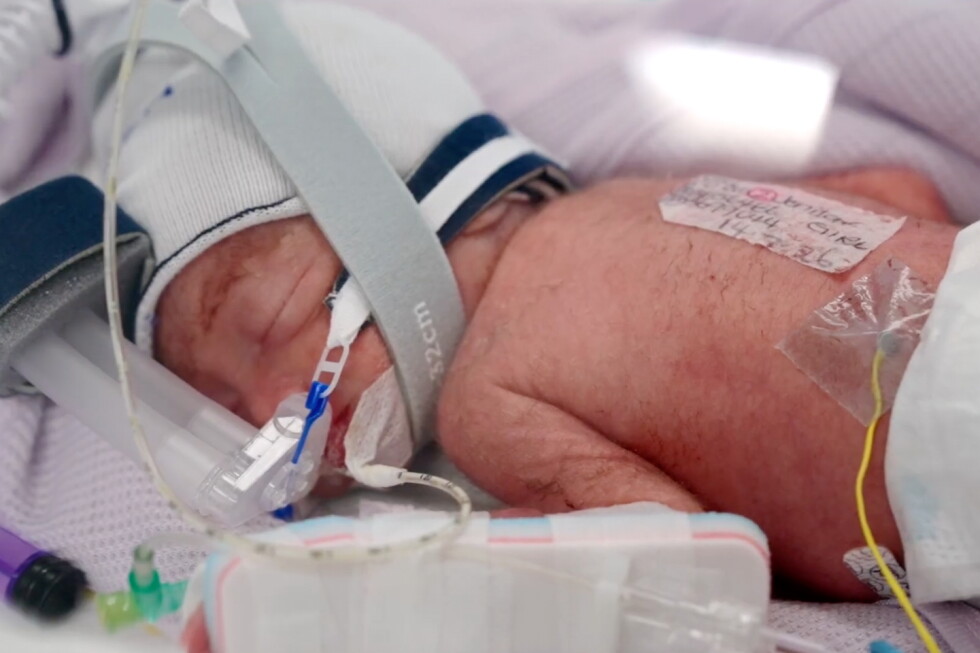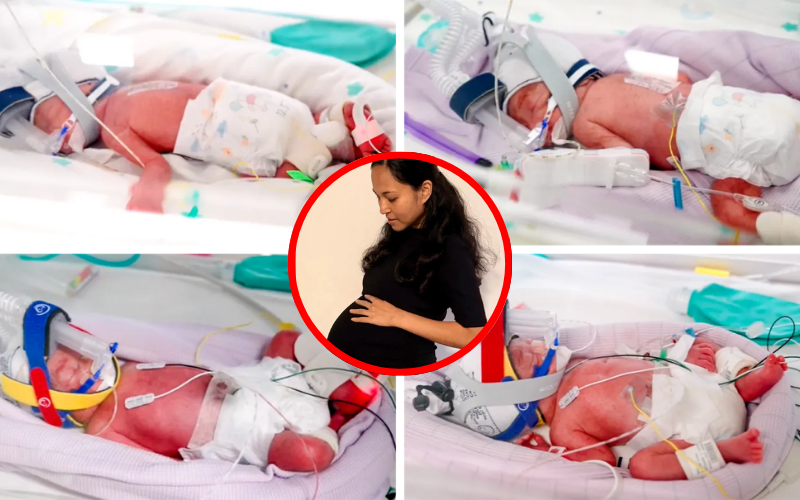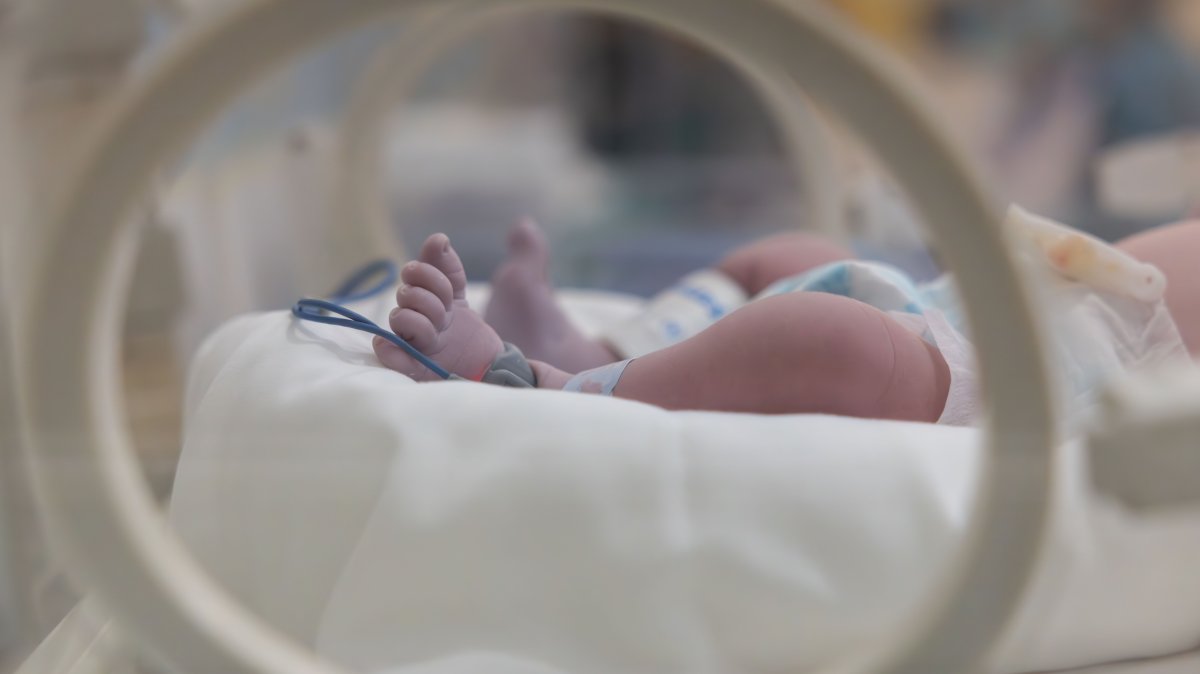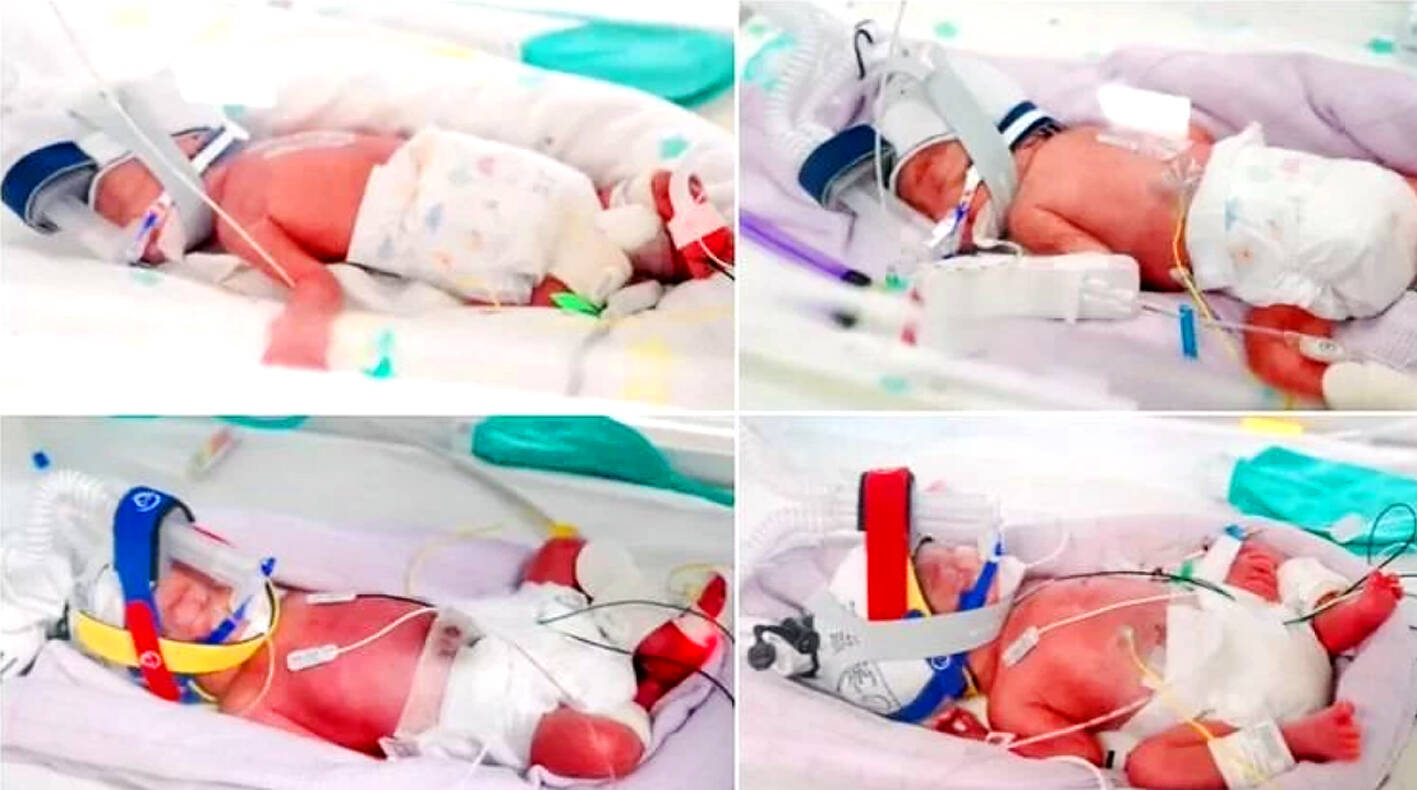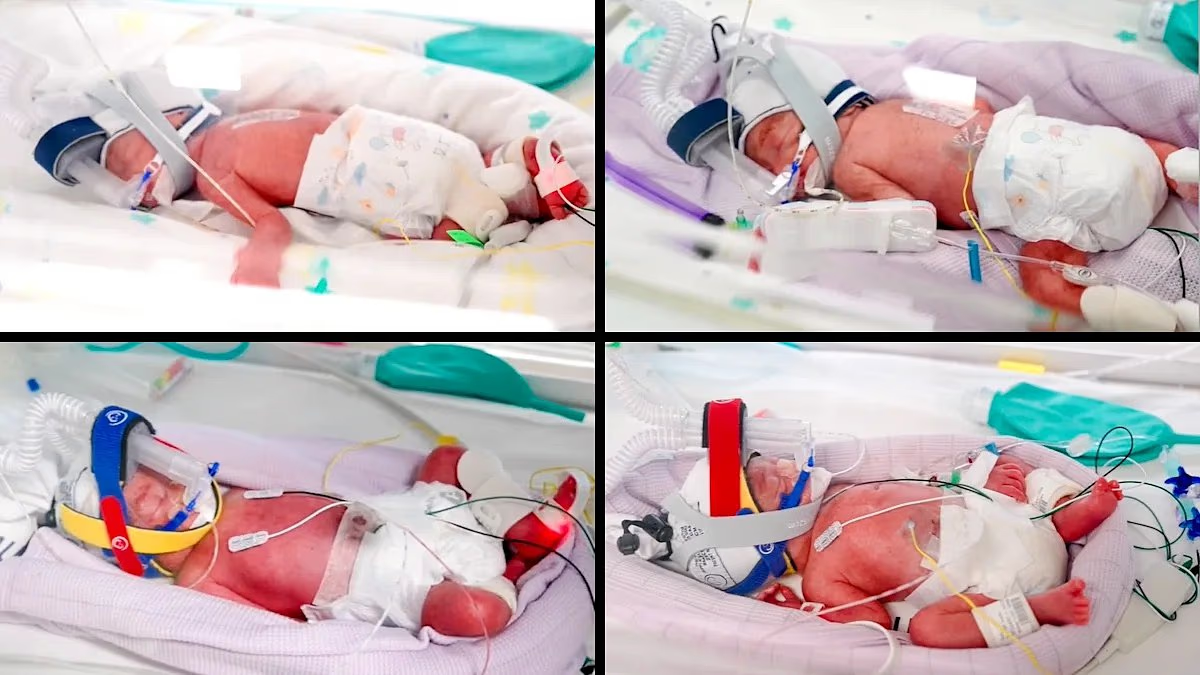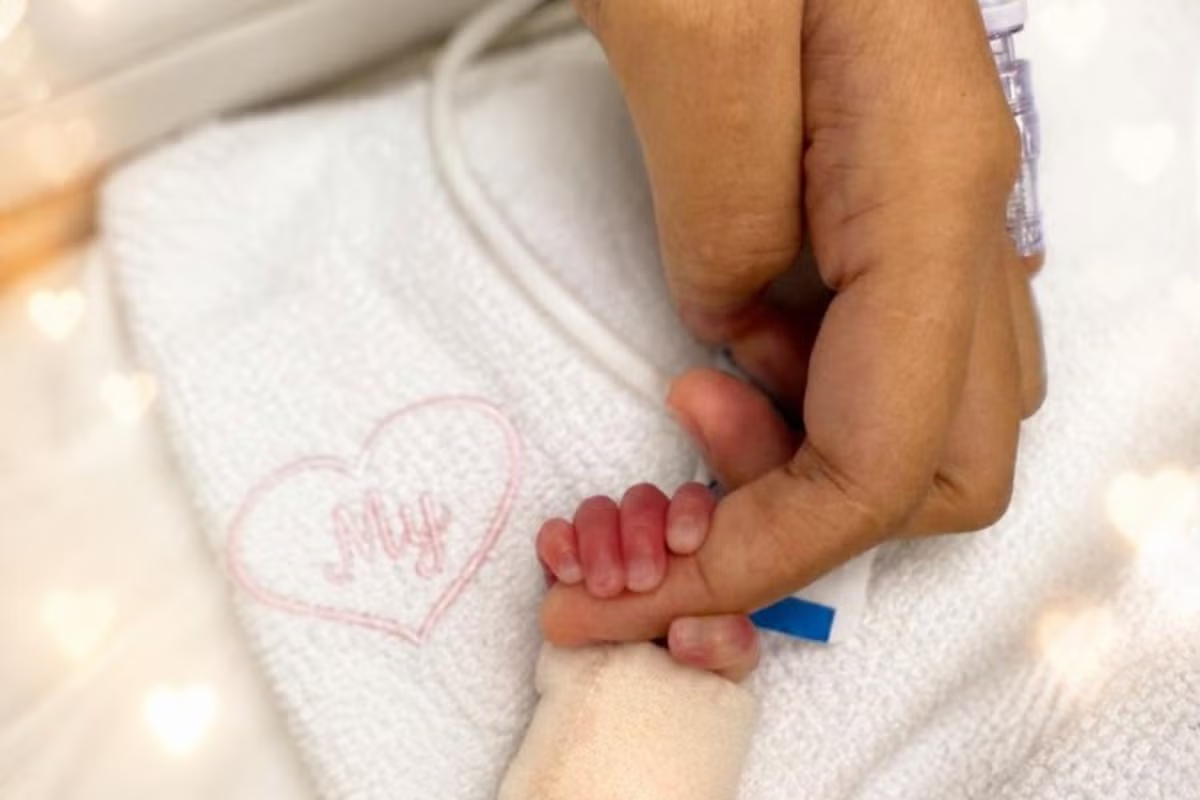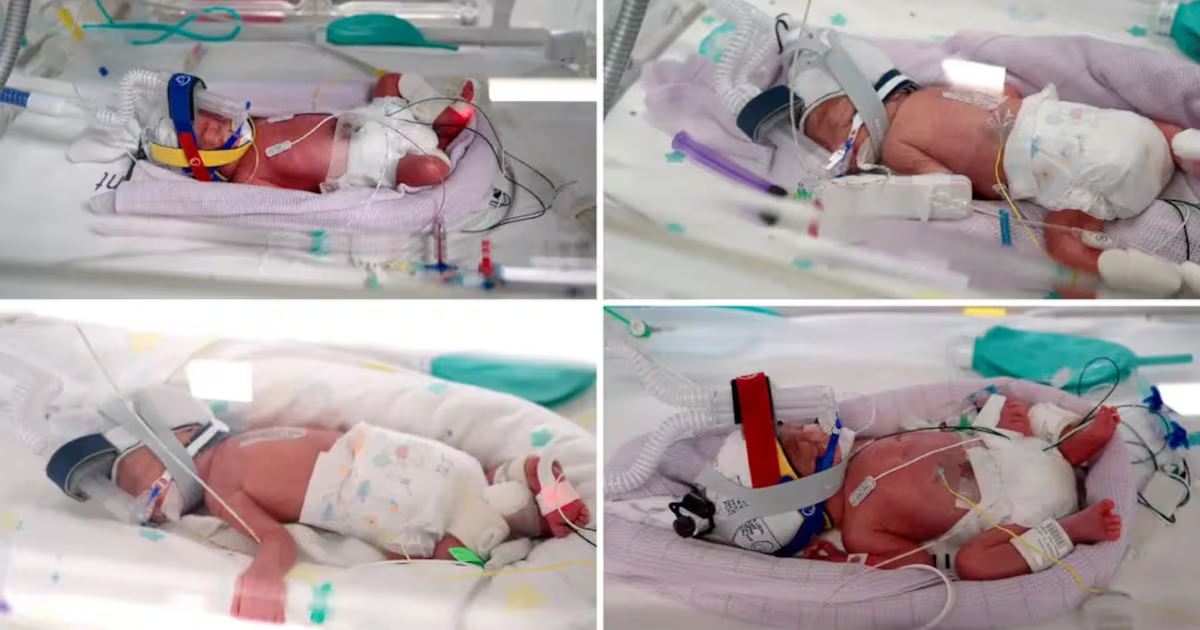
An Australian woman gave birth last week to naturally conceived identical quadruplet girls who shared one placenta after splitting from one fertilised egg, in what doctors described as an extremely rare event.The woman, Jenitar Sau Na’amoana (34) and her husband Jortham, have four children aged one to 10, and had not planned on having any more, the Royal Brisbane and Women’s Hospital, where she gave birth, said in a statement. They were surprised to find they had naturally conceived the quadruplets, the hospital said. And the surprises kept coming.Dr Alexa Bendall, the hospital’s maternal foetal medicine specialist and obstetrician, said monozygotic quadruplets – when a single fertilised egg splits into four different embryos – are estimated to occur in one of every 15 million pregnancies.“We don’t think it’s ever happened in Australia,” she said in a video interview published by the hospital. “The fact that we’ve got four beautiful healthy babies born at 28 weeks and four days is incredible.”The pregnancy was considered high-risk, so Na’amoana was admitted to the hospital at 25 weeks so she could be monitored, Bendall said. On July 14th, Na’amoana gave birth via C-section to the four girls, named Emily, Harriet, Catherine and Alexa, the last in honour of Bendall.The babies are doing “really well” and will spend time in a specialised neonatal intensive care unit where they will grow to full term, the doctor said.“From a human perspective, to be able to be part of the family’s journey and come out with four beautiful babies and a healthy mum is very precious,” she added.In a post on social media, Na’amoana said the experience had been “one giant miracle”.“Every day our miracle babies grow stronger is another answered prayer. We love you more than words can ever say, my miracle babies,” she said, sharing a photo of a baby’s hand clutching one of her fingers.In a similar case, a family in Texas welcomed identical girl quadruplets in 2020.Shireen Meher, a professor of maternal foetal medicine at the University of Sydney who was not involved in the case, said because naturally conceived identical quadruplets are so rare, any data that medical teams collect and share is vital to improving care for other families.She added that quadruplet pregnancies are more common if parents go through in vitro fertilisation or artificial reproductive techniques.“But seeing a pregnancy like this through and having four babies that survive and do well, I think we all give ourselves a pat on the back and we’re overjoyed for the family and that they are able to take healthy babies home, because we know everything that can potentially go wrong,” she said. – This article originally appeared in The New York Times
‘One giant miracle’: Australian woman gives birth to identical quadruplets
Doctors say arrival of babies, who were conceived naturally and split from one fertilised egg, is 1 in 15 million occurrence
448 words~2 min read