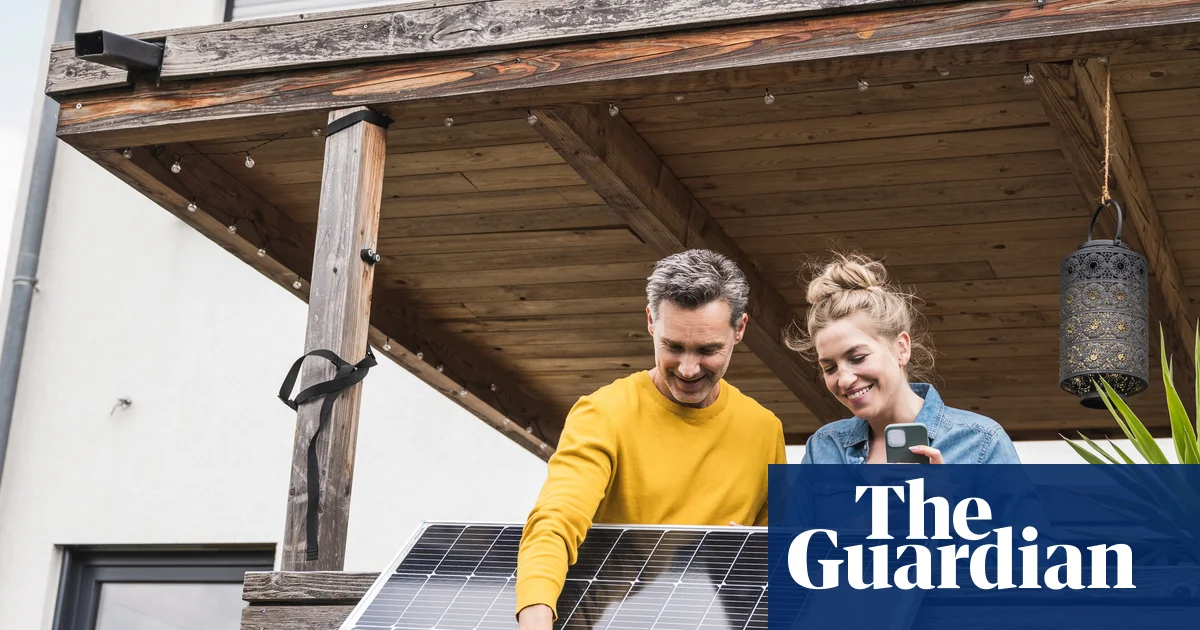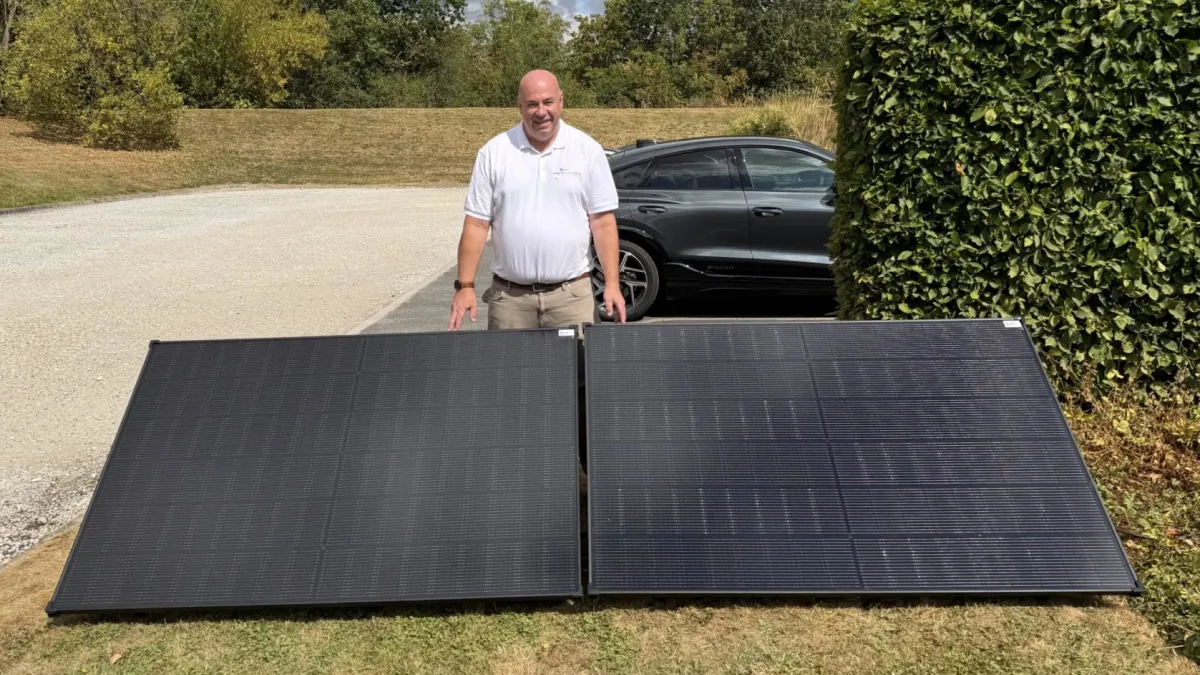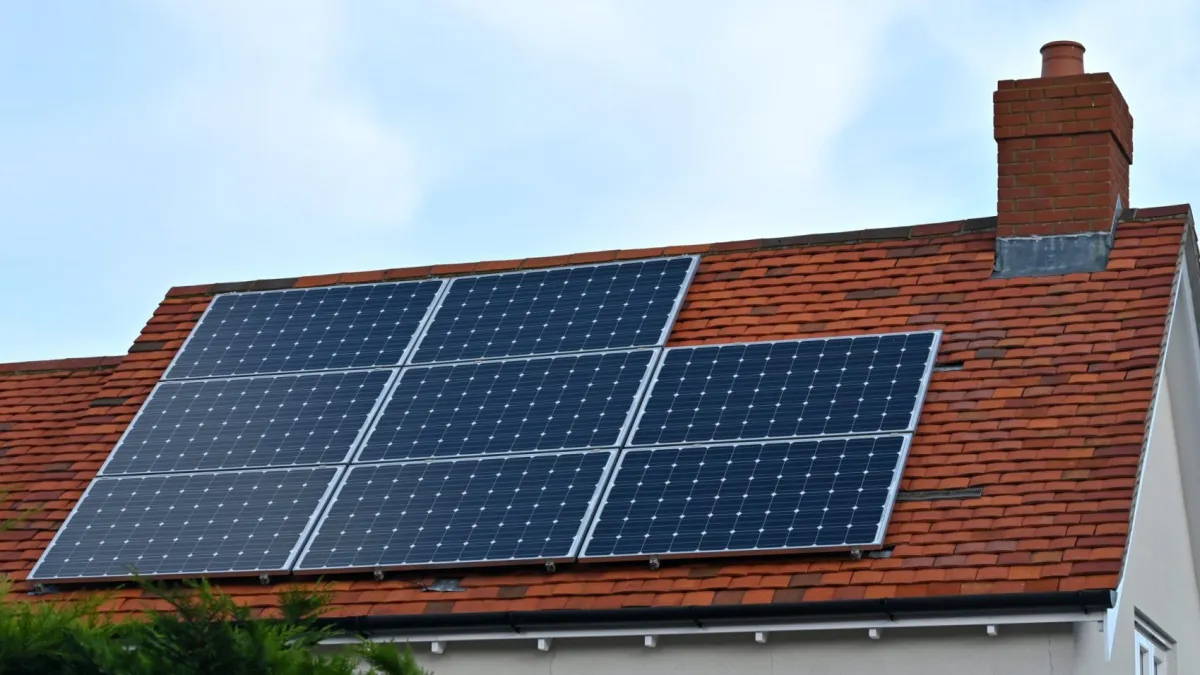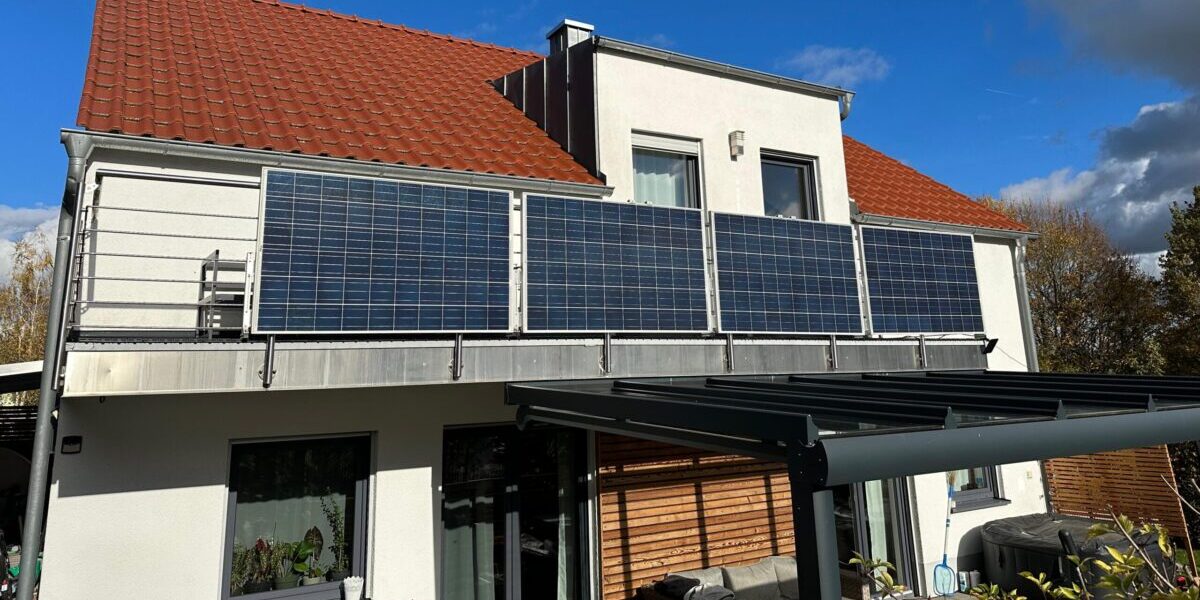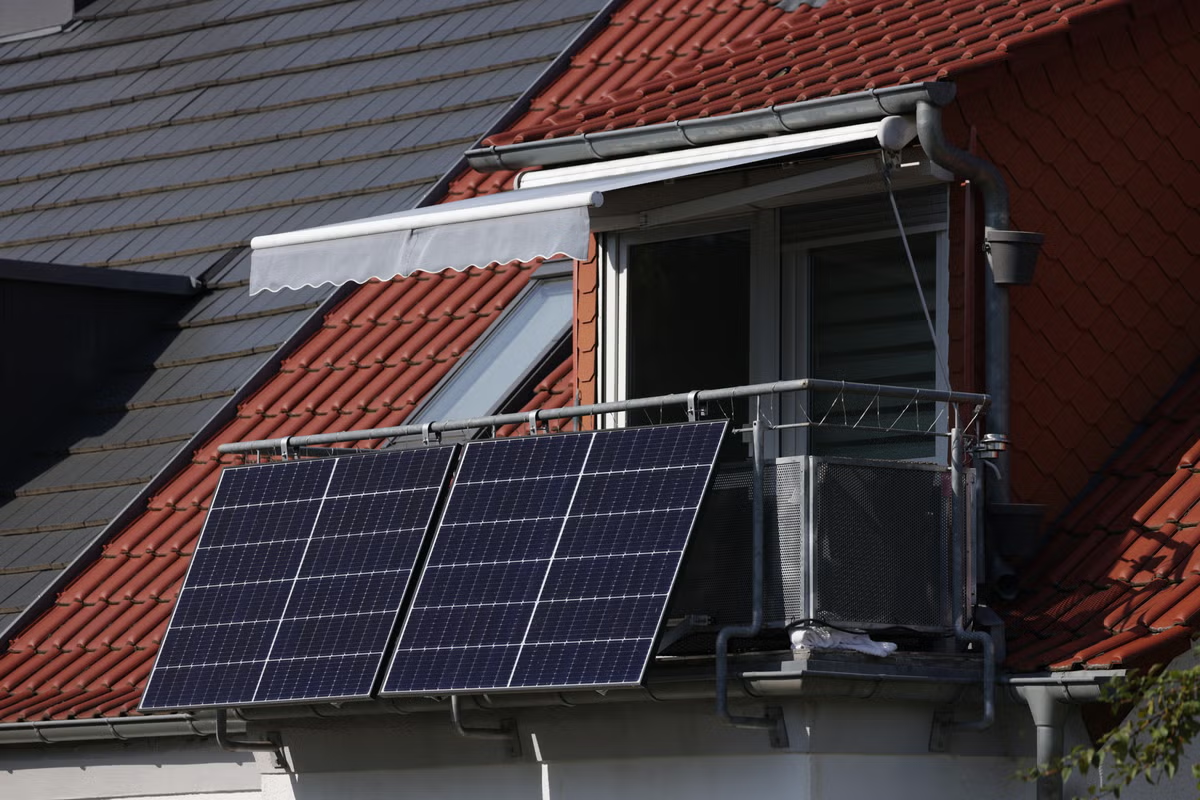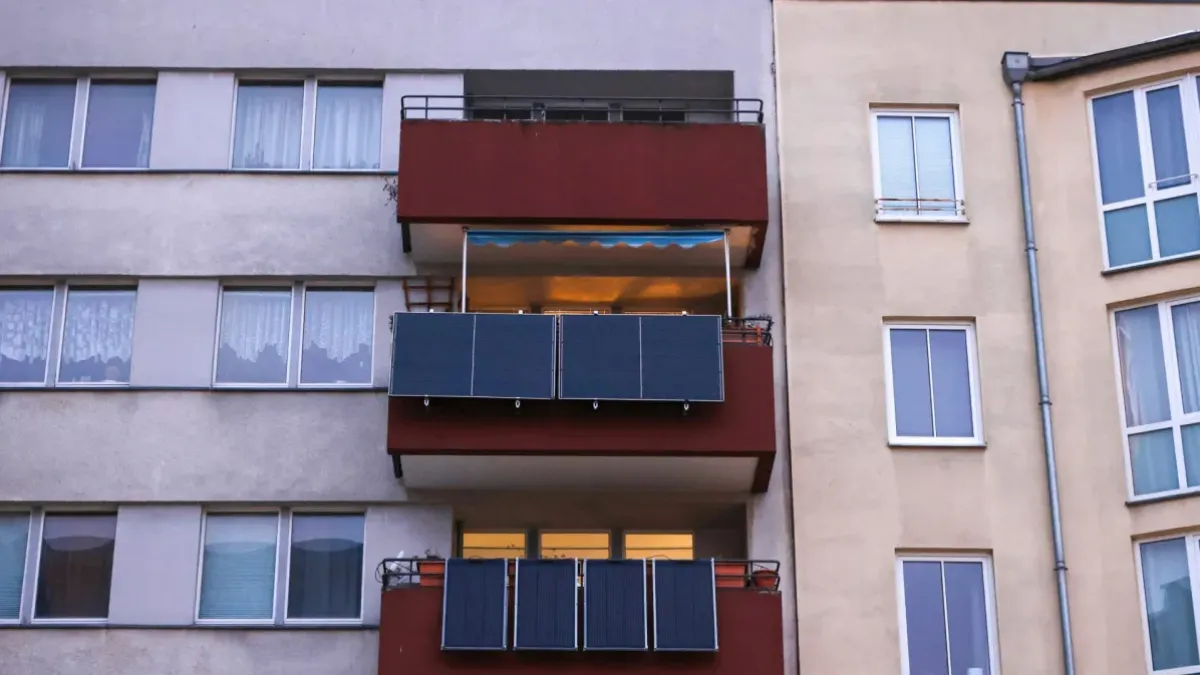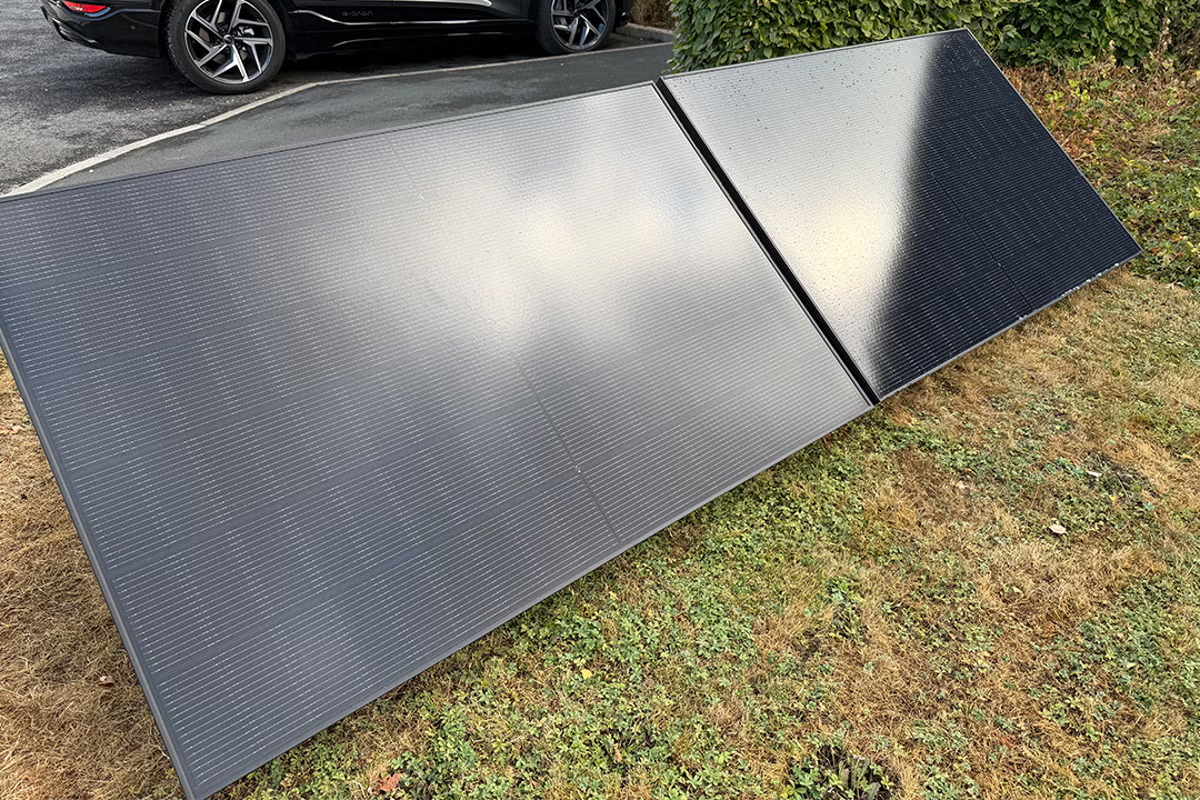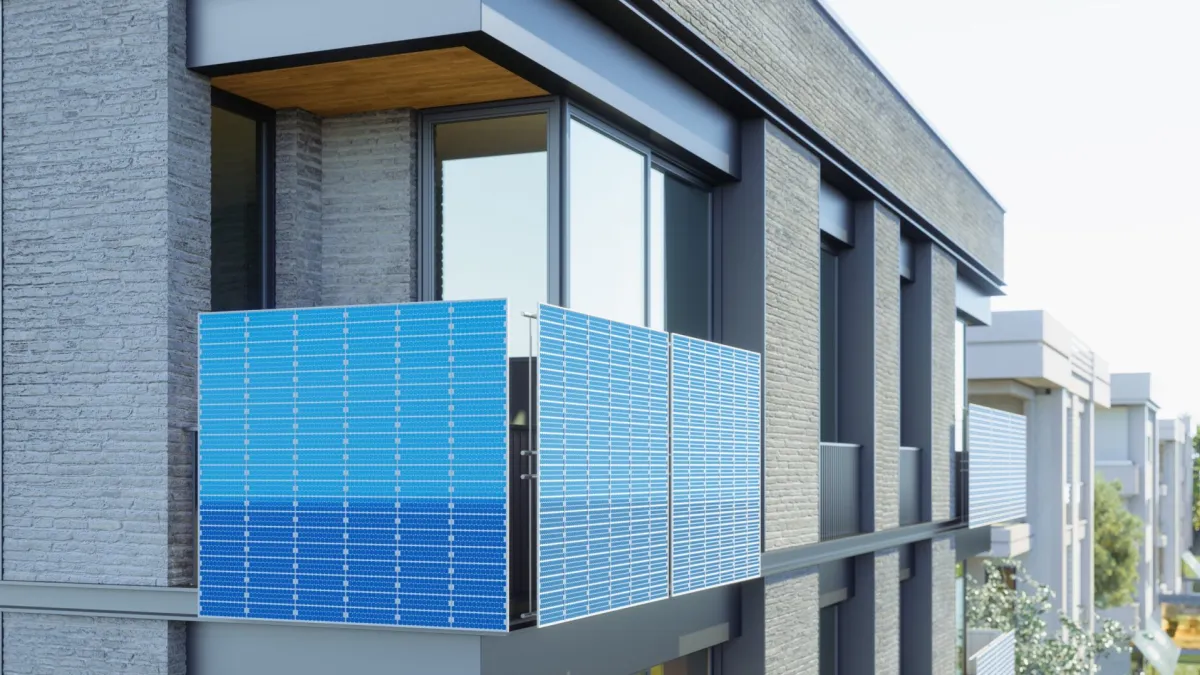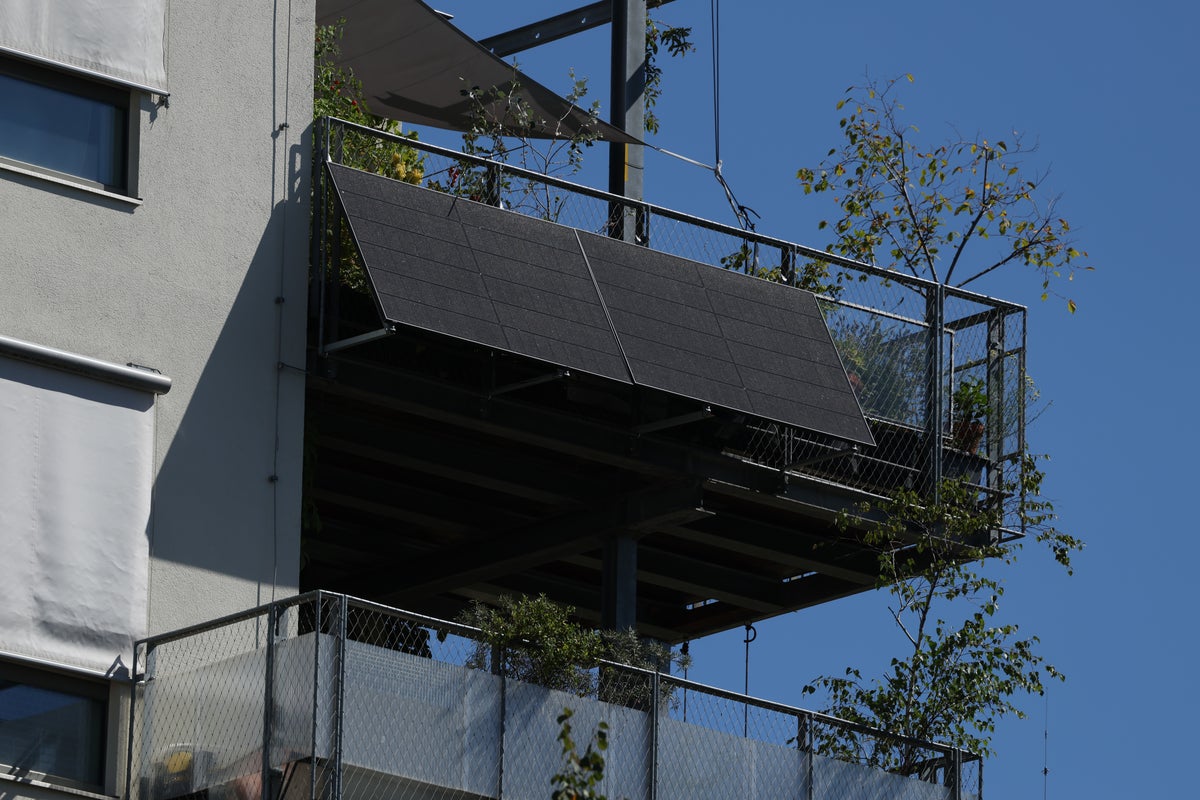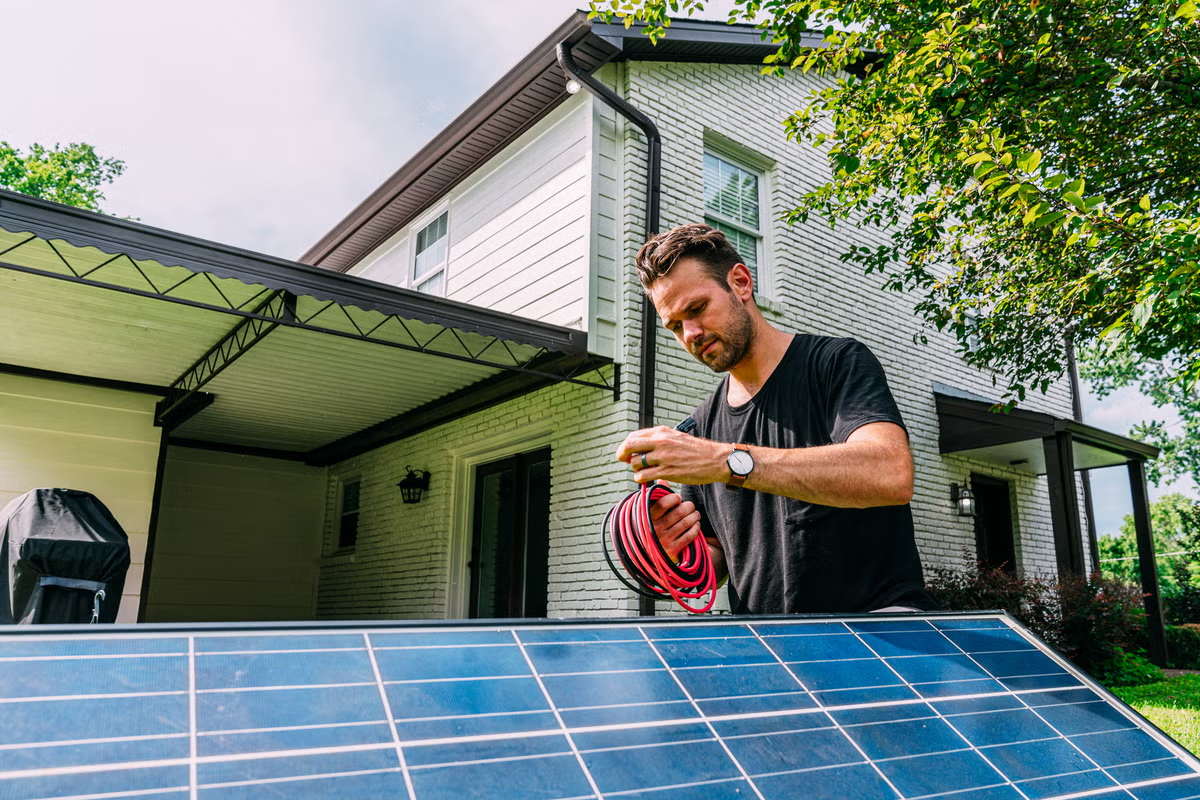
Plug-in solar panels are to go on sale online and in shops as new regulations allowing their sale in the UK come into force.Stores are rolling out the technology from Thursday, allowing solar power to run into the home network using an ordinary plug.The panels, already popular in countries such as Germany where people mount them onto balconies or fences, can lower energy bills by cutting how much electricity households pull from the grid.Each kit produces up to 800W of power, which is enough to provide up to 20% of an average home’s electricity use when the sun is shining, according to officials.As they go on sale, ministers say prices could start off higher but they expect them to settle at around £400 to £600 – depending on the size and model – amid growing competition as more models come on to the market.Each kit produces up to 800W of power (Getty)Households should then be able to recoup this cost over a few years, with savings of up to £110 annually on their bills, Desnz said.Energy Secretary Miatta Fahnbulleh said: “Plug-in solar is a simple, affordable way for households to take control of their energy bills and start saving straight away.“From this summer, we’re giving more families the ability to power their homes with clean homegrown energy.”Argos has confirmed it will begin selling the kits from Thursday, with Amazon expected to follow in the coming weeks.Currys, B&Q, Screwfix and Wickes are also among retailers that have committed to stocking plug-in panels.The sale of the technology was previously restricted in the UK because of safety and wiring standards.But ministers say the legal change follows rigorous, independent safety testing, covering all key electrical elements, which shows compliant panels are safe and compatible with UK wiring, officials said.The Government first announced plans to remove the legal barriers earlier this year, announcing it was working with retailers and manufacturers to bring the plug-in solar kits to market.Energy minister Martin McCluskey said the technology “enables people who might otherwise not be able to get a rooftop solar array to take advantage of solar power”.This includes renters, leaseholders and homes where installing rooftop solar remains untenable.However, many will still require consent from landlords, building owners, councils, freeholders or even planning permission or listed building consent.Before purchasing or installing plug-in solar devices, officials have urged people to check whether any permissions are required for the property.Mr McCluskey said the Government has written to the National Landlords Association to communicate the panels’ benefits to tenants and encourage them to consider each case on its individual merits.Before purchasing or installing plug-in solar devices, officials have urged people to check whether any permissions are required for the property (Getty Images)As the US-Israeli war on Iran continues to drive volatile global energy prices, he said the hope is to give British people “a little bit of breathing room” on their household costs, coming alongside the Government’s previously announced plans to cut VAT on electricity bills.On whether there will be any support or discounts to help households purchase the kits, Mr McCluskey said the Government is not proposing to deliver them through a Desnz scheme, but local authorities, charities and others will have their own funds they could choose to use for plug-in solar subsidies.Elsewhere, people will also be asked to register their kits after purchase to provide a “proper line of sight” for grid operators, who have faced multiple challenges balancing supply and demand this summer amid extreme weather, network bottlenecks and shifting energy sources.“We’re not anticipating any issues with this additional capacity of solar, but it’s obviously something we’ll monitor as the rollout progresses,” he said.Addressing concerns that some households will need to pay for advice from electricians on installations, Mr McCluskey said the independent safety testing “has given us the assurance that plug-in solar panels are safe and that they’re compatible with UK domestic electrical systems”.He added consumer advice on installations will be published through the Energy Saving Trust.Joanna O’Loan, knowledge manager at the Energy Saving Trust, said: “As these products become more widely available, access to clear and reliable information is essential to help people make informed choices that are right for their home and budget.”
Thinking of buying plug-in solar panels? Here’s what you need to check first
The panels can lower energy bills by cutting how much electricity households pull from the grid
698 words~3 min read