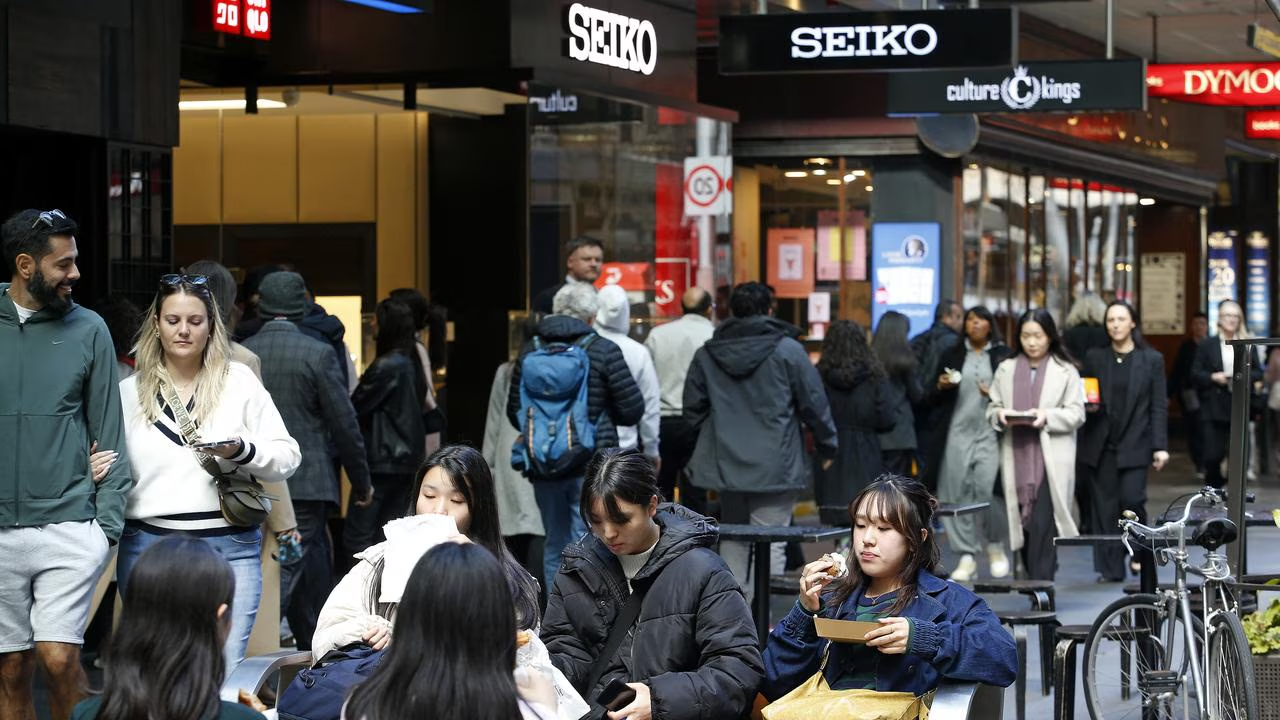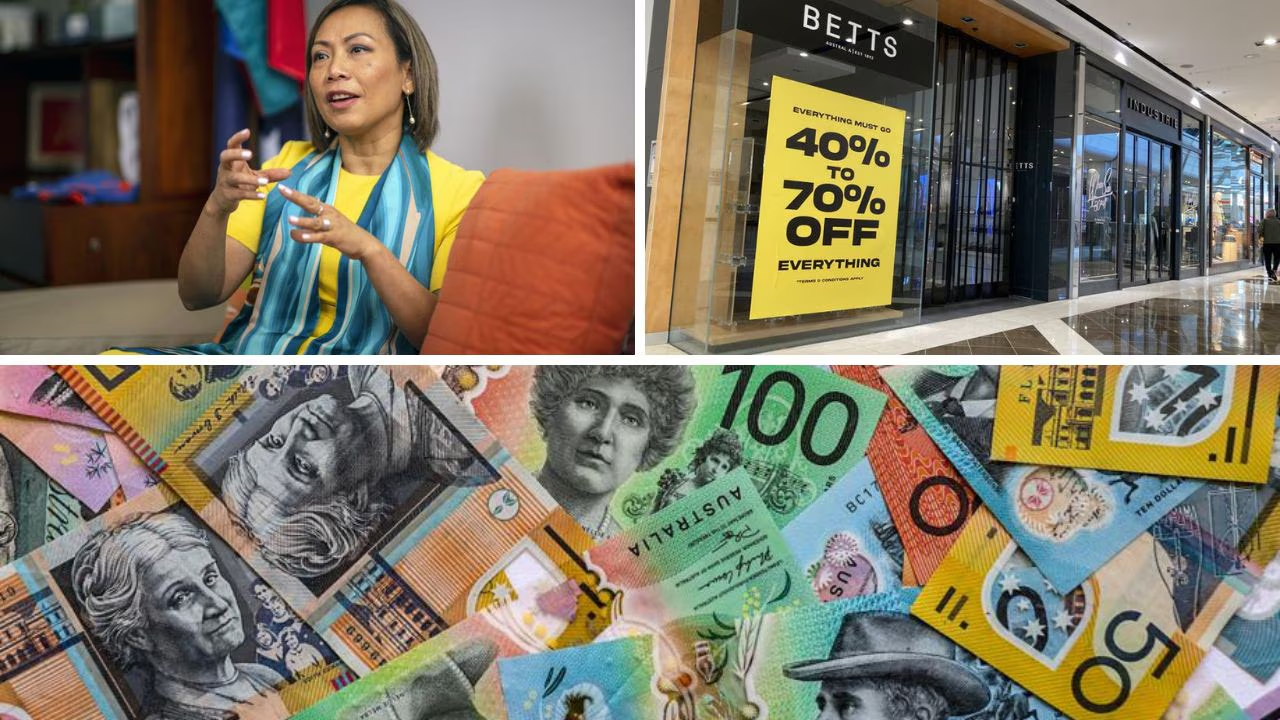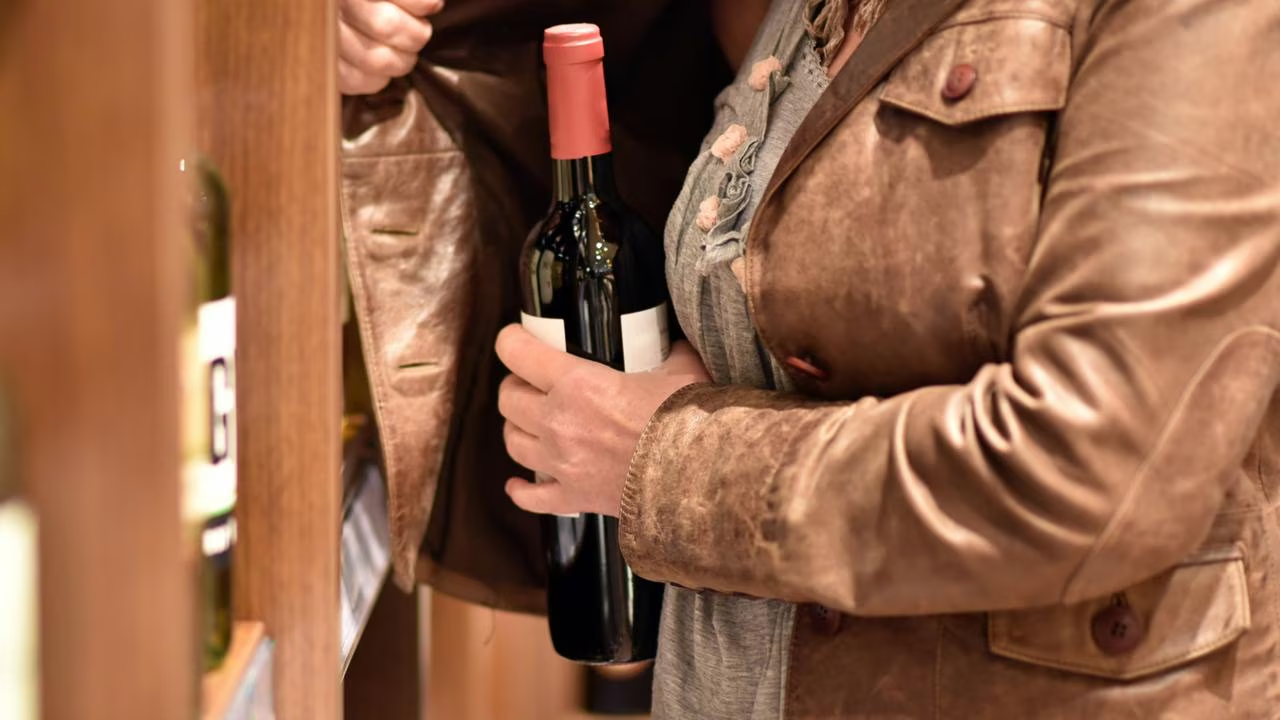
Australian small businesses are being hit with a triple-edge blow of higher business costs increasing crime and competition from cheaper overseas rivals, a new report shows.The report from Deloitte points to inflation driving up operating costs, but the cost of living crunch is also pushing more of the general public to steal.The survey points to a trifecta of pressures on retail stores: inflation on their own costs, the prevention and consequential costs of more crime, and super cheap online stores.Deloitte’s 2026 Retail Report polled 150 retail executives and 1000 consumers, specifically on their expectations for the end of year shopping period, and the coming 12 months.The survey found 37 per cent of businesses have whittled down their inventories because theft, fraud, organised crime and aggressive customers are pushing up business costs.Australian Retail Council chief executive Chris Rodwell said economy-wide inflation was pushing up crime, as increasing costs for each business owner doubly squeezed margins.“Retail crime is distressing and harmful for retail workers, shop owners and the communities they serve. There’s no disguising it’s also now a significant cost of running a business,” Mr Rodwell said.The retail association wants clearer guidelines from the government on how businesses can use facial recognition cameras to cross-reference offender databases.“Retailers are spending more on security, training and technology because their first responsibility is to keep their people and customers safe,” he said.The Deloitte survey found the number of businesses in active partnership with local police or retail crime networks has increased from 23 per cent to 36 per cent.The report points to a separate 2025 study which found more than half of 18-34 year olds considered some forms of theft to be justifiable to some extent.Trying to combat the crime is one factor weighing down the outlook among businesses; 37 per cent have sustained or increasingly lower stock inventories.With tightening cost of living pressures, fewer retailers are banking on big spending in the run up to Christmas, with 77 per cent expecting holiday sales growth, down from 83 per cent last year.Among consumers, 34 per cent of people plan to reduce their holiday spending; 11 per cent by delaying purchases, and 32 per cent by switching to cheaper options.Deloitte retail sector lead, Louise Heath, said attracting people to spend their money was a difficult task.“Retailers are entering the year ahead with a clear understanding that consumers remain under significant cost-of-living pressure.“Those that navigate this environment successfully will be the ones that know when to drive demand, when to protect margin, and how to offer customers compelling value and a clear reason to choose them.”Australian small businesses have an almighty task protecting their margins against the uber-cheap online retailers.The report finds 48 per cent of consumers often or always consider the ultra-low-cost marketplaces when they’re looking for an item, and 28 per cent consider the stores at least some of the time.Among people taking home $200,000-plus salaries, 67 per cent always or often consider the super cheap stores.Nearly 80 per cent of retailers are concerned about competition from these stores, and 61 per cent say online marketplaces will be a source of increased competition over the coming year, up from 28 per cent last year.The Australian Retail Council boss said the super cheap marketplace stores often skirted Australian safety, employment and consumer protection laws.“Competition is healthy, but it must also be fair. We don’t want to see small and family-owned retailers hollowed out of communities across Australia,” Mr Rodwell said.“That means we need to ensure ultra-cheap overseas platforms selling into this market are held to the same standards.”
Triple threat pushing businesses to the brink
Australian small businesses are being hit with a triple-edge blow of higher business costs increasing crime and competition from cheaper overseas rivals, a new report shows.
592 words~3 min read