2016 was a year of political upheaval: the UK voted to leave the European Union, Donald Trump defeated Hilary Clinton in his first presidential run, and Brazil and South Korea impeached their leaders.
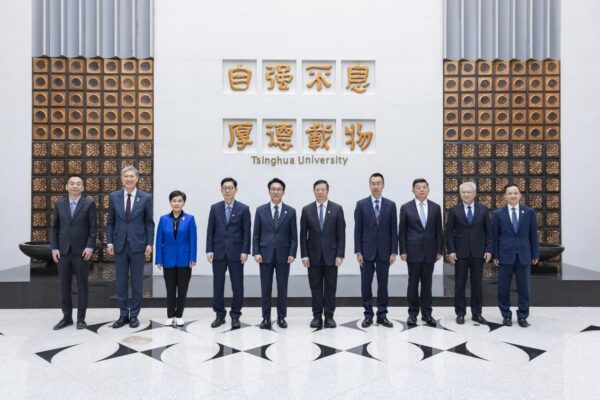
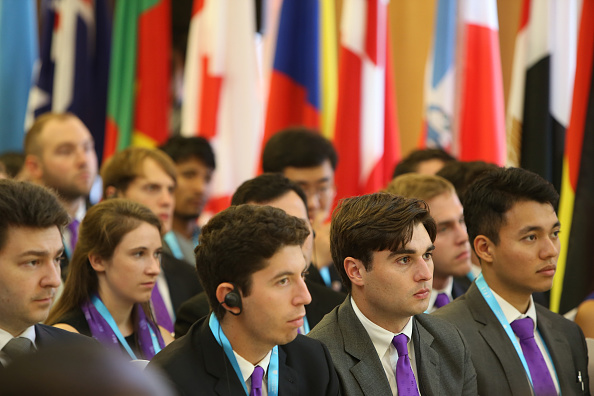
Against this backdrop, the Schwarzman Scholars initiative was launched in China, promising a one-year fully funded master’s course in global affairs that could equip the next generation of leaders with the skills needed to respond to the geopolitical headwinds of the 21st century.
Ten years on, Schwarzman scholars face a different set of challenges compared with the inaugural cohort who arrived at Tsinghua University in 2016. The global order has fractured, wars rage in Europe and the Middle East, countries have edged toward more protectionist trade policies, and a race among nations to build digital sovereignty in the age of AI is well under way.
Despite all this, Xue Lan, the dean of Schwarzman College, told Times Higher Education that the core leadership qualities needed in today’s world “have not changed”.
“Leaders still need integrity, judgement, resilience, intercultural competence and the ability to bring people together around a common purpose.”