Read The Diplomat, Know The Asia-Pacific
Does receiving a Chinese education sway Asia’s leaders and, by extension, foreign policy?
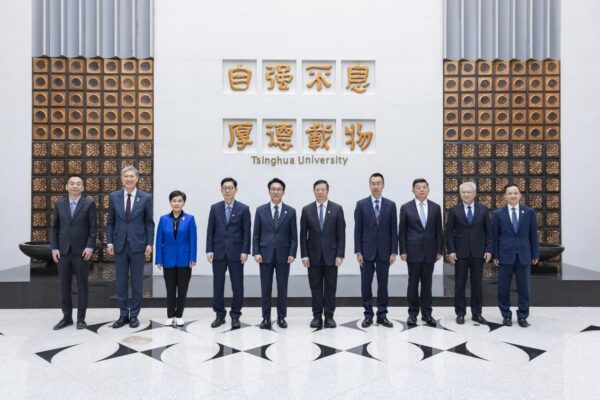
Then-South Korean Prime Minister Kim Min-seok visits Tsinghua University, his alma mater, in Beijing China, June 23, 2026.
On June 23, 2026, South Korean Prime Minister Kim Min-seok walked onto the campus of Tsinghua University in Beijing, where he had earned a law degree in 2010. “I believe that my time studying at Tsinghua University will remain one of the most beautiful memories of my life, forever cherished and held close to my heart,” he told his hosts. Kim had flown in from Seoul on early morning flights, he recalled, just to make it to class on time. (Kim has since resigned from office to become the chair of the ruling Democratic Party.)
Three weeks earlier, Lao President Thongloun Sisoulith had stood in the dormitory room at the Central Party School where he had lived during a month-long program in 2000. “Though the campus has undergone some changes,” he said, “the places where I lived and studied remain just the same.”