Image by Tsvetoslav Hristov via Pexels
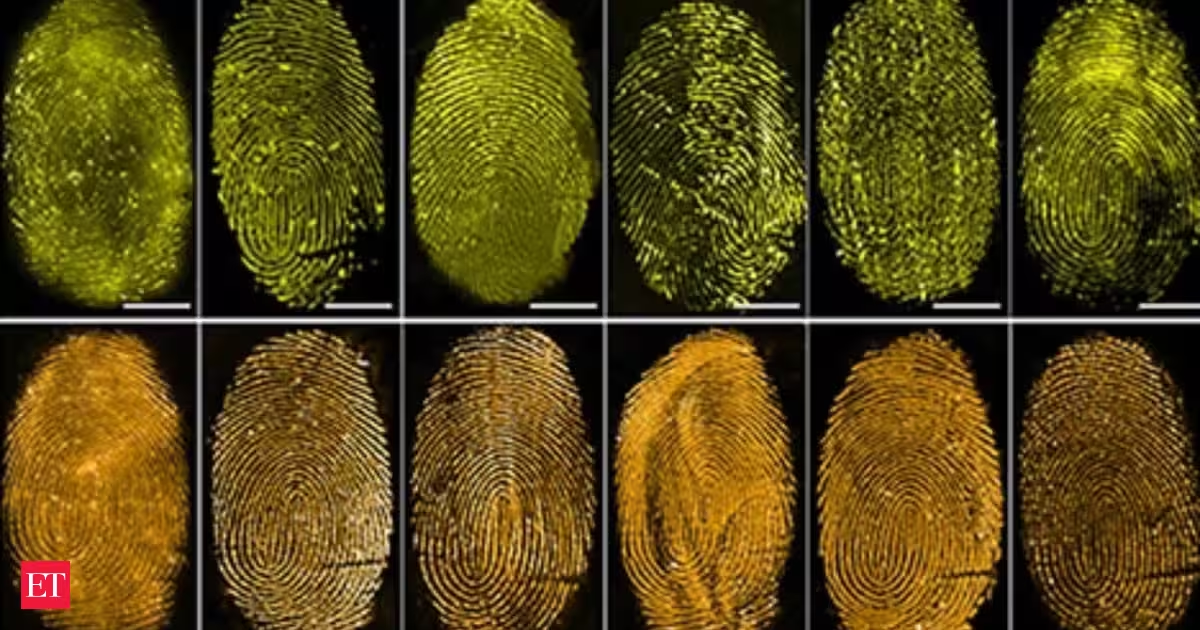
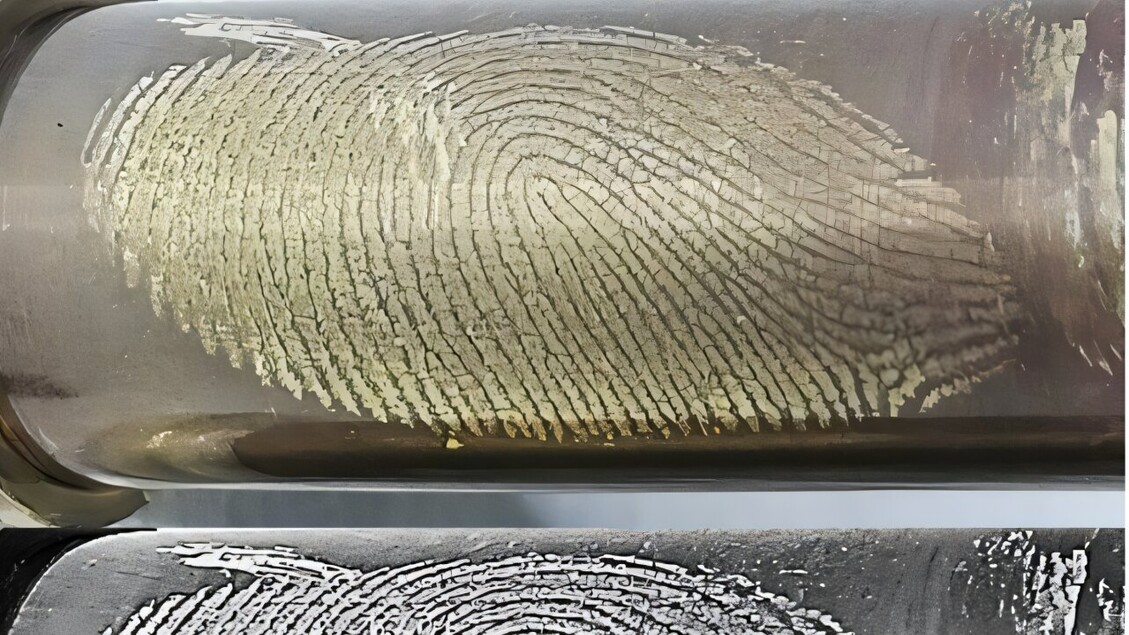
Scientists at Maynooth University have developed an electrochemical method that can reveal fingerprints on brass ammunition casings, including surfaces exposed to temperatures of up to 700 °C. The research addresses a long-standing problem in forensic science: recovering latent finger-marks, or fingerprints left on a surface that are not immediately visible.
The method was developed by Dr Eithne Dempsey of Maynooth University’s Department of Chemistry and her recent PhD student, Dr Colm McKeever. Fingerprints are formed by friction ridges, the raised patterns of skin on the fingers. These ridges contain smaller identifying features, known as minutiae, including ridge endings and points where ridges split.
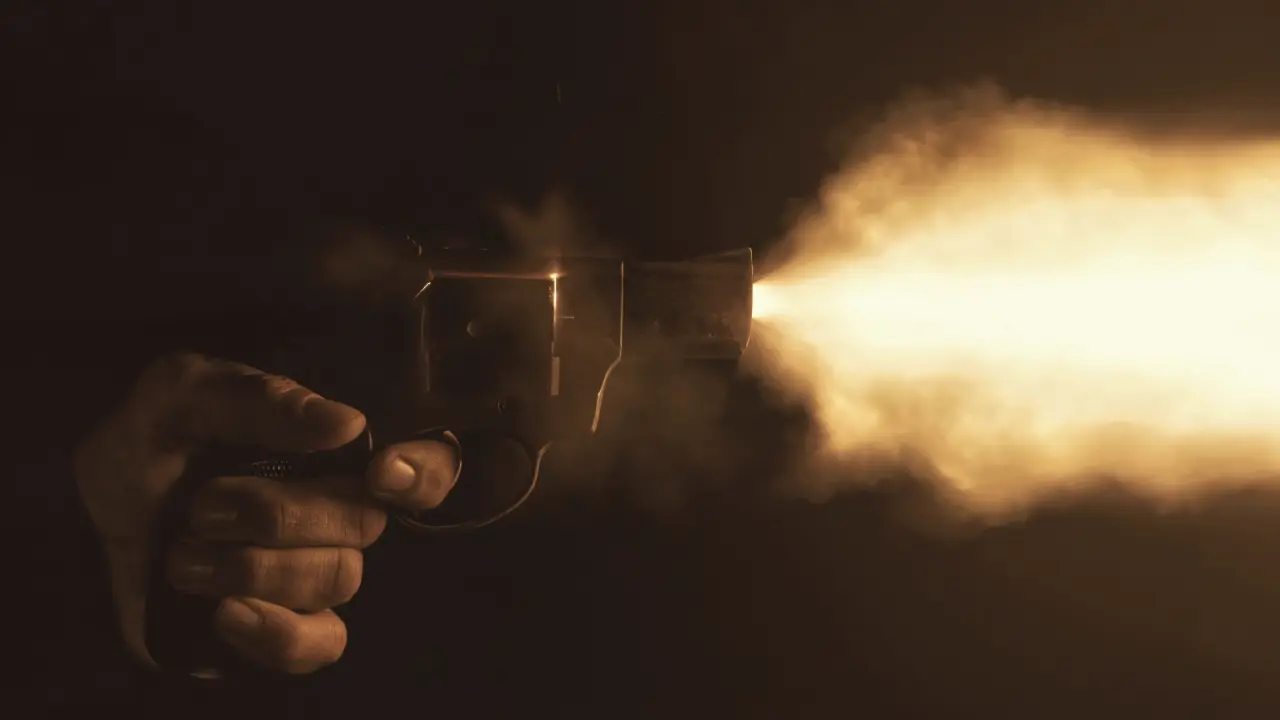
Recovering fingerprints from fired ammunition casings has been difficult because the heat, friction and gases produced when a gun is fired can damage or remove biological material left by a person’s fingers. Brass casings are also relatively difficult surfaces for fingerprint recovery. The researchers investigated whether an electrochemical process could make the remaining patterns visible while reducing the need for aggressive chemical reagents and extensive sample preparation.