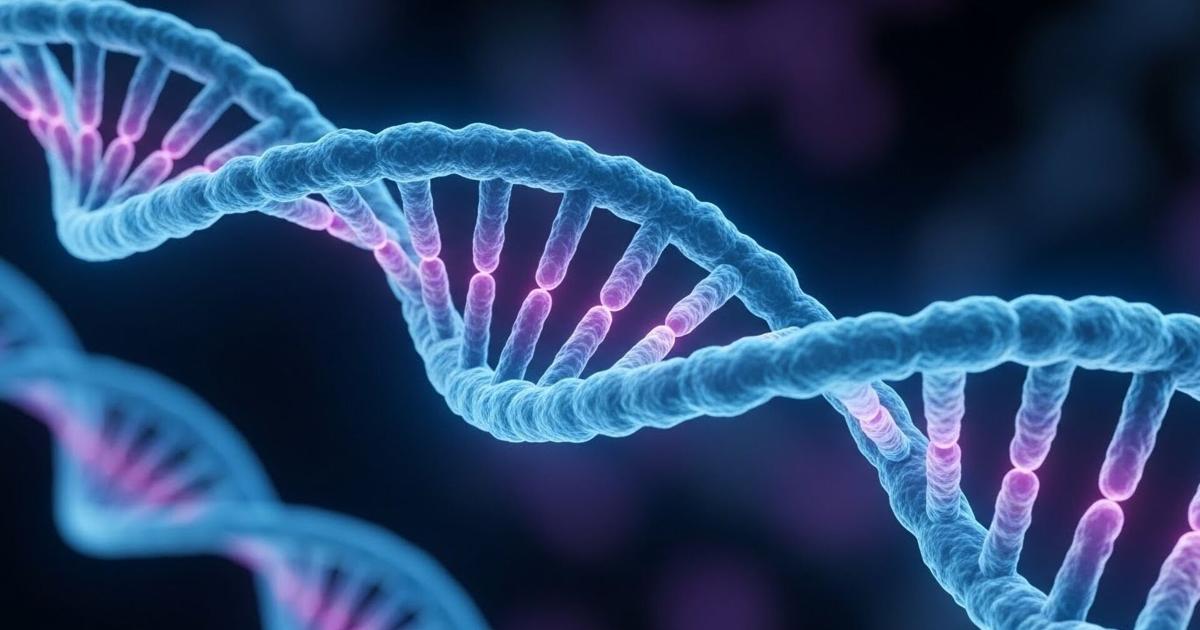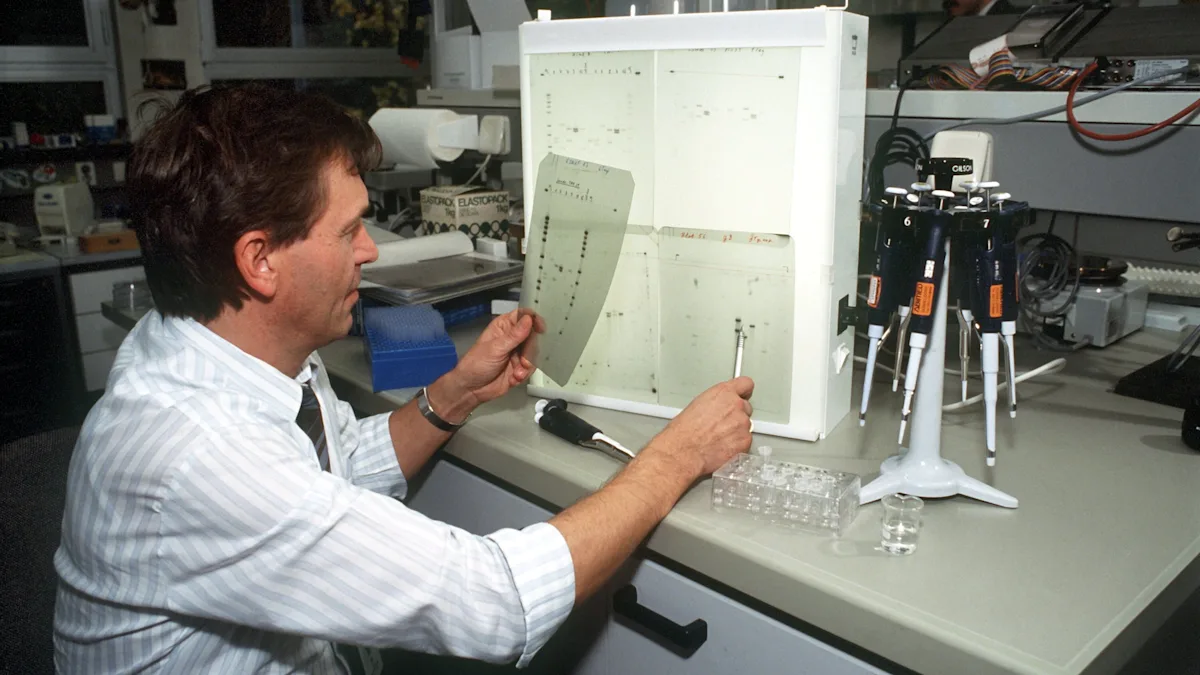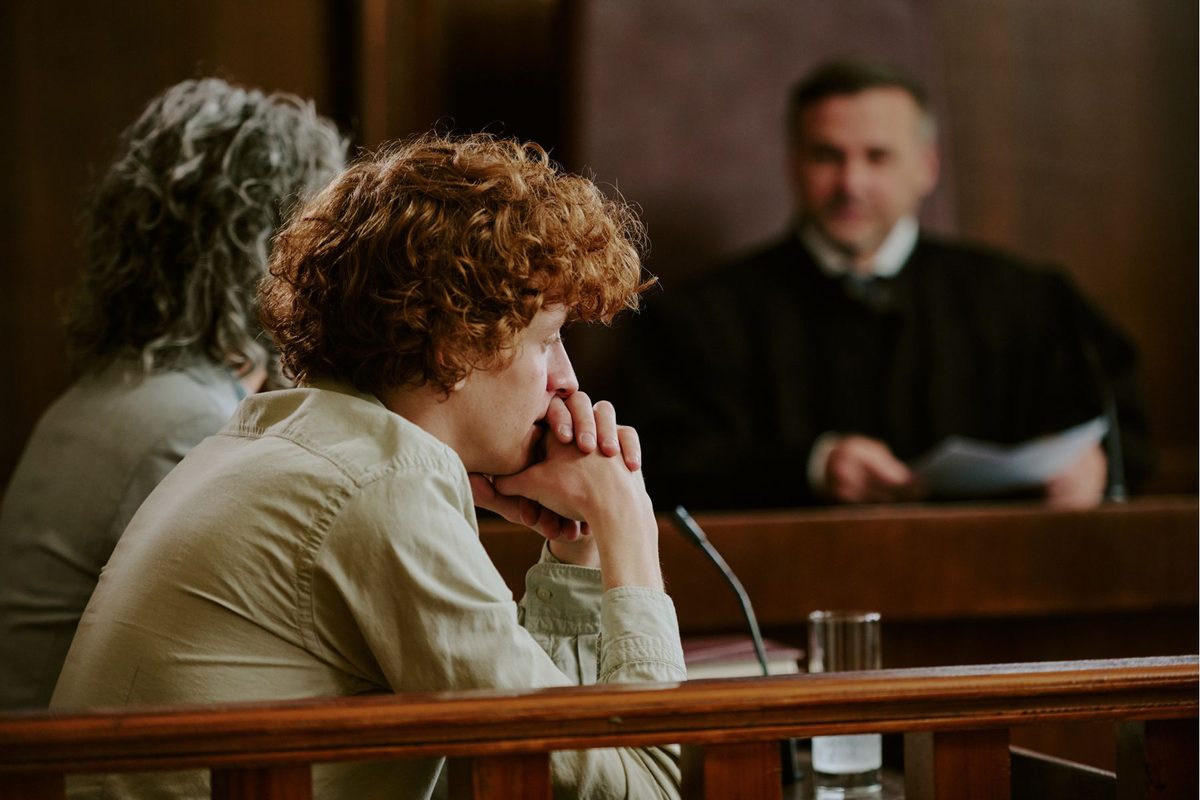
The emergence of DNA evidence in the 1980s and its widespread adoption during the 1990s revolutionised forensic science. Suddenly, leaving a hair or some blood, saliva or semen at a crime scene was akin to leaving a signature.
So powerful was DNA evidence that, as well as securing new convictions, it also led to hundreds of exonerations after it was used to reassess a swathe of contested cases.
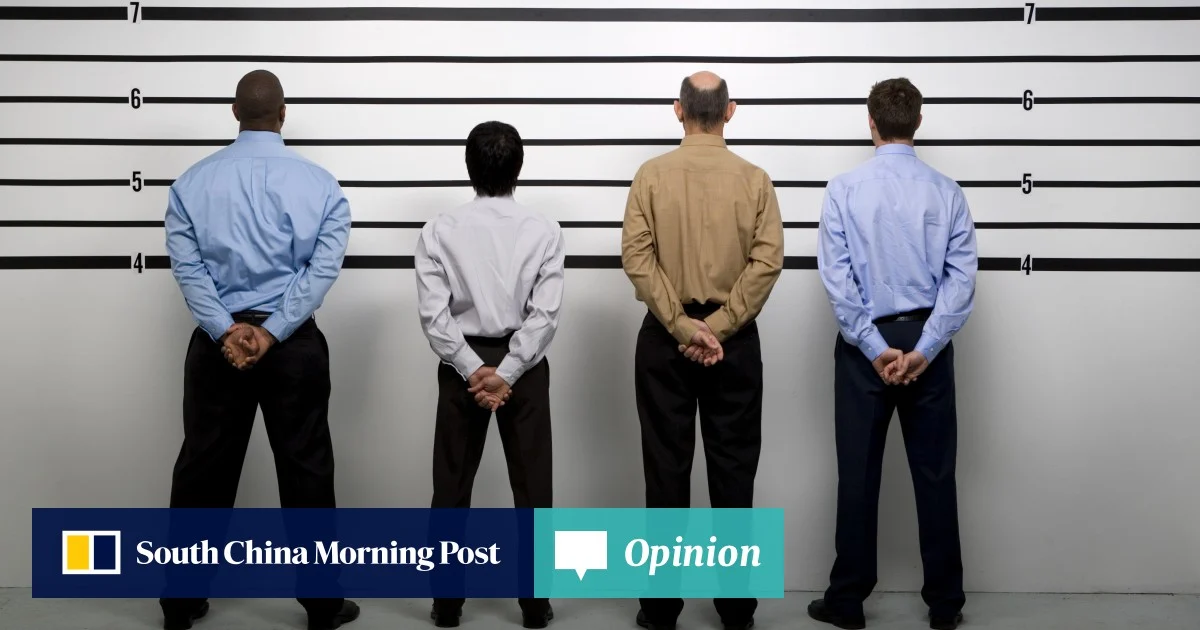
In the aftermath, one hugely influential type of evidence came out looking especially bad: eyewitness testimony.
A 2011 analysis of 250 DNA exonerations found that 161 of these cases had involved an eyewitness confidently misidentifying the defendant in court.
Psychologists who’d spent decades stressing the unreliability of eyewitness testimony felt vindicated.