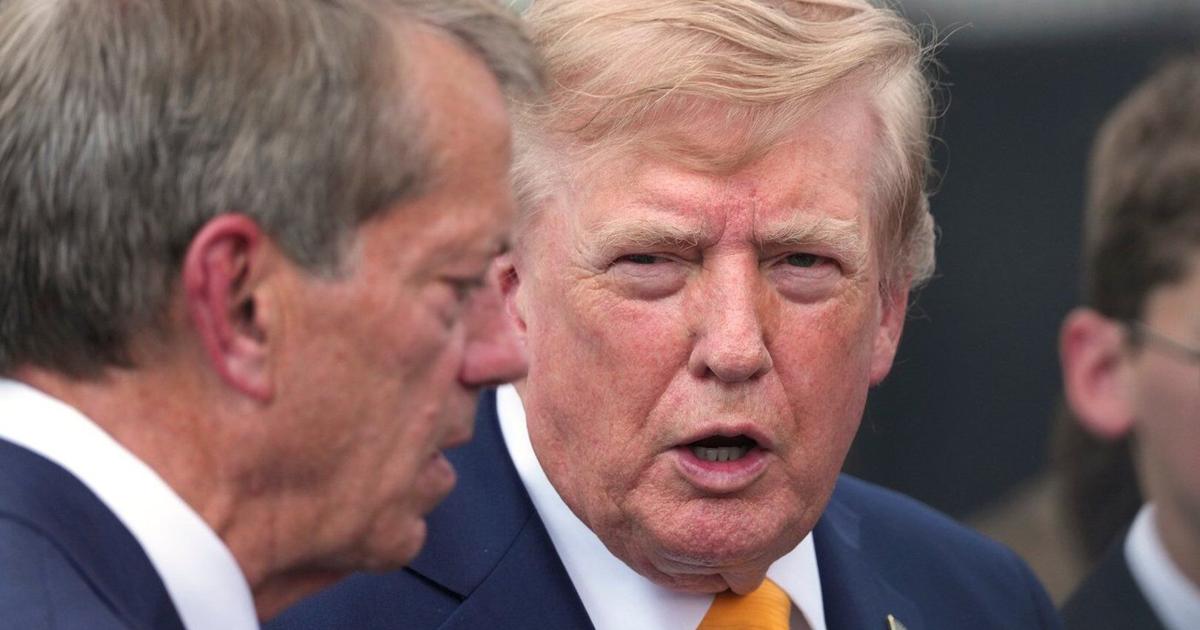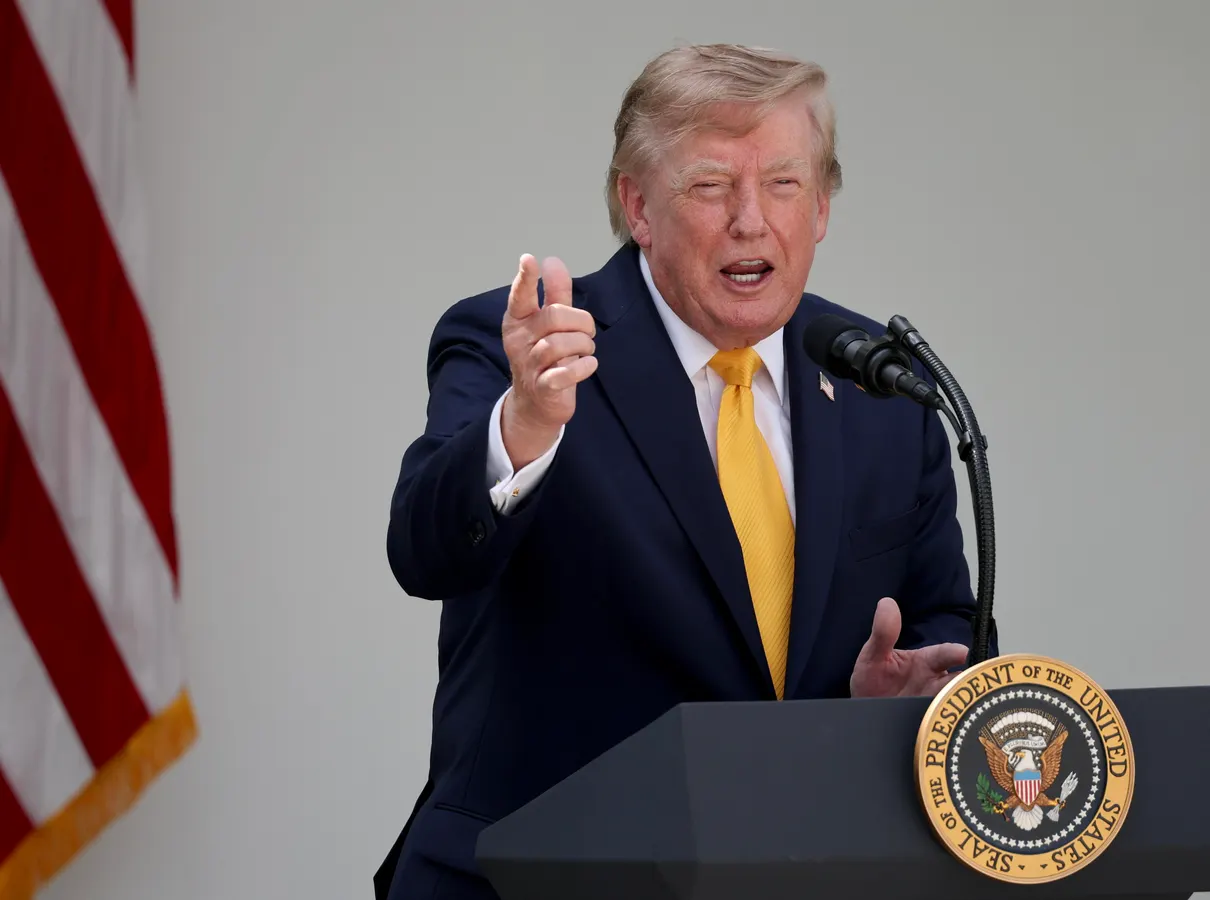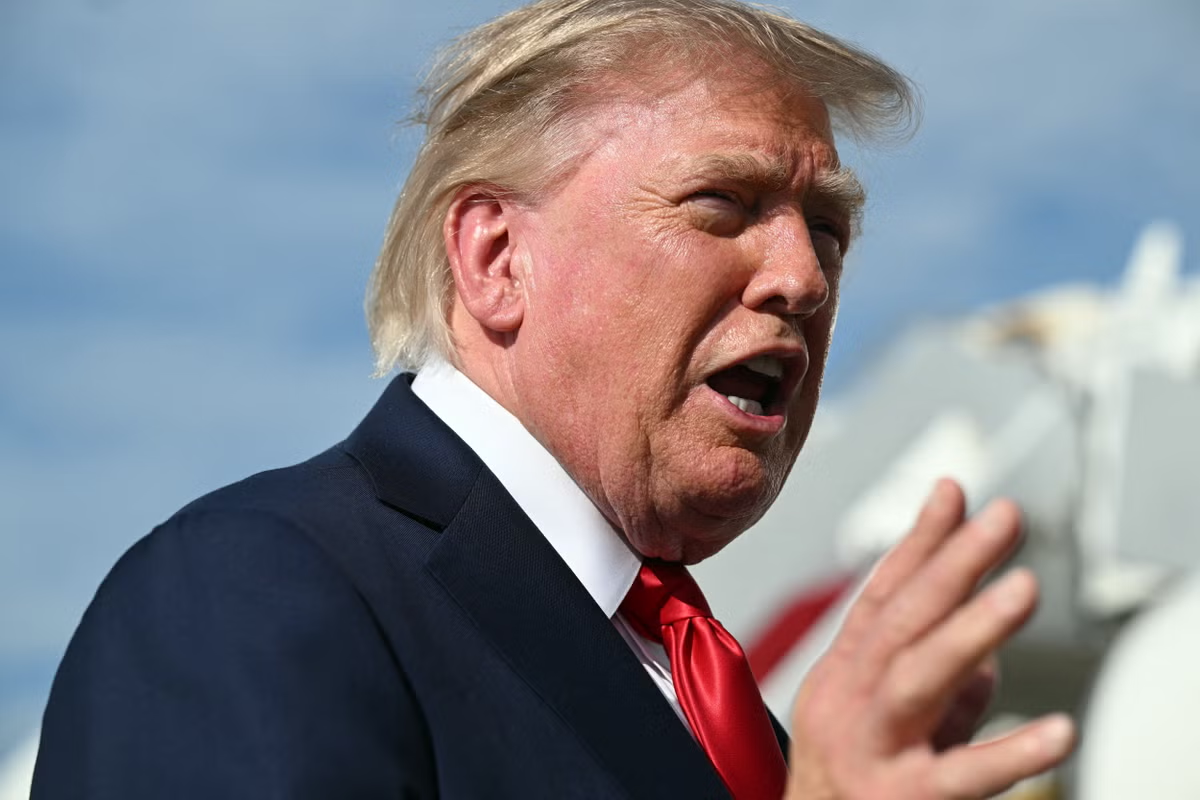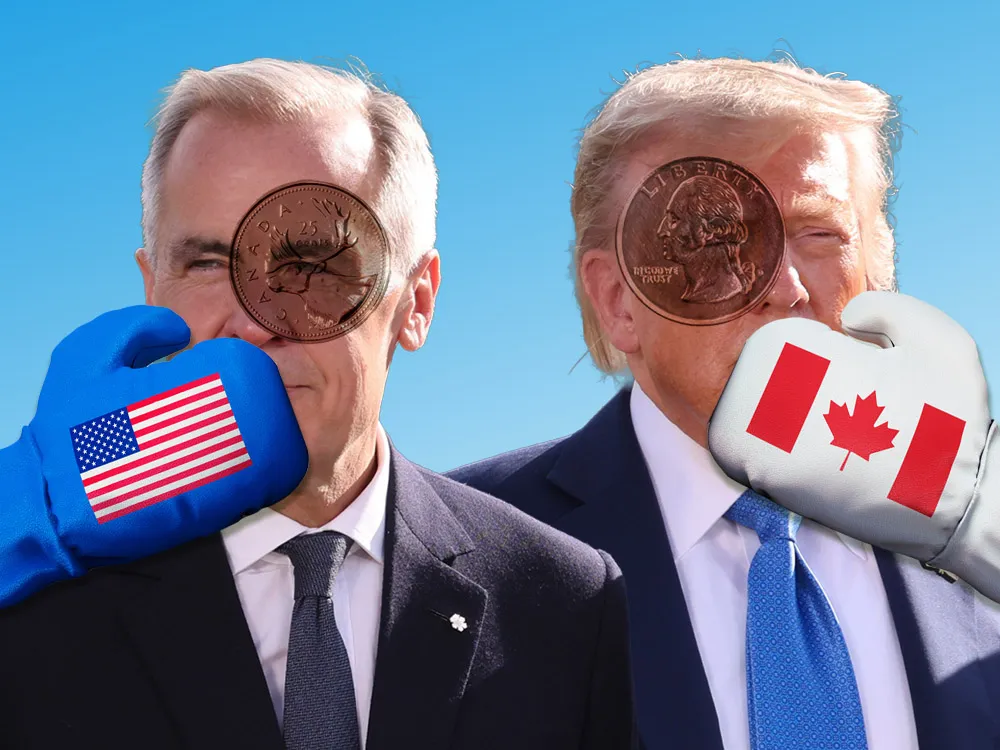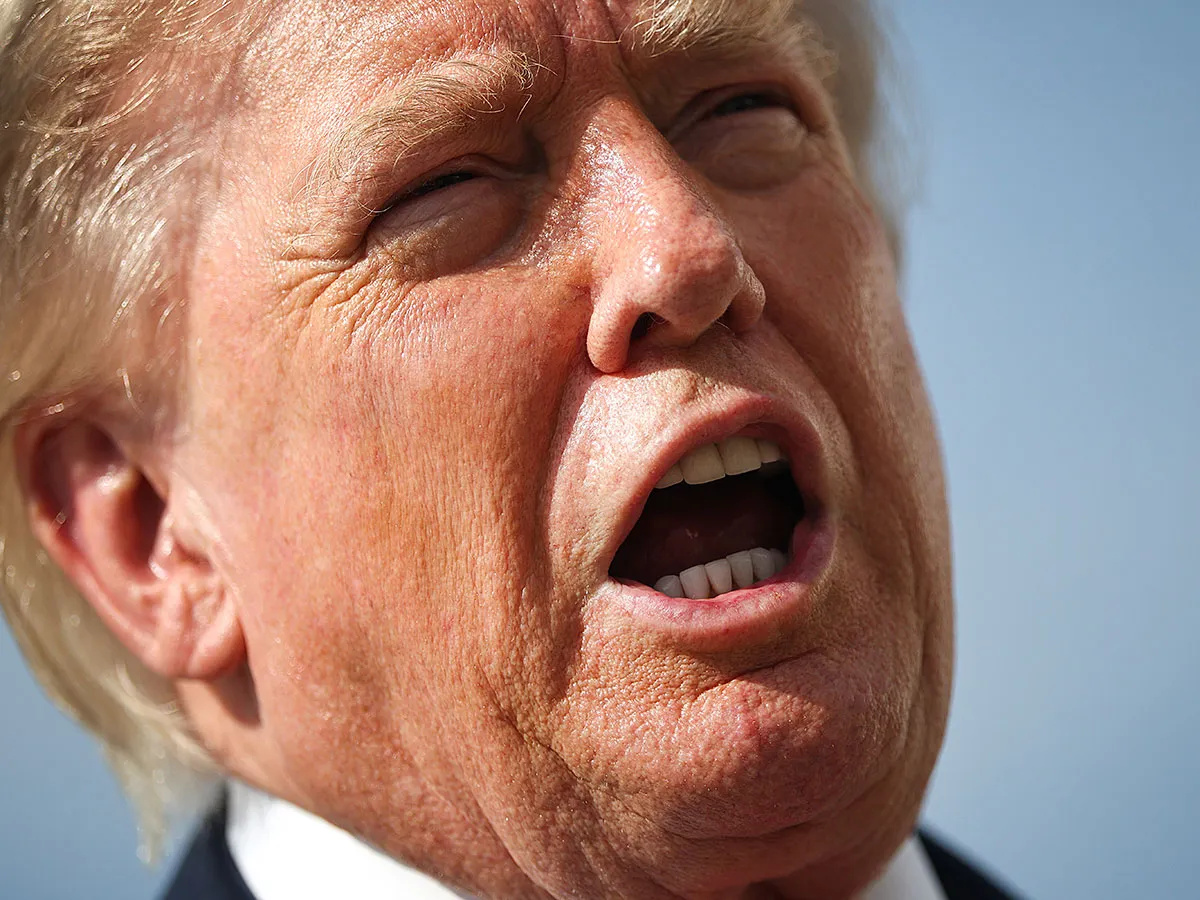
Skip to Content News Archives Economy Energy Oil & Gas Renewables Electric Vehicles Mining Commodities Agriculture Real Estate Mortgages Mortgage Rates Finance Banking Insurance Fintech Cryptocurrency Work Wealth Smart Money Wealth Management Investor Personal Finance Family Finance Retirement Taxes High Net Worth FP Comment Executive Women Puzzmo Newsletters Financial Times Business Essentials More Innovation Information Technology FP500 Podcasts Small Business Lives Told Tails Told Shopping Financial Post Store Obituaries Place a Notice Advertising Advertising With Us Advertising Solutions Postmedia Ad Manager Sponsorship Requests Classifieds Place a Classifieds ad Working Profile Settings My Subscriptions My Offers Newsletters Customer Service FAQ News Economy Energy Mining Real Estate Finance Work Wealth Investor FP Comment Executive Women Puzzmo Newsletters Financial Times Business Essentials HomeNewsEconomyTrump’s Canada, beef trade actions add to GOP midterm worriesThe political concerns have appeared to do little to deter the presidentAuthor of the article:Donald Trump ran on a promise to improve the cost of living, but voters have seen little relief amid Trump’s trade wars. Photo by Samuel Corum/Getty ImagesPresident Donald Trump’s latest trade upheaval is threatening to deepen Republicans’ peril in November’s midterm elections, saddling Senate GOP candidates with another economic headache as the party fights to hold onto its majority.Subscribe now to read the latest news in your city and across Canada.Exclusive articles from Barbara Shecter, Joe O'Connor, Gabriel Friedman, and others.Daily content from Financial Times, the world's leading global business publication.Unlimited online access to read articles from Financial Post, National Post and 15 news sites across Canada with one account.National Post ePaper, an electronic replica of the print edition to view on any device, share and comment on.Daily puzzles, including the New York Times Crossword.Subscribe now to read the latest news in your city and across Canada.Exclusive articles from Barbara Shecter, Joe O'Connor, Gabriel Friedman and others.Daily content from Financial Times, the world's leading global business publication.Unlimited online access to read articles from Financial Post, National Post and 15 news sites across Canada with one account.National Post ePaper, an electronic replica of the print edition to view on any device, share and comment on.Daily puzzles, including the New York Times Crossword.Create an account or sign in to continue with your reading experience.Access articles from across Canada with one account.Share your thoughts and join the conversation in the comments.Enjoy additional articles per month.Get email updates from your favourite authors.Create an account or sign in to continue with your reading experience.Access articles from across Canada with one accountShare your thoughts and join the conversation in the commentsEnjoy additional articles per monthGet email updates from your favourite authorsSign In or Create an AccountorIn recent days, Trump has announced plans for tariff relief on some ground beef imports, enraging cattle producers in states such as Iowa and Nebraska, and launched a new trade war with Canada, rattling manufacturers and businesses in border states including Maine, Michigan, Alaska and Ohio. Those states are all Senate battlegrounds crucial to Democrats’ strategy to retake the chamber.Canadian counter-tariffs, meanwhile, affect states Trump carried in the 2024 election twice as much as those won by his Democratic opponent, Kamala Harris, according to a Bloomberg News analysis, adding another level of economic pain in a midterm cycle expected to serve as a referendum on the president and his economic stewardship of the country.SUBSCRIBER EXCLUSIVE: FP West: Energy Insider brings you behind the oilpatch’s closed doors with exclusive insights from insiders every Wednesday morning.By signing up you consent to receive the above newsletter from Postmedia Network Inc.A welcome email is on its way. If you don't see it, please check your junk folder.The next issue of FP West: Energy Insider will soon be in your inbox.We encountered an issue signing you up. Please try again“That kind of tension with only 10 weeks until election day is just problematic for them,” said Republican strategist Kevin Madden. “I think the main thing, 10 weeks before election, you want a party to be unified around a message.”Trump ran on a promise to improve the cost of living, but voters have seen little relief amid Trump’s trade wars, as well as his extended clash with Iran. Polling suggests Trump’s approval is at an all-time low.A Republican with insight on the midterm campaigns, who requested anonymity to speak candidly, said Trump’s new trade moves are problematic and the latest example of the president taking actions that make it harder for GOP candidates to compete in closely contested races. The person also cited the Middle East war and the construction of a White House ballroom.White House spokesman Kush Desai said the administration is focused on bringing down prices. “President Trump and Republicans will continue touting this America First economic agenda in the weeks and months ahead,” he said.The political concerns have appeared to do little to deter the president. Administration officials are discussing additional trade penalties against Canada in retaliation to its counter tariffs, including new levies or other actions, according to a White House official who requested anonymity to discuss private deliberations.Democrats have long been favoured to win the House majority, but their chances are now improving to take the Senate — where the party needs to pick up four seats, including in Trump-friendly states. Senate control would give Democrats the power to reject Trump’s executive and judicial nominees, in addition to opposing his legislative proposals and investigating the president and his allies.Trump has defended his actions, casting tariff relief for beef as a short-term fix and accusing Canada of negotiating in bad faith. His clash with Canada escalated after trade talks collapsed on Friday. Both sides slapped on new tariffs, with the United States moving forward with 50 per cent duties on billions of dollars of Canadian goods and Canada doubling its existing counter-tariffs on U.S. steel and aluminum products to 50 per cent and applying new duties to other U.S. products.Ohio and Michigan, where two of the fiercest Senate campaigns are playing out, are among Canada’s top five U.S. trading partners, according to the Canadian Chamber of Commerce.Democrats likely need to hold on to the Michigan Senate seat to win Senate control. Picking up the Ohio seat, now held by Republican Jon Husted, would be a major victory for the party in a state that has consistently skewed more conservative in recent elections.Business owners in those states said they would feel an impact if these tariffs take hold.Trump’s vow to double Canadian auto tariffs starting Jan. 1 would rattle the nations’ deeply integrated automotive industries, as Canadian parts used in Michigan auto plants could become more expensive.A fan of Trump, Michael Neros of Michigan nonetheless would like to see the president scale back some of his efforts abroad and refocus on the U.S. Neros, who operates a sales firm that represents furniture manufacturers to retailers, said he isn’t hearing of major tariff effects on his industry but is a little concerned about their impact on his state’s auto sector.“He is trying to keep America first. He has to wrap this up over the next 30 days and try to get a better direction as we head into midterms,” Neros said in an interview. “In terms of tariffs, in terms of this Gulf war, there are a couple pivotal points here that need to be addressed.”The homebuilding industry could also see a hit, which could add to the frustration of Americans already struggling to afford home purchases.“If all of a sudden, here comes legit news that we have another 50 per cent tariff on lumber, man, that’ll shut things down pretty quickly in terms of homeowners, and builders, developers. Just slowing down and putting the brakes on,” said John Daniels, co-owner of Chelsea Lumber, a lumberyard operator in southeastern Michigan.U.S. customers will have to decide in the next few weeks whether to load up at the Canadian mills to take advantage of lower prices, or hold off. Few buyers are in a position to “eat” the added costs from tariffs, Daniels said, so ultimately they would have to pass the costs on to homebuilders.Janine Bisaillon-Cary, president of the Montserrat Group, an international consulting firm in Portland, Maine, said Canadians are usually the first customers when Mainers look to trade internationally. Major blueberry growers have operations on both sides of the border, while Maine seafood companies import and export to Canada.“I don’t think I have ever seen a politician in the state of Maine saying that Canada wasn’t important to us,” she said. “I will watch carefully what different politicians’ positions are on tariffs, because I think they can be very detrimental to our state and national economy.”Bisaillon-Cary declined to say who she might vote for in the midterms, but did say she’s a centrist whose voting has leaned Democrat recently.Democrats, who are increasingly bullish about their chances in the Senate, are highlighting Trump’s efforts as evidence Republicans are not in touch with Americans’ priorities.In Michigan, Democratic Senate candidate Abdul El-Sayed said on X: “Trump is escalating a trade war with Canada for his own vanity. Even before this new round, Canadian tariffs were costing Michigan families an additional US$3,200 a year. It’s going to get much worse.”His opponent, former Representative Mike Rogers, has not commented. But some Senate candidates have spoken against Trump’s trade moves as they try to appeal to voters frustrated over the cost of living and challenges of running a business.Susan Collins of Maine, the only Senate Republican up for reelection in a state Trump lost in 2024, decried the trade tensions with Canada, posting on social media that they “lead to higher costs, risk, and uncertainty for Maine businesses.”In Maine, US$4.1 billion in goods from Canada were imported in 2025, according to data from the U.S. International Trade Administration, and US$1.3 billion was exported to Canada. It’s the state most vulnerable to Canada’s counter-tariffs, according to Bloomberg’s analysis.Alaska, typically a Republican stronghold that has suddenly become a toss-up Senate battle amid economic worries, is next.Iowa Representative Ashley Hinson — a close ally of the president running for Senate in another race Democrats hope to flip — distanced herself from Trump’s beef announcement.“I absolutely want to see those prices come down. I’m feeding two teenage boys,” Hinson said on Fox News’ Sunday Morning Futures. “But I think this isn’t the way to do that. I think we need to focus on helping our cattlemen grow their herd.”Iowa Republican Party Chairman Jeff Kaufmann said he believed ranchers and rural voters would stick with Trump despite his trade agenda because they understand what Trump is trying to accomplish.But he added that, ahead of November’s midterms, he “would like to see a couple of victories, so that instead of hearing about correcting trade disparities people can actually see it.”—With assistance from Demetrios Pogkas, Thomas Seal, Jeff Mason, Nicole Gorton-Caratelli (Economist) and Cedric Sam. Join the Conversation This website uses cookies to personalize your content (including ads), and allows us to analyze our traffic. Read more about cookies here. By continuing to use our site, you agree to our Terms of Use and Privacy Policy.
Trump’s Canada, beef trade actions add to GOP midterm worries
Donald Trump’s latest trade upheaval is threatening to deepen Republicans’ peril in November’s U.S. midterm elections. Find out more here
1,831 words~8 min read