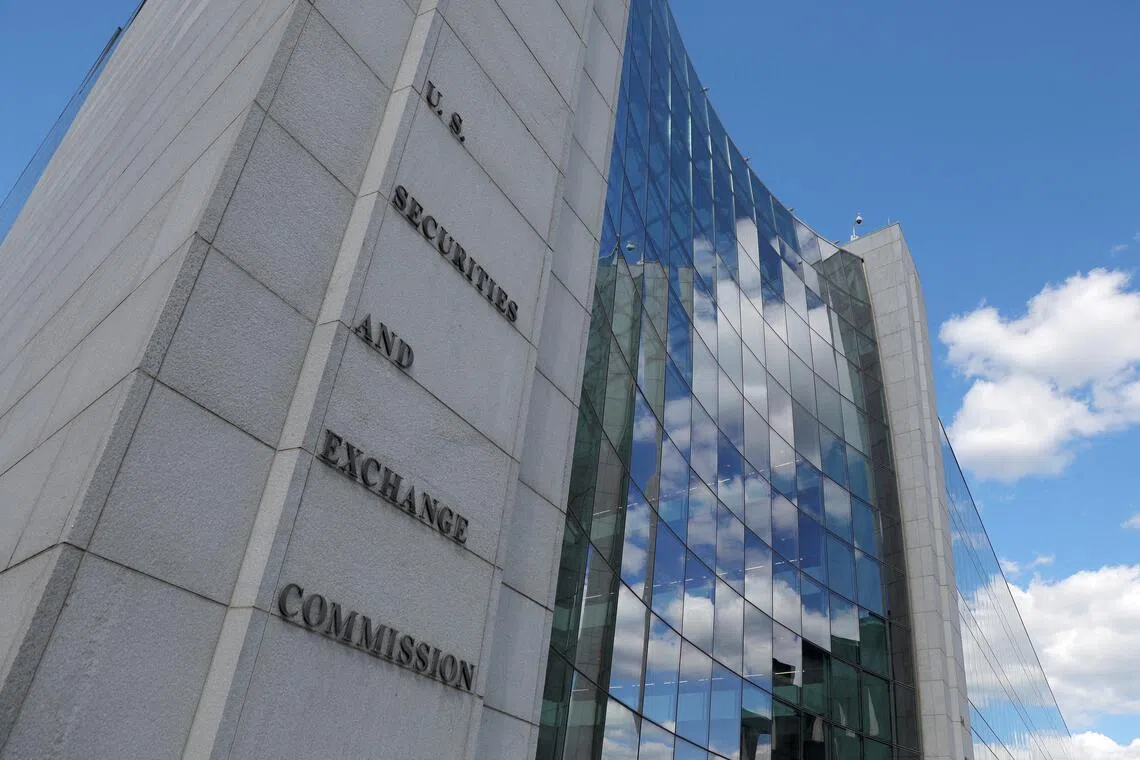
Mark Walter’s TWG Global came out swinging on August 26, publicly denying fraud allegations tied to its insurance businesses while affirming it is cooperating with both the US Department of Justice and the Securities and Exchange Commission. The statement lands months after federal investigators started poking around the firm’s handling of related-party transactions, involving roughly $20 billion in reclassified investments.
TWG’s core argument: these types of affiliated transactions are standard practice in the insurance world, and there are “no victims” here.
The backstory: subpoenas, whistleblowers, and $20 billion in questions
The federal scrutiny traces back to a whistleblower complaint that triggered a chain of investigative actions. In February 2026, grand jury subpoenas landed at two TWG subsidiaries: Delaware Life Insurance Company and Clear Spring Life and Annuity Company. Both are controlled through Group 1001, Walter’s insurance holding platform.
At the heart of the matter is a reclassification of approximately $20 billion worth of investments as related-party assets. In insurance regulation, related-party transactions carry heightened disclosure requirements because they create potential conflicts of interest. The question regulators appear to be asking: were billions in private-credit loans linked to Walter’s entities properly disclosed as related-party dealings?