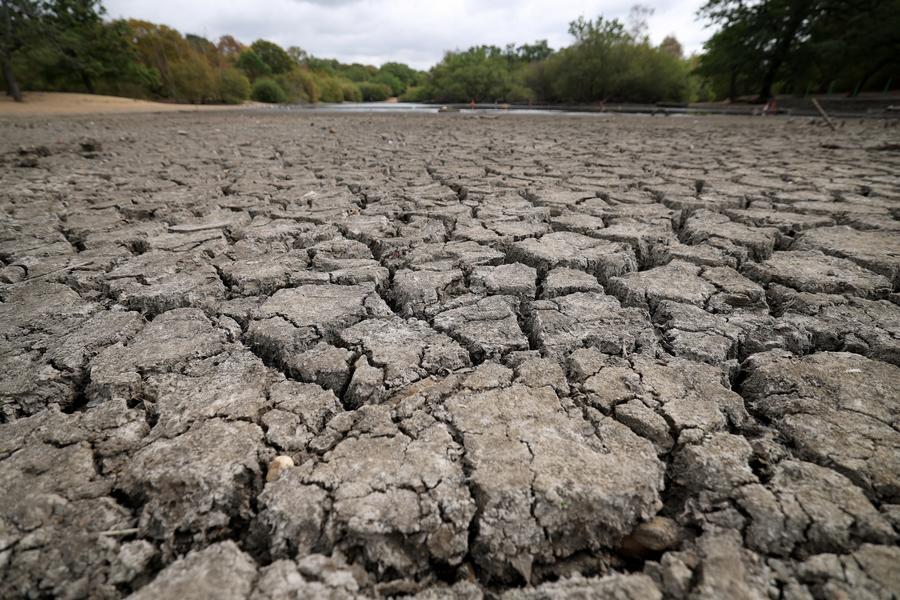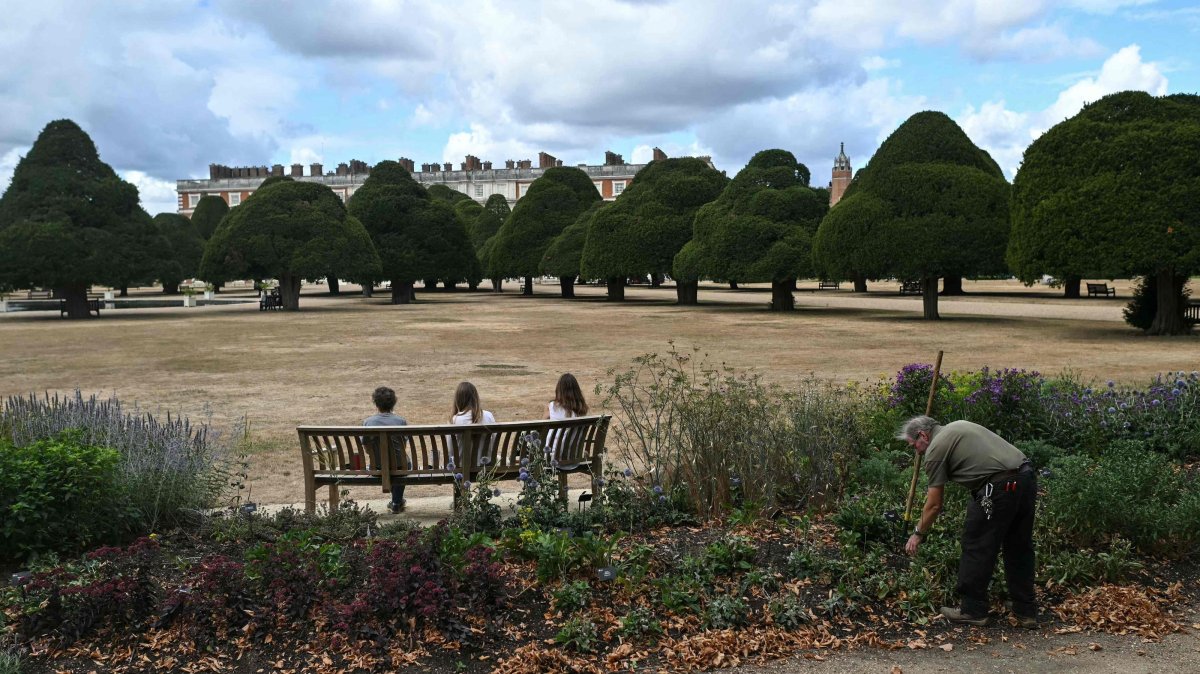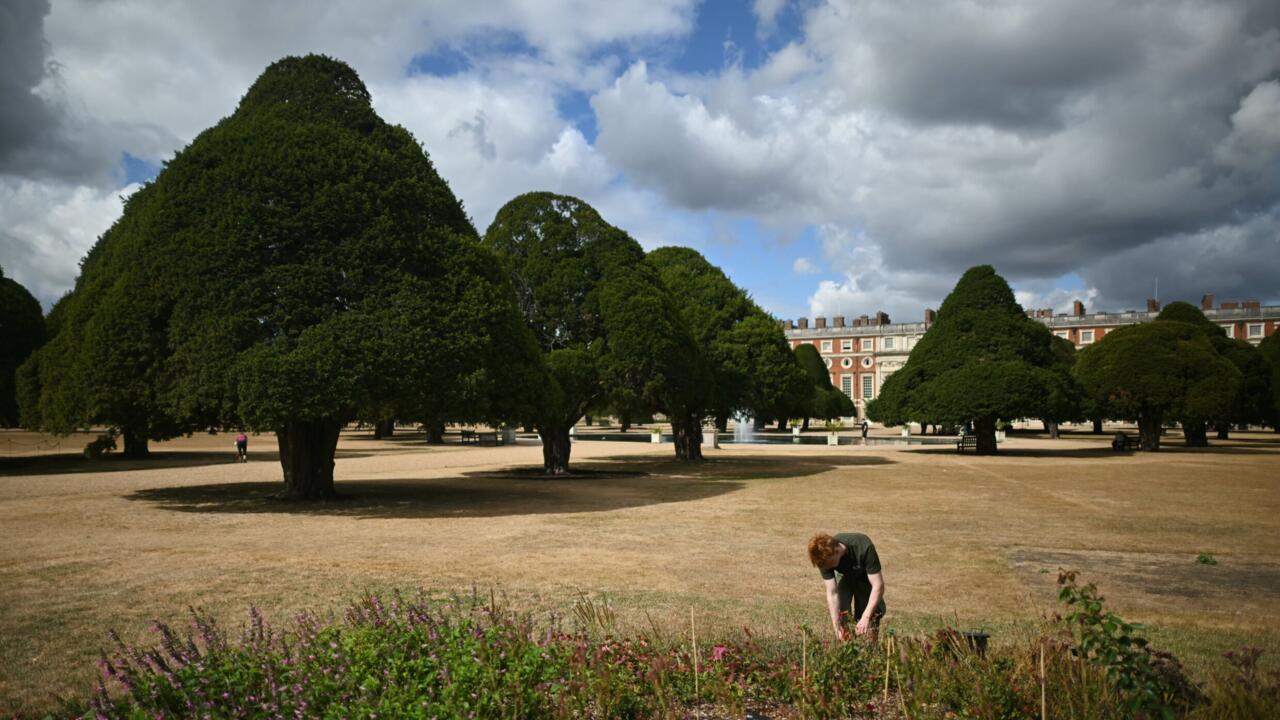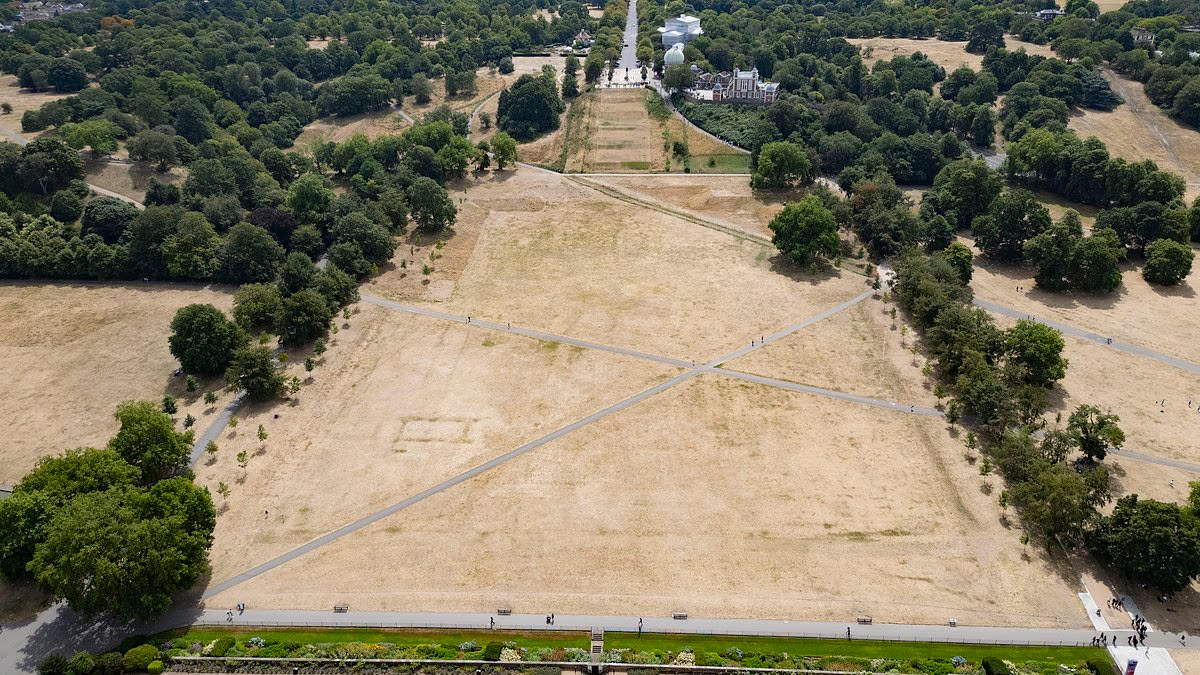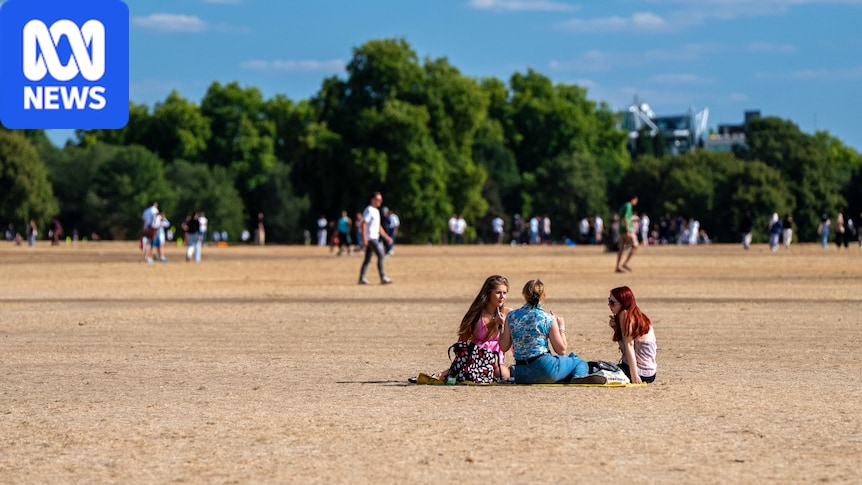
Britain’s scorching summer is doing more than turning lawns brown.
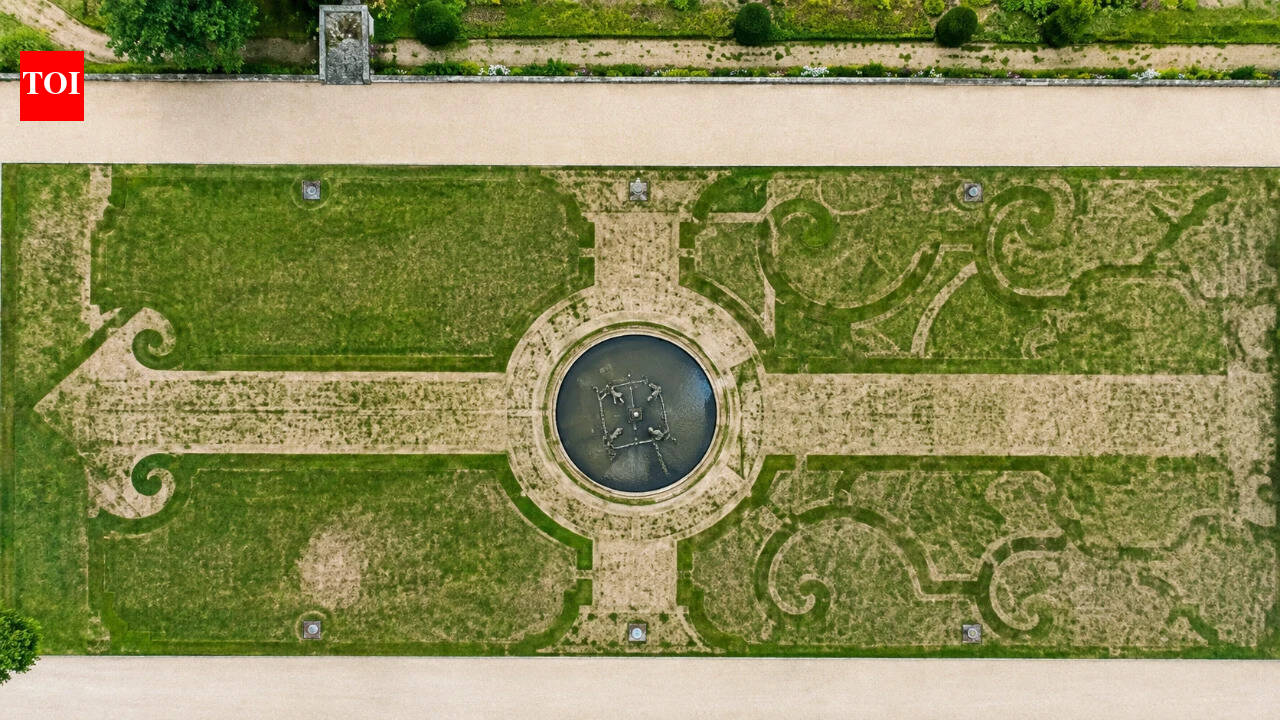
Across parts of the UK, prolonged heat and unusually dry conditions are causing historic patterns buried beneath layers of soil and turf to reappear, offering archaeologists and historians a fleeting glimpse into landscapes that disappeared centuries ago.
From the formal gardens of Chatsworth to a long-lost design at Blenheim Palace, parched grass is acting almost like a natural archaeological scanner.
The phenomenon occurs because grass growing above old paths, walls and flowerbeds often has shallower roots than plants growing over deeper, undisturbed soil.
When temperatures rise and rainfall disappears, those areas dry out faster, leaving contrasting marks across the landscape.