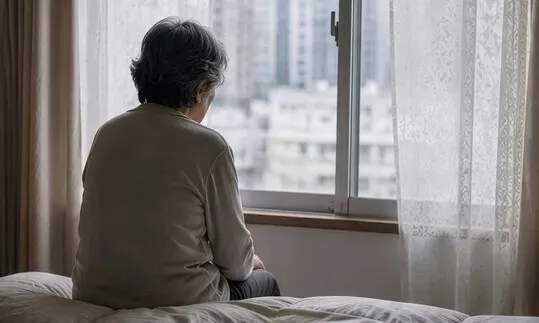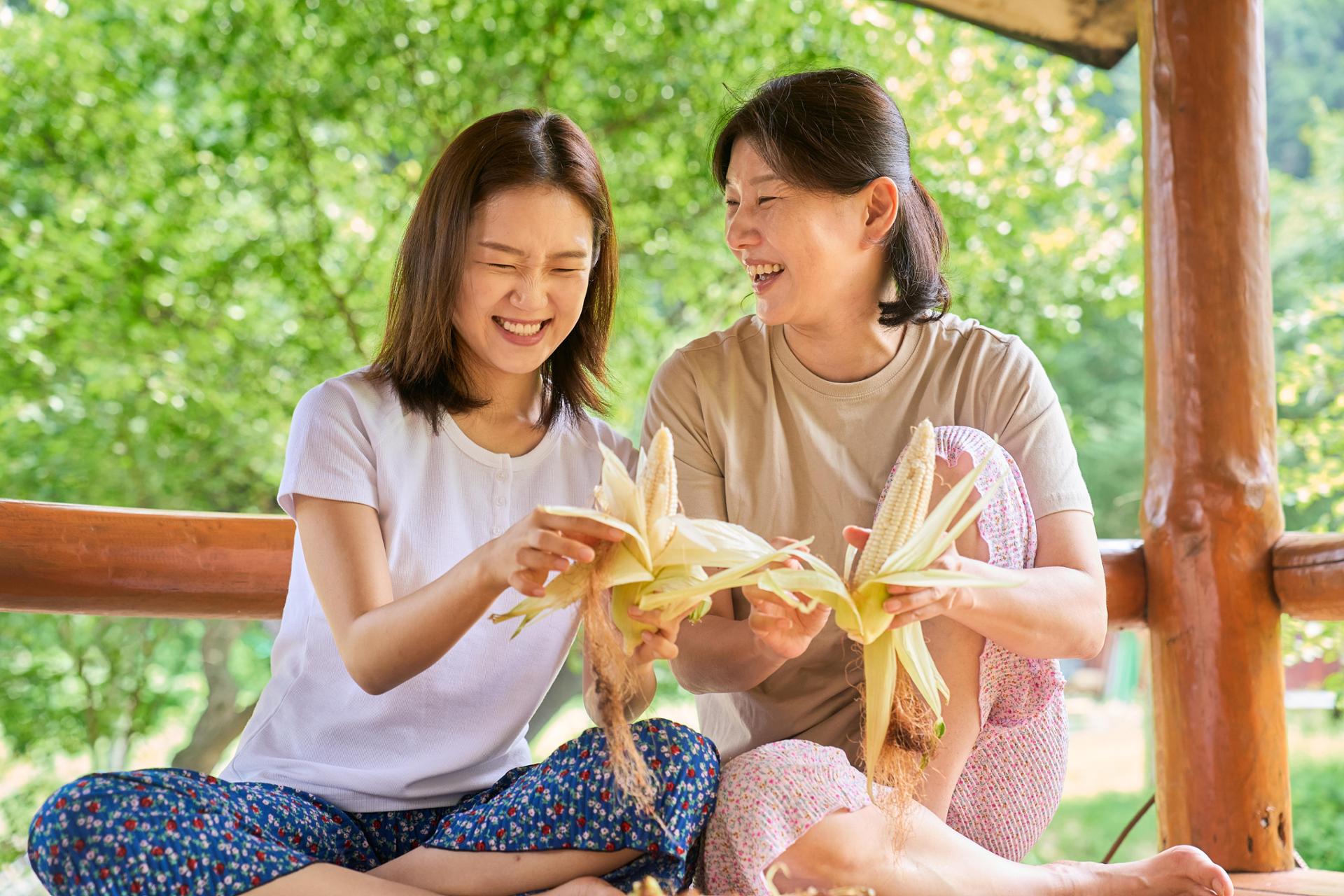
Older Koreans are still most likely to rely on children or spouses for care, according to a latest survey cited in the article. The survey found that 73.5 percent of centenarians chose those family members, while 35.6 percent said they would use a paid caregiver. The piece also says older couples are increasingly caring for each other as traditional three-generation households decline and dual-income families become the norm.
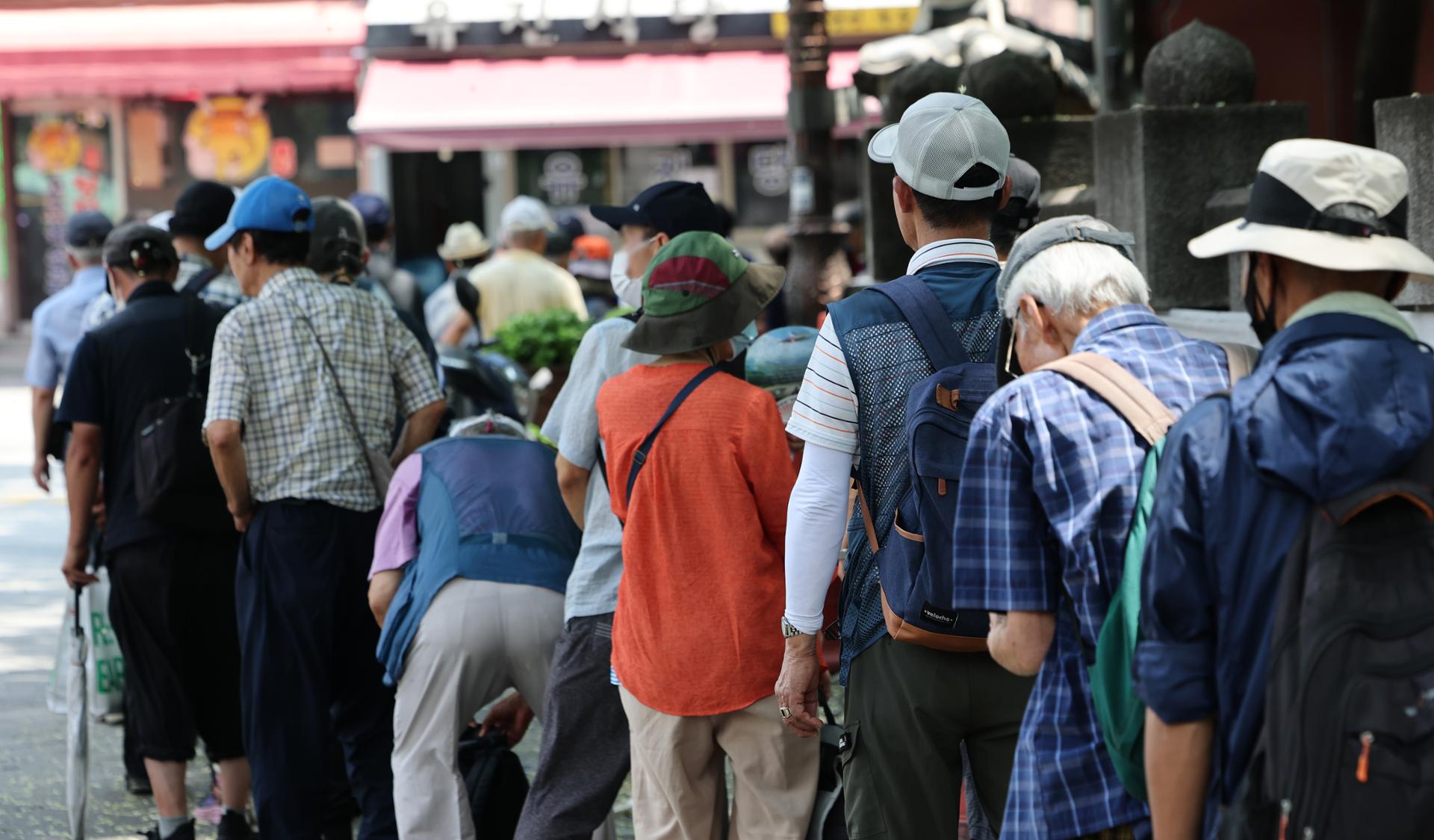
Elderly citizens visit Tapgol Park in Jongno District, Seoul, for free meals, July 28. Those aged 65 and older reached 20.7 percent, or 10.723 million people, surpassing 20 percent of the total population for the first time, according to the National Data Office's 2025 Population and Housing Censu" released last month. Yonhap
Click here for more articles by Kormedi.com.
Older Koreans have generally shown reluctance toward institutional care. During the COVID-19 pandemic, nursing facilities accounted for a significant share of deaths, further heightening concerns about institutional care.
Family members often take on the role of caregiver. In a latest survey, 73.5 percent of centenarians selected their children or spouses as the people they would prefer to care for them. Respondents could choose multiple answers. Some 35.6 percent said they would use a paid caregiver.