(Getty Images Bank)
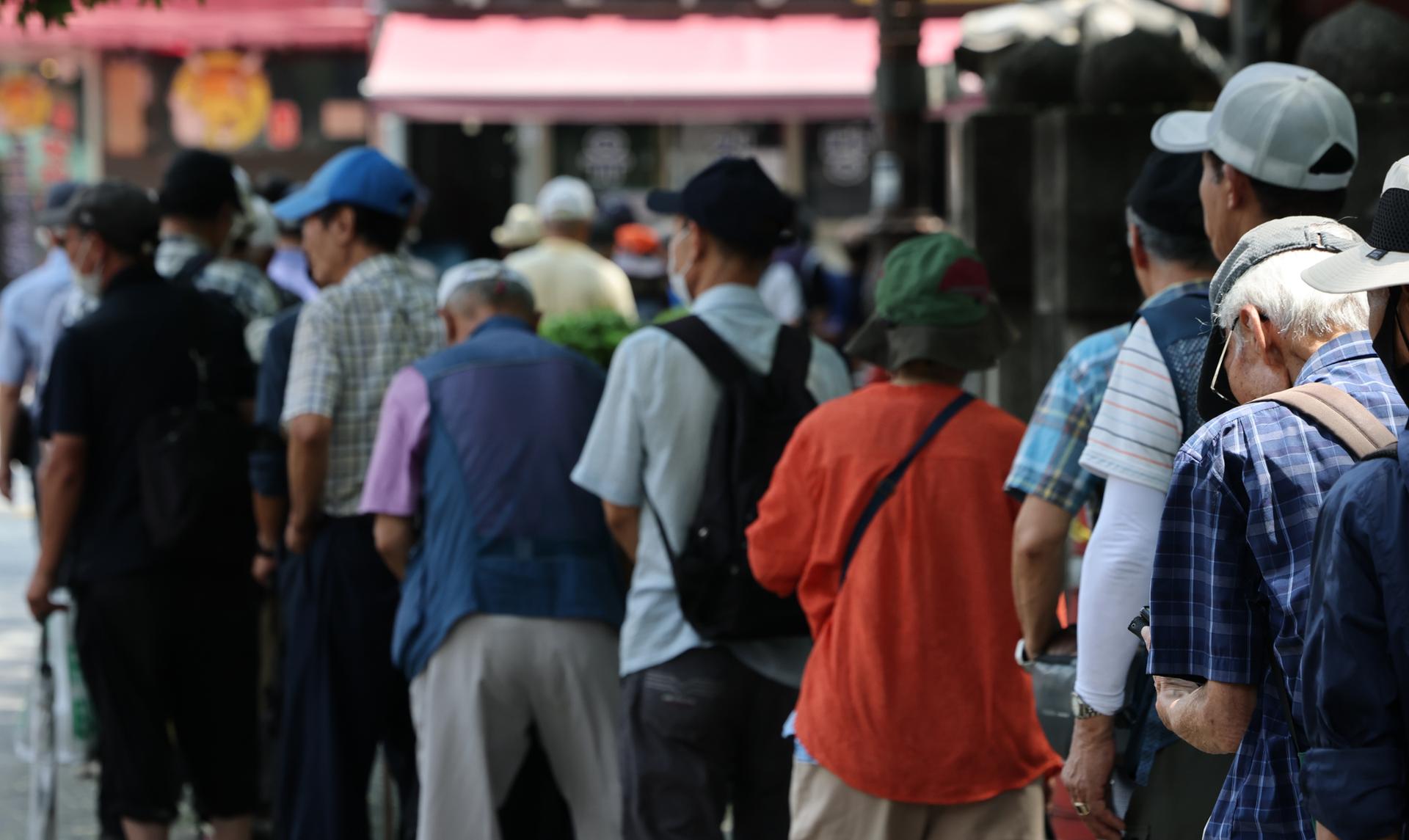
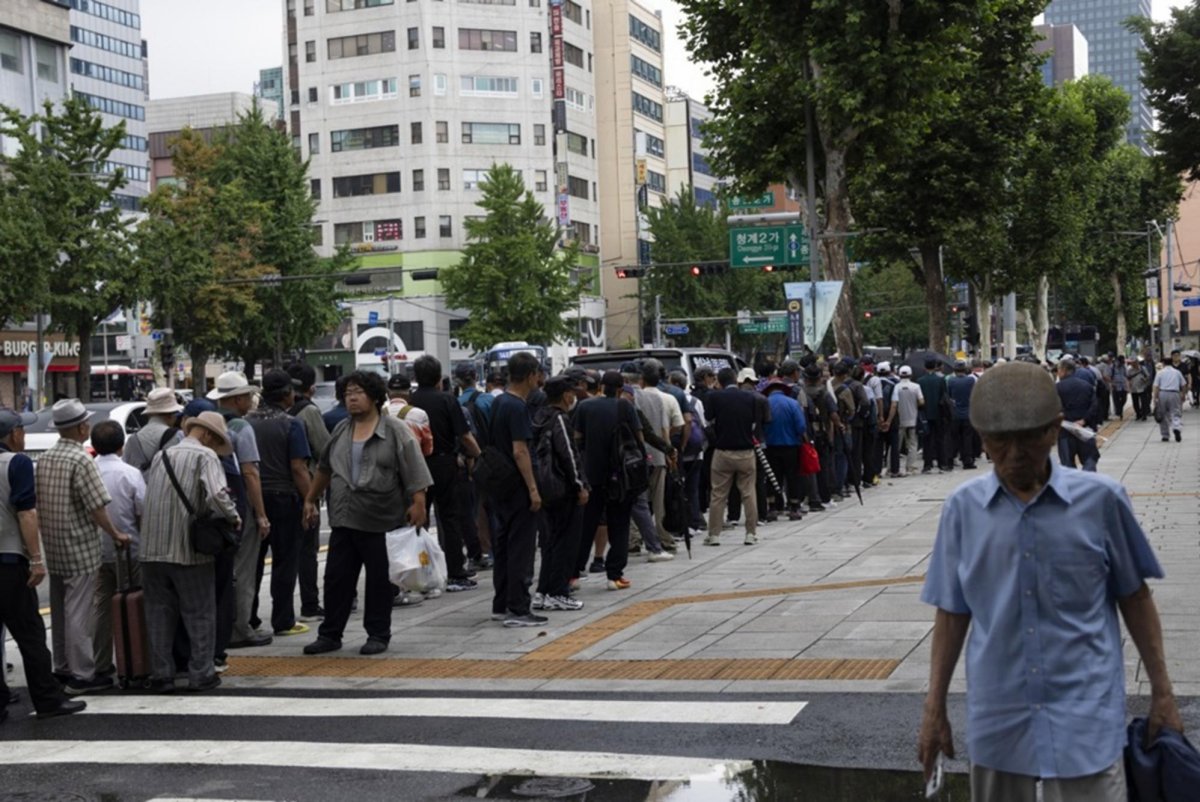
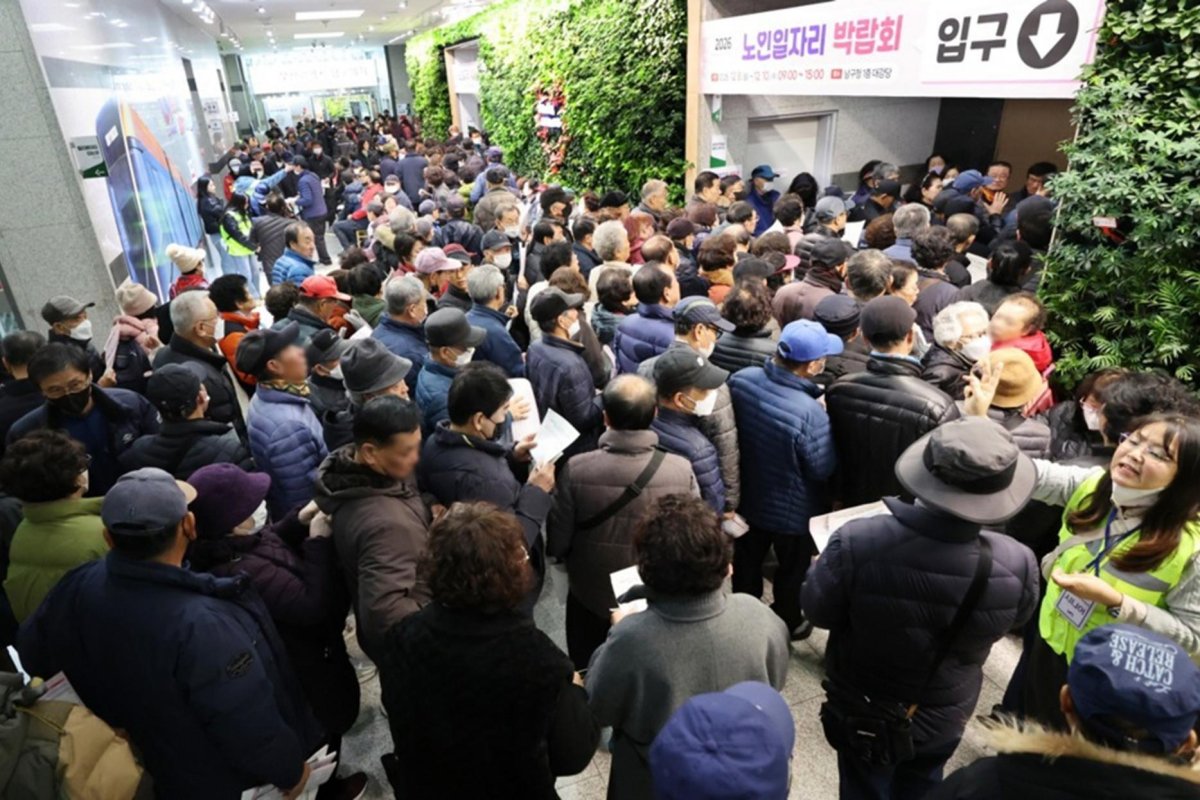
More than half of South Korea’s pension recipients aged 65 and over receive less than 500,000 won (US$360) a month, according to government statistics released Monday. The data also showed stark disparities in pension payments by gender and homeownership, while pension enrollment among young people declined amid worsening employment conditions.According to 2024 pension statistics released by the Ministry of Data and Statistics, 9.12 million Koreans aged 65 and over received at least one of 11 types of pension in 2024, including the National Pension, Basic Pension, occupational pensions and private pensions. The number rose 5.6% from a year earlier.The pension coverage rate for people aged 65 and over also increased by 0.3 percentage points to 91.2%. The ministry attributed the continued rise in both the number of recipients and the coverage rate to the growing elderly population and the longer operation of the country’s pension system.The average monthly pension payment rose 42,000 won, or 6%, from the previous year to 737,000 won. That was equivalent to only 55% of the 1.34 million won monthly minimum cost of living for a one-person household in 2024.The figures highlight the limits of current pension benefits in addressing elderly poverty, as the government moves to reform the Basic Pension under a proposed system that would provide greater benefits to lower-income recipients.The gap between recipients was particularly pronounced. The median monthly pension payment was 497,000 won, 240,000 won below the average. This means half of all pension recipients received less than 500,000 won a month. Only 6.3% received 2 million won or more.“While the steady increase in the number of recipients and the coverage rate is positive, differences between groups still exist,” said Song Joo-hwa, head of the administrative statistics division at the Ministry of Data and Statistics.The gender gap was also substantial. Men received an average of 957,000 won a month, compared with 546,000 won for women — a difference of 411,000 won.The ministry said the disparity reflects decades of differences in labor-market participation and income, which have translated into differences in pension enrollment periods and contributions. Men tend to have higher National Pension coverage because they have historically participated more actively in the labor market, while women have a relatively higher rate of Basic Pension coverage, Song said.Homeownership was another major dividing line. Homeowners received an average of 914,000 won a month, 1.6 times the 581,000 won received by those without homes. The agency said the difference likely reflects the relatively higher incomes and longer pension contribution periods of homeowners.For people aged 60 to 64 — a group in limbo between retirement and the age at which they begin receiving pensions — the pension coverage rate was just 44.4%. More than half received no pension at all, including the National Pension.Coverage varied greatly within the age group. Among those aged 63 to 64, who had reached the National Pension eligibility age of 63, the coverage rate was 71.4%. Among those aged 60 to 62, however, it was only 24.3%.Those who did receive pensions in the 60-to-64 age group received an average of 1.051 million won a month, 314,000 won more than recipients aged 65 and over.The agency said this was because pension recipients in their early 60s are more likely to receive benefits such as occupational and retirement pensions, which tend to be accumulated over longer periods. By contrast, the average for people aged 65 and over is lowered by the inclusion of the Basic Pension, which provides relatively smaller payments.Meanwhile, pension enrollment among young people declined for the first time across the age groups analyzed. The enrollment rate among those aged 18 to 29 fell 1.5 percentage points from the previous year to 62.0%.The decline appears to reflect worsening employment prospects among young people, which has reduced their opportunities to enter jobs covered by pension schemes.By Shin Min-jung, staff reporterPlease direct questions or comments to [english@hani.co.kr]