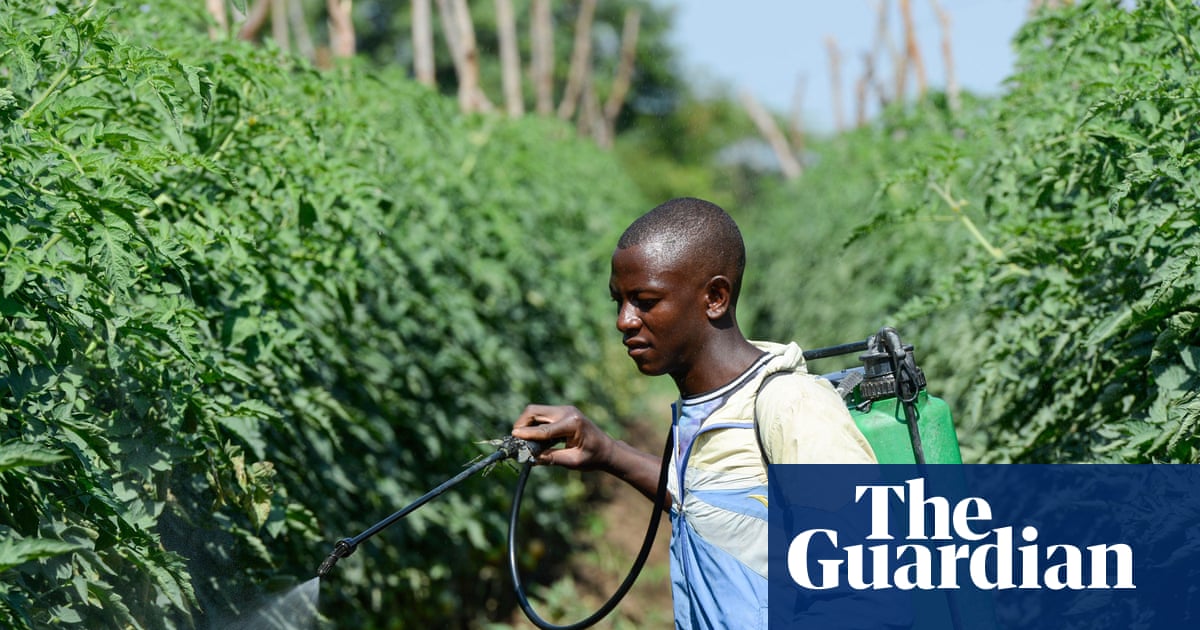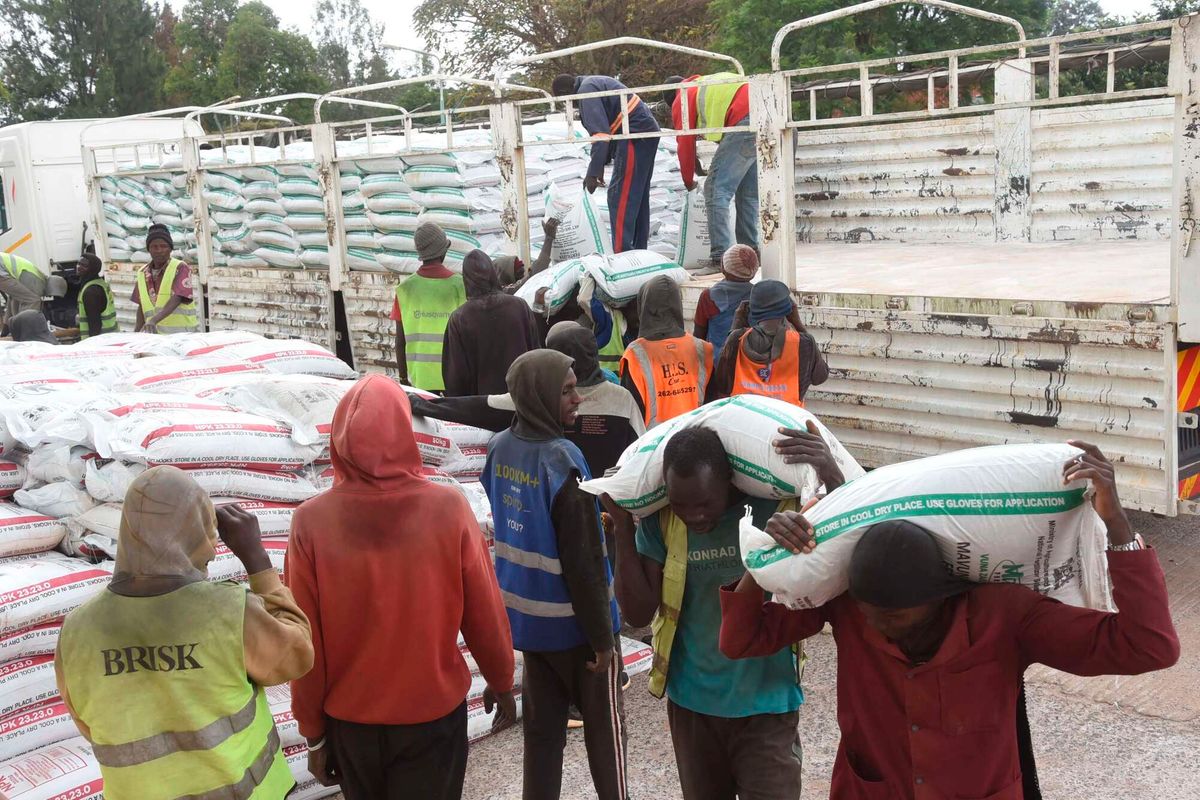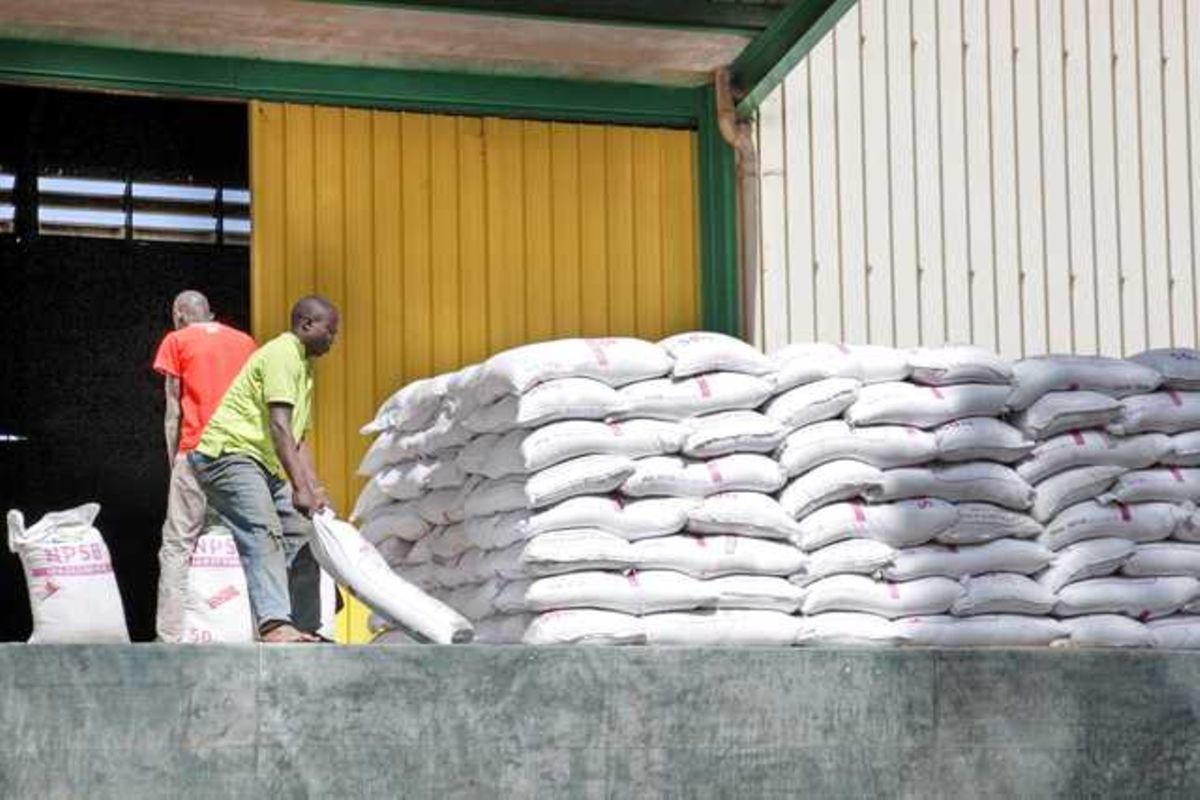
The closure of the Strait of Hormuz following the conflict in Iran sharply pushed up fertiliser prices in Africa, exposing farmers’ vulnerability to imported inputs but also giving governments a chance to rethink subsidies and invest in farming systems less exposed to global price shocks.
The Strait carries around a third of the world’s seaborne fertiliser trade, and urea prices doubled to more than $850 (Sh110,117) a tonne by April. Prices have since eased, but the World Bank still expects fertiliser prices to average more than 30 percent higher across 2026, with relief only in 2027.
Science tells us a system is weak long before it breaks, but history shows it often takes a crisis for that lesson to sink in. This year, the lesson arrived painfully. African nations cannot afford more crises of this kind.
Related
Higher wheat production goes beyond better pricing