Read The Diplomat, Know The Asia-Pacific
Central Asian aims to benefit from Iranian ports and railroads have been disrupted by the ongoing conflict.
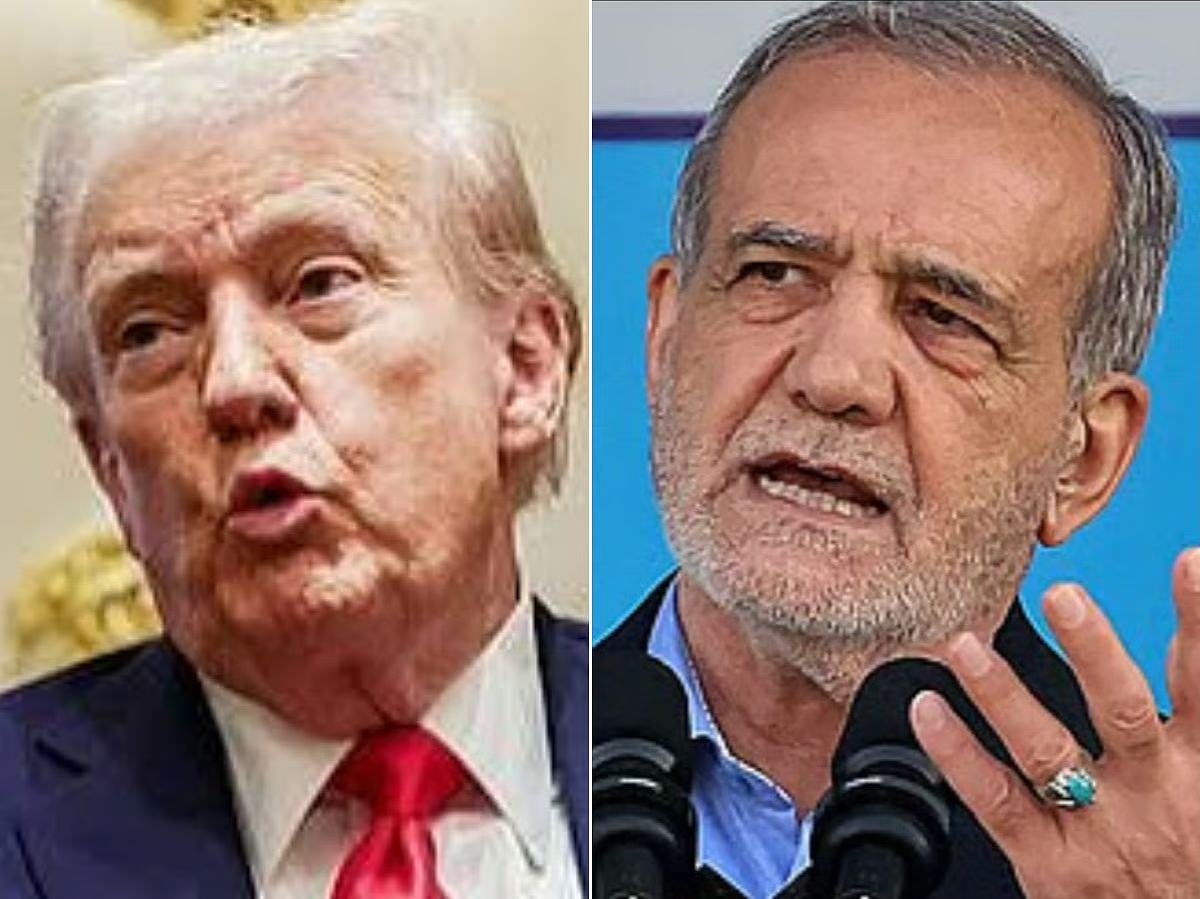
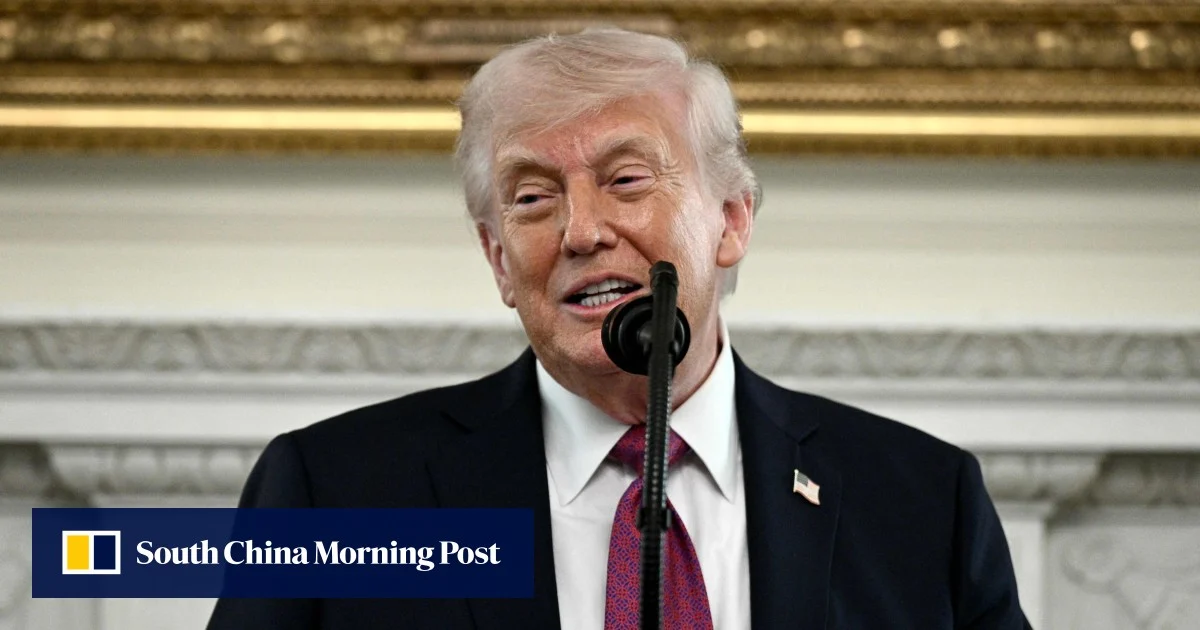
There are no current or planned ceasefire negotiations between Iran and the United States. U.S. President Donald Trump called for an “economic D-Day” against Iran on August 19; when Treasury Secretary Scott Bessent fleshed that threat out on August 24, the announcement consisted of a warning shot rather than any new immediate penalties.
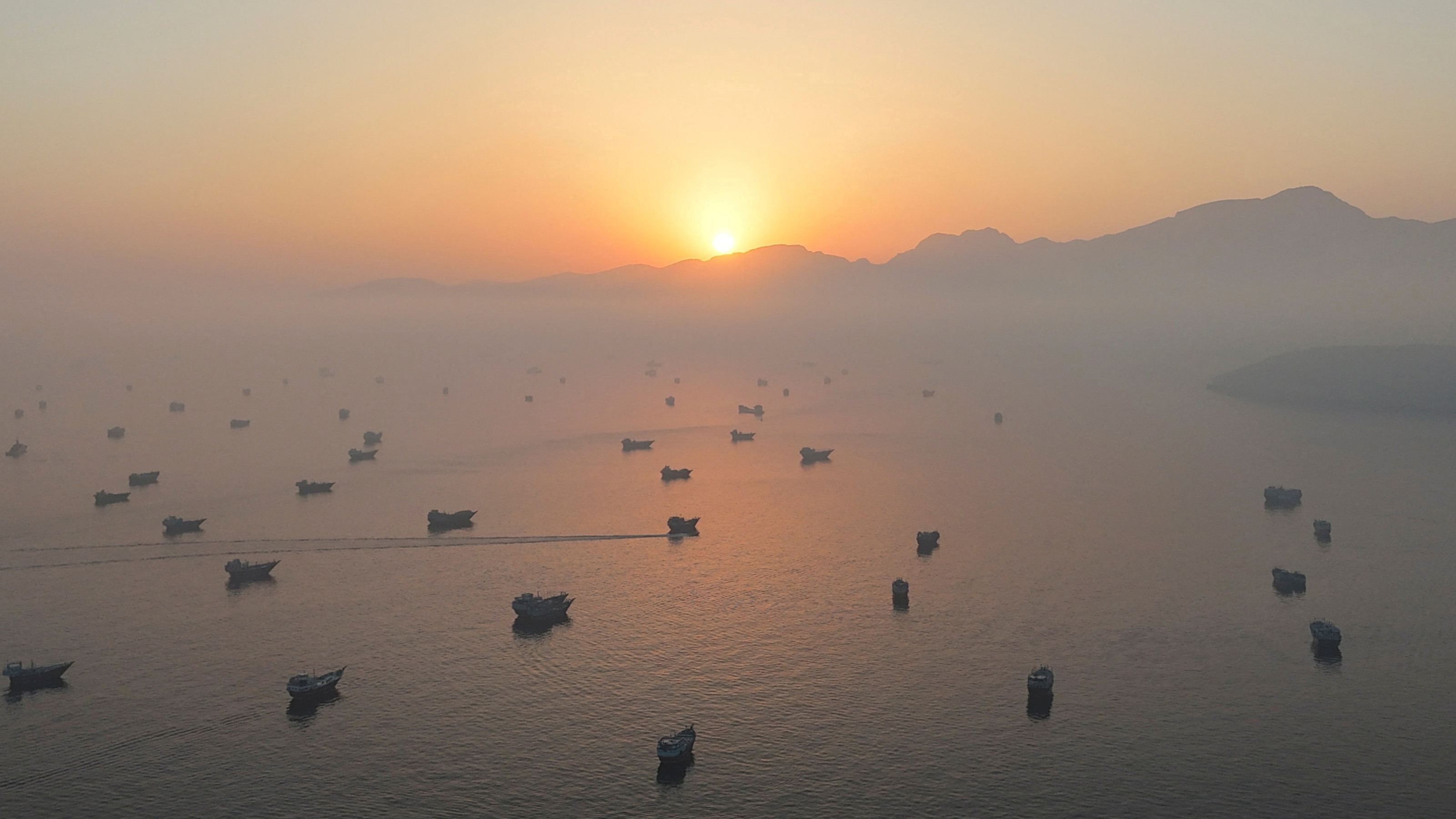
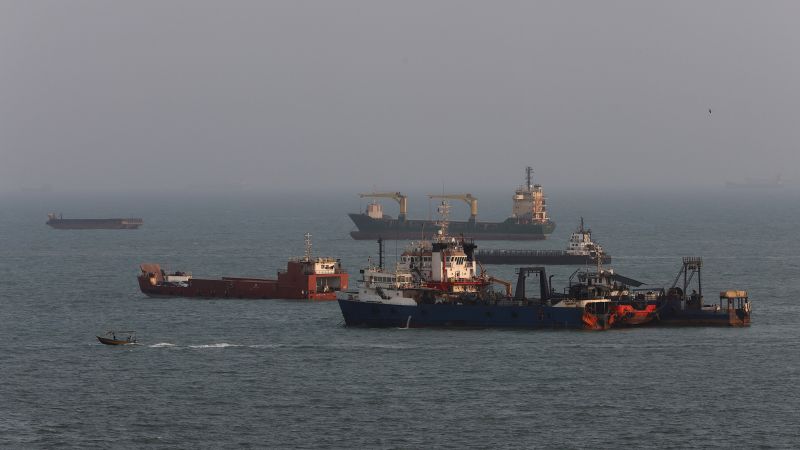
Until another ceasefire is agreed upon by both sides, global trade routes through the Strait of Hormuz and the Red Sea are clouded with risk. But existing trade routes are not the only ones impacted by the conflict. The war in Iran is also holding hostage the future of trade and connectivity across the wider Eurasian continent.
On July 8, after the previous ceasefire fell apart, U.S. forces launched missile strikes against multiple targets in Iran. In one instance, Financial Times reported cruise missiles struck and visibly damaged the Agh Tekeh Khan (also spelled “Aq Tekeh Khan”) railway bridge near the city of Aqqala in northern Iran. While several bridges and railways were targeted, this is one of only two railroads that lead out of Iran into Turkmenistan. It connects two separate railroads: the Iran-Turkmenistan-Kazakhstan Railway and the eastern route of the International North-South Transport Corridor (INSTC).