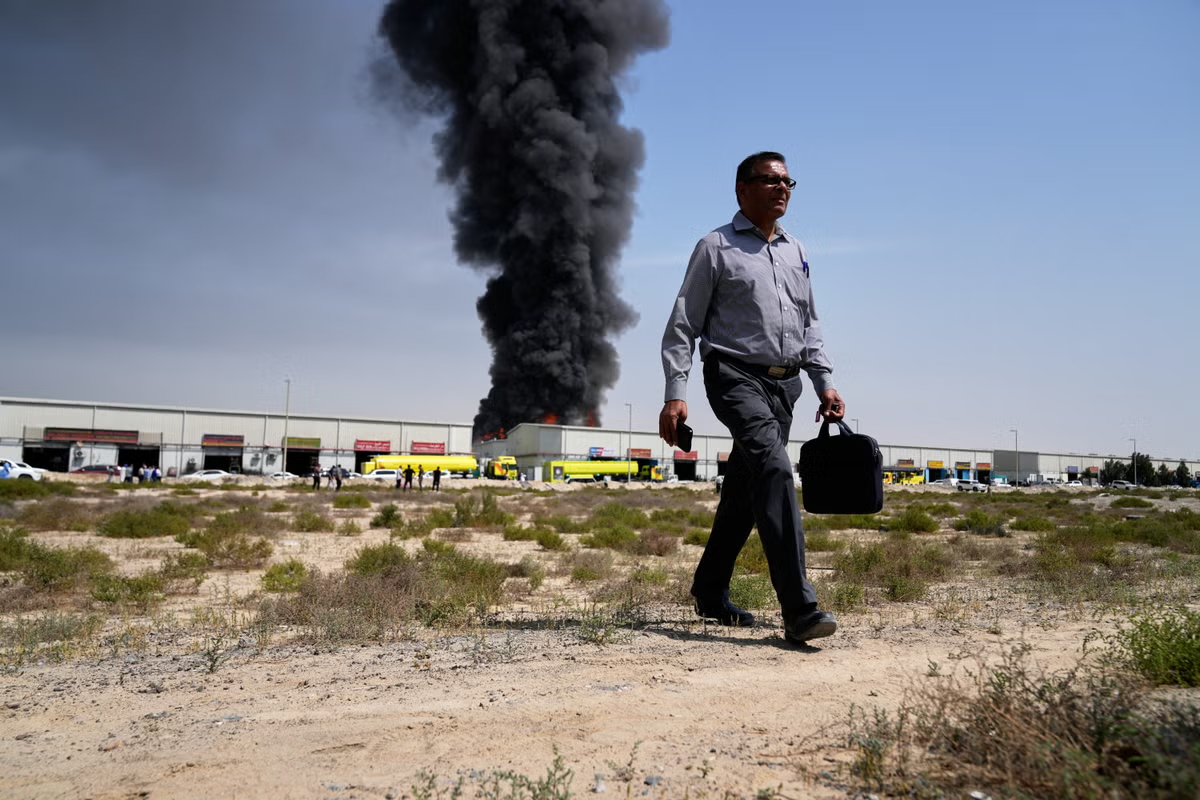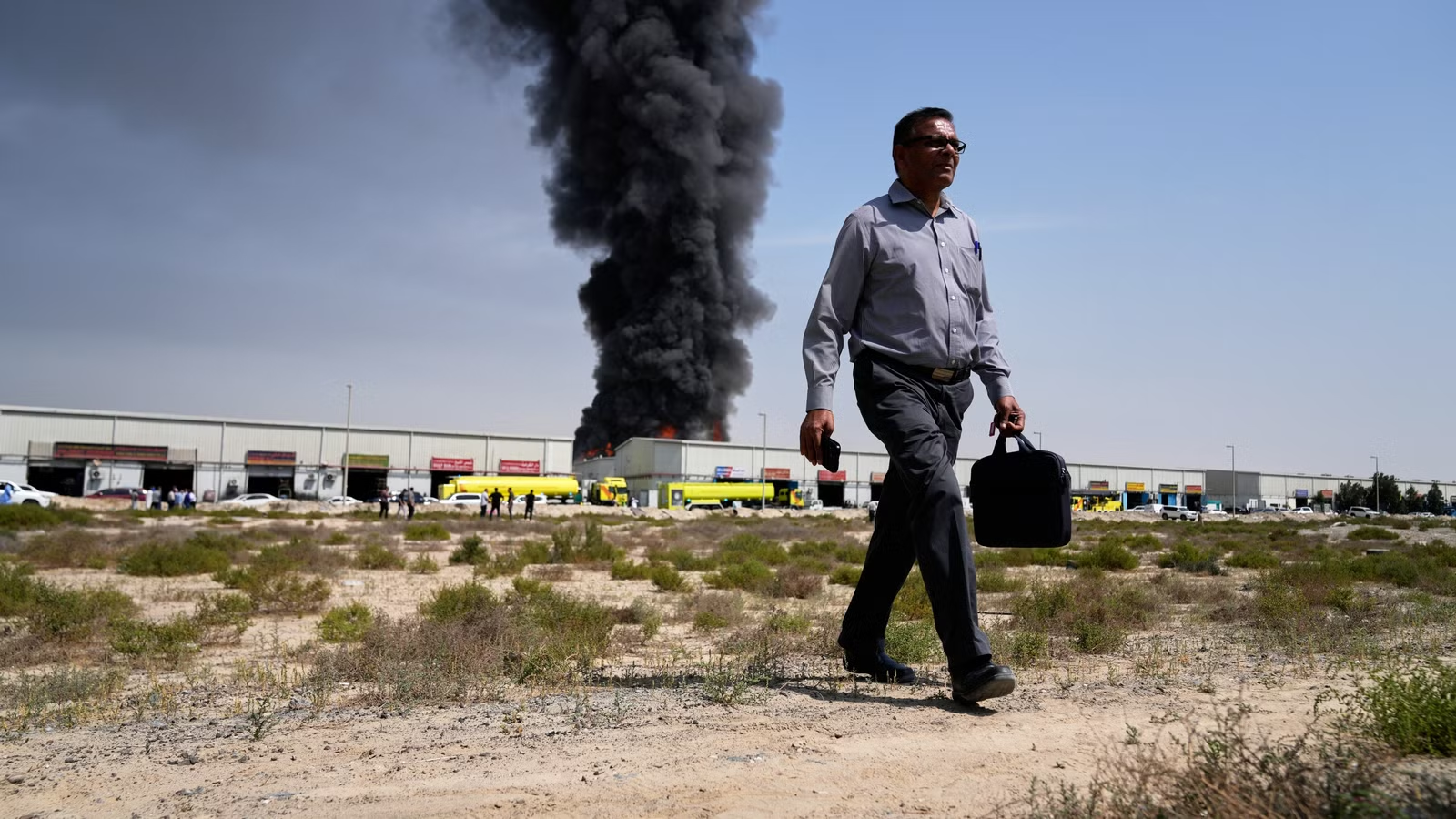
FILE - A man walks away after watching a black plume of smoke rise from a warehouse in the industrial area of Sharjah City, United Arab Emirates, March 1, 2026, following reports of Iranian strikes in Dubai. (AP Photo/Altaf Qadri, File)
Originally published by
Associated Press
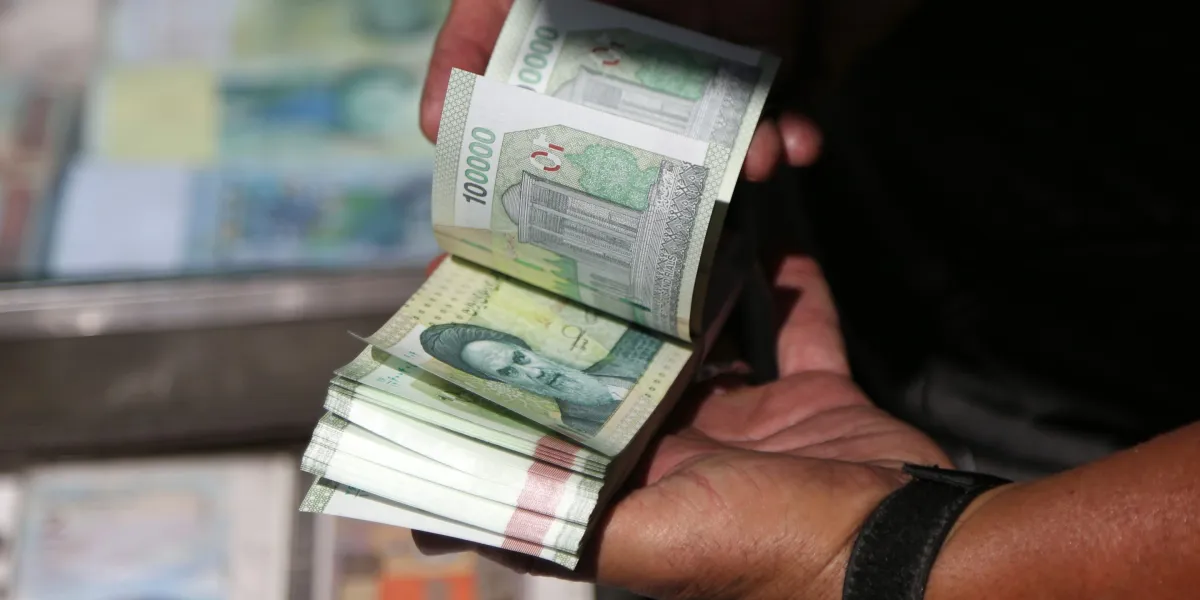
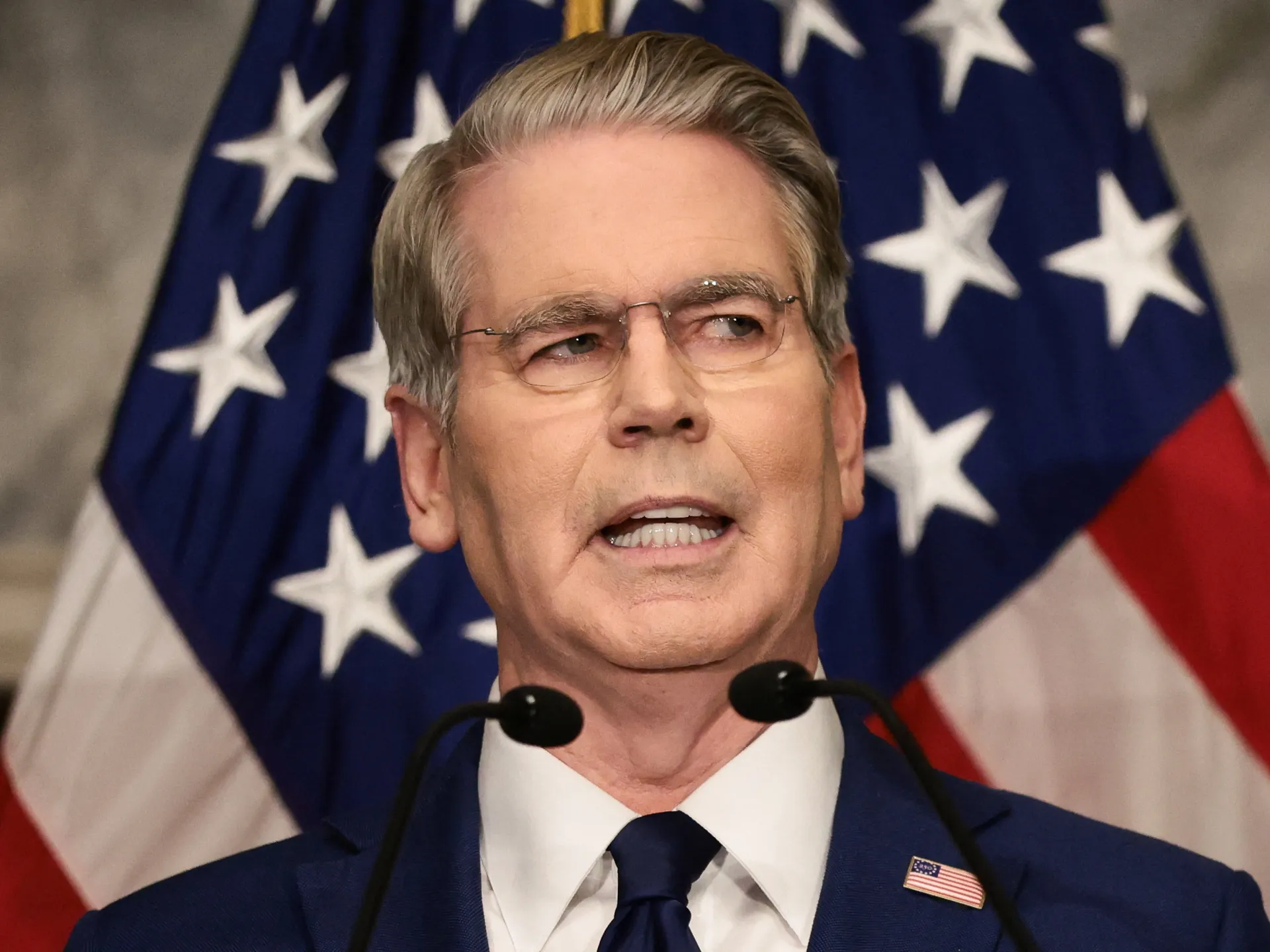
BEIRUT (AP) — Iran’s economy, already strained by high inflation, years of Western sanctions and a war that has sharply reduced oil revenue, is poised for more instability as the Trump administration tries to coerce other countries into ending all financial dealings with the Islamic Republic. A decision by the United Arab Emirates to suspend trade relations with Iran last week kick-started the White House’s latest attempt to isolate Tehran into submission. Iran entered the war with its foreign commerce concentrated among a relatively small group of countries, leaving it with fewer places to turn now. The success of the U.S. strategy will largely hinge on China, the main buyer of Iranian oil and its top trading partner. Russia, a fellow target of sweeping U.S.-led sanctions, has a military conflict and economic crisis of its own and probably can’t offer longtime ally Iran much hard financial support. Regional partners like Turkey, Pakistan and Iraq maintain important relationships with both Iran and the U.S., giving them reason to avoid exposure to the secondary sanctions that Treasury Secretary Scott Bessent said awaited nations that did not cut economic ties with Iran. “Those who stand with the United States will reap the rewards of our partnership,” Bessent said Monday while outlining the plan he called “Operation Economic Outcast.” “Those who tether themselves to the Iranian regime should expect to share in the isolation.”