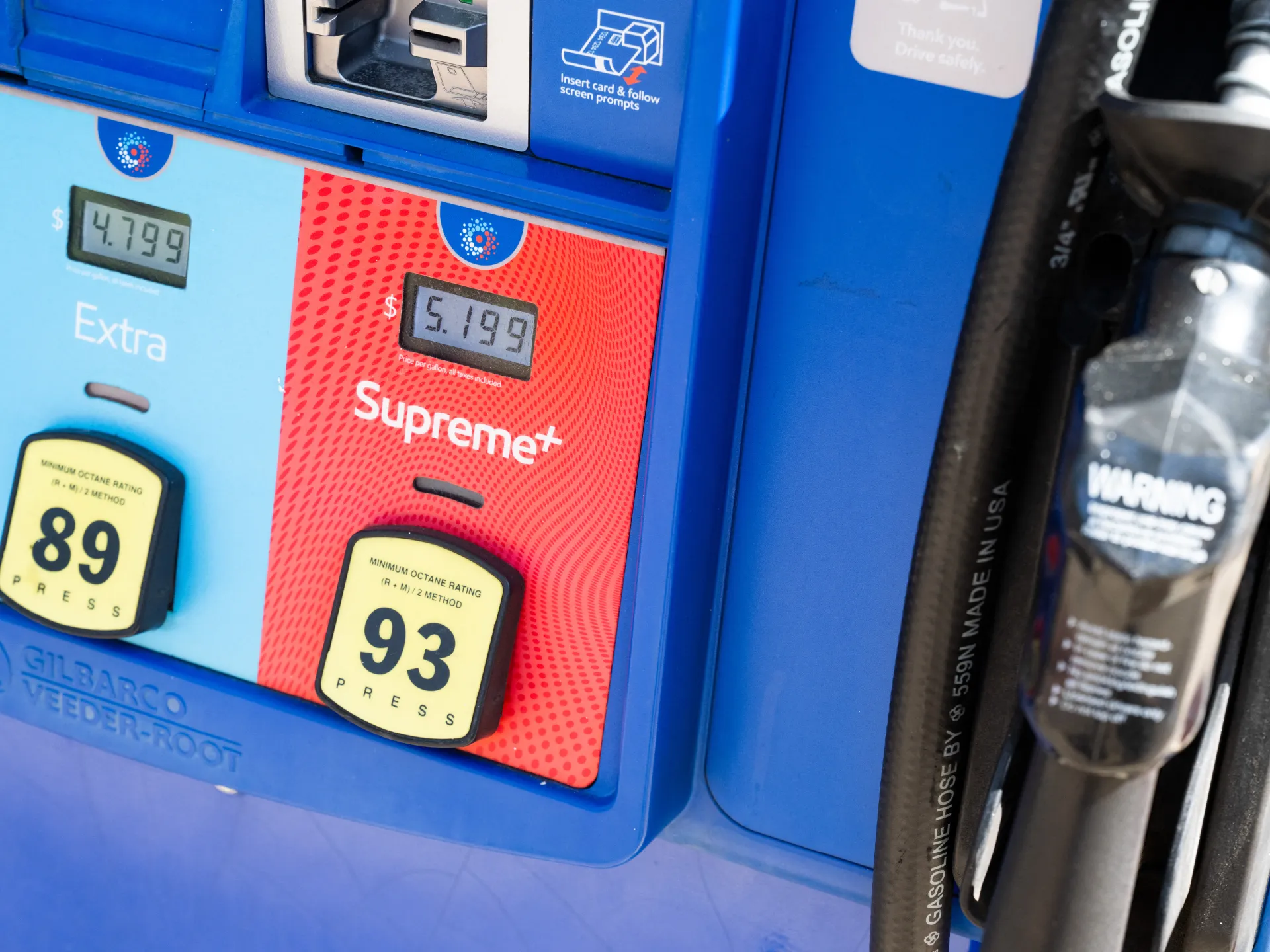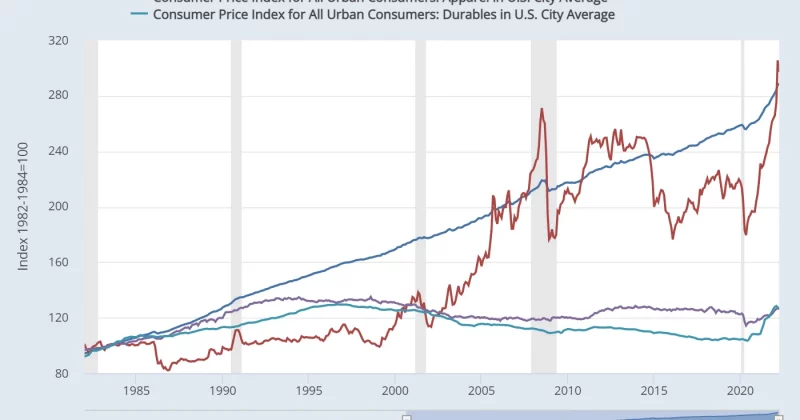
The New York Times has reported that persistent energy costs are a key factor in maintaining high inflation levels in the United States. The latest data from the Bureau of Labor Statistics shows a 3.4% increase in headline inflation year over year as of July 2026, with energy prices surging 14.7% compared to the previous year. Despite a slight monthly decline in energy costs, the annual figures remain elevated, driven by significant increases in gasoline and fuel oil prices. This energy-driven inflation dynamic is exerting pressure on household budgets and appears to be influencing market expectations regarding crude oil prices.
In prediction markets, the probability of crude oil reaching a new all-time high by September 30 remains low, priced at 1.8% YES. However, the December 31 market indicates an 11.5% chance of a new high. The elevated energy costs contributing to inflation may be seen as supportive of scenarios where crude oil prices increase. Analysts are closely watching OPEC production decisions, geopolitical tensions, and global oil demand as potential catalysts affecting these probabilities.
The ongoing high energy costs and their impact on inflation are consistent with market expectations for continued volatility in the oil markets. Key industry figures such as OPEC’s Secretary-General and the Saudi Minister of Energy are pivotal in shaping these dynamics. Recent market activity suggests a cautious approach, with a moderate increase in confidence for December outcomes compared to earlier dates.