Featured Post
A year after going public as a methadone patient, I've learned that honesty doesn't always come back to you the way you hoped it would
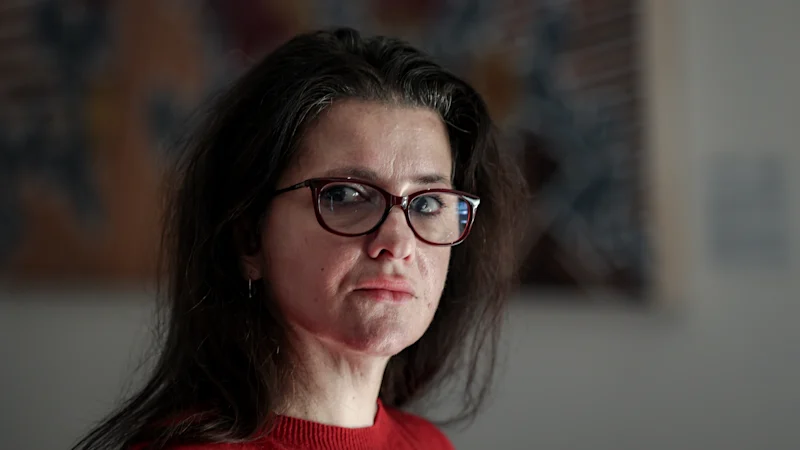
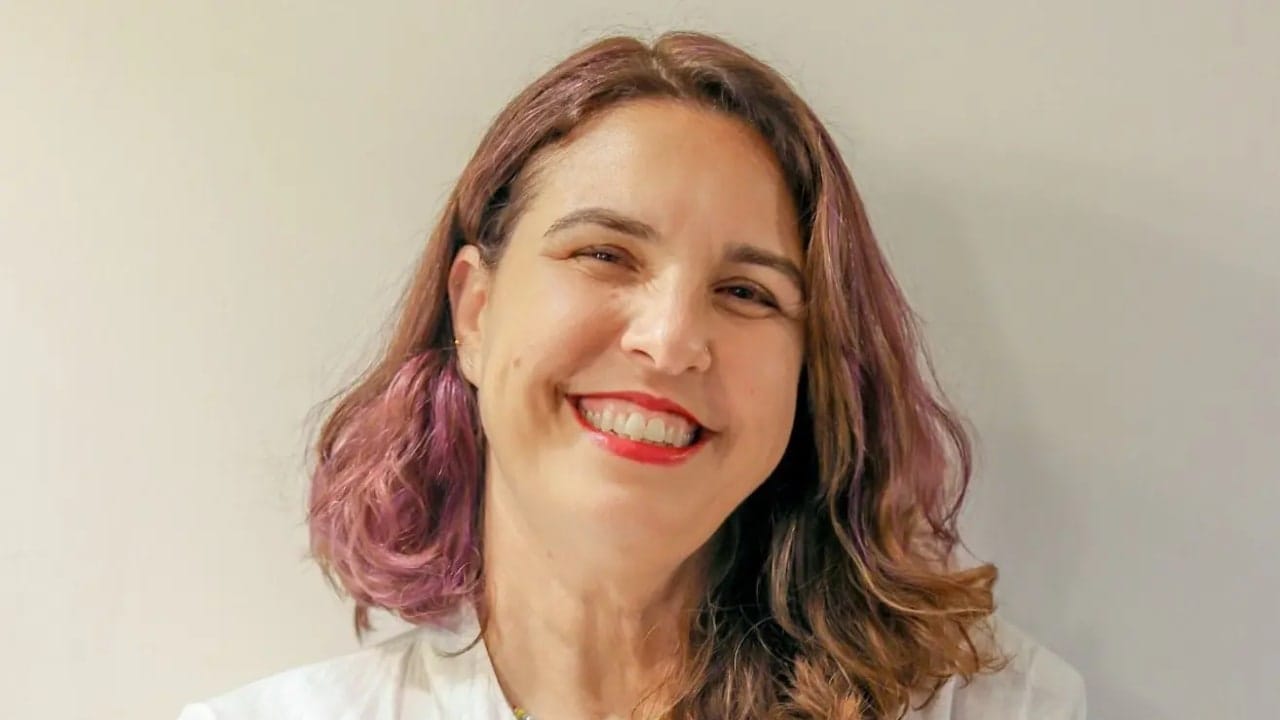
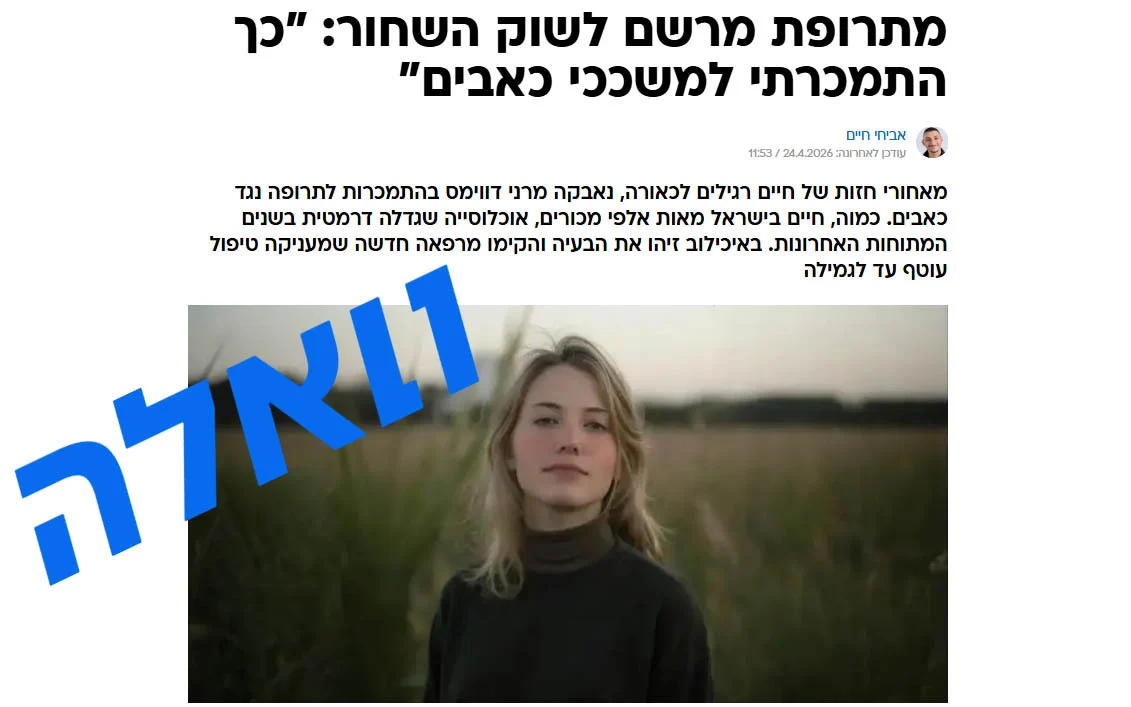
A year ago, I briefly became Israel’s accidental poster child for opioid addiction. I also wrote a small essay a few months after the story was published. I waived my anonymity, put my name and face to a methadone clinic profile, and told a slightly skeptical country that addiction doesn’t come with a uniform. That it can look like a blonde, articulate magazine editor with strong opinions about politics and skincare, just as easily as it can look like whatever image people default to when they hear the word “junkie.”
I wrote, at the time, that the response was underwhelming. A flurry of disbelief. A few date requests. No flood of solidarity, no visible dent in the stigma. I ended that essay on a note of cautious optimism anyway — it counts for something, I hope.
I’m writing this in Elul, which feels almost too on the nose, even for a secular girl. This is the month set aside for cheshbon hanefesh — an accounting of the soul — before the gates supposedly narrow for the new year. It’s the season for honest confession, for admitting the things you did and why, on the theory that saying them out loud is the beginning of being understood, maybe even forgiven, for them. I did my own public version of that a year early, and not in a synagogue. I did it in a Tel Aviv clinic office, to a journalist, on the record.