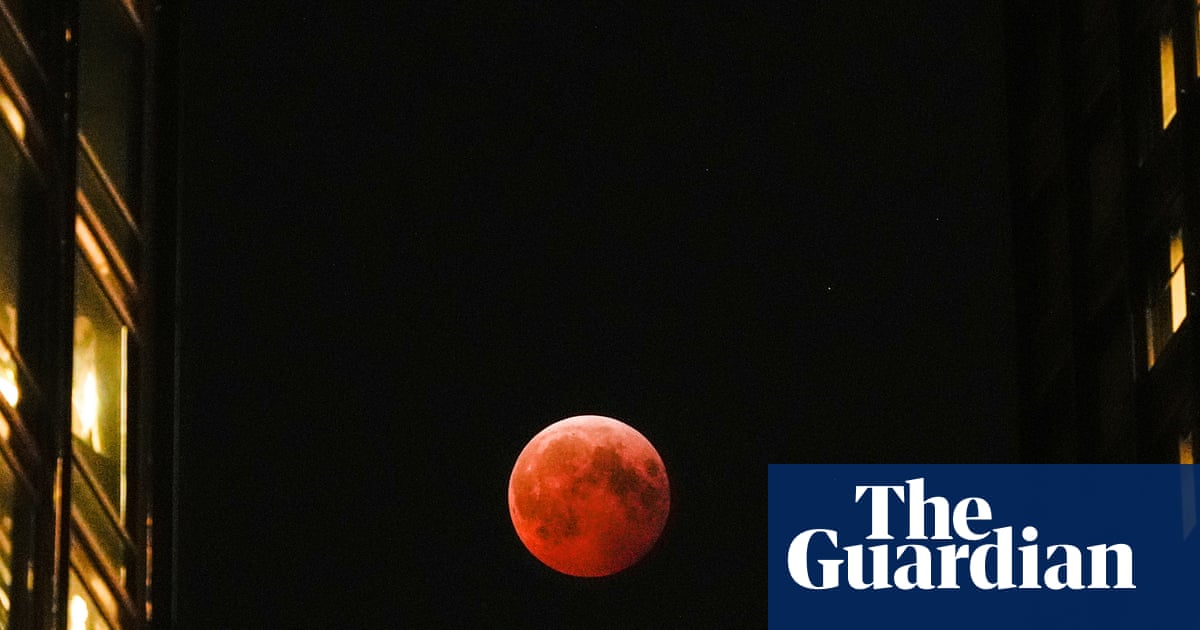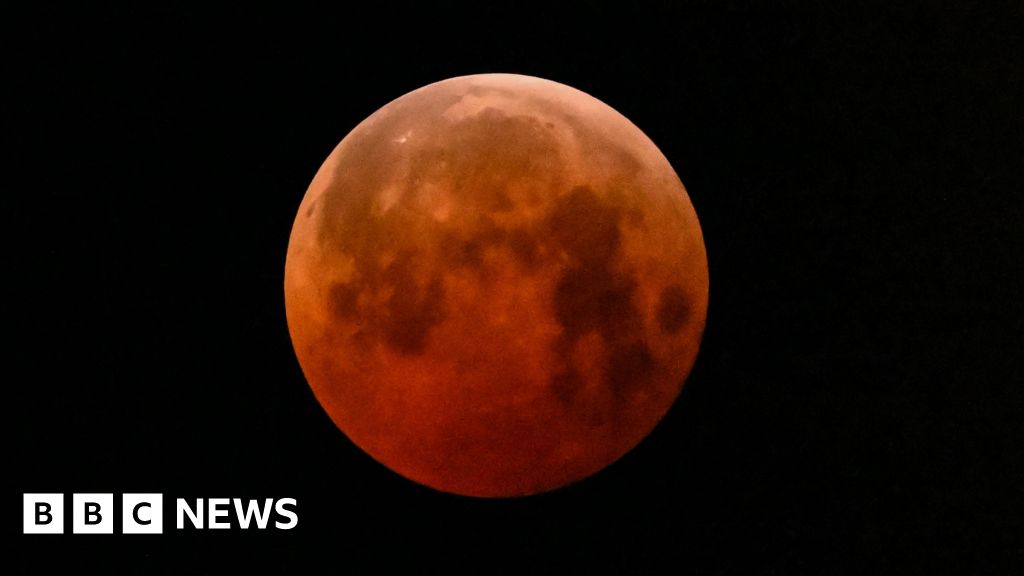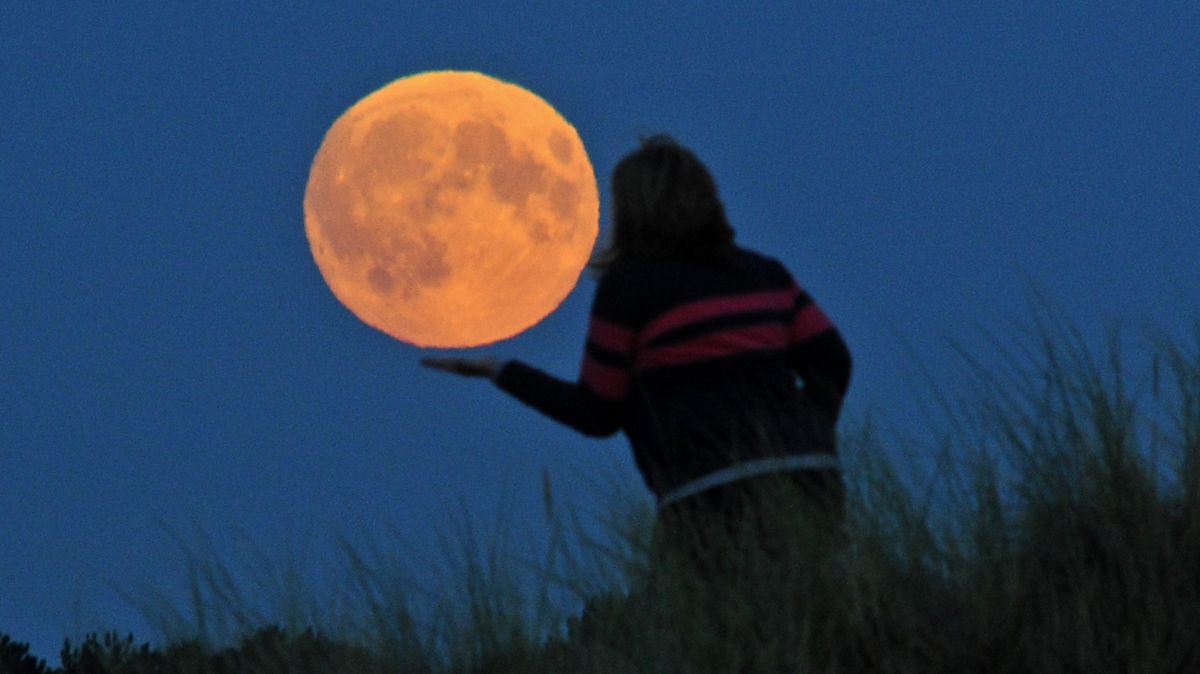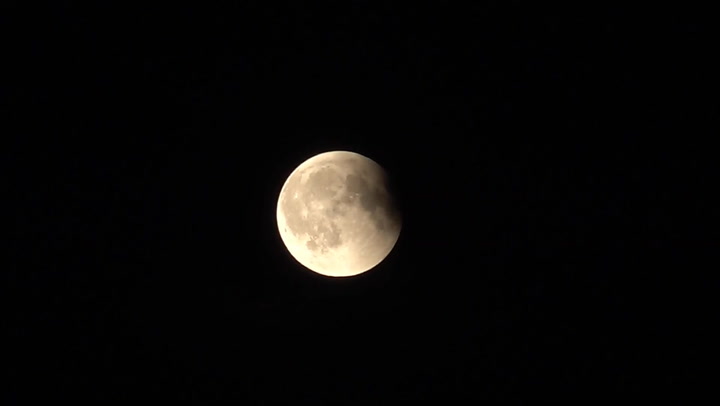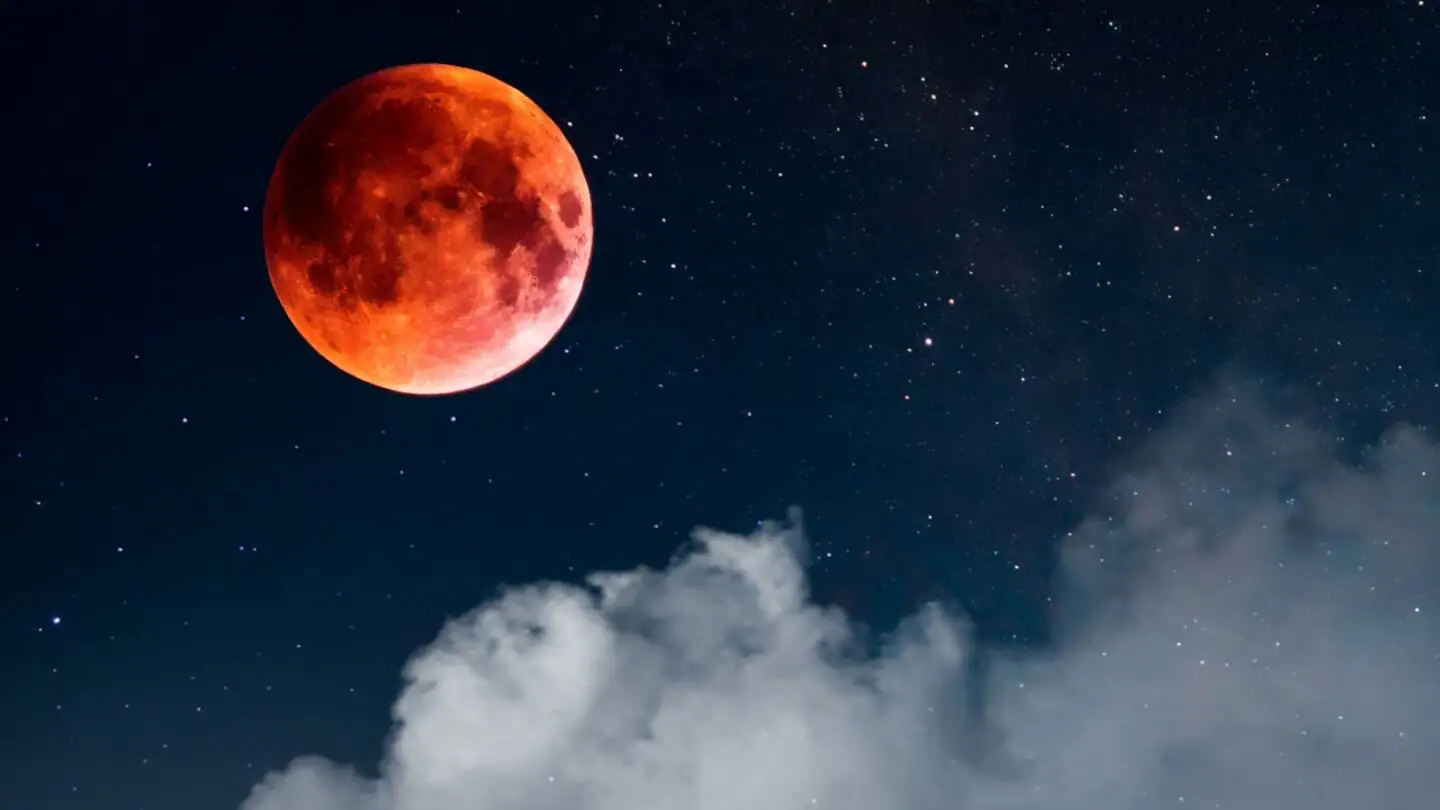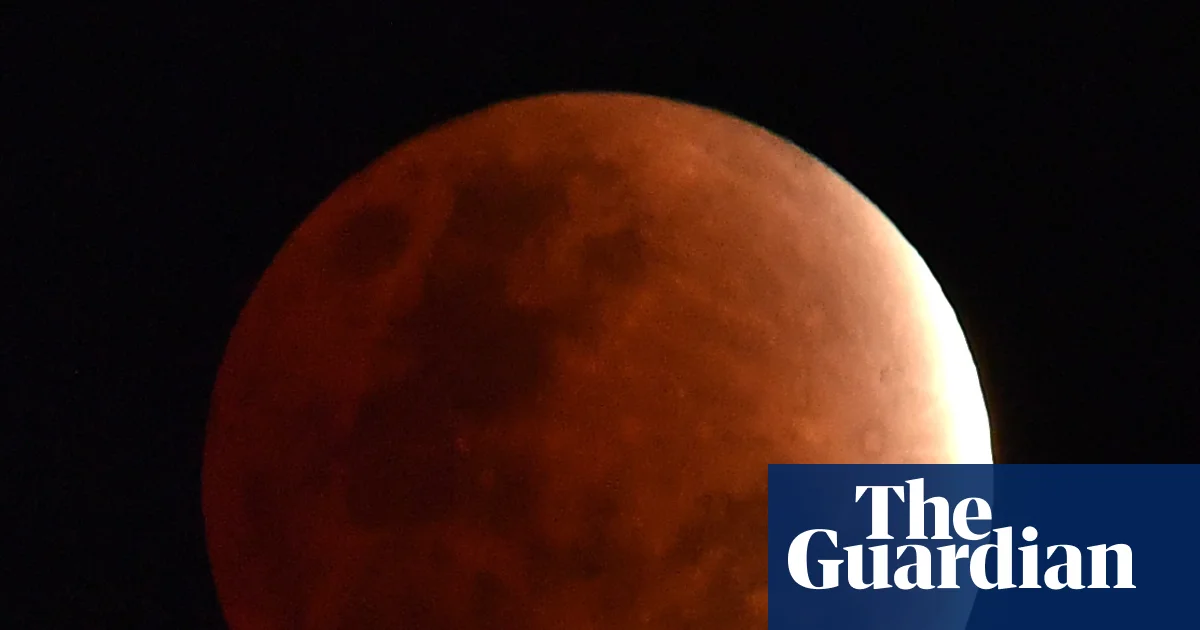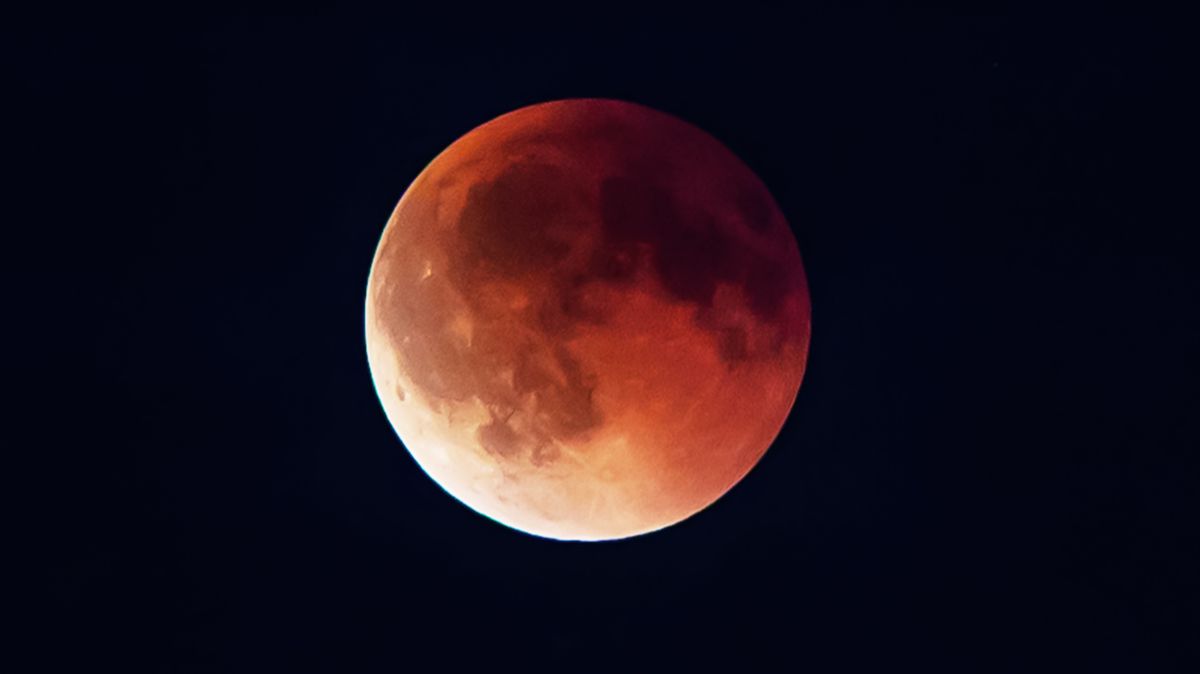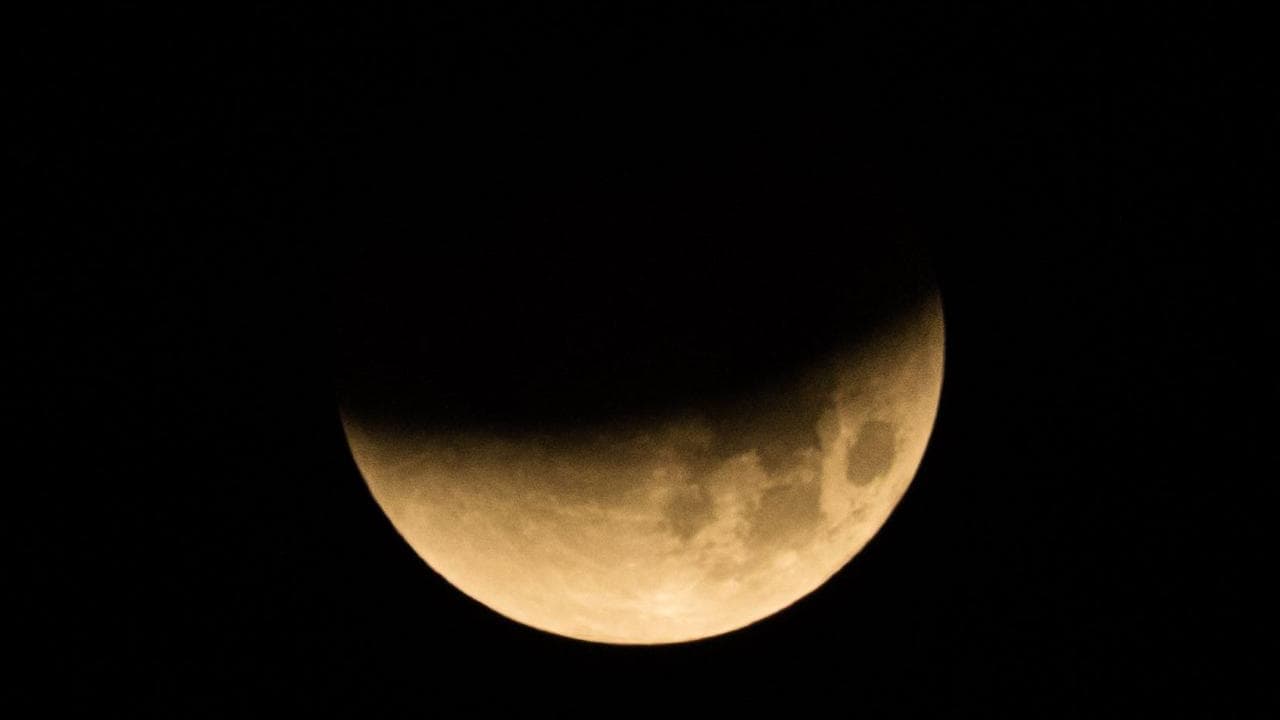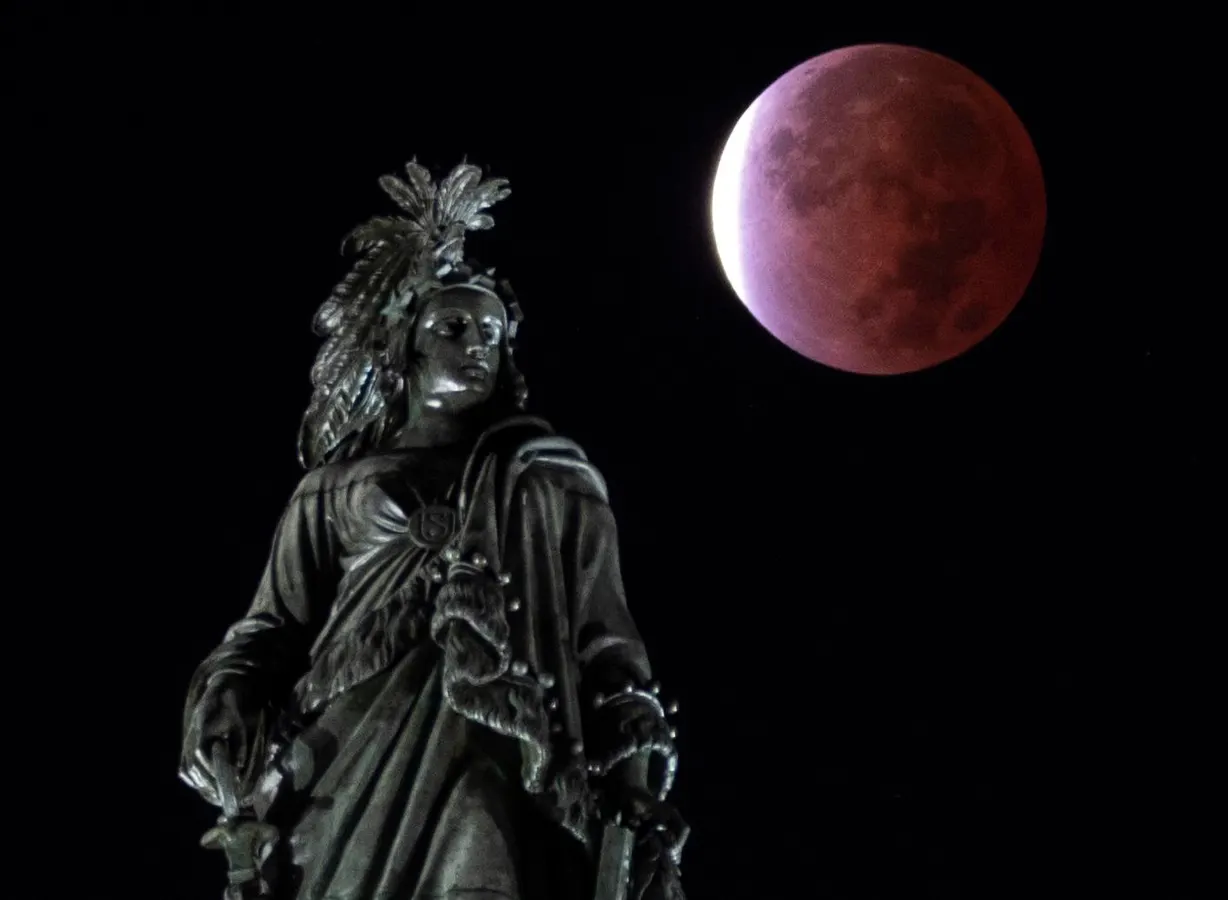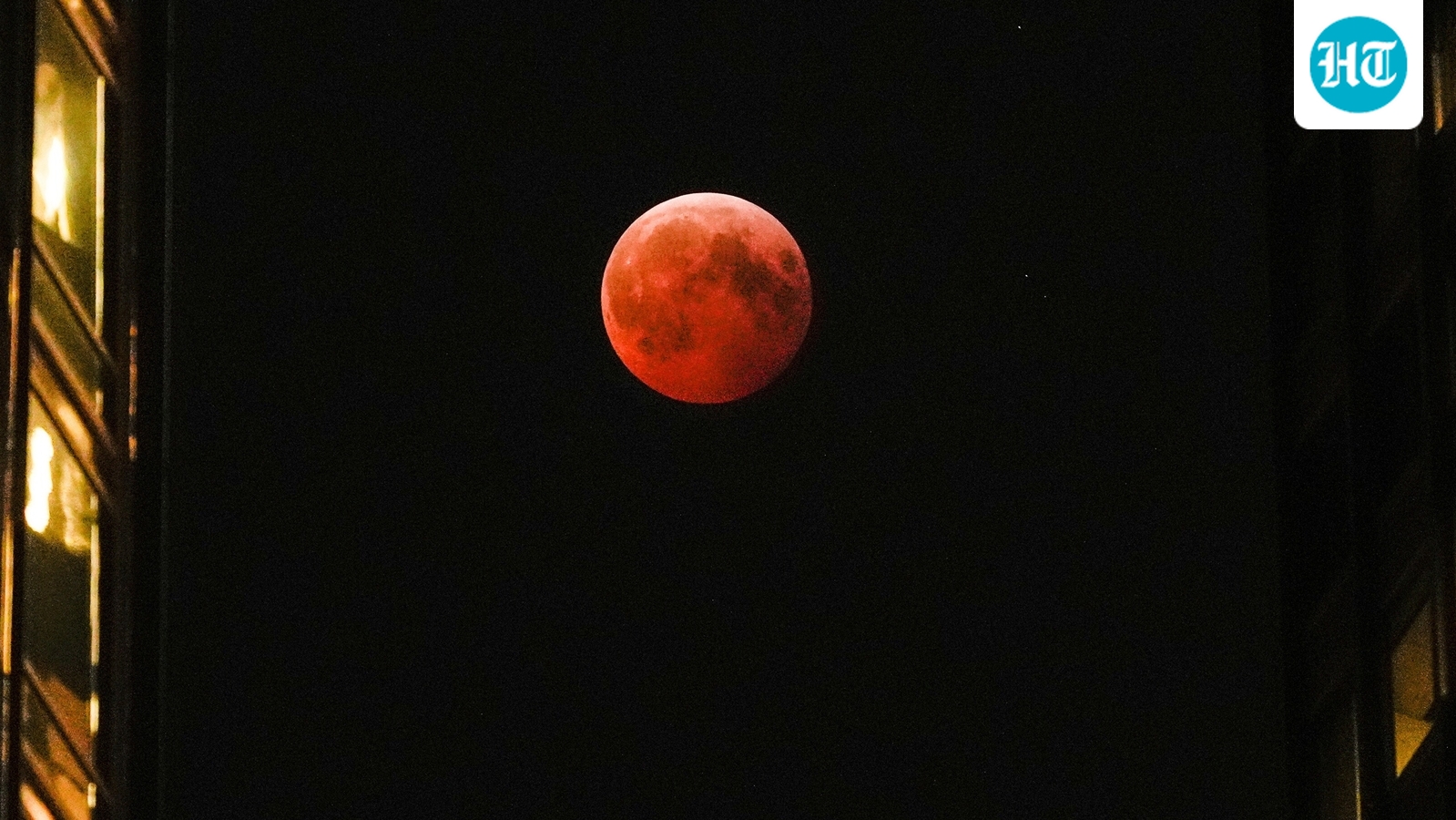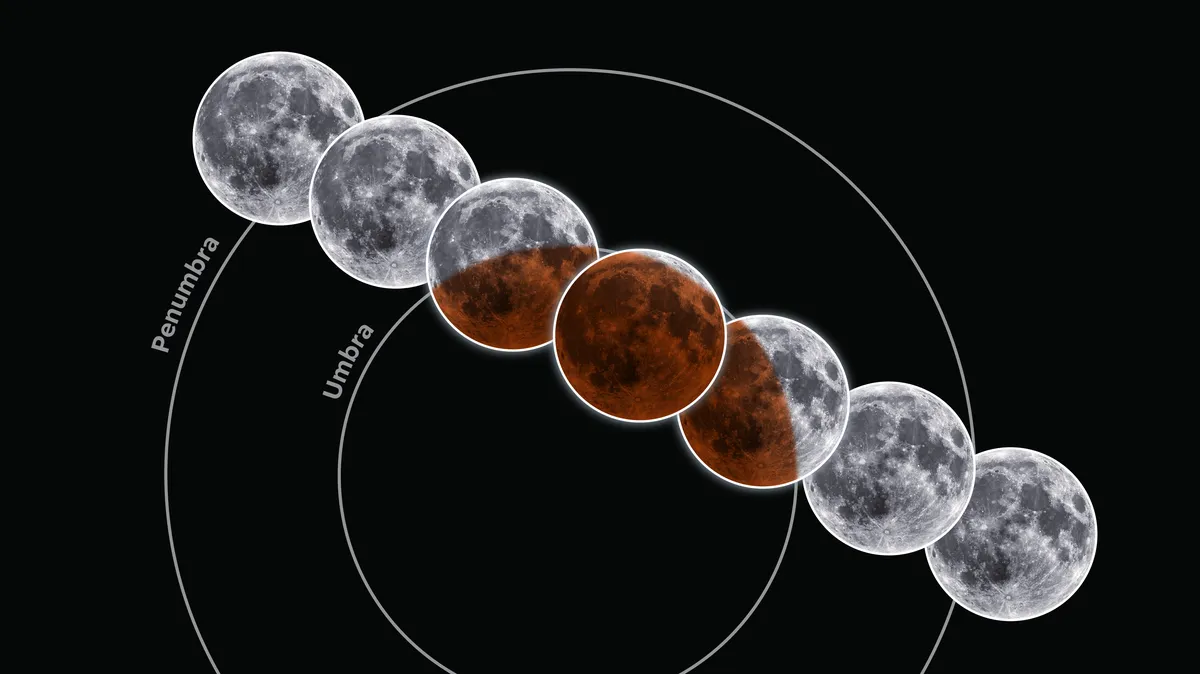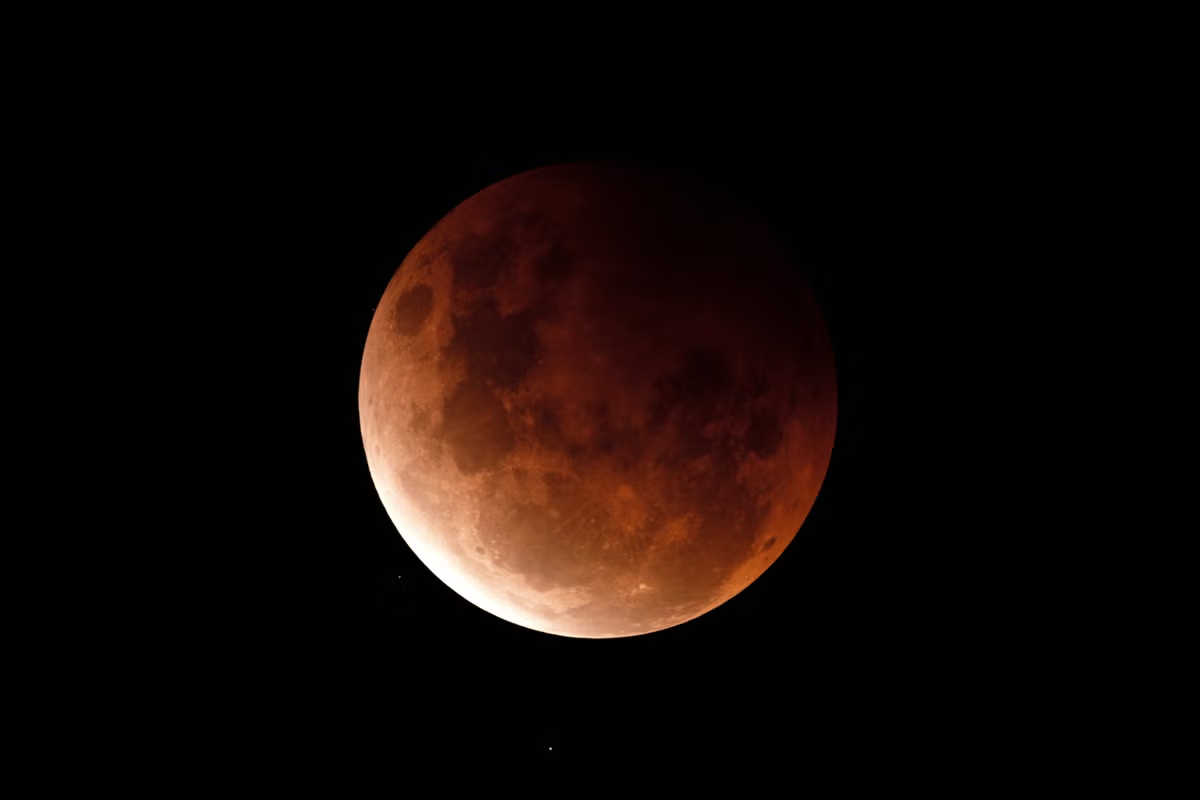
The UK is about to see a stunning, strange “blood Moon lunar eclipse” – though it comes with a catch.A lunar eclipse happens when the Earth moves between the full Moon and the Sun. As the Earth blocks out the light hitting the Moon, it changes it so that the lunar surface looks much darker and redder than usual, giving it its informal name.The lunar eclipse will arrive on 28 August, appearing on this month’s full Moon, which known as the Sturgeon Moon. But it will happen early in the morning: it will begin at 3.33am local time, and reach its peak at 5.12am, when 90 per cent of the Moon will be covered.As such, the lunar eclipse is only “partial”. But it will be enough to cause the light-scattering effect that makes the blood moon particularly compelling.A Bulgaria Air Airbus A220-100 aircraft flies past March full moon, also known as "Blood Moon" over Frankfurt am Main, western Germany on March 3, 2026. (Photo by Kirill KUDRYAVTSEV / AFP via Getty Images) (AFP/Getty)The “blood moon” happens because the light that reaches the Moon must make its way around the Earth. As it does, dust in the atmosphere absorbs more of the higher-frequency blue light, and so gives the Moon a coppery colour and its dramatic name.Seeing it is simple, beyond the early wake-up that will be required. It requires no special equipment or particular placement, and can be taken in simply by looking up into the sky.Because the lunar eclipse arrives shortly before the Moon sets and moves out of sight, however, it may be useful to choose somewhere with a clear view southwest. Otherwise, the Moon itself might be obscured by any buildings or other things on Earth that might block the view.This time around, for the same reason, it will be especially dramatic. The Moon will be low on the horizon, which makes it appear bigger and even more spectacular than useful because of the view of the Earth that surrounds it.The lunar eclipse comes amid a busy month for our Moon. It is just weeks since the UK saw its most spectacular solar eclipse for 30 years.Lunar eclipses of this kind are more common than their solar counterparts. The last total one came on 7 September, 2025, though the Moon was also low on the horizon then and so made parts of the totality hard to see.They still require a specific and coincidental alignment of the Moon, Sun and Earth, however, and so are still fairly rare. They only happen between two and five times a year – and a total lunar eclipse happens about every two or three years.
Here’s when the ‘blood Moon lunar eclipse’ will be visible in the UK
Lunar surface will take on a strange, red colour – if you can wake up on time
443 words~2 min read