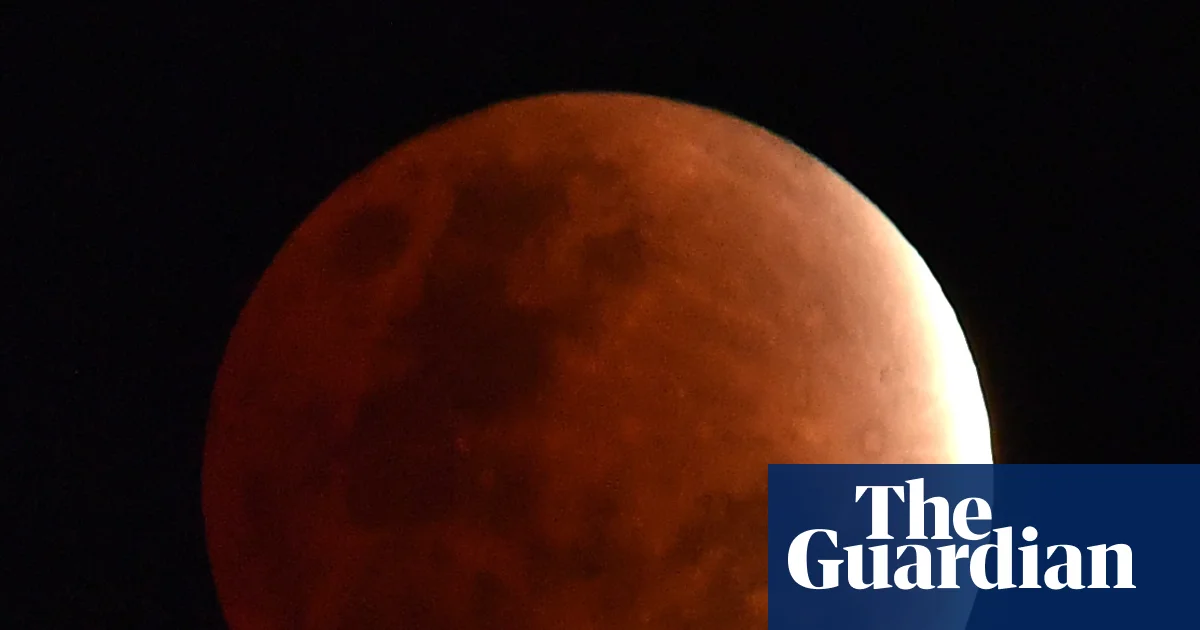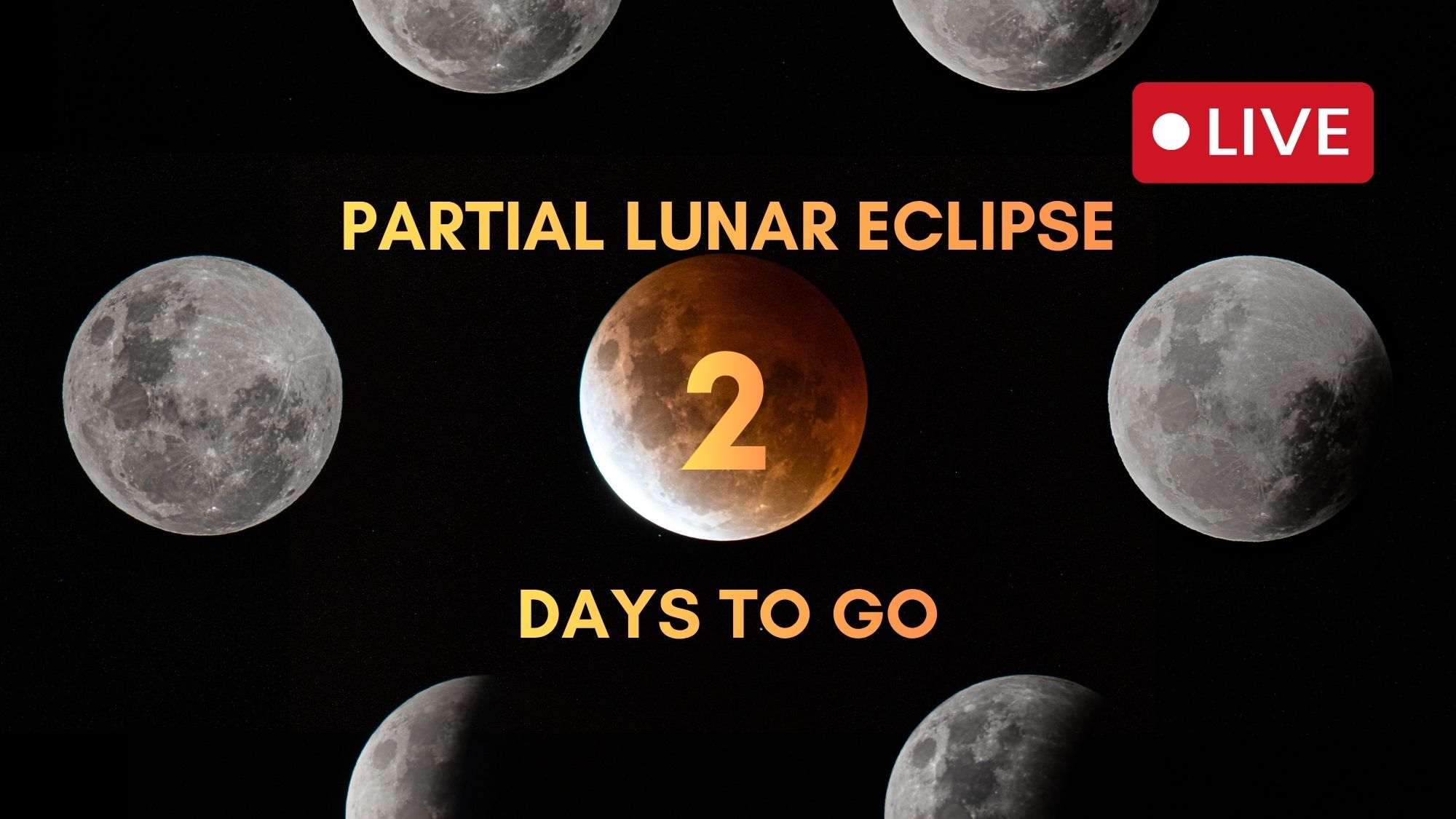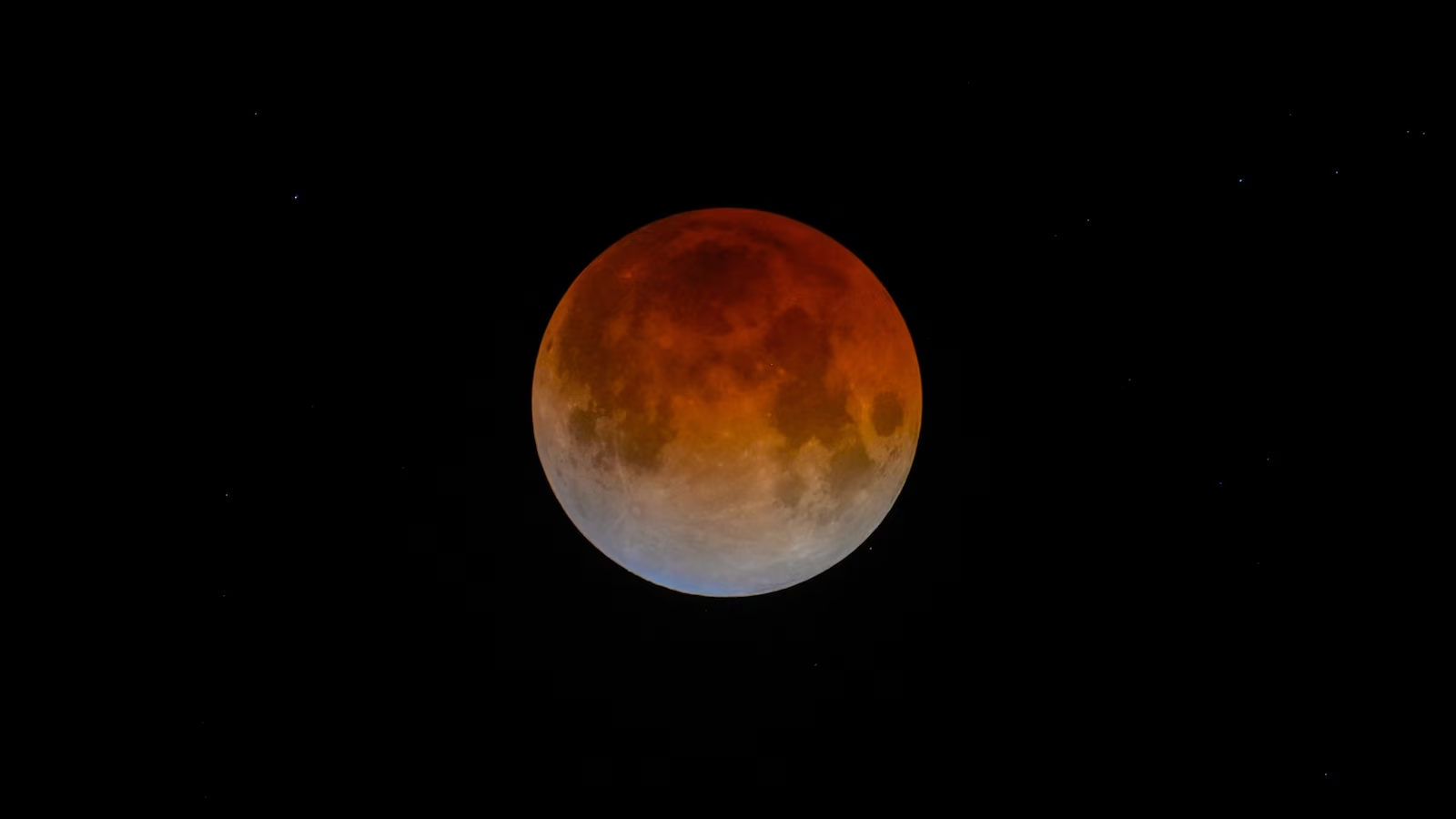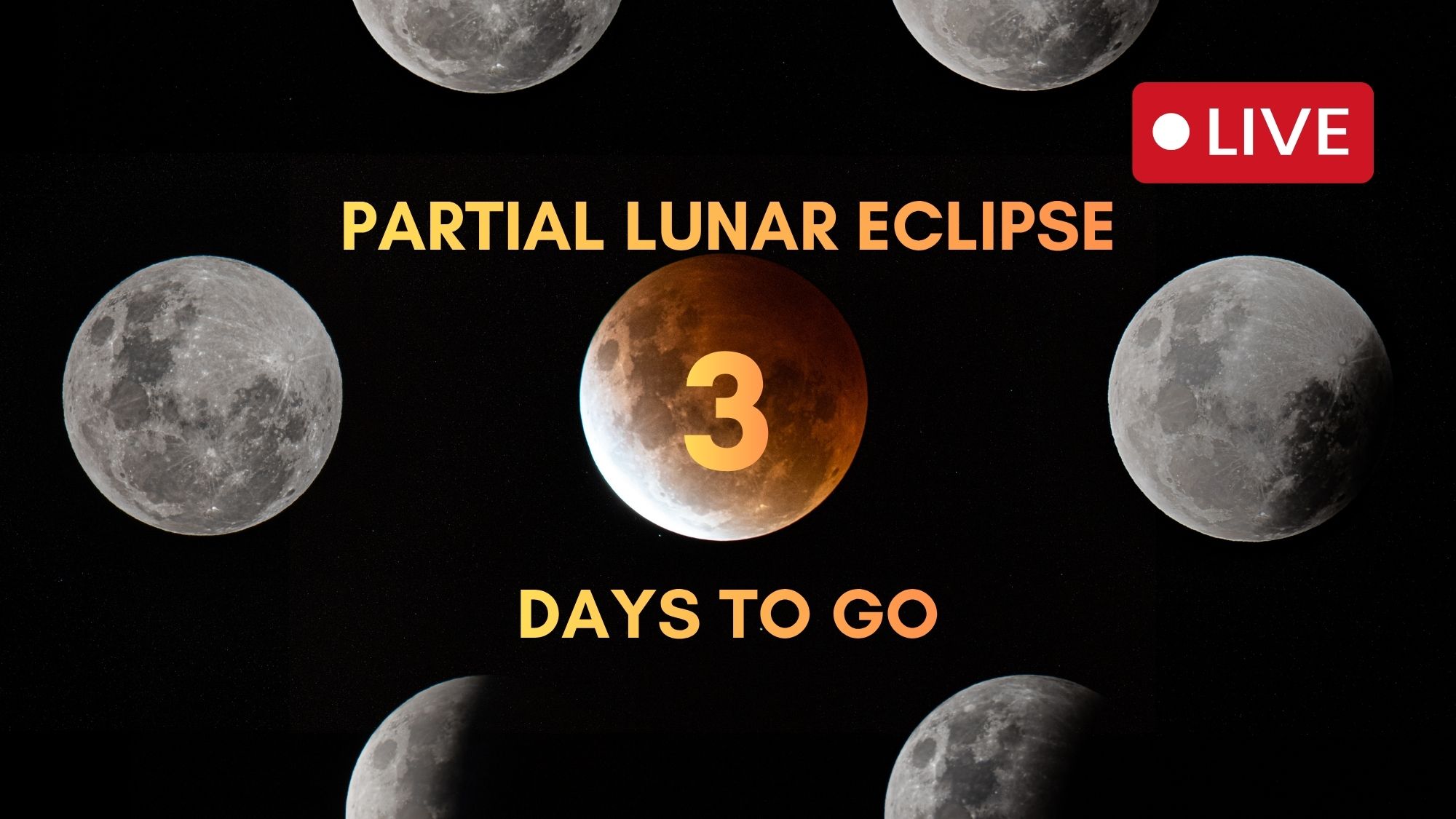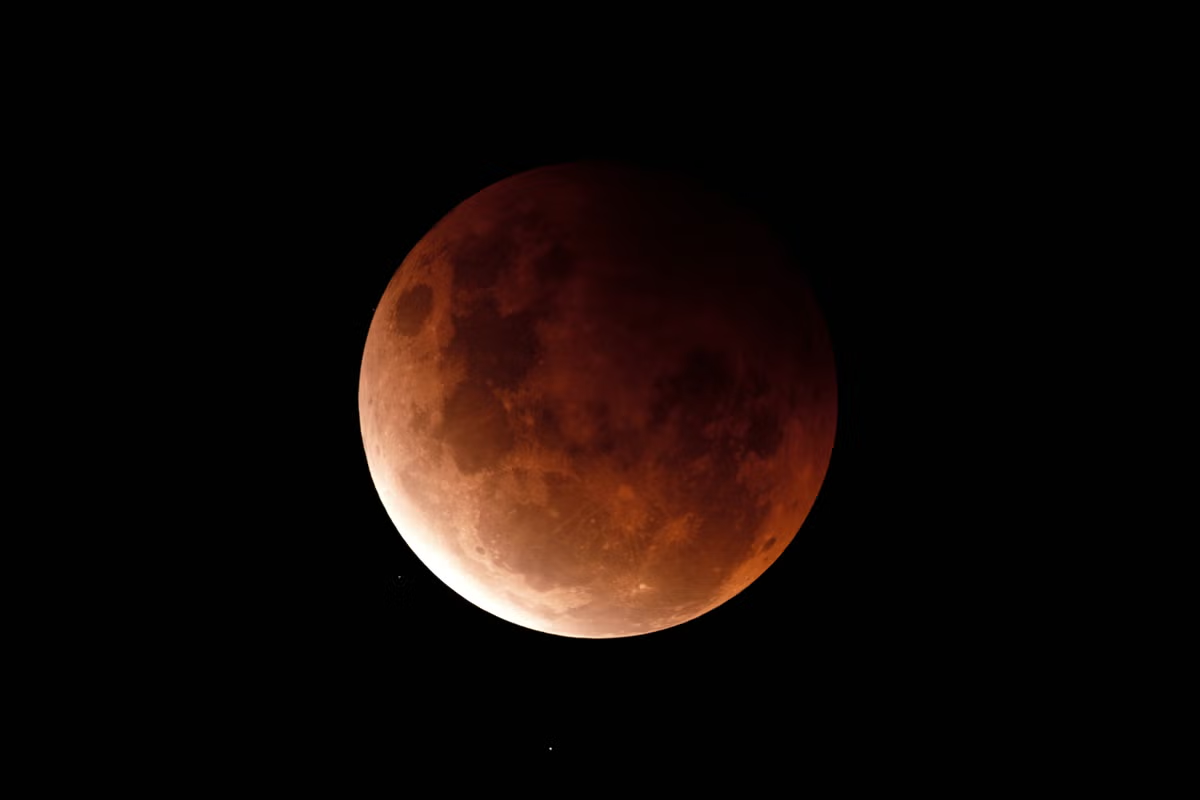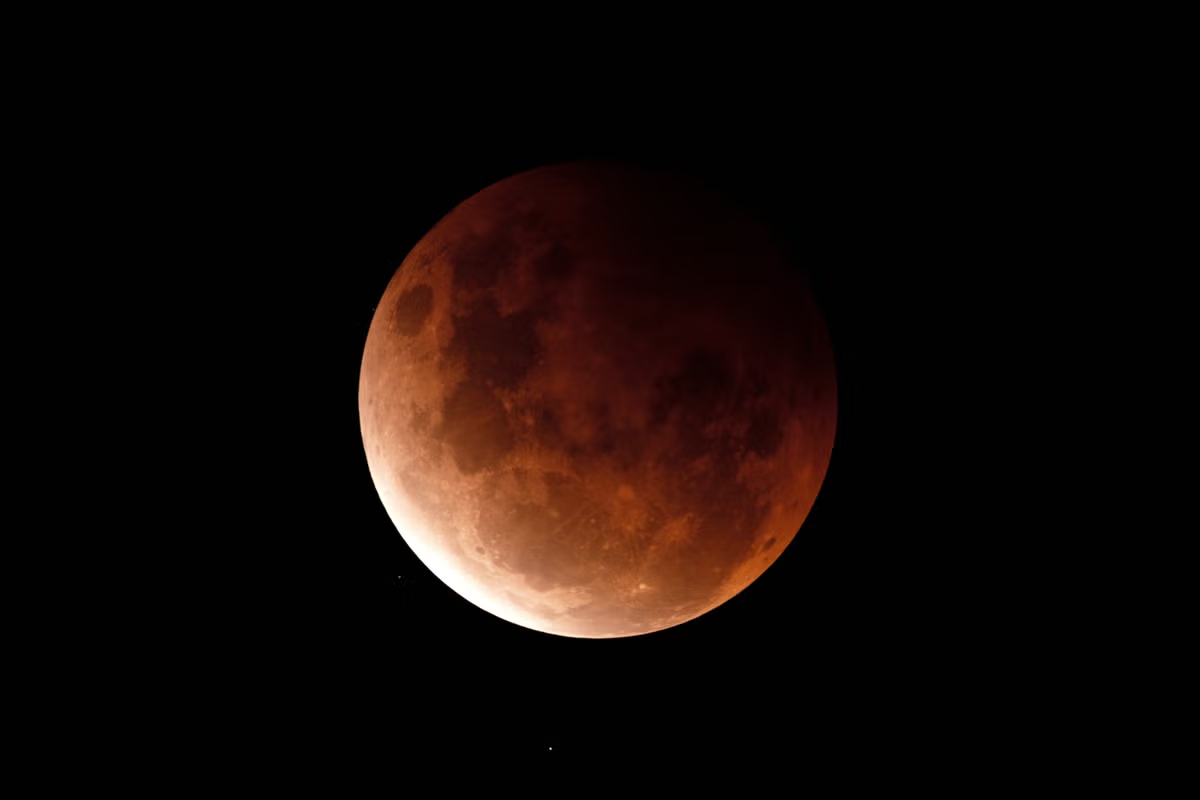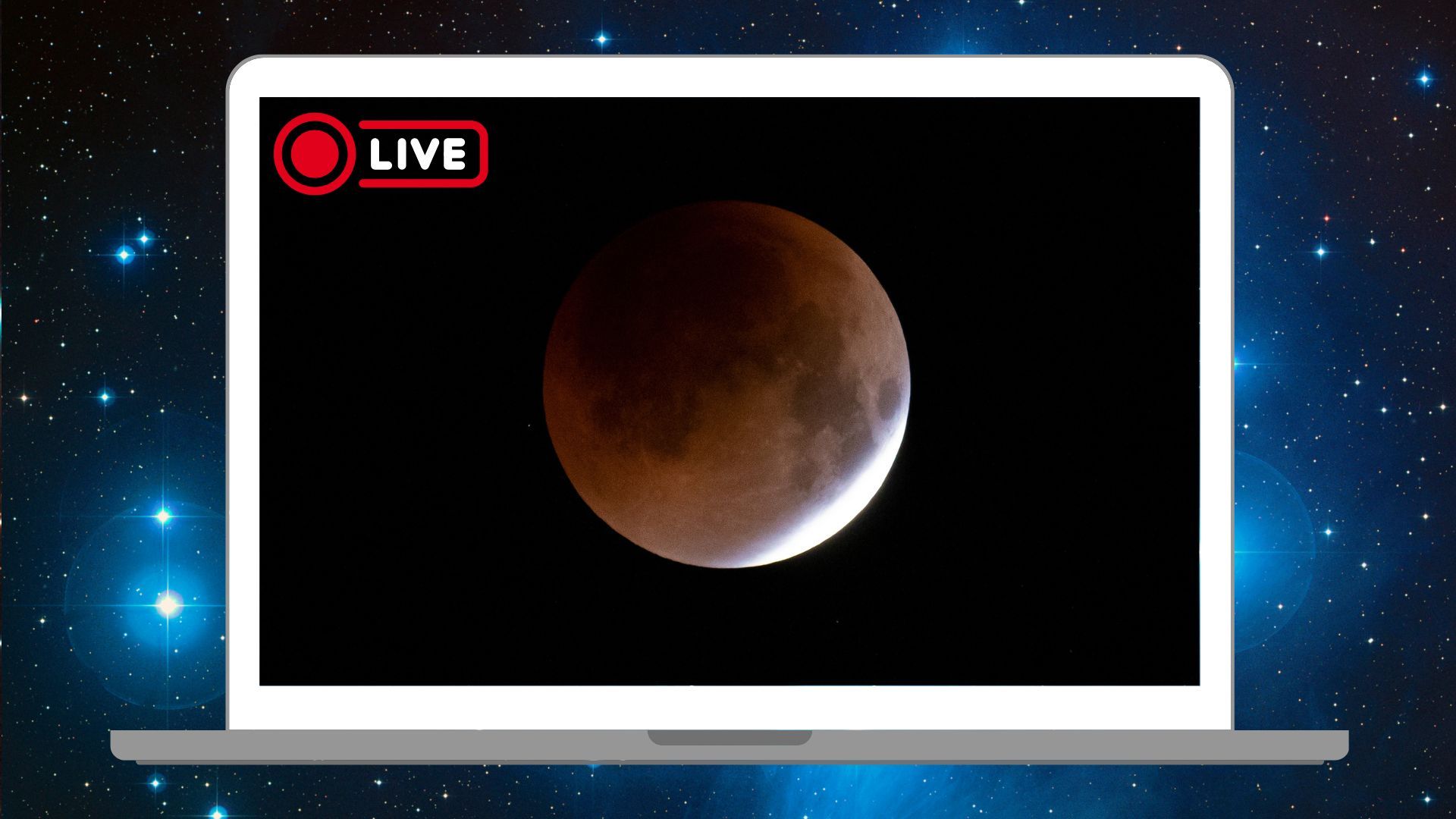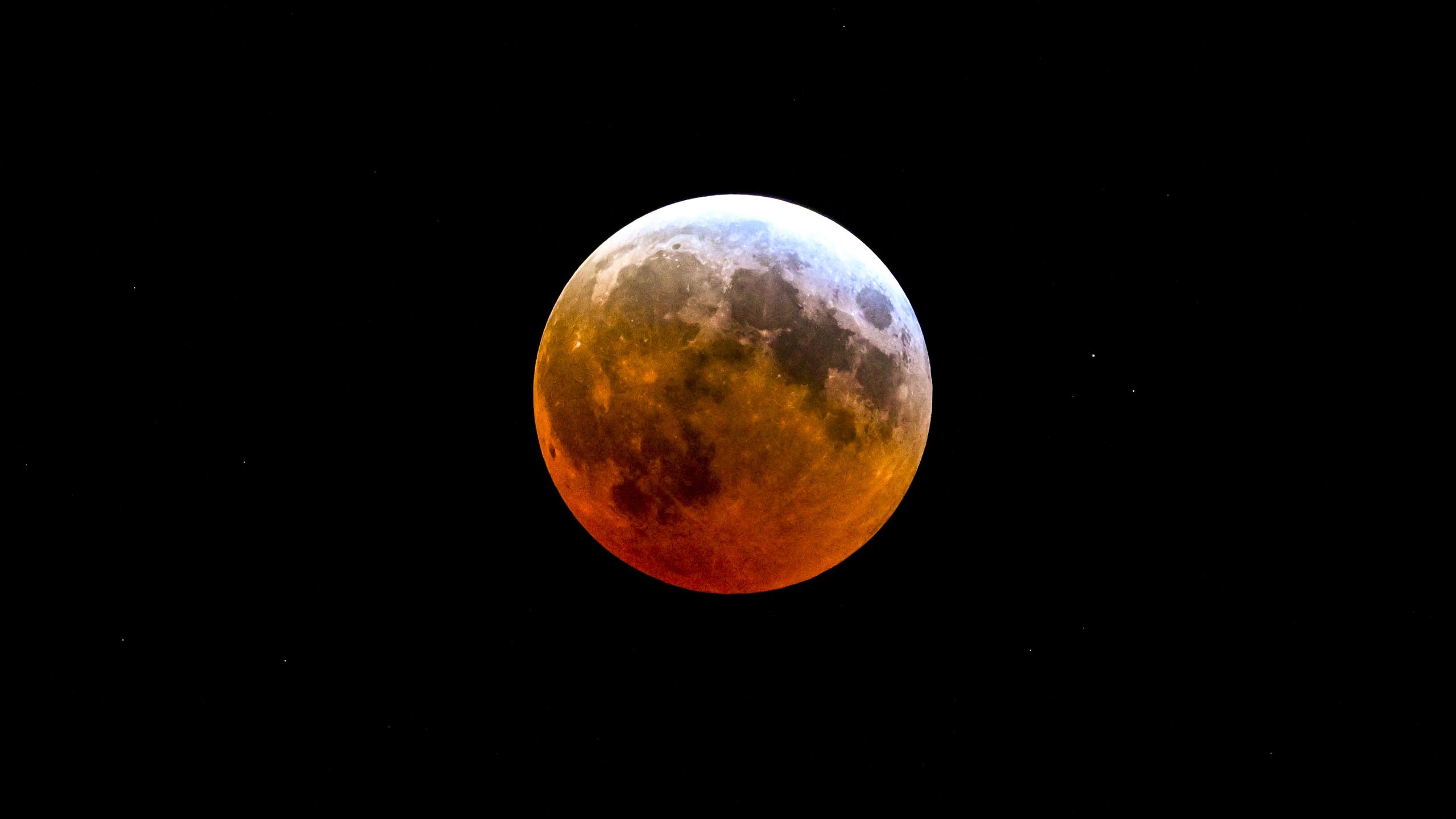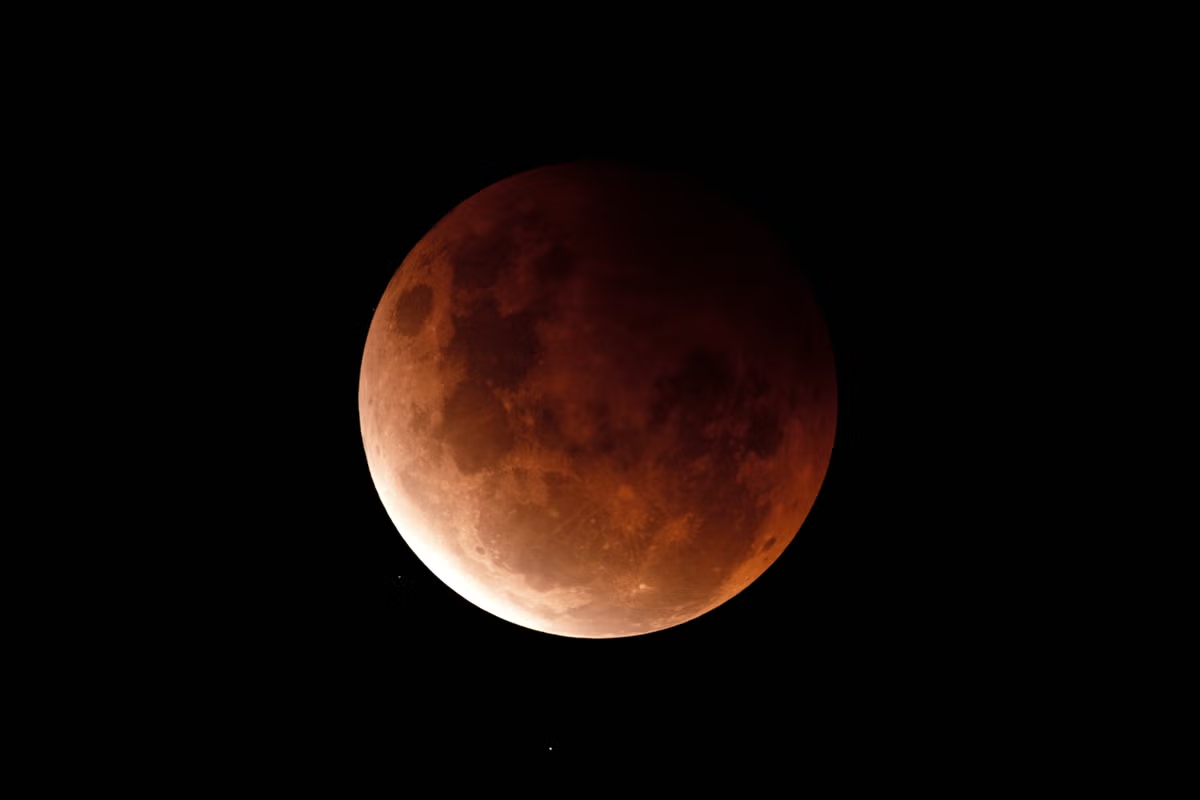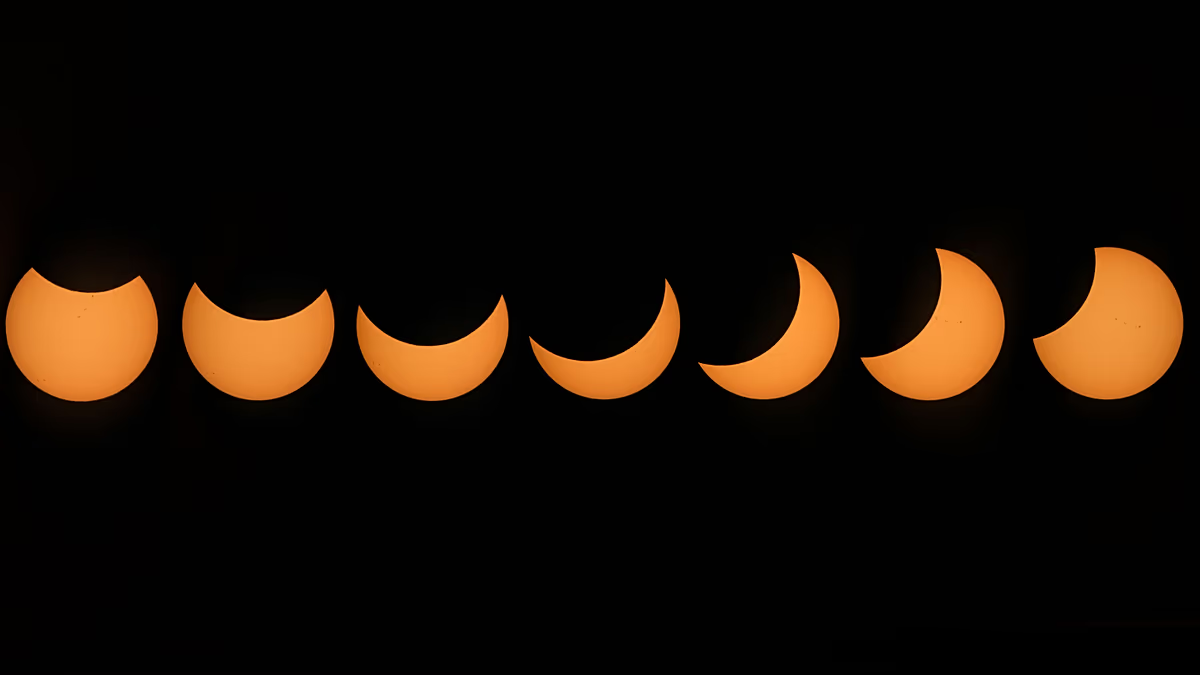
Europeans will be treated to a “very deep” partial lunar eclipse in the early hours of Friday (28 August) morning, just before dawn.
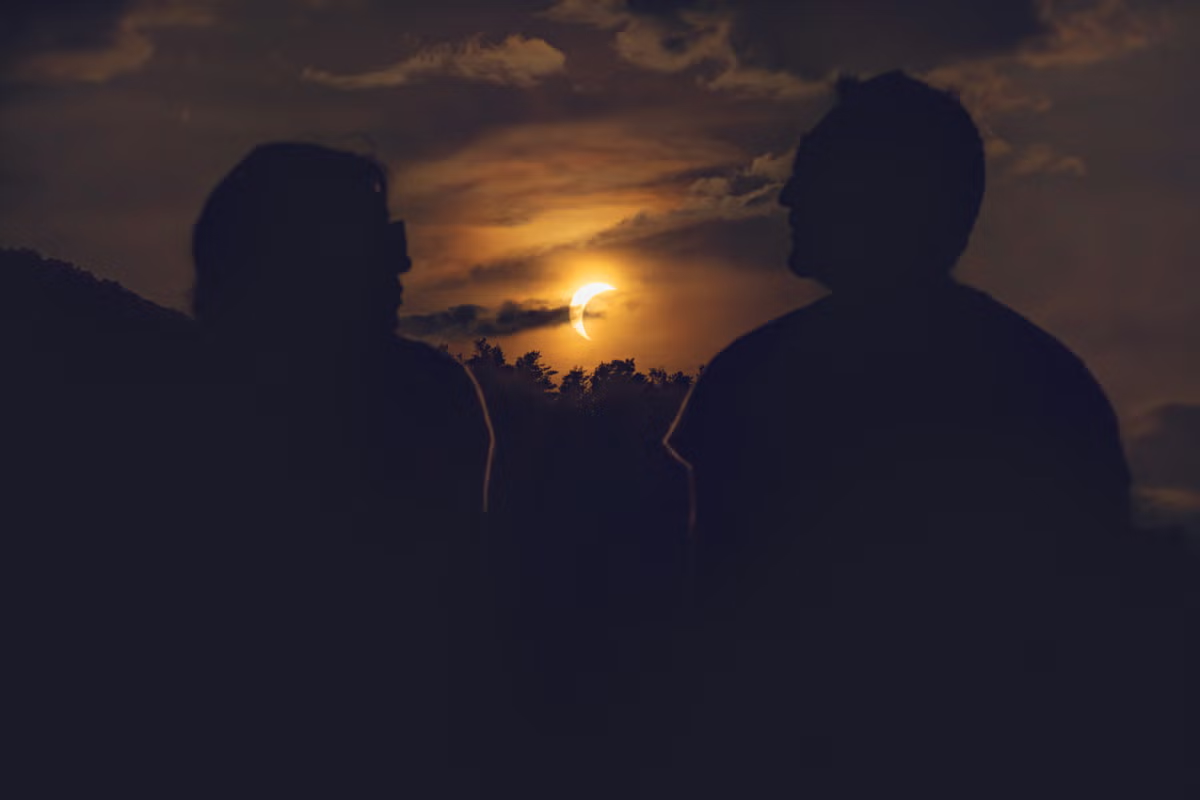
A partial eclipse always happens about two weeks before or after a solar eclipse, so this one follows the total solar eclipse that captivated Europeans earlier this month.
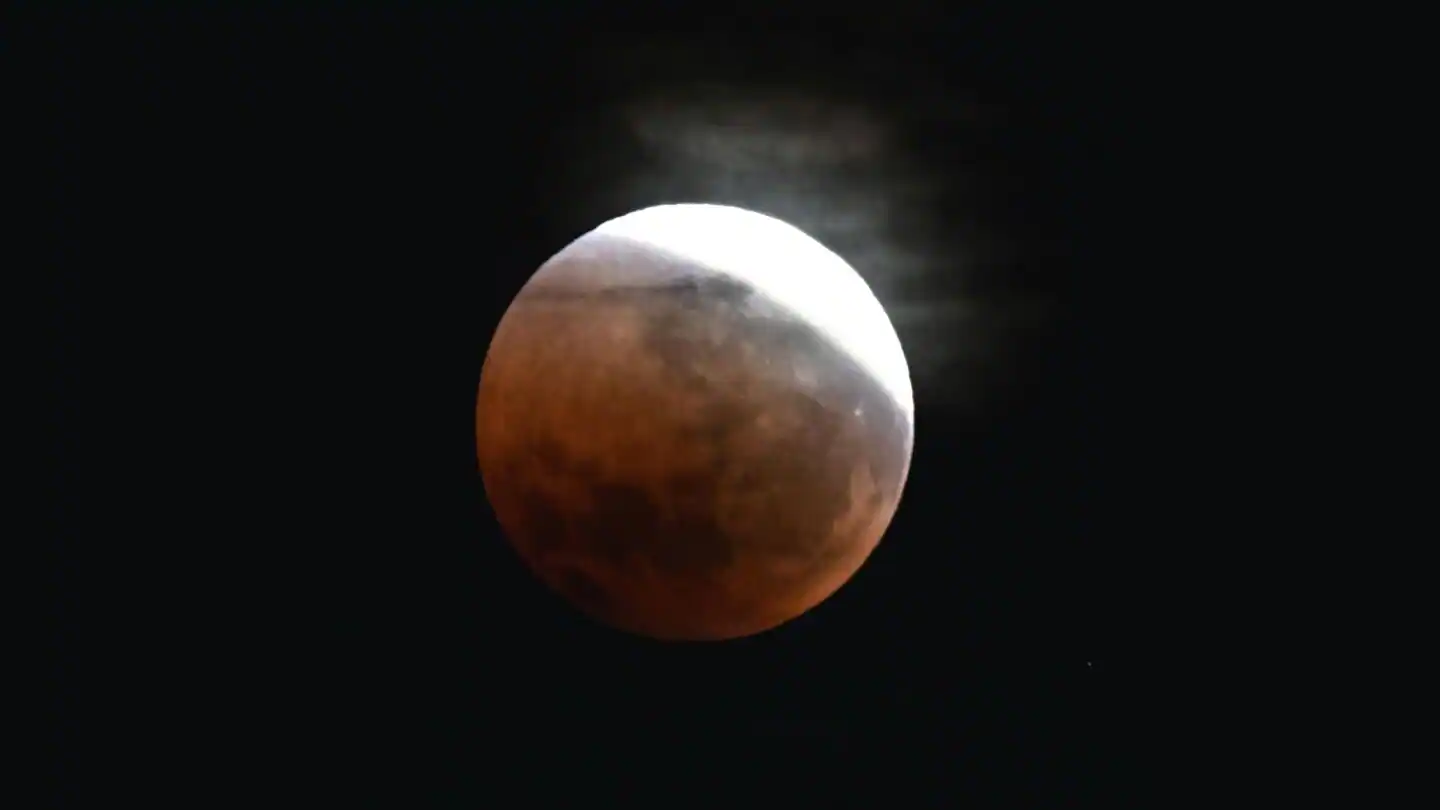
During a partial eclipse, an imperfect alignment of the Sun, Earth and Moon means a Full Moon passes through only part of Earth’s shadow in space. The shadow grows and then recedes without ever entirely covering the Moon, creating a rare celestial phenomenon.
Friday’s is a Full Sturgeon Moon, named after North America’s largest fish. The moon could turn a rusty red as it gets 96.2 per cent covered by Earth’s dark inner shadow. The change of colour is caused by Earth: “the edge of Earth’s shadow in space has a reddish glow that comes from sunlight streaming through the atmosphere that surrounds our planet”, according to timeanddate.
You won’t need the special glasses that were necessary to safely view the total solar eclipse earlier this month. Looking directly at the moon during a partial eclipse is totally safe.