in Art, History | February 24th, 2026 Leave a Comment
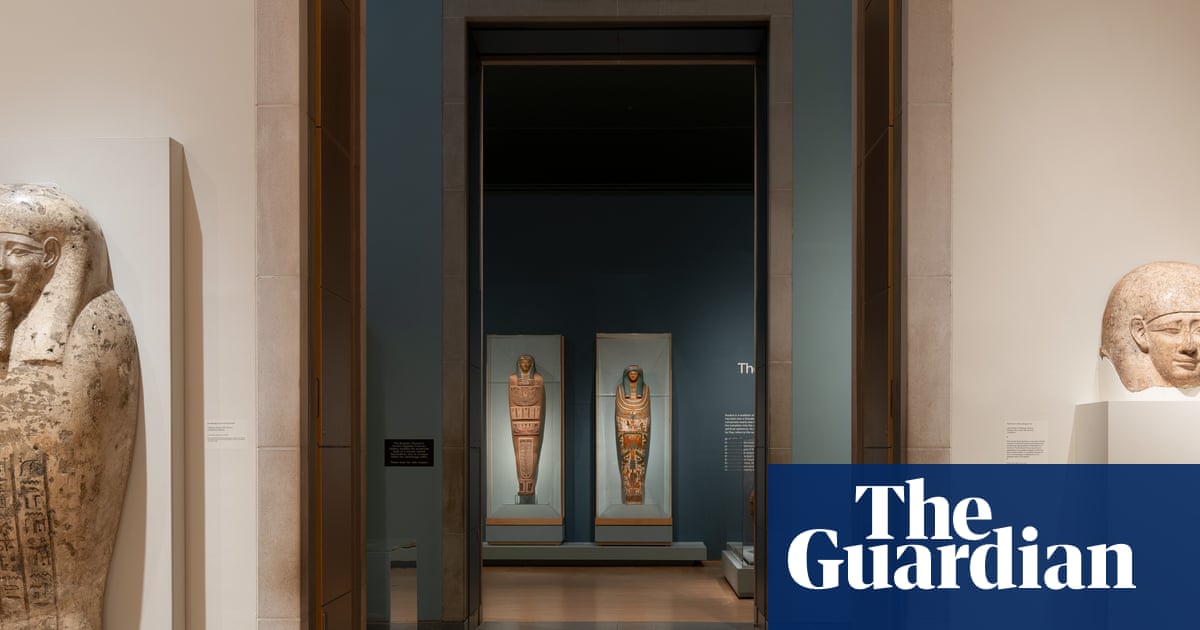
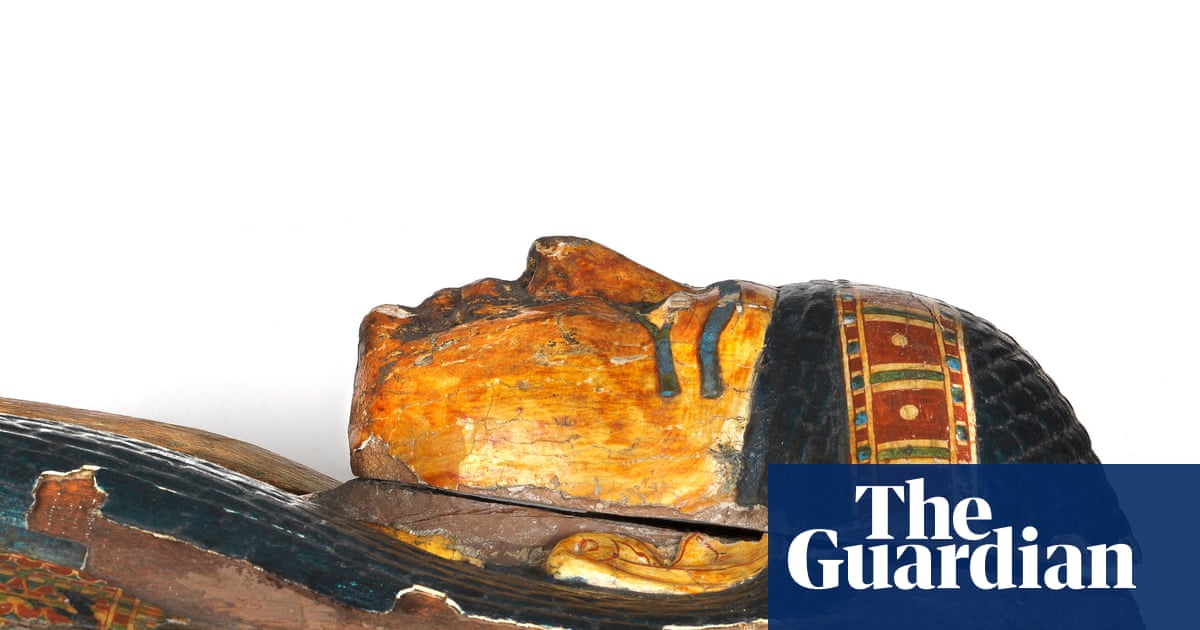
In ancient Egypt, writing hieroglyphs was a highly specialized skill, one commanded by only a small fraction of the population. The fact that there were more than 1,000 characters to memorize probably had something to do with that, but the variety of surfaces on which hieroglyphs were written couldn’t have made it any easier. Depending on the occasion, ancient Egyptians used papyrus, wood, metal, and pottery shards as writing surfaces. The most monumental or religiously important texts, however, got carved into stone, thus ensuring the words a kind of eternal life — a particular concern in the cases of tomb walls and sarcophagi.
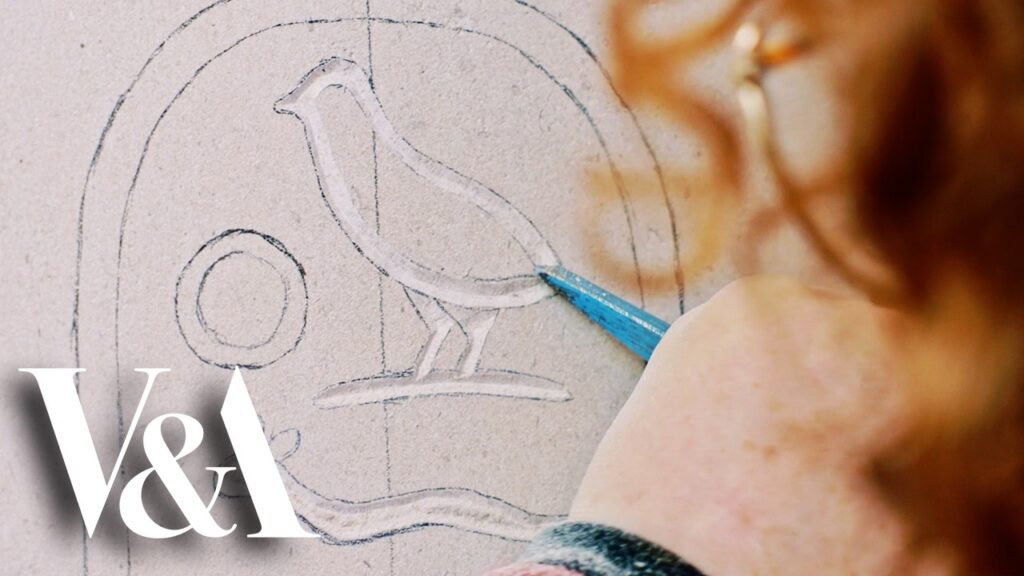
There may be little call to write hieroglyphs today, but the techniques to do so haven’t been lost. In the new video above from the Victoria and Albert Museum, sculptor and stone carver Miriam Johnson demonstrates how to carve into stone the name of Pharaoh Khufu, who built the Great Pyramid (and indeed, was buried in it).
The first step is to write that name, surrounded by its cartouche, on a sheet of carbon paper. This isn’t the brush and ink that the ancient Egyptians would have used, granted, but for the rest of the project, Johnson sticks to the old-fashioned ways. With the image transferred, and using nothing more than a mallet and a chisel, she carves the hieroglyphs into the stone not just once but twice.