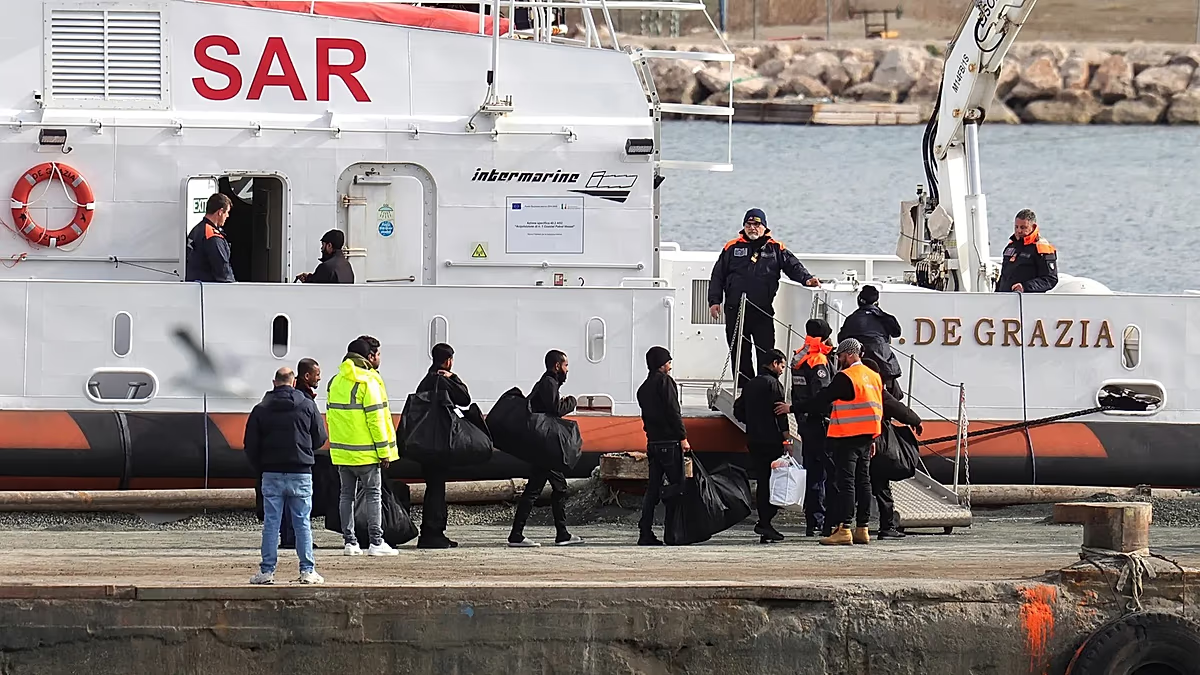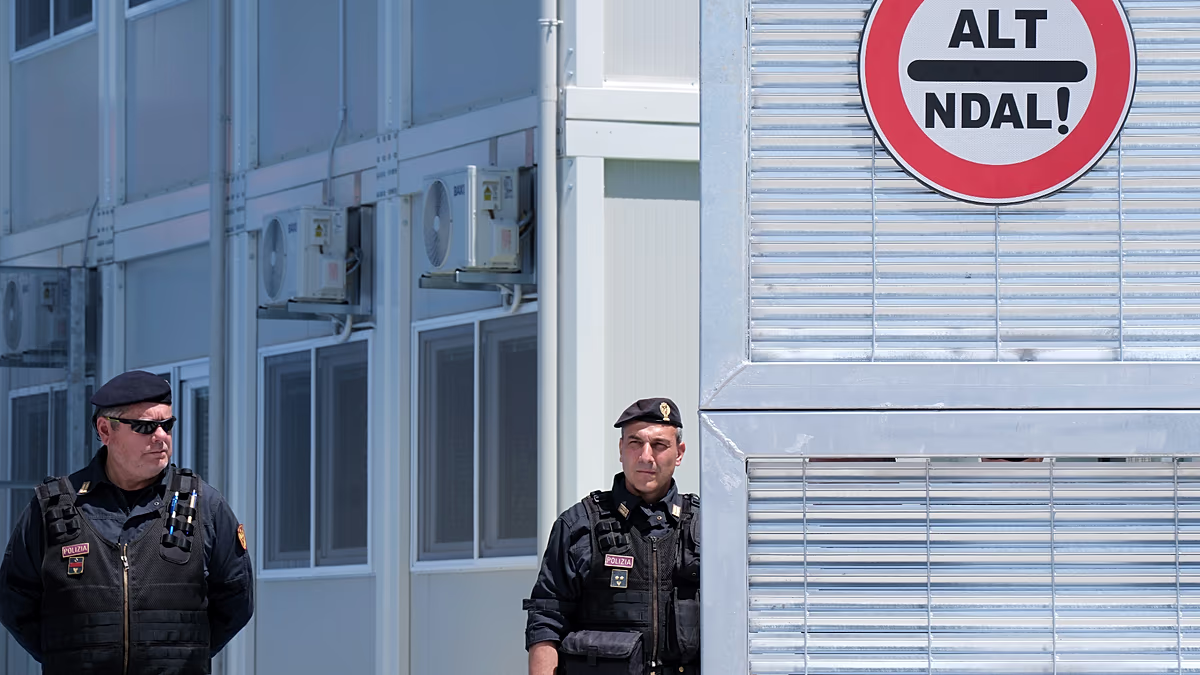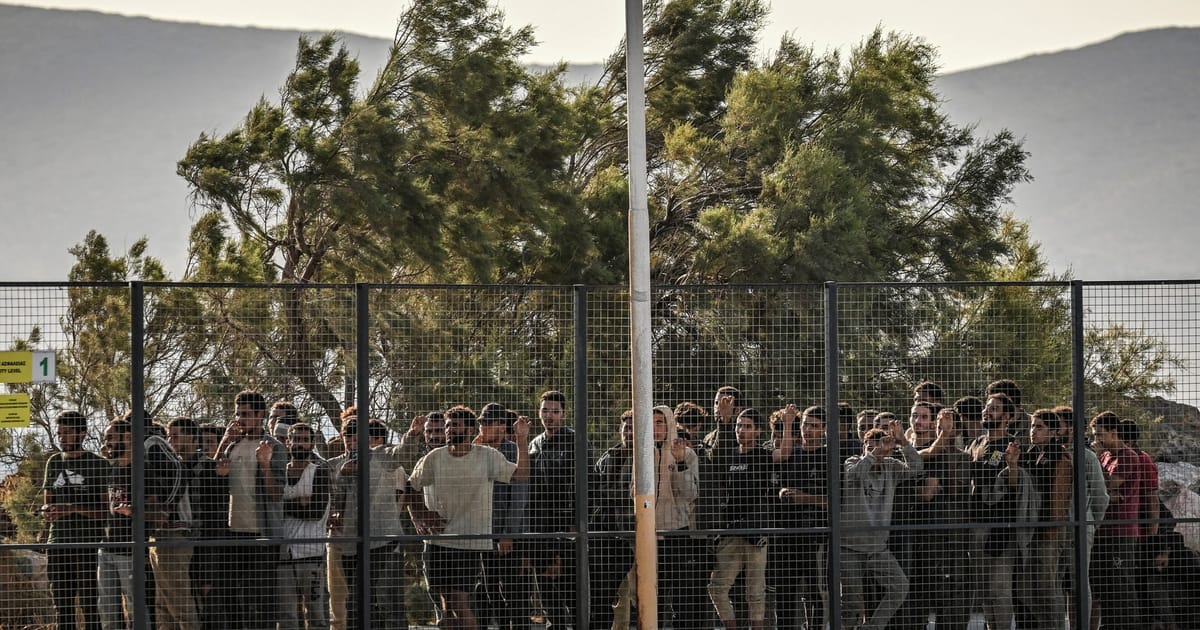
The EU's migration policy has increasingly centred on the controversial notion of using "return hubs" to externalise irregular migrants to third countries, as enshrined in the recently adopted Return Regulation.
"We need to set up repatriation centres in third countries, as well as other innovative solutions outside Europe. We are working hard on this," Italian Prime Minister Giorgia Meloni and her Danish counterpart Mette Frederiksen wrote in a joint statement earlier this month.
Nineteen EU countries are convinced this is an "innovative solution" to pursue for migration management, as made clear in a joint letter sent to EU leaders last June, suggesting the centres would become a reality sooner rather than later.
A crucial debate on migration will take place at the next European Council summit, with return hubs set to be one of the main points of discussion.
Yet fundamental questions about how the policy would be implemented remain unanswered. How would return hubs work? Where would they be located? And which problems have they run into so far? Here, Euronews breaks down the main issues around the new migration mantra – and why the reality might not match the political narrative.