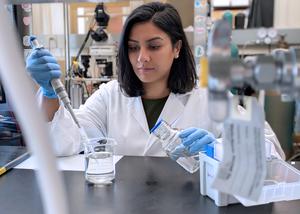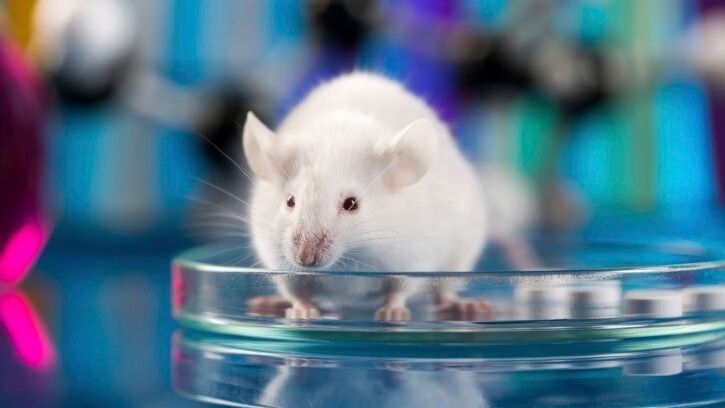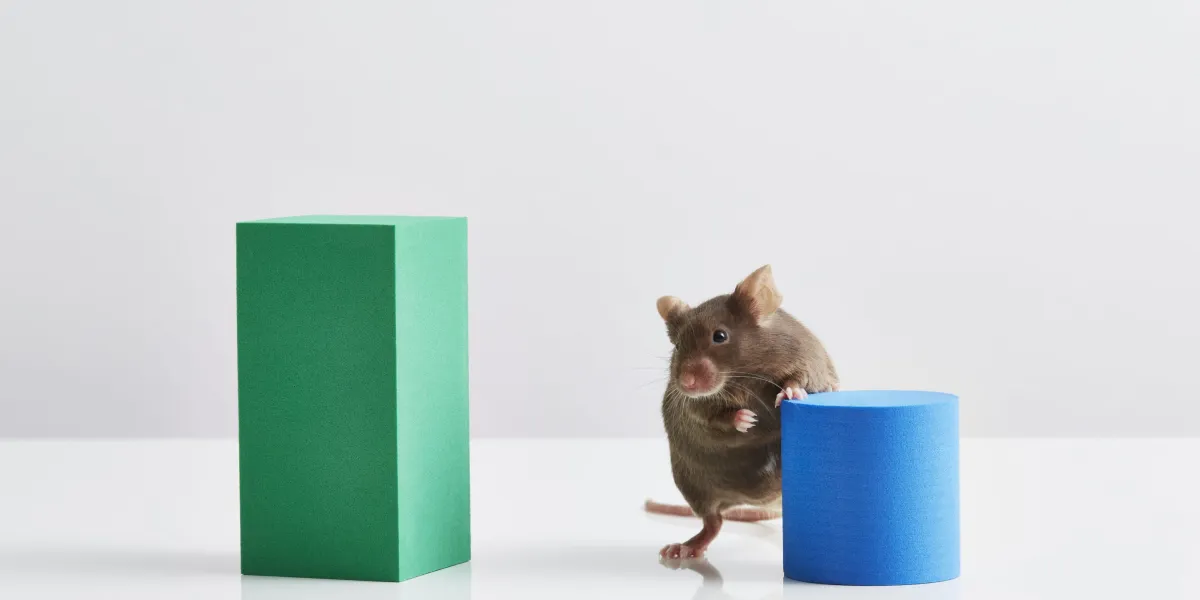
A new study has identified a brain process by which social isolation or loneliness may escalate alcohol consumption in males while suppressing it in females.The findings, published in the journal Nature Neuroscience, suggest that loneliness can reprogram the brain in ways that push alcohol consumption, offering a biological explanation for why loneliness raises addiction risk."This is the first study to identify a specific brain circuit that explains how social isolation can drive increased alcohol use in males, marking a major advance for the field," first author Reesha Patel, assistant professor of general psychiatry and neuroscience at Northwestern University's school of medicine, said."These findings provide a much clearer biological target for understanding and eventually treating alcohol misuse that arises from isolation, a problem that is becoming increasingly common," Patel said.Adult male and female mice were initially housed in social groups. Some mice were then moved to individual housing to model adult social isolation, while the remaining mice stayed socially housed.The mice received daily, one-hour access to two bottles: one containing water and the other containing a 15 per cent alcohol solution.The consumption and choices were tracked over roughly two weeks. During this period, isolated male mice progressively increased their alcohol intake, whereas females reduced theirs, the researchers said.Activity in specific brain cells in the mice was observed while the animals freely moved around and chose whether to drink alcohol -- the cells formed a brain pathway connecting the basolateral amygdala, which processes emotional and stress signals, to the medial prefrontal cortex, which regulates decision-making."Our work shows that a defined pathway becomes overactive during isolation and directly increases drinking, and that males and females rely on different neural strategies when they're lonely. This may help explain long-standing sex differences in neuropsychiatric disorders," Patel said.She added that while the definitive reason for why isolation increased alcohol consumption in male mice but reduced it in females is not clear, sex differences observed in the study mirror patterns reported in some human research.The team also tested whether the brain pathway merely reflected drinking or caused it.Using optogenetics -- brief pulses of light that turn brain circuits on or off -- the researchers artificially activated the circuit in non-isolated male mice.The brains of the mice were found to respond to alcohol as if the mice had been socially isolated.When the same circuit was silenced in isolated male mice, alcohol consumption decreased, the team found.
Circuit in male brain increases alcohol use during social isolation: Study
Recent research sheds light on how loneliness affects alcohol consumption through specific brain mechanisms. The study revealed that isolated male mice exhibited a higher alcohol intake, while female mice notably decreased theirs. This crucial brain pathway integrates emotional processing with decision-making areas, actively influencing drinking behaviors in males. These insights provide potential biological targets for addressing alcohol misuse associated with feelings of isolation.
398 words~2 min read