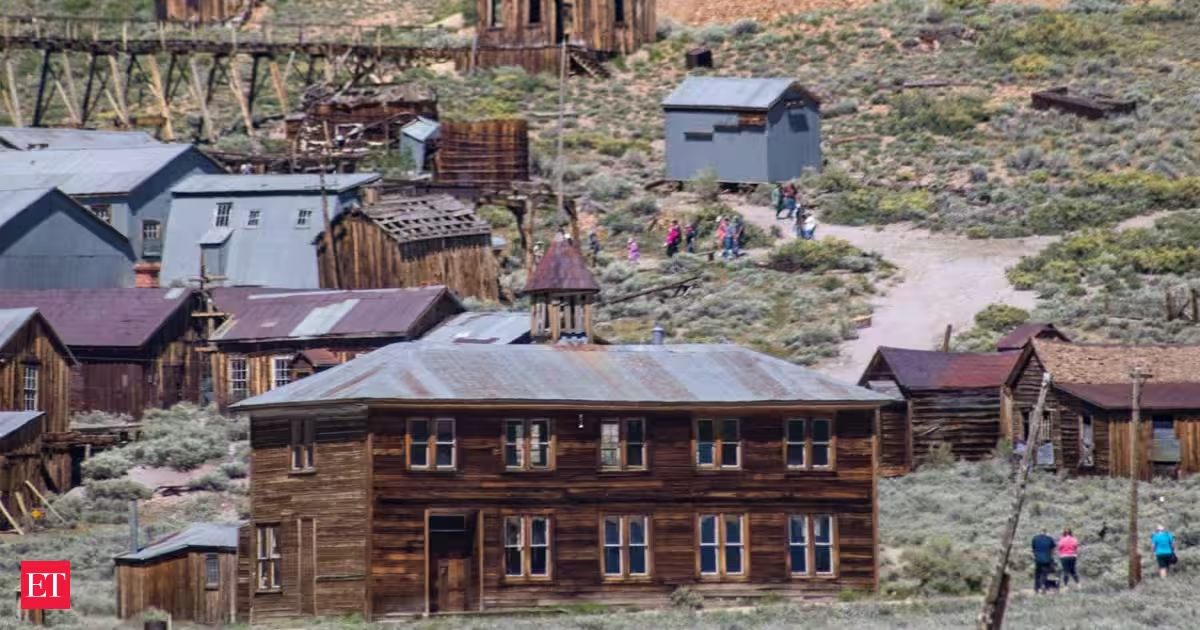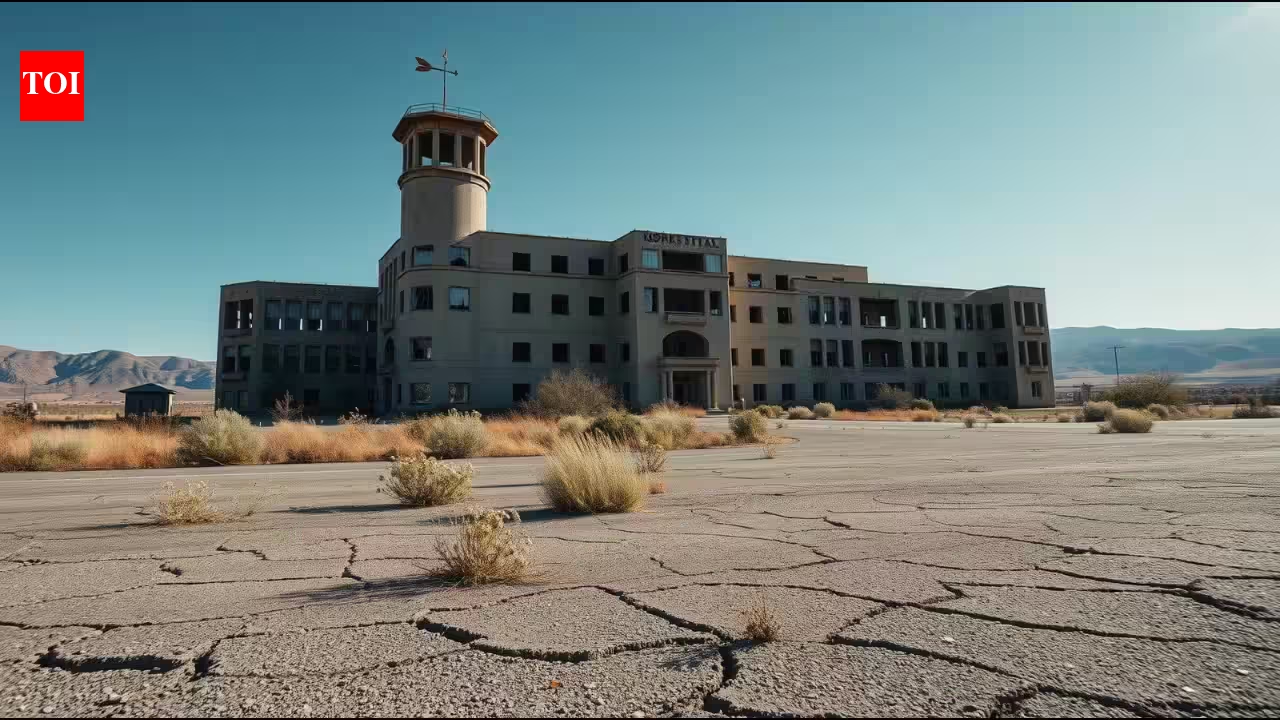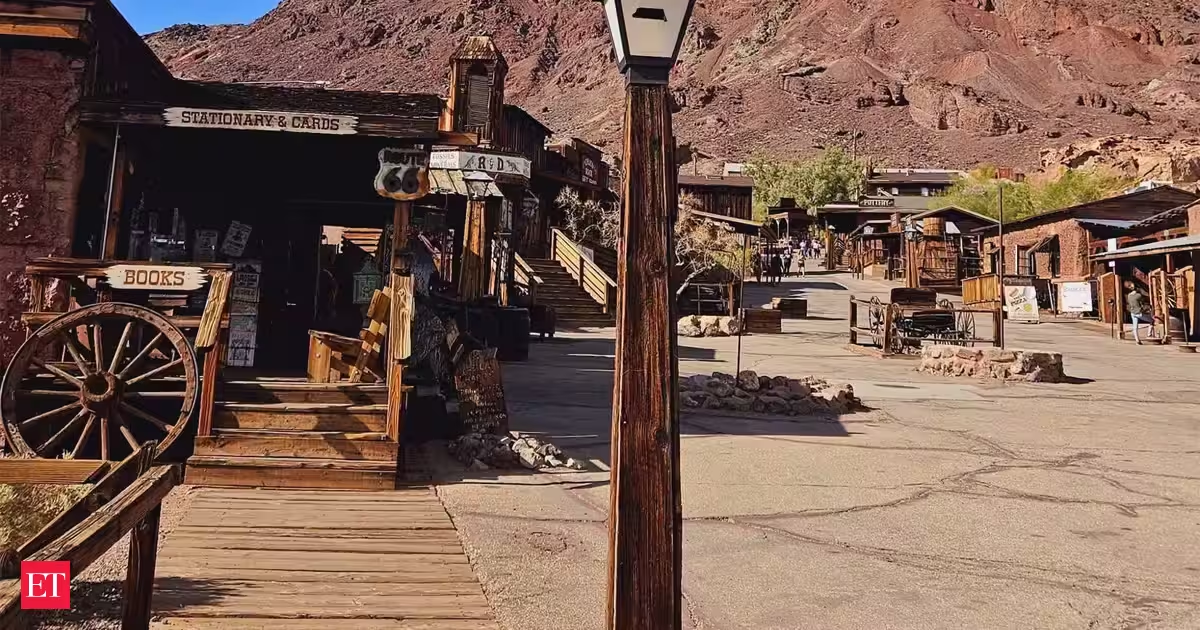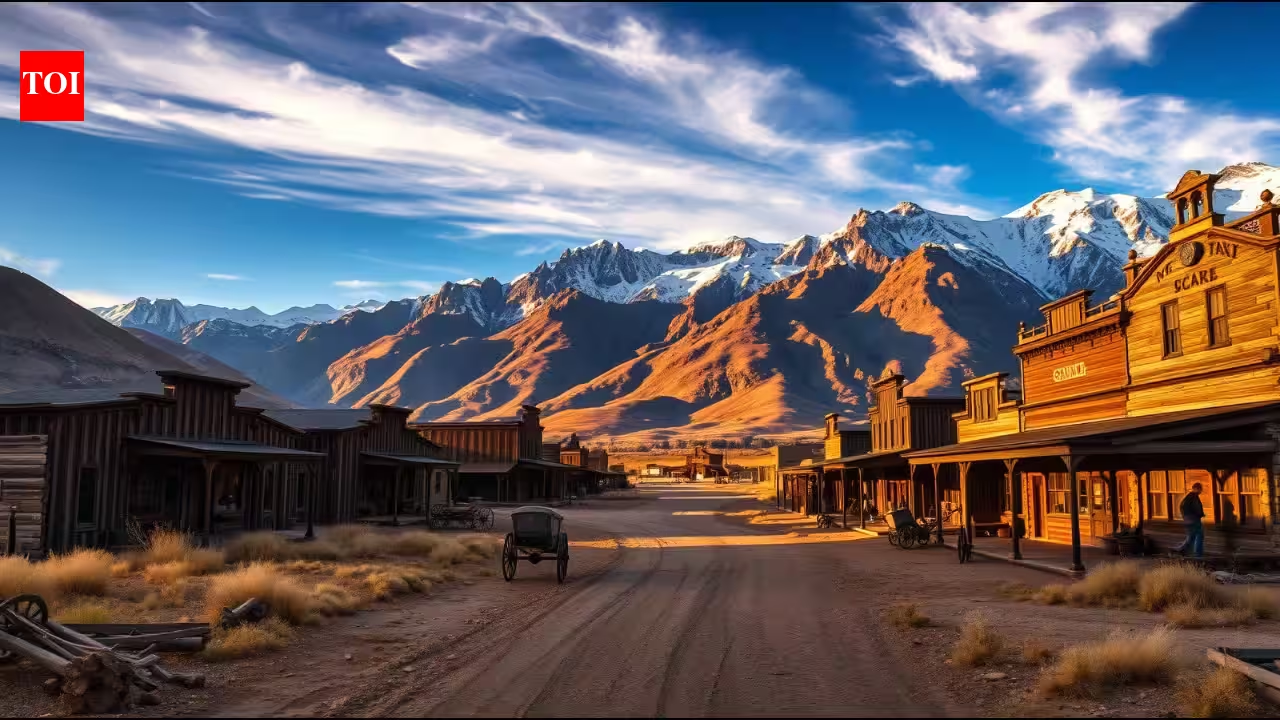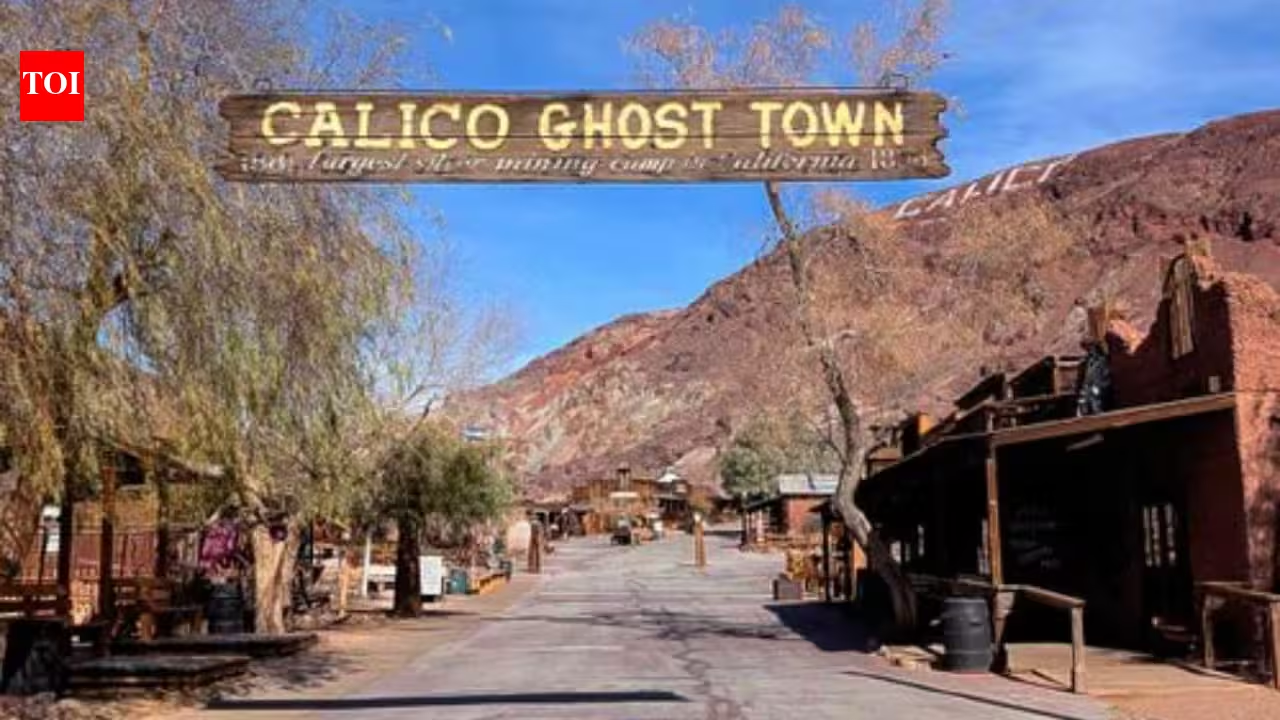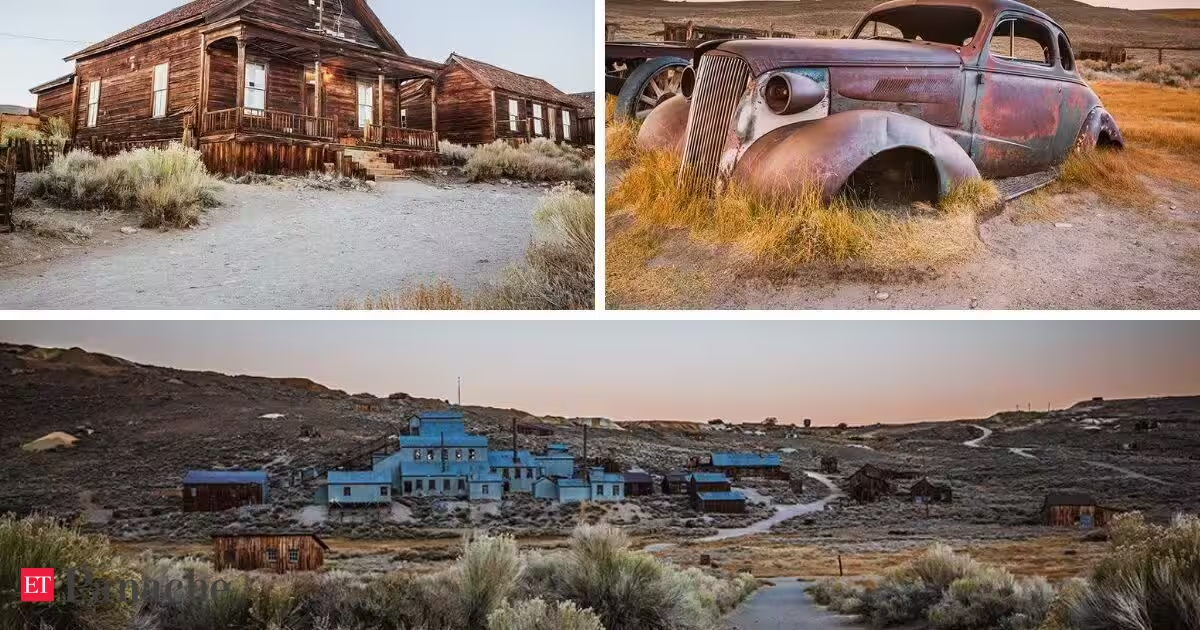
Some places simply take you back right to the past. If you are also someone who is fond of exploring forgotten destinations, then California’s Bodie Historic District must be on your bucket list. While there might not be any literal paranormal entities roaming around in this abandoned mining town, this historic settlement, located 7 miles south of Bridgeport, at an elevation of 8,379 feet in the Sierra Nevada Mountains, has become a well-preserved ghost town, attracting tourists. Mainly because Bodie still has items and equipment used by the residents living here, decades ago.All about California’s BodieAccording to the National Park Service, Bodie was named after William S Body (or Bodey), who had discovered small amounts of gold in hills north of Mono Lake in 1852. He staked their claim in the harsh high desert environment, establishing a camp. But unfortunately, he died during a snowstorm around 1860 on a supply trip. The Bodie Mining District was organized in 1860 in his honour.In 1876, the Bunker Hill Mine discovered large deposits of gold and silver at Bodie, resulting in a population boom. Workers flocked here in search of riches and by 1879, the town had grown to over 2000 buildings and 8,000 residents, according to California State Parks. The town encompassed houses, a school, a Wells Fargo bank, four volunteer fire companies, hotels, a jail, cemeteries, stores, churches, newspapers, a mortuary, and other structures that supported the large community.Bodie ghost town. (Image - California State Parks)Bodie’s boom in populationThe surge in population also gave rise to breweries, saloons, brothels, a popular red light district, and gambling dens, which, however, led to an increase in nightly shootings, stabbings, and brawls, with the city developing a special notoriety for its overly violent residents. In 1878, Chinese immigrants came to Bodie as contract labourers, settling on the outskirts of the town. They, however, faced discrimination in the local mines, which forced them to turn to service occupations for employment.These Chinese residents, living in 2 and 3-storey wooden buildings, operated laundries, peddled vegetables (shipped in by express), supplied charcoal, and provided most of the wood used in the town. Their community facilities included general stores, homes, laundries, boarding houses, a restaurant, opium dens, a Taoist temple, saloons, and gambling establishments. In 1879. As the supply of mineable material became scarce, people started leaving Bodie, leading to the town's slow but steady decline.Bodie’s decline and remnantsAfter a series of fires ravaged the place, Bodie’s last residents left shortly after 1942. After its abandonment, the town became a National Historic Landmark District in 1961 and a State Historic Park in 1962. Today, 110 buildings still stand in and around the town, and building interiors remain as they were left, still stocked with goods and furniture. Some of the items still found here include original beds, tables and chairs in homes, along with old dishes, glass bottles and jars.Books, toys and clothing can also be spotted inside some residences. The General Store retains vintage merchandise, canned and dry goods, while old liquor bottles and barware remain in former saloons. The schoolhouse still contains student desks, books and chalkboards, offering a glimpse into the town’s past. At the Standard Stamp Mill, visitors can see heavy gold-processing machinery and ore carts, while square nails and fragments of window glass remain scattered across the grounds.
Founded in 1859, this California mining town once had 2,000 buildings and 8,000 people. This ‘ghost town’ still preserves abandoned beds, toys, books and vintage supplies
Bodie, a historical ghost town in California, draws interest with its well-preserved mining heritage. The discovery of gold and silver in 1876 triggered an explosive population increase, leading to a bustling community filled with buildings and life. However, after 1942, incidents of fire and resource depletion culminated in its abandonment. Now, 110 structures remain, providing visitors with a fascinating glimpse into the town's vibrant history.
554 words~3 min read