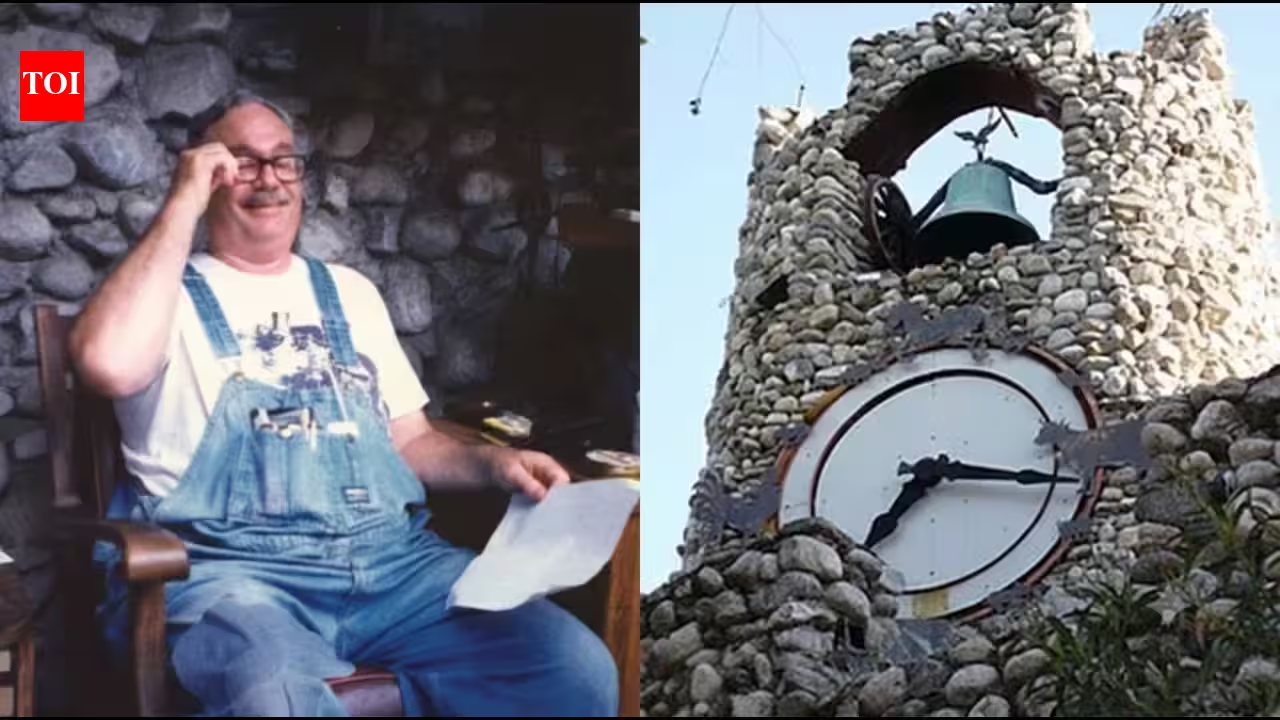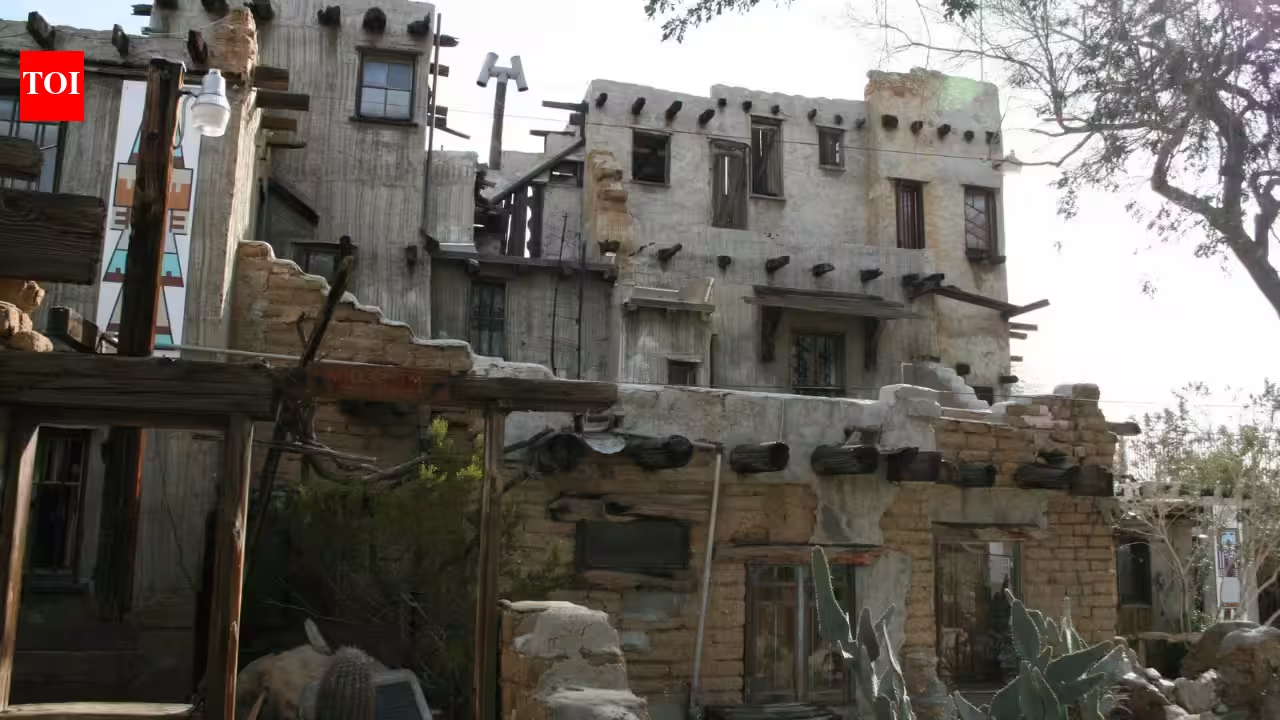
Pueblo Museum – Main Building | Wikimedia CommonsCabot Yerxa began building his pueblo in Desert Hot Springs, California, in 1941. He was 58 years old and working with materials that other people had left behind. He gathered wood, glass, metal and other objects from abandoned structures and construction sites around the Coachella Valley. Some of the material came from cabins that were dismantled for reuse. He also used handmade adobe-style bricks and found objects from the desert. His project began as a much smaller structure but grew over the years into what is now Cabot's Pueblo Museum, a four-storey building with 35 rooms. A report prepared for the City of Desert Hot Springs describes the pueblo as a 5,000-square-foot structure with 150 windows, 65 doors and 30 rooflines. Construction began in 1941, and Yerxa continued working on the property until his death in 1965.Pueblo Museum – Main Building | Wikimedia CommonsHe had already spent decades in the California desertA California State Historical Resources Commission report says Yerxa was among the early settlers in the area that later became Desert Hot Springs and had homesteaded there after arriving in the desert in the early 20th century. In 1914, he discovered a hot spring and a nearby cold spring at a site he called Miracle Hill. By 1941, when talk of development was growing in the area, Yerxa returned to the property and began constructing the Pueblo Revival-style buildings that became his home, studio, workshop, trading post and museum complex. State records identify the principal construction period as 1941 to 1944 for the two contributing buildings now associated with the museum, although Yerxa continued working on the larger property for years afterward. The structure drew on Pueblo architecture, and the state commission later approved it for listing because of its association with Yerxa and its architectural design.Abandoned cabins became part of a much larger buildingThe scale of the finished pueblo was the result of years of collecting and reusing materials rather than a conventional construction project with newly purchased supplies. A profile published by Edison International says Yerxa built the structure almost entirely from recycled materials scavenged from the surrounding desert, including wood, glass and metal from abandoned buildings and former construction sites. It grew from a small shack into a large Hopi-inspired structure that served as a home and museum for desert and Native American artifacts. The complex incorporated living spaces as well as areas for displaying Yerxa's collections and artwork. His use of reclaimed doors, windows and structural material gave the building its uneven mix of forms, levels and rooflines.Coachella Valley | Wikimedia CommonsWhat remains at the site today?Yerxa died in 1965, but the pueblo remains in Desert Hot Springs as a museum. The building is listed on the National Register of Historic Places, according to the California State Historical Resources Commission's account of the property. Its present-day museum continues to preserve the structure, Yerxa's artwork, and objects connected with his life and travels. The four-storey building still contains its unusual network of rooms, windows, doors and rooflines, all assembled over decades from handmade and reclaimed materials, and the current museum also continues to offer guided tours of the pueblo. It began in 1941 as a one-man construction project in the desert and still stands at 67616 Desert View Avenue, where the 35-room structure remains the centrepiece of Cabot's Pueblo Museum.
In 1941, a 58-year-old California pioneer began building with salvaged cabins: He turned the material into a four-storey, 35-room desert pueblo
Cabot Yerxa began building his pueblo in Desert Hot Springs, California, in 1941. He was 58 years old and working with materials that other people had left behind.
561 words~3 min read